
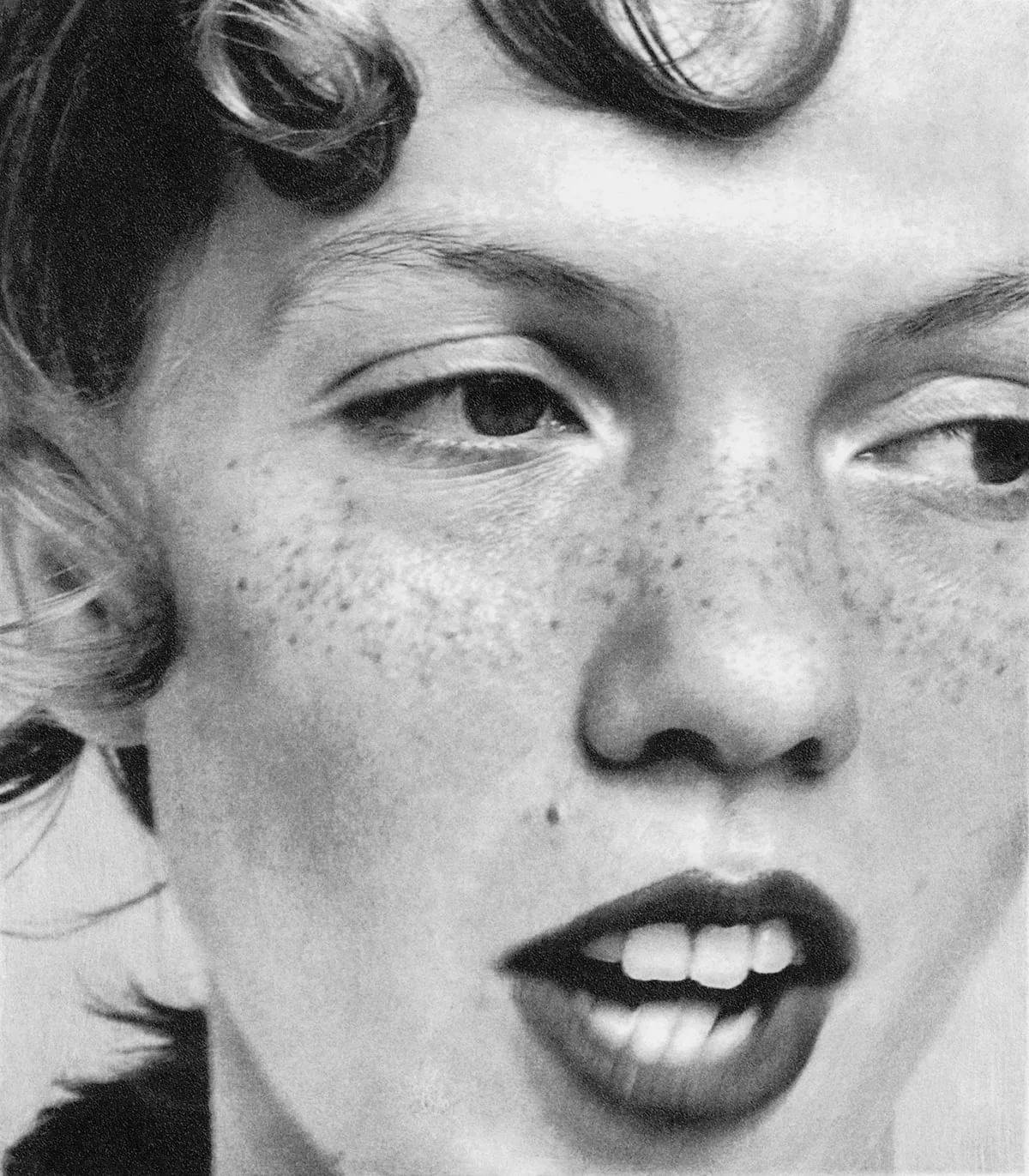
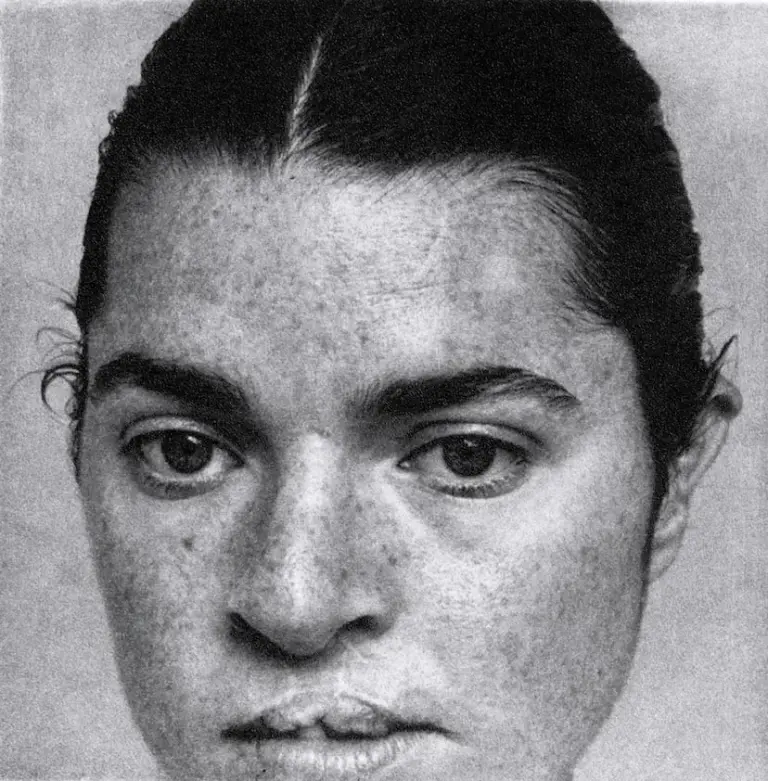
At the latest edition of Paris Photo, a series of black and white portraits caught the attention of both the public and the press. Their appearance came after the large installation dedicated to the complete set of the famous project by August Sander, Man of the 20th Century, with which the renovated Grand Palais welcomed visitors at the 2024 edition. Under the title Portraits of London, 87 portraits made by Jack Davison occupied the discreet stand of the British Cob Gallery. Small in size, big in impact, they quickly attracted the viewer’s gaze; loaded with classical references, they were strikingly contemporary.
Read more The Generalitat is finalizing the creation of the Office for the Promotion of Catalan Teams
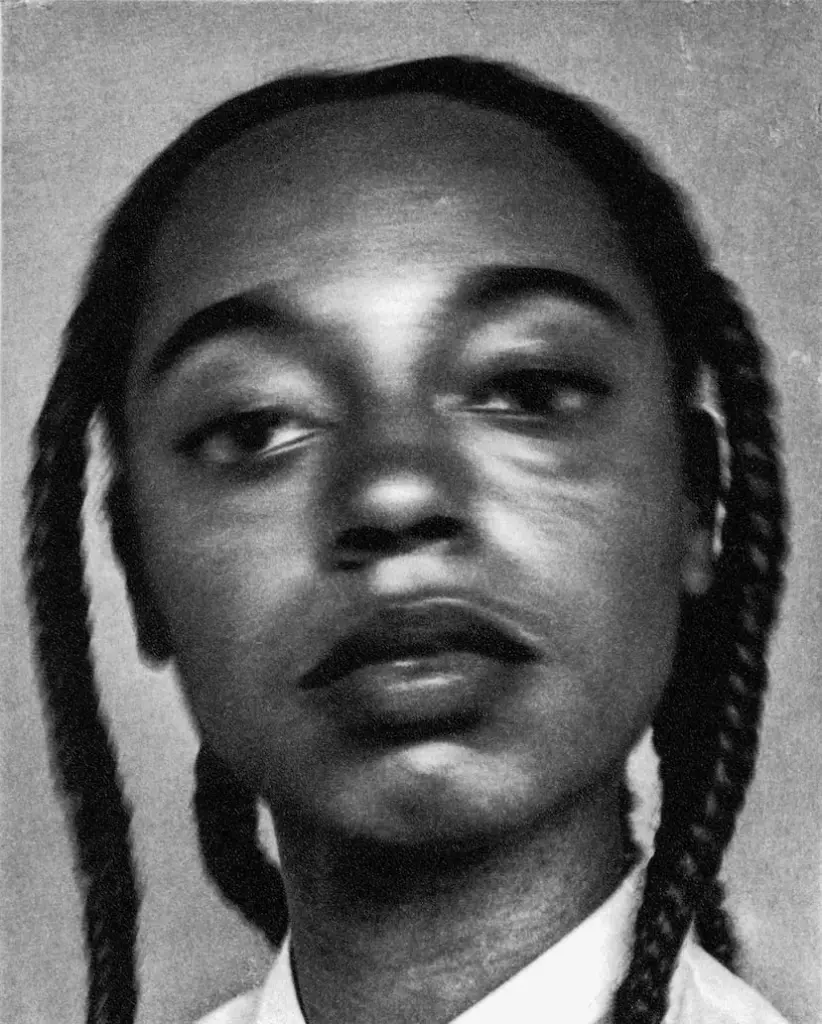
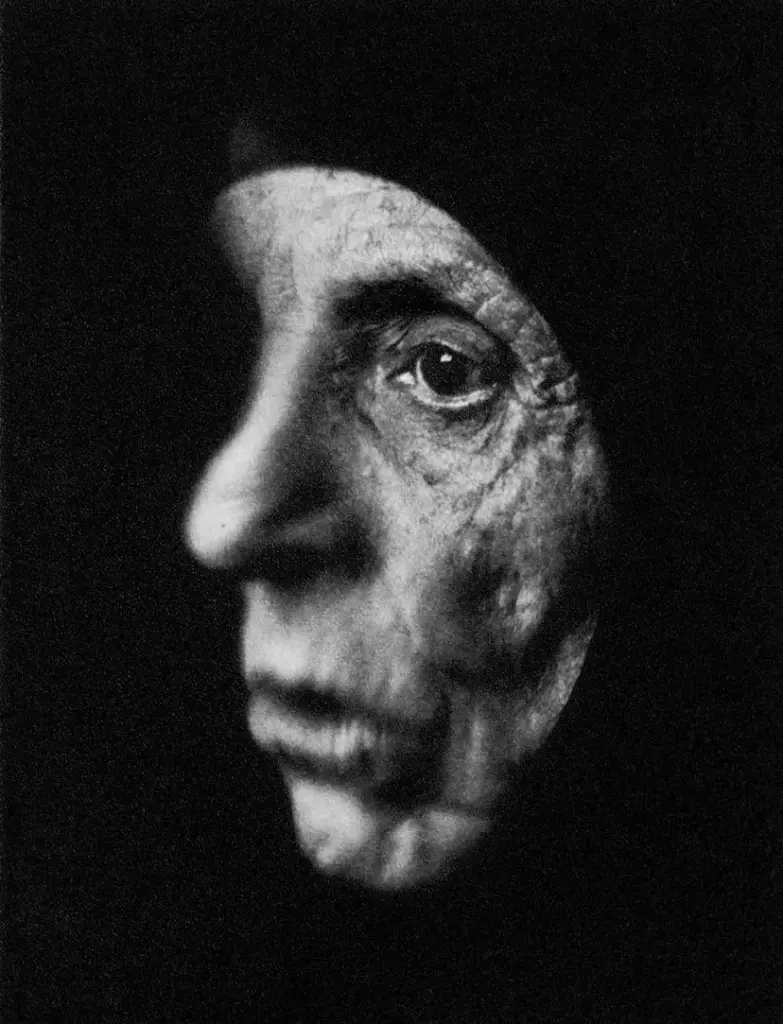
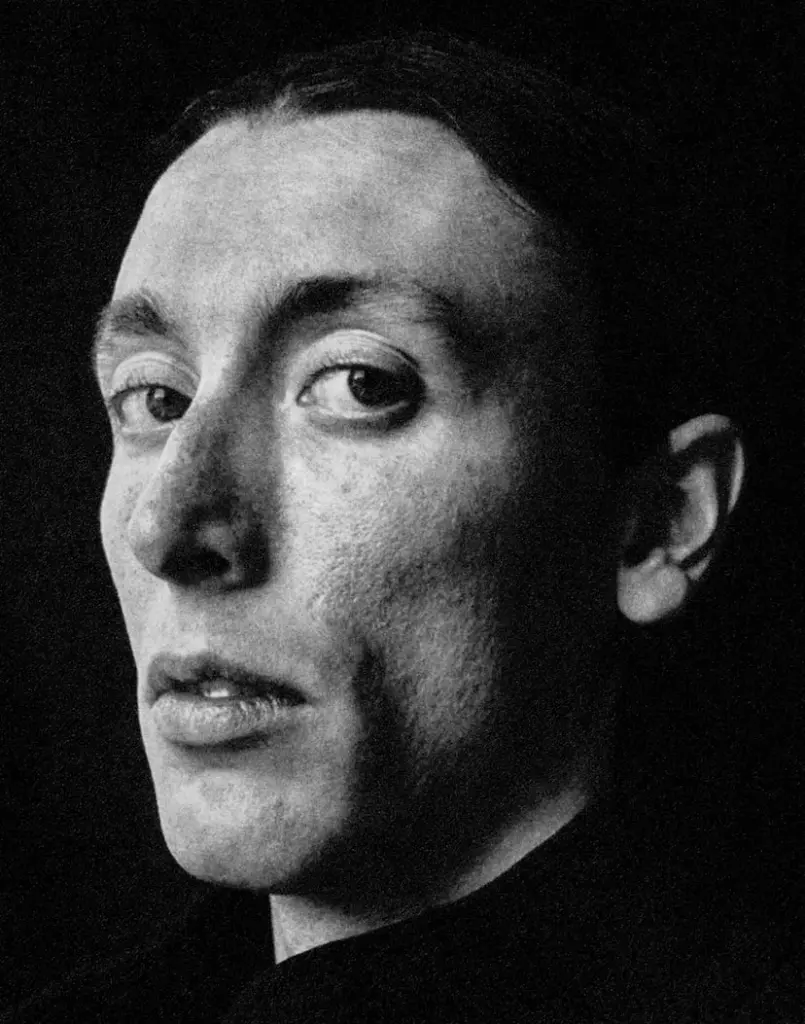
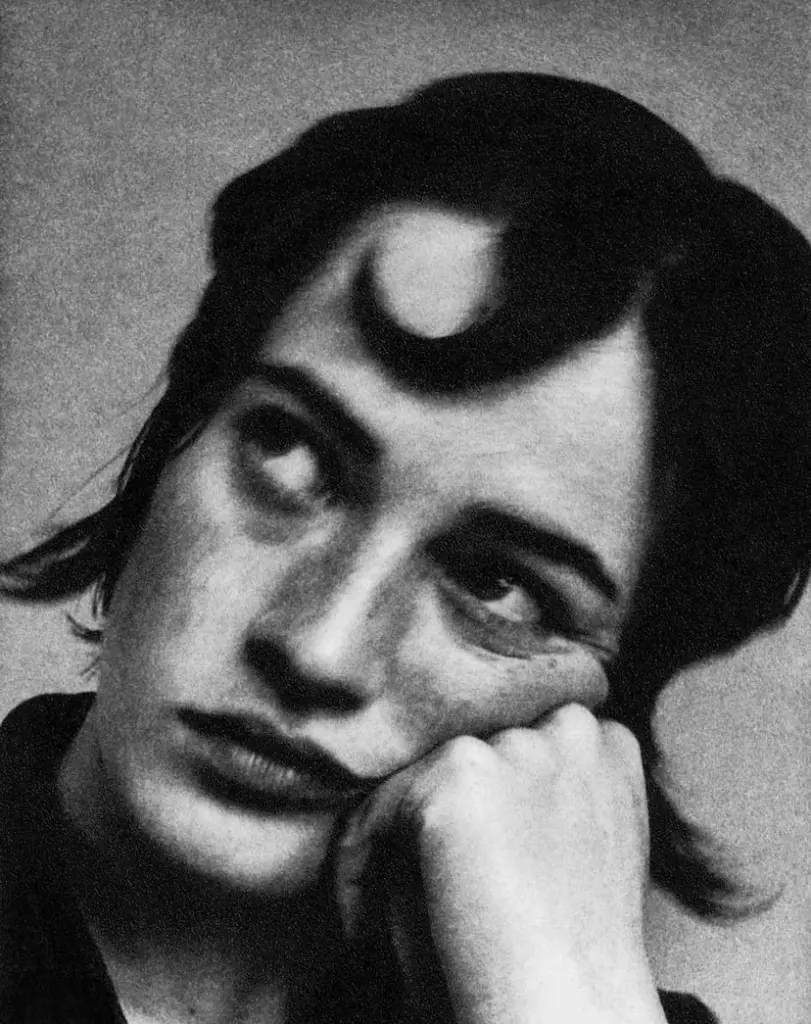
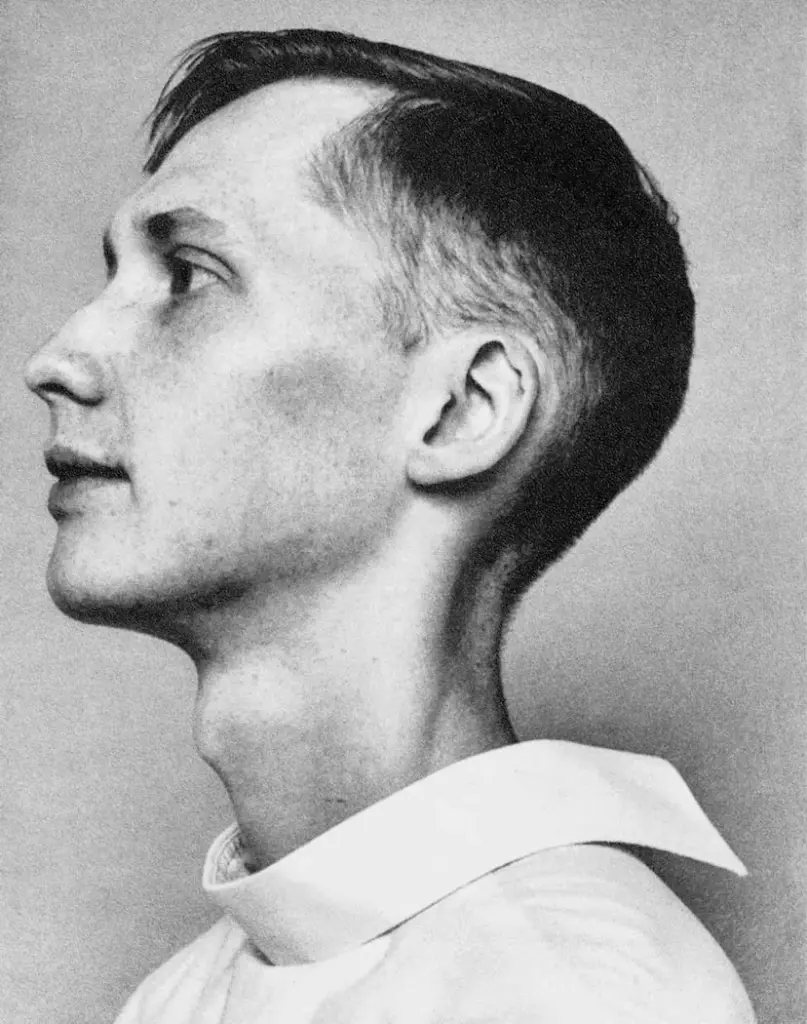
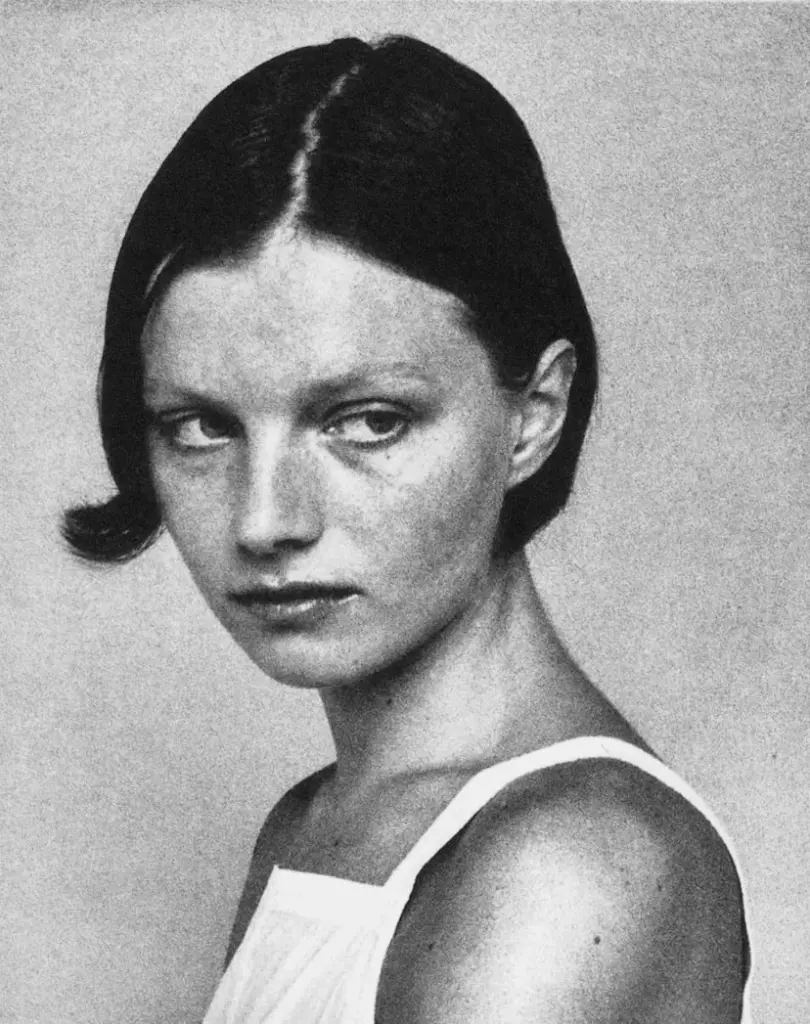
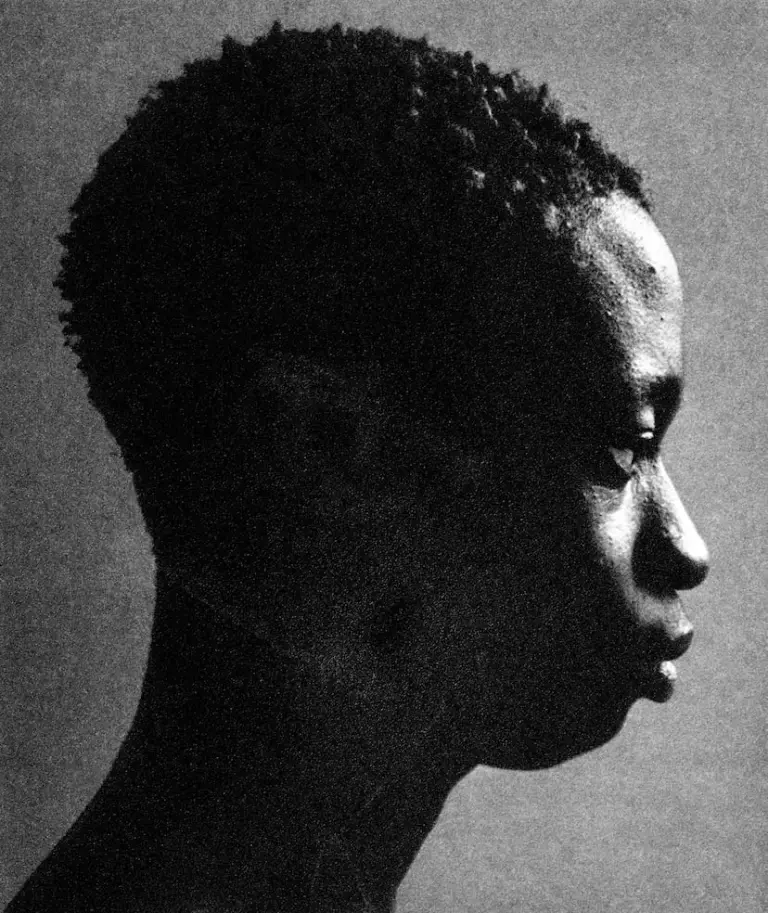
“I have always been attracted to the simplicity achieved by the German photographer’s portraits,” admits the British photographer during a videoconference. “They tell thousands of things at once, starting from the bare minimum.” However, the Paris Photo installation did not convince him. “The portraits demanded the viewer to establish a relationship with them, but presented en masse, and at a height that made appreciation difficult, I think they did not achieve their purpose.”
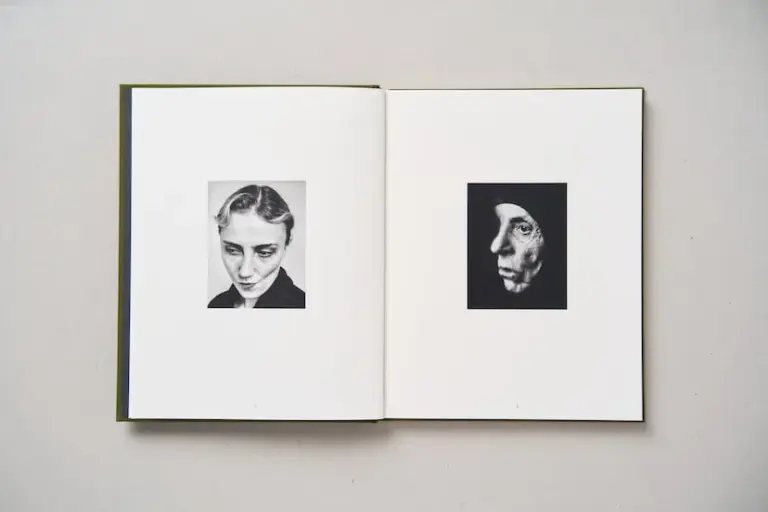
Still, the refined nature of the work left its mark on the English photographer. He had long been missing more portraits and greater sobriety in his own practice: more direct portraits, a more intimate and tactile photography, in line with the vernacular photography of the thirties and forties, which has always sparked his interest. Hence, he set out to carry out an ambitious project in a short period of time: spending three days in London, during November, photographing as many people as possible. From those days came the series exhibited at the photography fair, later gathered in a photobook: 13-15 November. Portraits: London.
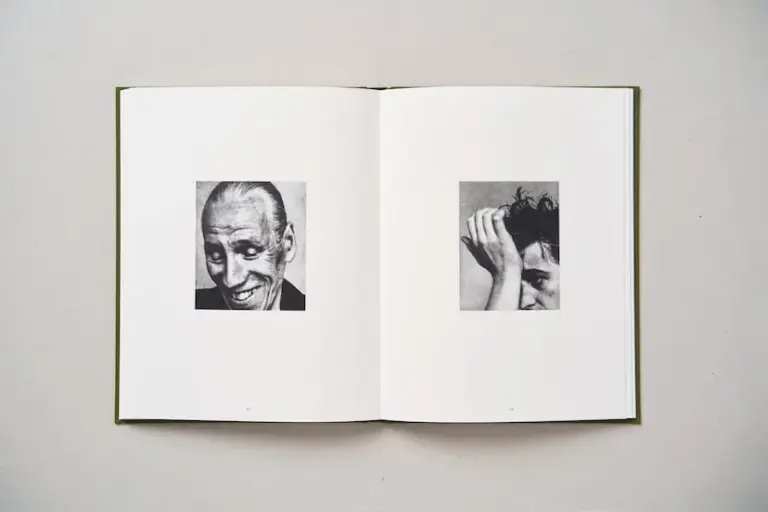
“It was quite a challenge,” says Davison, known as a fashion and documentary photographer, as well as for his use of dramatic chiaroscuro. “I shot 111 people in three days. About 37 portraits a day. The experience made me remember how much I love portraiture. I am attracted to it because I like people and I believe in the magic that can arise between the photographer and the model. In that brief moment, always the result of collaboration. I look for those small moments of emotion in which someone does not consciously show themselves, in which they are almost not on the defensive.”
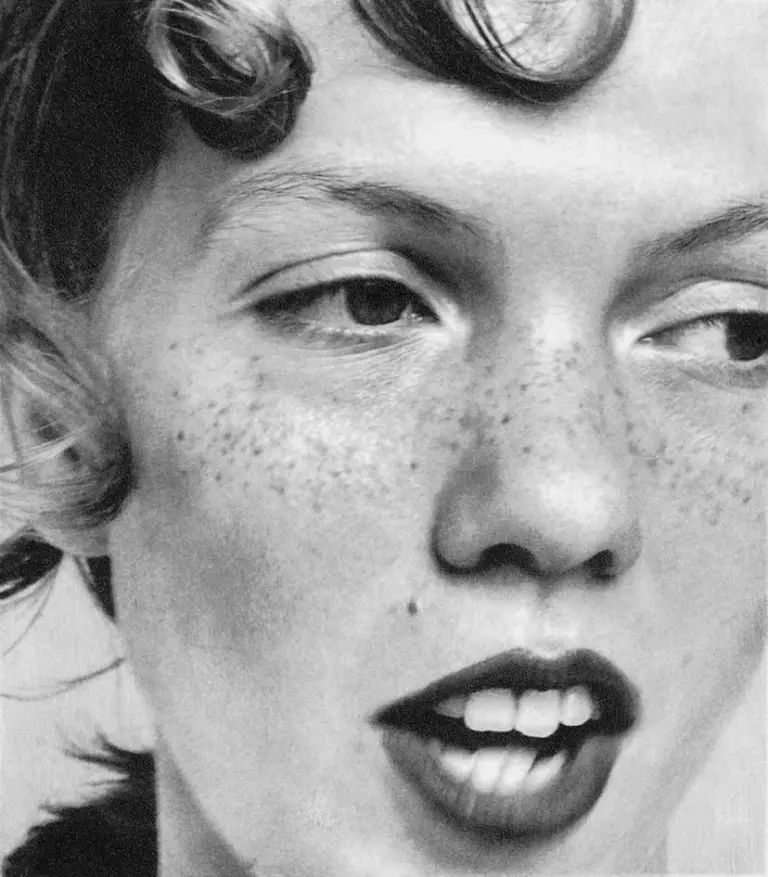
Many of the models were selected on the streets of London by casting director Coco Wu. Others were acquaintances of the author himself. Although they differ greatly from each other, each has a character that seems to place them outside of time. “I never intended to say: ‘This is London,’ but to present a version of an imaginary London,” the photographer points out. “I was attracted to the idea that that November day could have belonged both to more recent years and to a hundred years ago.” Printed using the photopolymer intaglio technique, the depth of the blacks, as well as their texture, require closeness from the viewer, while offering that tactile and contemplative sensation.
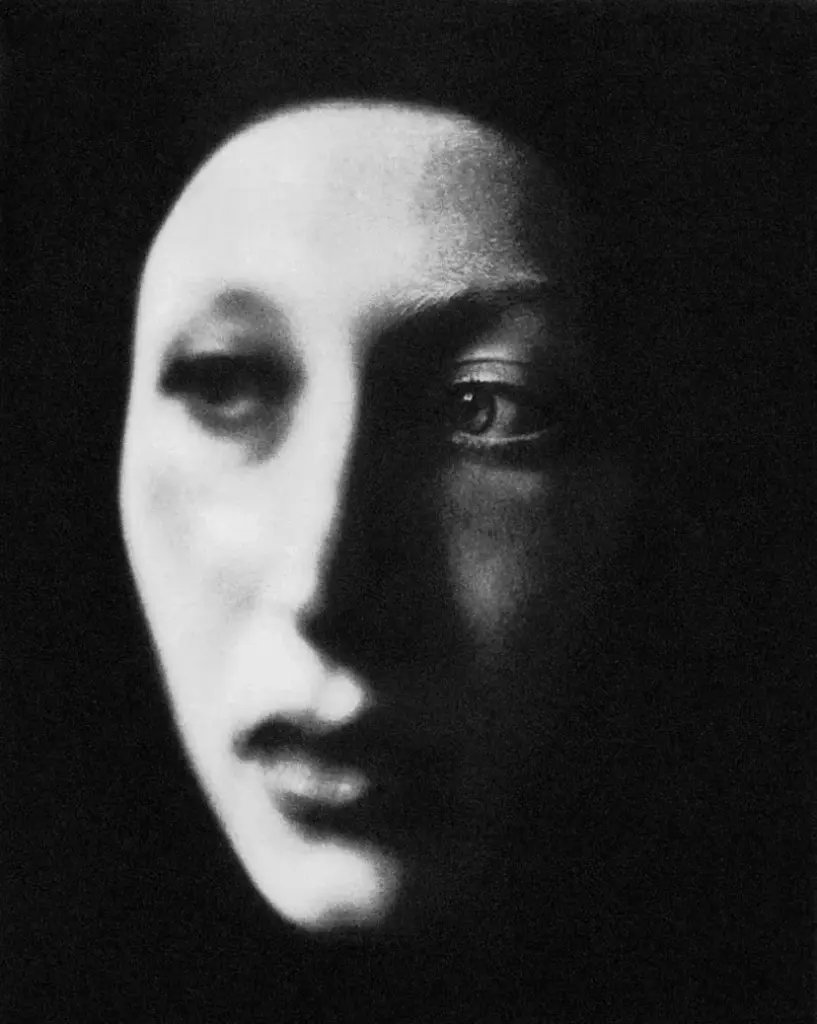
He tries to offer the viewer as little information as possible. “Their imagination is as important as mine,” warns the author. Thus, he focuses on the face, omits the torso, and simplifies the elements until he is left with an almost symbolic gesture, in search of emotion. The hair sometimes acquires a sculptural texture. Framed in very close shots, the subjects sometimes pose hooded, which allows the author to hide any distinctive feature that could detract from the intensity of the expression or temporally situate the photographs. A nod to Ingmar Bergman’s film The Seventh Seal, which at the same time helps to simplify the faces and surround them with mystery. “As a whole, there is something sectarian that could evoke ideas both spiritual and of other types of communities,” Davison points out.
Read more Referendum at Complutense
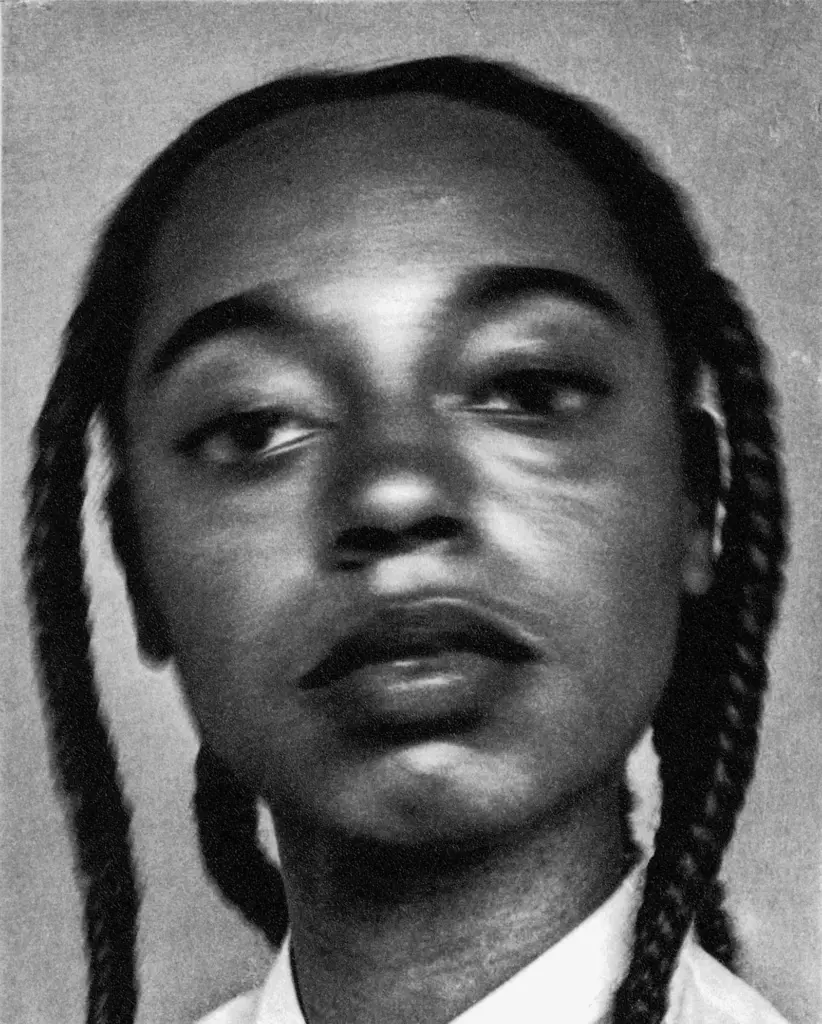
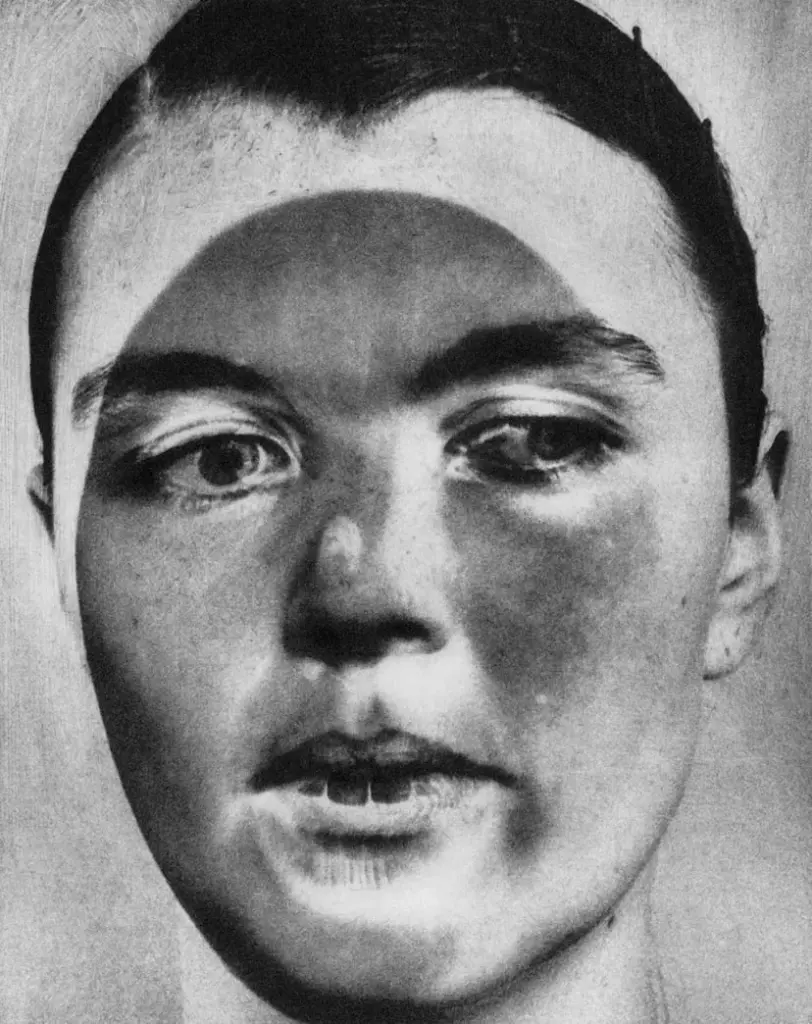
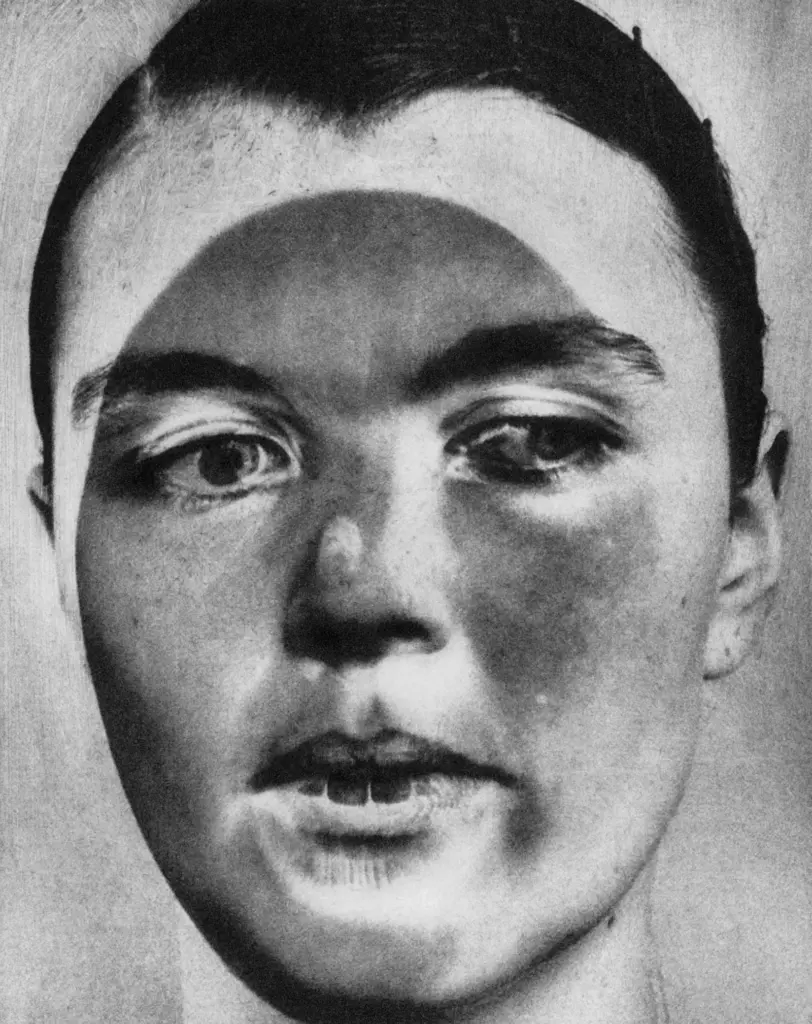
Sometimes he manipulates the images to abstract the faces. “In one of my favorite portraits, I imagined a kind of superimposition, as if two female faces collided, where one is projected as a circle over the surface of the other,” he explains. “Through this transparency, a ghostly mouth and teeth can be distinguished. I like the idea of approaching a face, which seems orderly, and encountering an abstraction. It is about playing with the audience’s expectations.”
The idea is to carry out the project in different places and, perhaps, in some of them Davison will use color. Still, he considers that black and white offers the possibility to perceive the subtleties of emotion more clearly.
Beyond the formal, 13-15 November. Portraits: London proposes a slow gaze in a moment of visual saturation. Stripped of context, the portraits share an intensity as silent as it is theatrical that, without fully belonging to any time, continues to challenge those who observe them. They demand closeness and, only when approached, seem to address directly those who look at them.
13-15 November. Portraits: London. Jack Davison. Helions. 118 pages. 52.95 euros.