

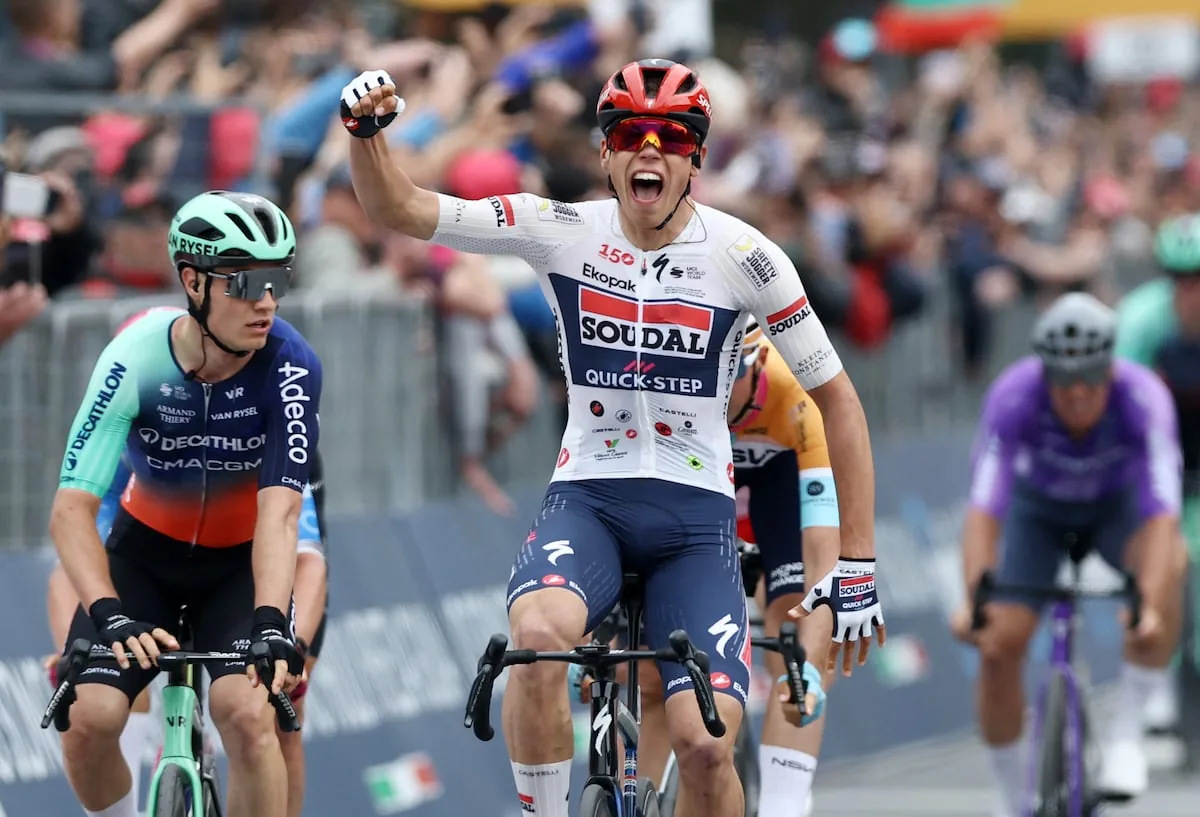
Surely Aesop would scratch his head perplexed, contemplating the racket of screeches and carbon crunches that invaded the false flat of Democracy Boulevard on the Burgas coast, and the cries of injured riders. And what moral do I draw from all this, from this infernal chaos?, the fabulous Hellenic fabulist born on these Bulgarian Black Sea shores more than 2,500 years ago would ask himself. And to which animals do I entrust the example? To the donkeys, so foolish, perhaps? To the acorn eaters? Or to the spider, better, the intelligent and patient animal, who waits and waits and only when the strike is sure attacks like Paul Magnier accelerates, his very long insect legs, in the last 200 meters of the straight to the finish line to overtake everyone and establish himself as unique among all the sprinter fauna, headless chickens when the adrenaline of the last kilometer overwhelms them?
Read more Tchouameni apologizes for his fight with Valverde: “Frustration cannot excuse everything”
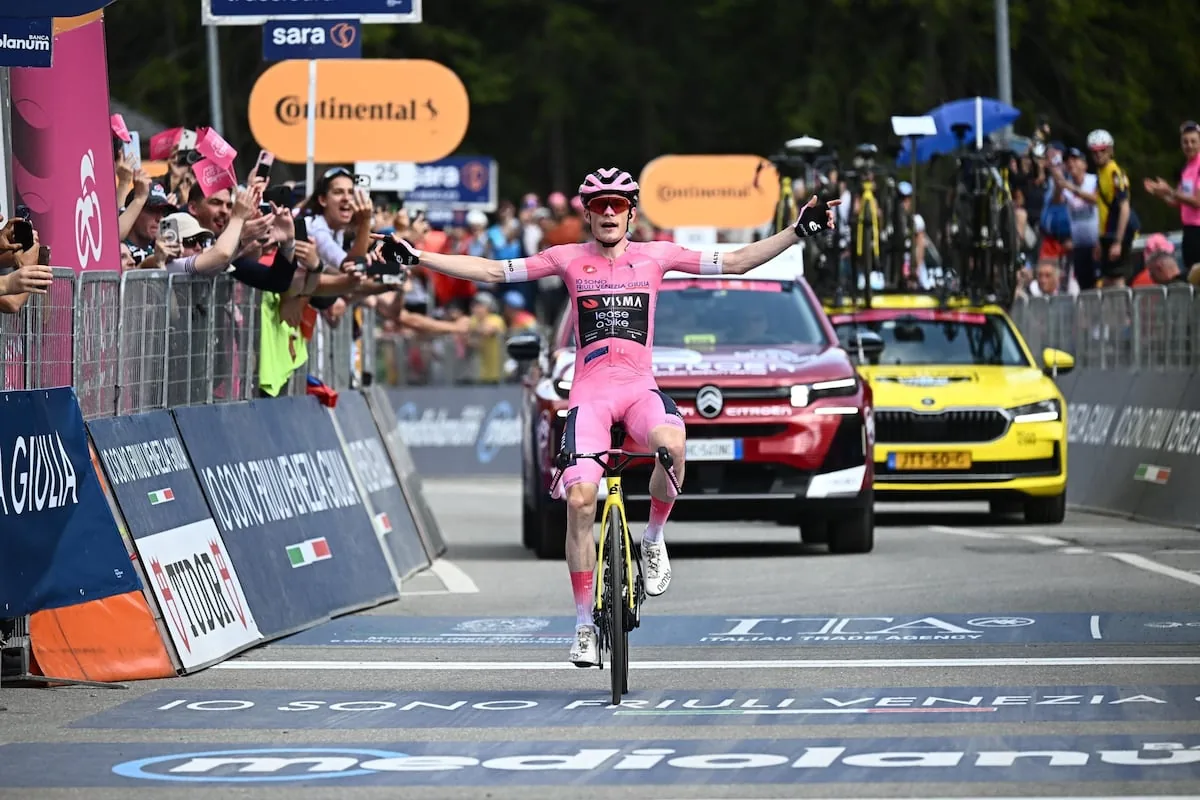
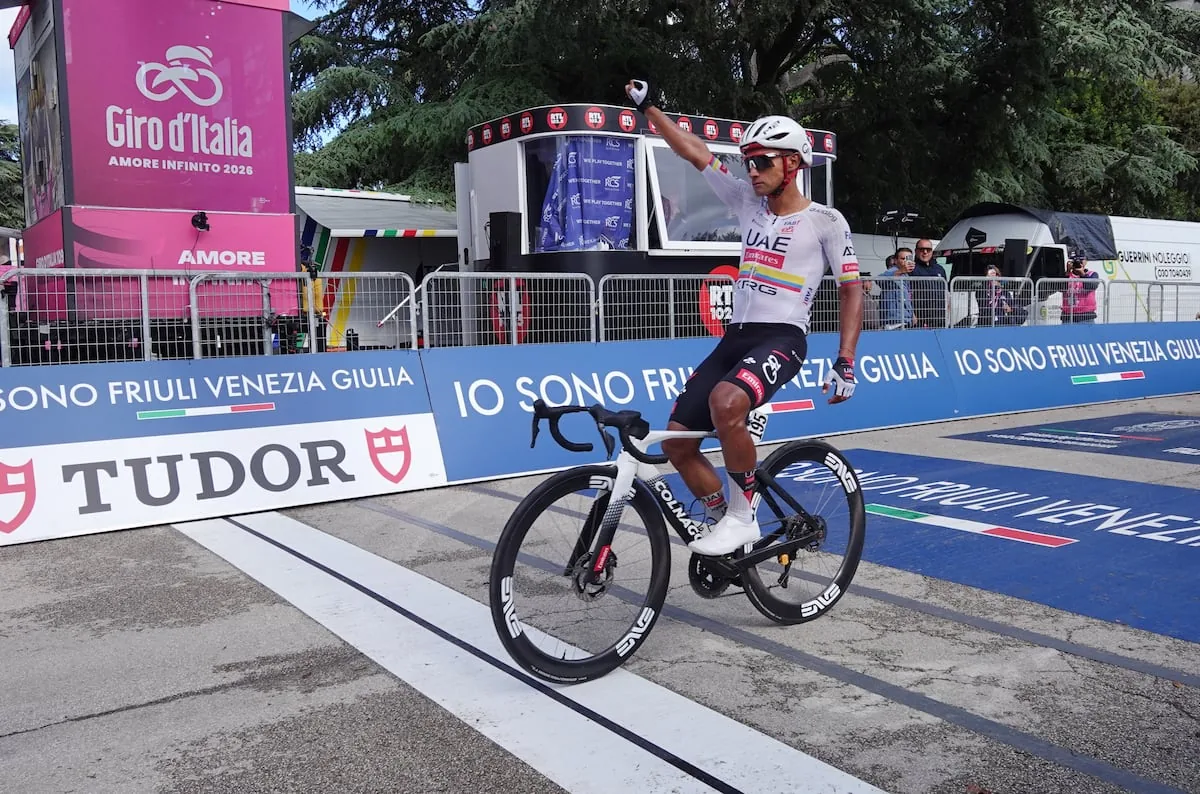
In France, cycling people pinch their thighs because they fear they are dreaming, and they cannot believe that after so many decades of drought, two talents are born just a few years apart who come to take on the world, the same brown curls and colorful cheeks of teenagers, the same name, Paul, a premonition, and the same eagerness and ambition. Paul Seixas, 19 years old, who challenges Pogacar, and the other Paul, Magnier, just turned 22, a lanky, very fast sprinter who lines up all the beasts, the colossus Maximilian Walscheid, the giant from Friuli Jonathan Milan, the destroyer Dylan Groenewegen and his ice cream jersey, strawberry pink, mint blue… And then he dresses in pink, the first Frenchman to do so since Bruno Armirail three years ago, and maybe he even wants to see the finish line replay, the peloton block that rises behind him when, 650 meters from the finish, in the final whirlwind, the Norwegian Erlend Blikra loses control of his bike and in his fall drags half a dozen. Only nine remain ahead. Clean sprint. Madness from Walscheid, fatigue from Milan and Groenewegen, impatience from Tobias Andersen, perfect move from Magnier, who comes from the Alps and has spent three weeks in Sierra Morena, getting a tan and filling his blood with red blood cells.
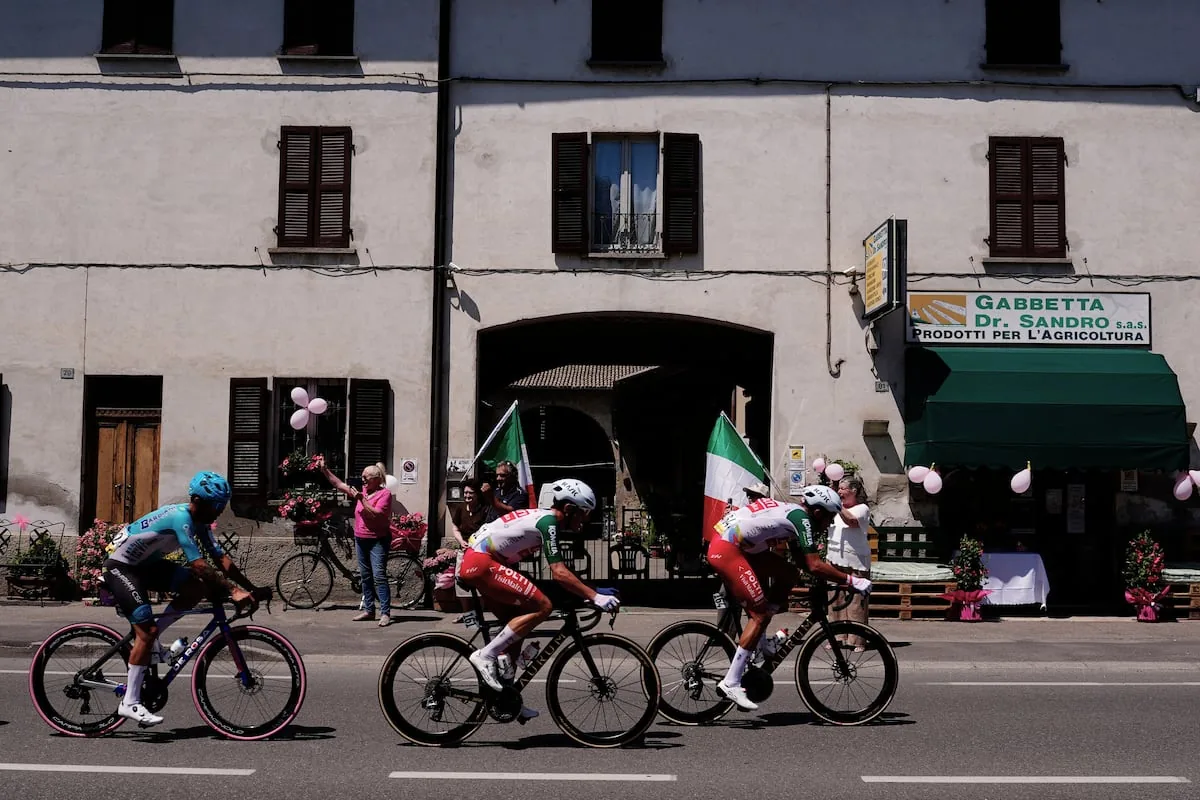
The Giro travels along the coast. Endless yellowish rapeseed fields and Black Sea beaches, pale custard sand, with apartment towers, dunes and tempting names, Cocoa Beach and such, to attract the millionaire Russians who fight battles and bombs so close by. Two ahead, 182 behind. Those in front have made no more effort than to accelerate when the new Giro director, old fox sprinter Stefano Allocchio, lowers the flag and gives the start. Diego Pablo Sevilla, a Madrid native from La Vega and friend of Contador who finishes with the blue jersey for best climber, and Manuele Tarozzi, who wins the intermediate sprints, go hand in hand. Behind them, the peloton looks the other way. They stroll two minutes ahead until 20 kilometers from the finish the break ends. The peloton catches them and they, back to the elbow game and wheel drafting, watch in surprise as the snake line widens and bulges at the tail, where a yellow patch spreads. It is the Visma people supporting Jonas Vingegaard at the back, where he goes calmly and without surprises, seeking to win the Giro with the greatest number of kilometers below the threshold. Far from him, the noise and fury.
Read more United States will revoke passports of parents with child support debts
Aesop, perhaps, would also feel lost. What moral to draw from those like Sevilla, Tarozzi and Vingegaard who seek the greatest benefit with the least expense? How can we exalt the cheerful cicada over the hardworking ant?
Read more The Trump Administration begins declassification of documents on UFOs and “extraterrestrial life”