The rest days in the Pyrenees, in Pau, Mitxelena and friends from Gesto, Oreja, José Joaquín, the car loaded with Karpy’s ajoarriero, leftovers from the Sanfermines, and a quiet and very observant boy, in a seat, would arrive. They would stop at the hotel where their friend Echávarri’s team was staying and at Arri’s, and at the latter when he went with the French, and always at Arri’s when he returned to his usual team. Year after year, always quiet, always eyes and ears attentive to any detail, Igor absorbed cycling as his father, José Luis, grew and changed occupations. When he became director of Caisse d’Épargne and later Movistar, he spent the Tour rest days in the truck with the mechanics, studying the equipment, assembling time trial bikes, lending a hand with whatever was needed, radios, connections, the car’s oil, and Igor by his side, and he kept growing, and they already spoke, quiet monosyllables, about the races he competed in, cyclocross, mountain rides on his Barranka, the Tour, the bicycle, always, the invisible thread that binds them. And now retired, young, from all cycling responsibilities, although he always lends a hand to those who ask, Arri spends May afternoons in front of the TV, watching the Giro, the roads soaked with old pavement of mountainous Basilicata, the runoff flooding some parts, and there Igor, a 23-year-old stalk already, plays dice with fate, painful hail, icy, bouncing on the bare hands gripping the handlebars tightly. He trembles. He falls. He wins. In the distance, among the clouds, lightning dazzles.
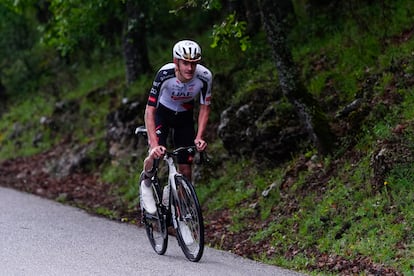
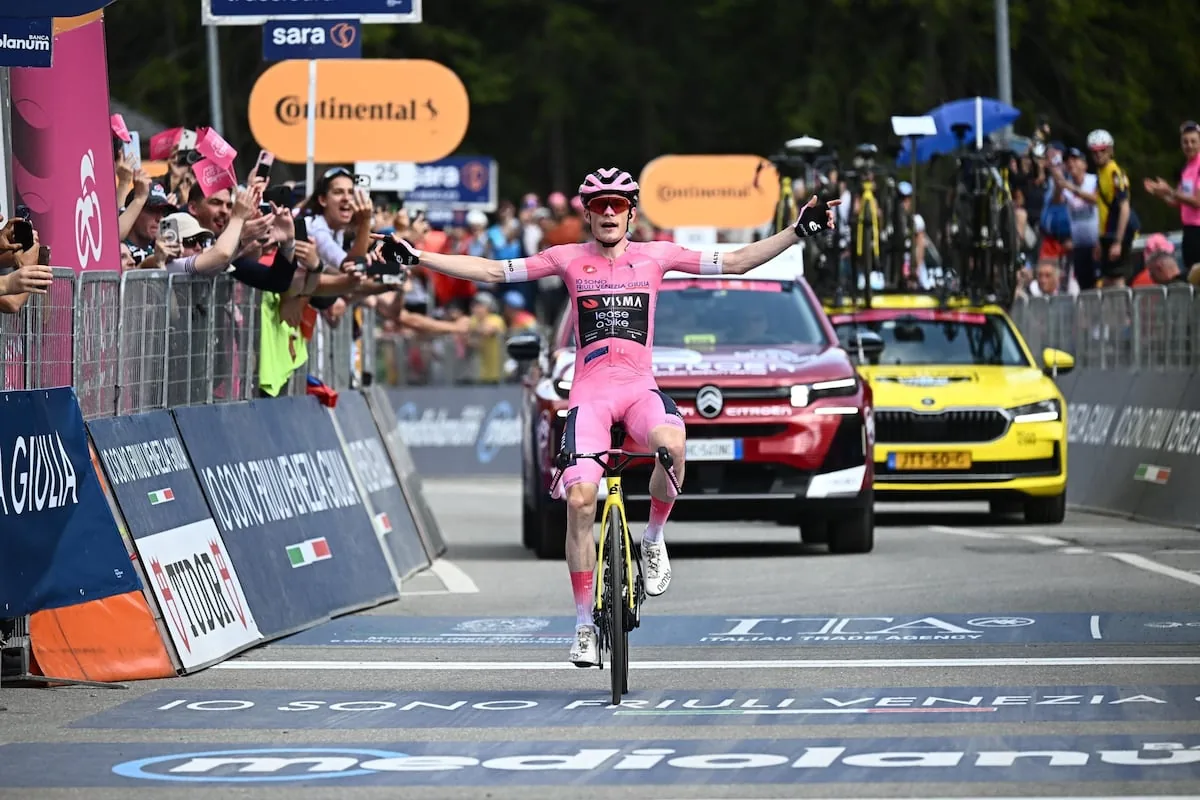
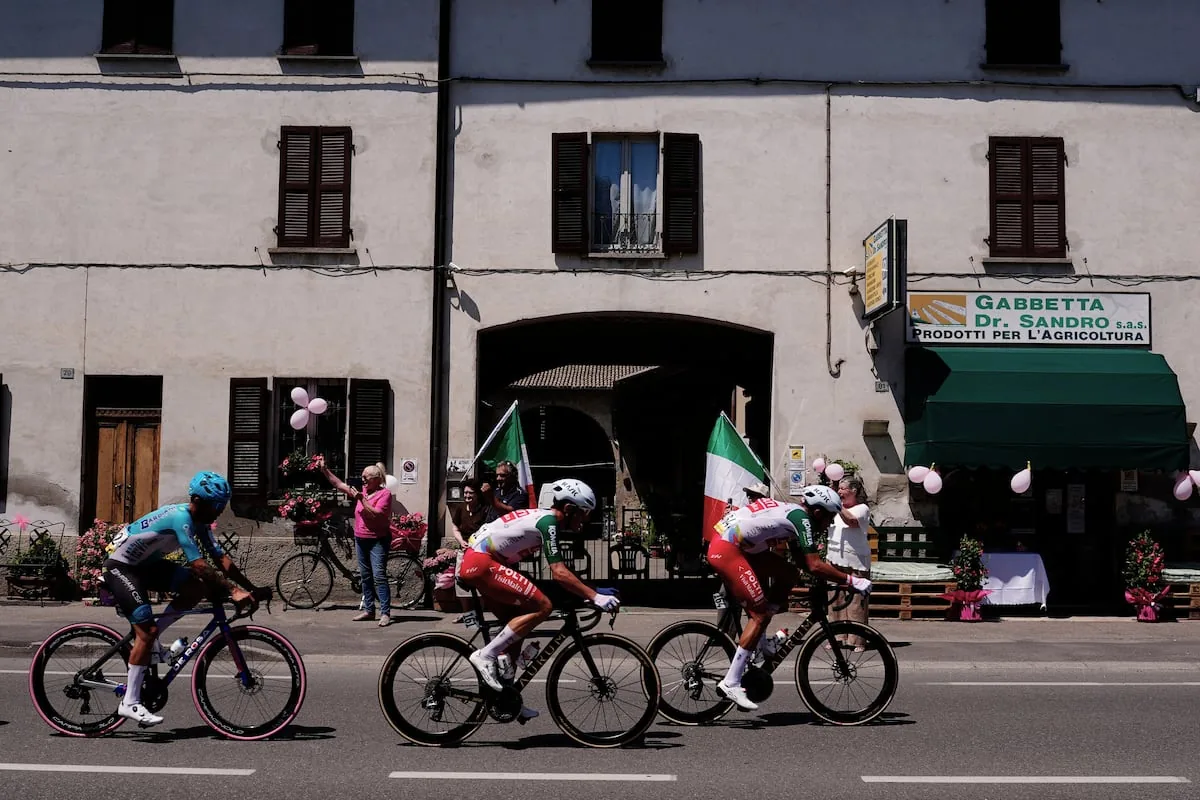
Arrieta senior finds it hard to talk about secret feelings. He contemplates the stage with his gaze as a team director or road captain, when Indurain had him in the peloton analyzing and deciding moves. He narrates it as he did when he wrote his daily Giro and Tour chronicles for EL PAÍS. Full of details, things no one else but him saw, the truly decisive ones. The father does not speak with a heart hypertrophied by emotions, accelerated. Nor does he tell little stories. He sees his son almost frozen at the summit of the Great Mountain of Viggiano, by the Pierfaone ski resort, near Potenza, and lets him learn alone, he has never even told him about the hypothermia he suffered descending the Galibier, mist, freezing rain, the day Pantani killed Ullrich to win the 98 Tour, and he stayed with his Chava, who had started attacking mano a mano with the Pirate, and dried up. Some spectators gave him chocolate and he survived. No one gives anything to Igor, who looks at the clouds, raincoat in the ditch, short sleeves, the Navarrese not even muddy, a minimal vest to protect the chest on killer descents, and pedals in a breakaway of strength and intelligence, endurance, alongside his Portuguese friend from Figueira da Foz, Afonso Eulálio. They are rivals, race for different teams, but they agree, collaborate. One will wear pink at the end of the day, the other will win the stage, the greatest triumph of his career.
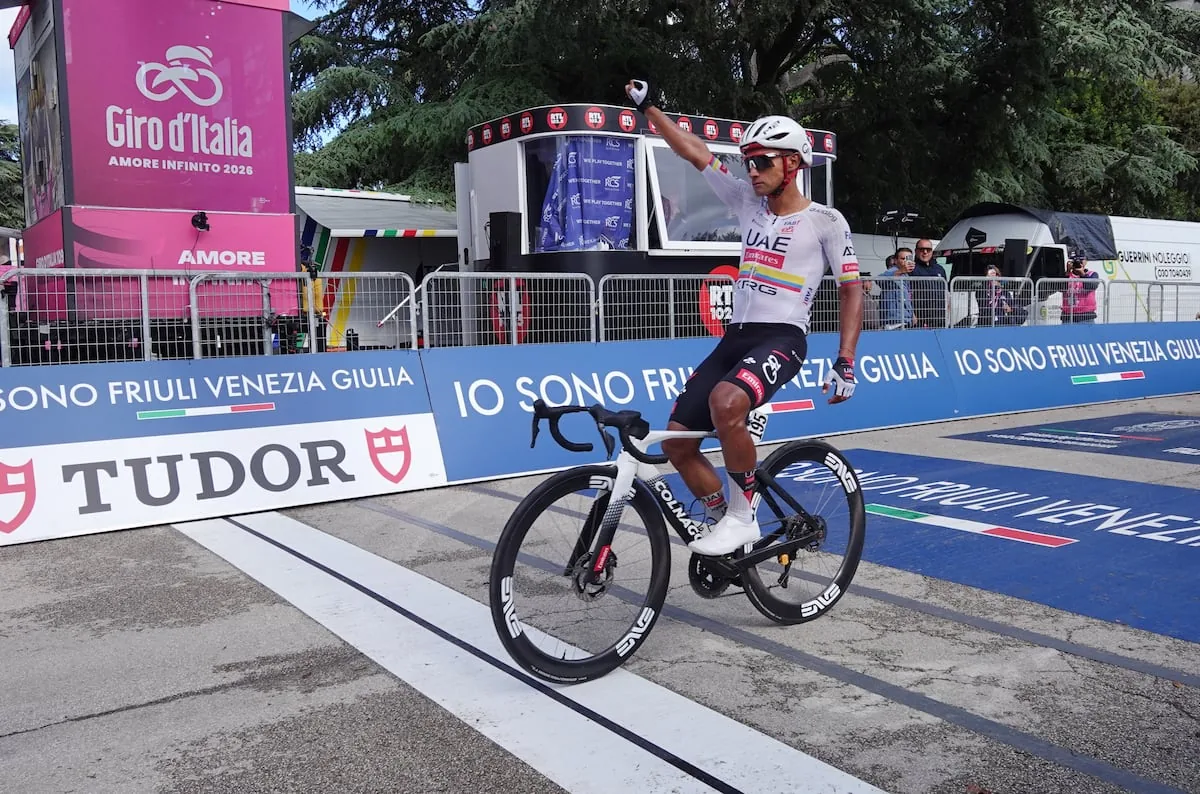
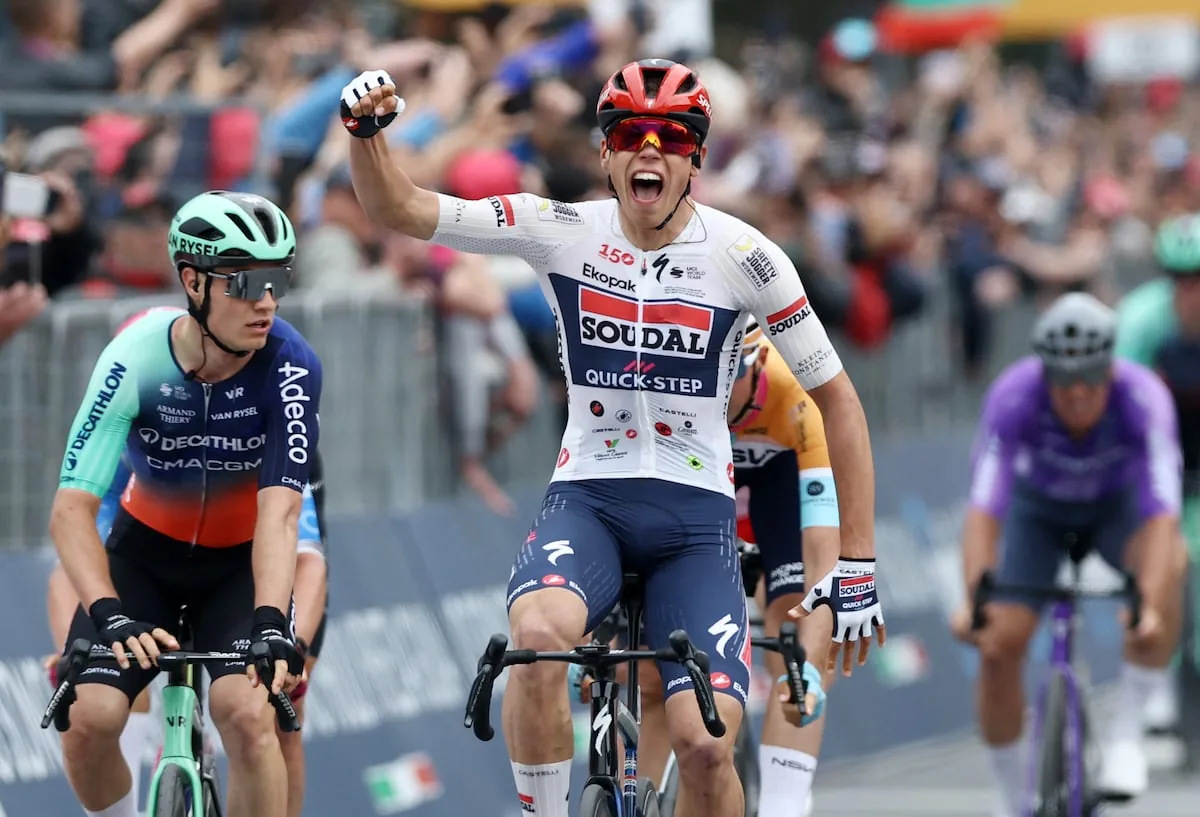
Before, reckless, unconscious, like Oedipus they will defy the fates, who, moved, forget their pride and take pity. “They were on good asphalt and decided to take a little risk on the descent because Tomi Silva’s group was approaching, who loves the rain, and just at that moment, they returned to bad asphalt and Igor’s wheel slipped on a curve and he fell,” recounts Arrieta senior, with the coldness of an outside observer, only betrayed a few kilometers later when it is Eulálio, who has not waited for Igor, who in turn slips and falls. “It’s karma,” he says, when it would have sounded nicer to talk about poetic justice. When, already entering Potenza, Igor takes a detour because he takes a very wide curve on his spare bike, ridiculously unstable with its new tires, unscuffed, inflated with excessive pressure, to avoid a bump, not even his father thinks he can win the stage. Eulálio does not wait. He is already on the endless final straight. “It was the slowest sprint of my life,” says the Portuguese, exhausted, more than five hours in the rain, more than 200 kilometers in the mountains, who cannot even get up from the bike despite Igor approaching, also in slow motion, also exhausted, but with more desire, bare hands low, butt high, and he overtakes him and, against all odds, beats him.
Read more Spain gained a record 97,000 foreign jobs in April and reaches a total of 3.25 million
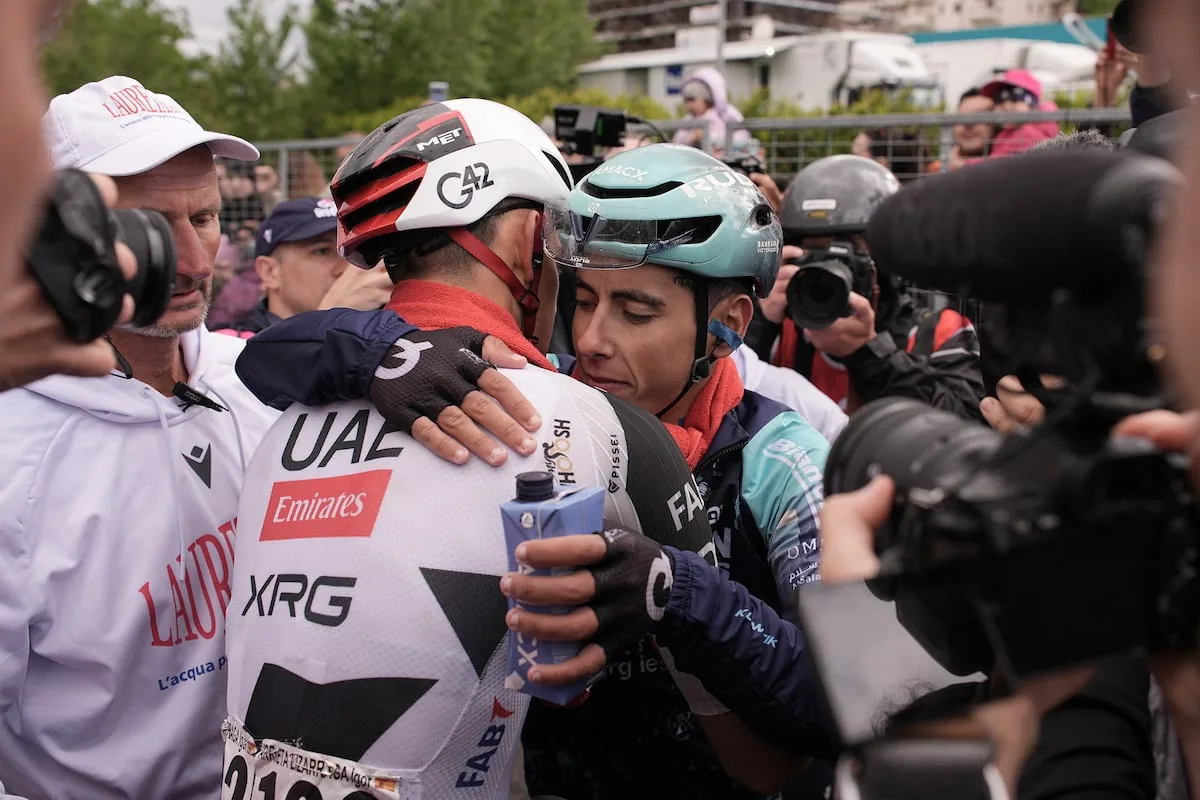
“The Giro is special,” says Igor, the hoarse voice of the likable bad guys in movies, a bit Belmondo too, the almost invisible scars of his nose shattered in another fall and meticulously reconstructed, the uncontrollable tears, the hug with Eulalio, the two happy survivors. The Giro is special because, like his father, the number 2 of ’94, after Indurain’s number one, it is the first grand tour he has raced, and he is already on his second time. Always with the second number of his UAE, one year after Ayuso, this one after Adam Yates, the face shattered and already in his Andorra. His father, so analytical. “Before winning you have to hit the post a few times,” he says. “And Igor had already hit it several times, like in the last Itzulia.” Then, he admits he is more than a cycling master. The blood is already flowing. “Igor has already done more than I did in my entire career as a cyclist.”