






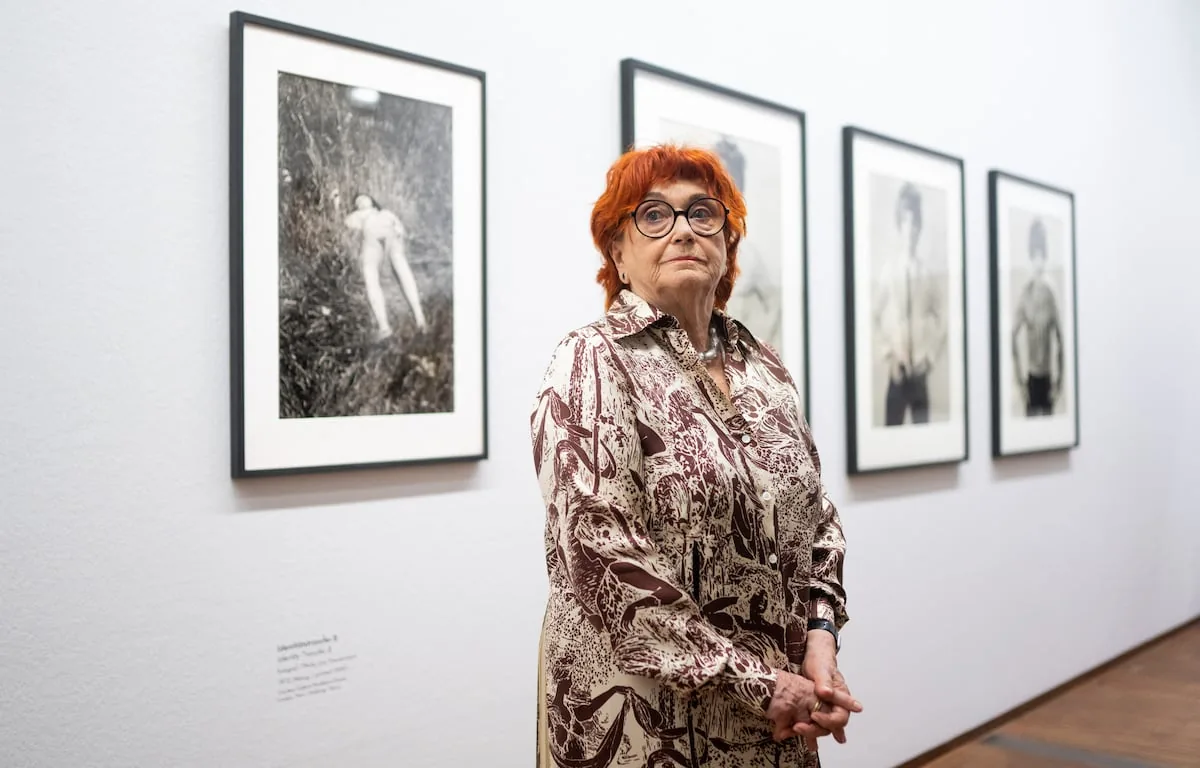
The performance artist, filmmaker, and feminist Valie Export, one of Austria’s best-known creators, passed away this Thursday in Vienna, just three days before turning 86. “We mourn the loss of an exceptional artist, an extraordinary personality, and a special human being,” said the foundation bearing the artist’s name in a statement.
Read more ERC estimates the cost of building Barcelona’s orbital train line at 5.2 billion
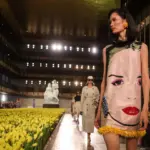
Social criticism, feminism, and humor were fundamental parts of Valie Export’s work, considered one of the great pioneers in Europe of performance, video art, and experimental cinema. Valie Export inspired numerous artists over decades, more recently the Spanish singer Rosalía.
“Valie Export is among the most important postwar artists. Since the late 1960s, she has been one of the most influential voices of the feminist avant-garde in Europe,” added the Vienna-based foundation. “The core of her work is the critical analysis of social perception and the normalization of the female body. In doing so, she boldly and uncompromisingly addresses intimate, taboo, or socially repressed content,” the statement concluded.
‘Valie’ was the diminutive of her name, Waltraud, and ‘Export’ was a reference to a popular cigarette brand, ‘Smart Export’. “Changing my name was an absolute necessity to oppose the rules, the father’s name, the husband’s name, to free myself from all these things. I conceived it as an act of rebellion,” she once explained in an interview.
In 2013, the Austrian Post issued a stamp with one of her iconic images: the artist, with a cigarette in her mouth, holding a tobacco pack bearing the name ‘Valie Export’. From the start of her career, Valie Export focused on exploring themes of gender, sexuality, and the social view of the female body. A pioneer in the use of audiovisual media, Valie Export was the only woman to be part of the so-called ‘Viennese Actionism’, alongside provocative artists like Otto Mühl, Günter Brus, or Hermann Nitsch. The Viennese Actionists experimented with new ways of creating art using their own bodies, and even their feces, in radical ‘performances’ aimed at denouncing the Viennese bourgeoisie of the time.
Read more Jon Rahm emerges with two brilliant shots at the start of the PGA Championship
One of her best-known works is Tapp und Tastkino (Touch and Tactile Cinema), a performance in which Export wore a box over her torso and invited passersby to put their hands inside to feel her breasts. With the work, she intended to criticize the objectification of the female body in the film industry.
Valie Export was one of the first artists to critically examine representations of women in the media. “I know sometimes I was a bit aggressive in what I did, but it was the way to generate a conversation and to be able to change things,” the artist explained on one occasion. In another of her subversive performances, in 1968, she walked through a cinema in the German city of Munich wearing jeans without a crotch that exposed her pubic hair while carrying a machine gun in her hand.
The artist intended to break with the stereotypes associated with women in cinema and redefine the female image. In another 1968 performance, ‘Aus der Mappe der Hundigkeit’ (From the Folder of Dogginess), the artist walked her then-partner, also an artist, Peter Weibel, on all fours as if he were a dog. On July 2, 1970, the artist tattooed in public in Frankfurt the drawing of a garter buckle as a critique of the sexualization of the female body.