







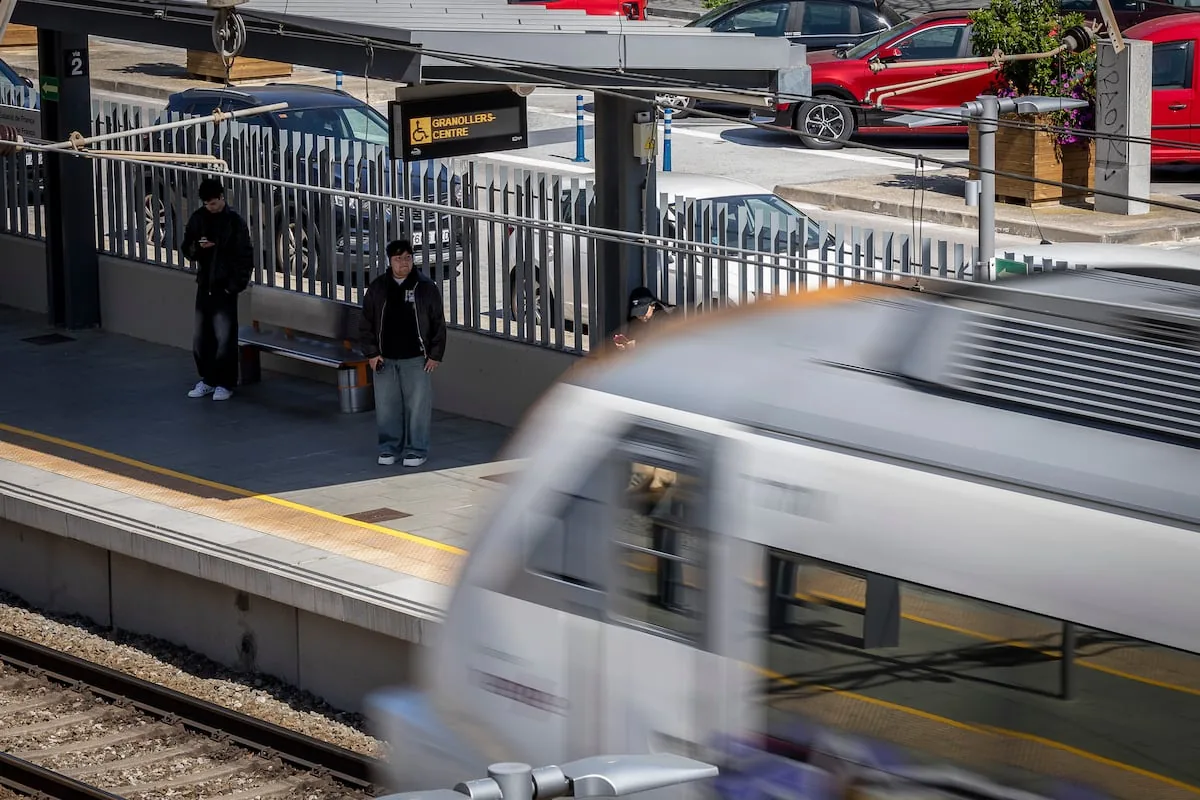
UGT and CCOO have called a strike in the Rodalies de Cataluña service for May 27 and June 5 to denounce the lack of staff and security on trains. In reality, they complain about the lack of ticket inspectors (formerly known as conductors) whose presence – the unions assure – adds an extra layer of security to railway transport.
Read more Man dies from gunshot wounds in Villanueva de la Serena, Badajoz
“Catalonia is the place with the most security problems in Spain. We are the most assaulted employees, the trains with the most vandalism… we even have the lines where the most suicides occur,” denounces Francisco Cárdenas, the UGT leader at Renfe Cataluña. The strikes will consist of partial stoppages from 3.00 to 6.00, from 6.00 to 9.00, and from 17.00 to 20.00.
The presentation of the call has been made this Friday and in the coming days, mediations will be held with the unions, the company, and the Generalitat to reach an agreement before the strike.
It so happens that SMAF, the majority union (which is exclusive to train drivers), has not yet joined the strike. The strikes that took place after the railway accidents in Adamuz and Gelida were called off after agreements were reached, which included the obligation for every medium-distance train to always have a ticket inspector. “In reality, every short, medium, or long-distance train should have its ticket inspector, but there are many missing. Furthermore, there have been personal mobility processes and promotions that have left us without ticket inspectors in Catalonia and without the company doing anything to increase the staff,” denounces Cárdenas.
Read more Petro replies to Díaz Ayuso: “Our Amerindian has existed for 60,000 years”
The UGT leader also warns that with the Rodalies crisis, both ticket sellers and ticket inspectors have lost part of their salary extras. Ticket sellers receive a percentage for each ticket they sell, and ticket inspectors for each fine. When in July 2022 the central government announced free Renfe passes due to the energy crisis, ticket sellers and ticket inspectors received a portion of the money they generated when tickets were paid. The problem is that the free service imposed after the Gelida accident on January 20 and until May 9 has not been accompanied by a supplement for these groups of workers. “It’s a small amount, 50 or 60 euros each month, but the company refuses to pay,” complains Cárdenas.
With all these demands and, if mediation does not succeed, Rodalies users will once again suffer the consequences of a new strike by railway company workers.
Read more Researchers identify among the victims of Pompeii a doctor who tried to escape with his tools