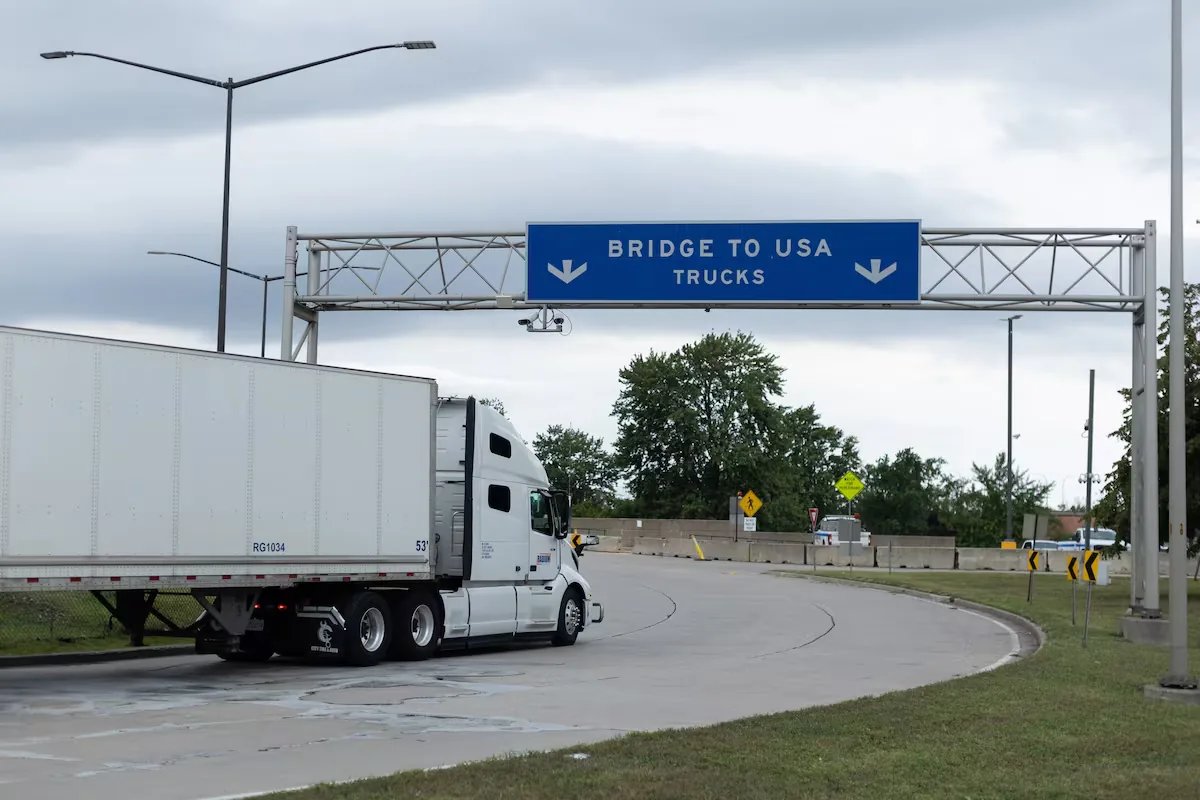
There are failures that surprise and failures that can be anticipated. The breakdown of trade negotiations between Canada and the United States, which occurred on the night of Friday, August 21, belongs to the second group. For weeks, but particularly in recent days, both governments fueled the expectation of an imminent agreement. Also, during those same weeks, we saw signs that this agreement rested on a foundation more fragile than mere narrative optimism. At midnight, with no agreement in sight, 50% tariffs came into effect on a range of Canadian exports valued at nearly 28 billion dollars.
Read more Video analysis | Investigate femicide
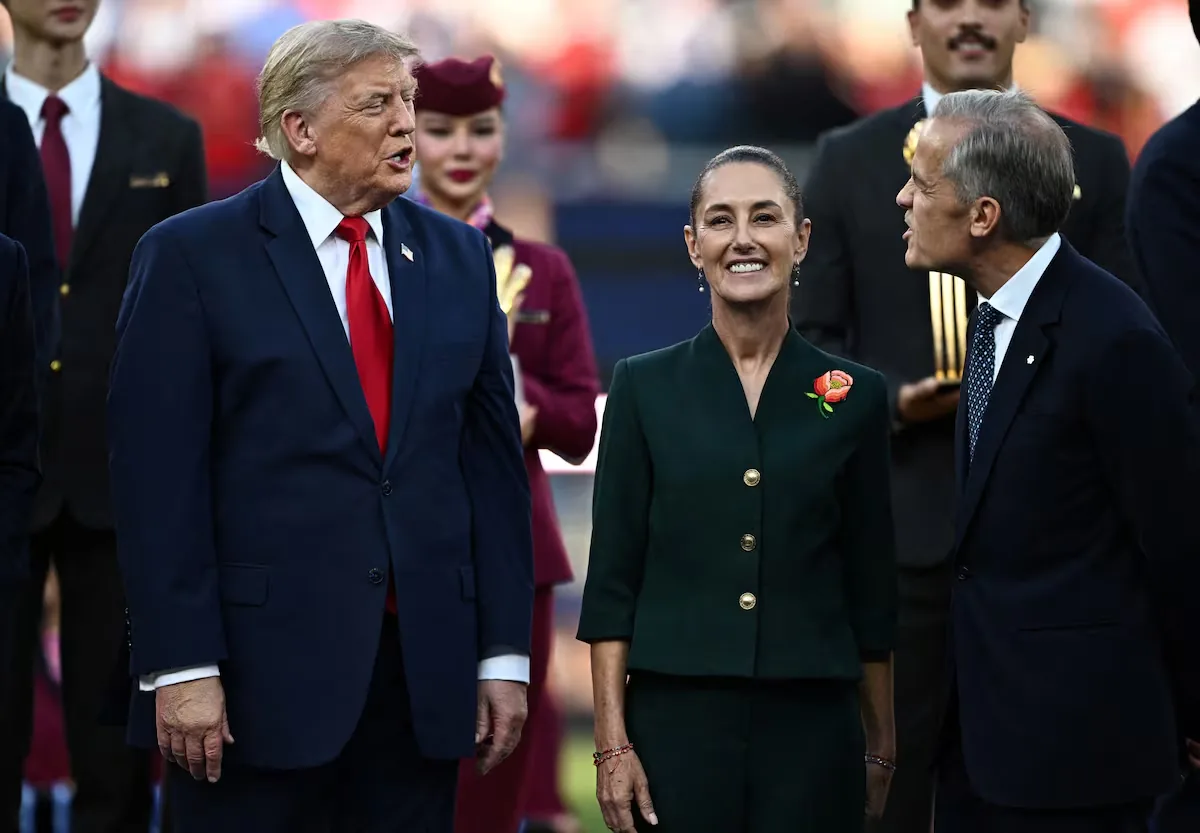
The sequence matters because it reveals more than just a punctual disagreement. In the statement issued by Canadian Prime Minister Carney, he attributes the breakdown to last-minute changes introduced by Washington, calling them contrary to economic logic and the good faith that must prevail in a negotiation. At the press conference, alongside Dominic LeBlanc, Minister of Trade, and Janice Charette, the chief negotiator was more specific. She described something that from the outside seems to have been observed for several months: a growing distance between the two countries that are beginning to behave more like competitors than partners.
Apparently, the United States tried, almost minutes before the close of talks, to limit tariff relief only to light vehicles, excluding medium and heavy trucks, restrict Canada’s ability to sign trade agreements with other countries, and touch on issues related to Canadian cultural protection. Carney summarized his decision as a deliberate rejection of what he called a bad deal and announced that they will seek to diversify their export markets.
Just a few hours before the breakdown, Trump seemed confident about reaching an agreement and had granted a tariff extension to give room to the negotiating teams. The reading in Washington was different. Jamieson Greer, the trade representative, blamed Canada for backing out of commitments reached days earlier despite the fact that, according to Greer, the United States had offered favorable conditions. We will not know who is right or who offers a version closer to reality. Both give partial versions of a tense negotiation. This is the third time in just over a year that the bilateral relationship breaks down with the same script: threat, rapprochement, optimism, demand, collapse, retaliation.
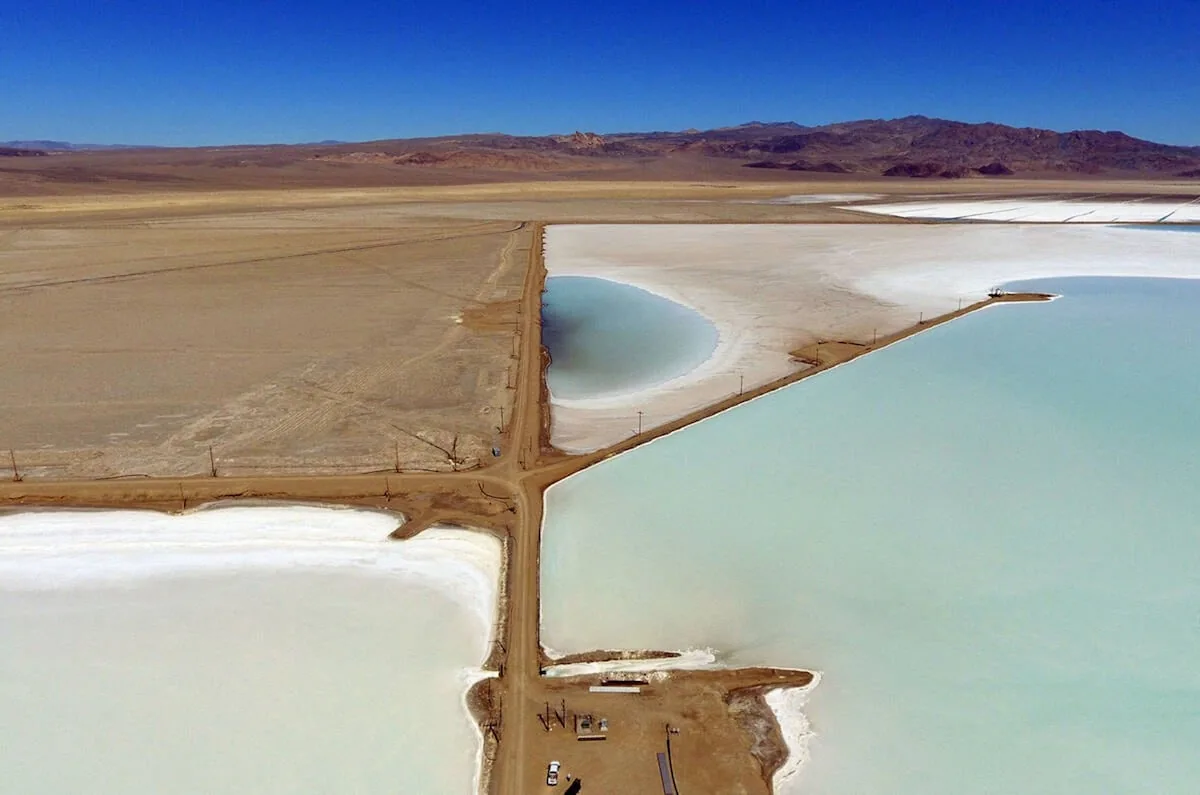
Canada had already matched tariffs on steel, aluminum, and wood imposed by Washington in violation of the USMCA. It now announced that retaliatory measures will be dollar for dollar and will take effect on September 8, targeting sectors such as steel, dairy, appliances, agricultural equipment, paper, and electronics. Excluded, by U.S. decision, are oil and critical minerals. Pragmatism—and energy dependence—weigh more than protectionism.
The U.S. products affected by the 50% tariffs already in place aim to hurt politically and not just commercially. Among them are tariffs on hockey sticks, fishing rods, clothing, wines, liquors, cement, furniture, dairy products, among many others.
Does this lack of agreement impact Mexico? Should we see what happened with Canada as a preview of what could happen in talks with Mexico? The next round of negotiations is coming soon; should Mexico be worried about what happened with Canada?
Read more Iran threatens to attack neighboring countries that join the United States’ economic war
Carney pointed out at another moment that Washington conditioned the resumption of talks on prior concessions, almost as an entry fee, before discussing the substance of the treaty. The pattern of negotiating under the threat of unilateral tariffs, reviewing commitments already reached, and shifting the ground toward sovereignty issues, such as culture, foreign policy, alliances with third parties, is the kind of behavior Mexico should anticipate at its own table.
However, the relationship with Mexico is different. Not only because of the less confrontational treatment the president has had with Trump, which has granted the country some leniency in form and reality, but because it must be considered that the path Mexico will take from now on may become even more complicated. Just observe what has happened in recent weeks in terms of security, with visas suspended and repudiated governors returning to power, to know that these conditions could be used to complicate or condition any conversation.
Furthermore, the solidity of a trade agreement with the United States is no longer measured by what is signed, but by the political willingness of the moment. Canada had been insisting for months that it was approaching the best negotiating position among the United States’ partners and yet saw that position evaporate in a matter of hours.
The review—or renegotiation now—of the USMCA is not merely a technical procedure; it is a high-risk political negotiation, in which Washington has shown an absolute willingness to use tariffs as a pressure instrument even against the signatory partners, invoking mechanisms—such as Section 338 of the Tariff Act of 1930, unprecedented since its enactment—that go beyond the original spirit of the treaty. That the United States has resorted to this tool against a neighbor with whom it maintained 376 billion dollars in trade during a semester, second only to Mexico, is not a minor detail for those calculating the cost of Mexico’s stance in its own review.
Despite this, Mexico’s productive integration with the United States is deeper and less replaceable. That does not guarantee immunity, but it does suggest that the United States’ calculations are different regarding Mexico than regarding Canada.
What is clear, after this failed round, is that the Trump Administration has normalized a negotiation style in which threat prevails and in which it treats existing agreements as if they were optional rather than binding. For a country that depends largely on the legal certainty of its trade agreement, that lesson deserves more attention than it has received so far. The question is not whether Mexico will manage to avoid similar frictions, but the margin of maneuver it has.
Read more A Chinese robot breaks Usain Bolt’s world record in the 100 meters