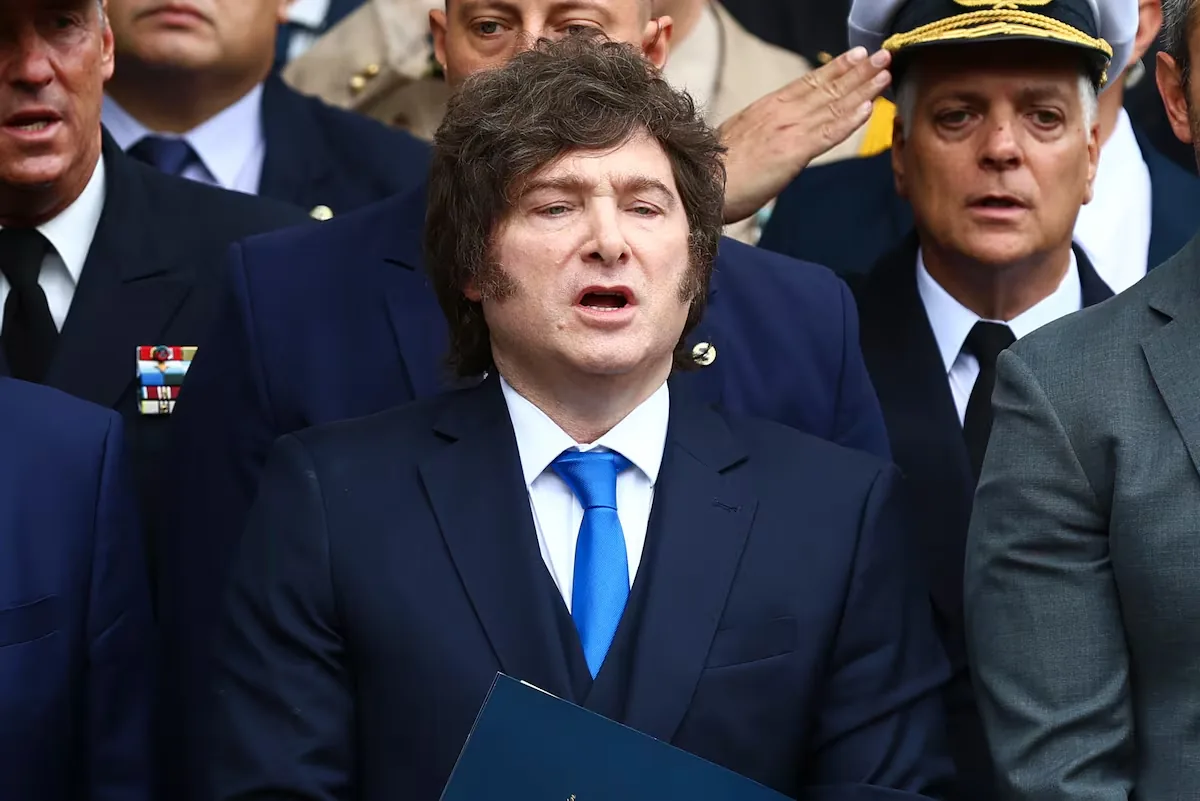








Javier Milei boasts of having made “the biggest adjustment in the history of humanity” and, yet, it’s not enough. Argentina’s libertarian government’s main objective is to preserve the primary surplus, but maintaining that positive balance becomes increasingly difficult because, although public spending continues to fall, so do revenues. Tax collection has been deteriorating for months due to the decline in activity in sectors most linked to domestic consumption. For the ultra’s model to be sustained, a little more chainsaw is always needed.
Read more Enjoy a free movie now (and effortlessly) on Rakuten TV, courtesy of Microsoft Rewards
The tension was exposed in June, when for the first time the Government failed to meet the fiscal target committed to the International Monetary Fund (IMF), which closely monitors the country that owes it the most money in the world. In the first half of the year, it accumulated a primary surplus of about 4.9 billion dollars (equivalent to 0.55% of the national GDP), below the approximately 5.3 billion dollars foreseen in the program agreed with the organization. The deviation obliges the Executive to compensate for it during the second half of the year to respect the program agreed with the organization, which quarterly reviews compliance with fiscal, monetary, and reserve targets.
The problem is that a good part of the adjustment has already been made. After the big cut of 2024, which is drawn in the graphs as the beginning of a very deep valley, public spending continued to shrink. Today it is below 2024 levels and in the first half of 2026 it fell 2.3% in real terms compared to the same period of the previous year, driven mainly by the collapse of public works, the reduction of discretionary transfers to the provinces, and lower capital expenditure. According to estimates from the Congressional Budget Office, national primary spending is at one of its lowest levels in the last two decades in relation to GDP.
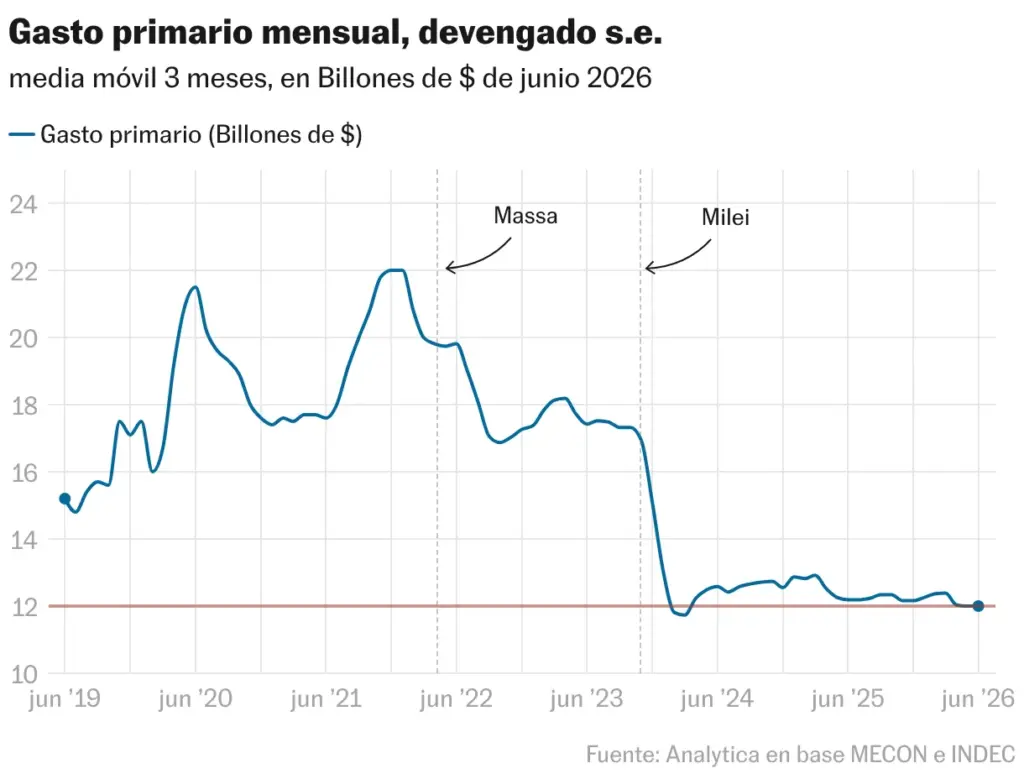
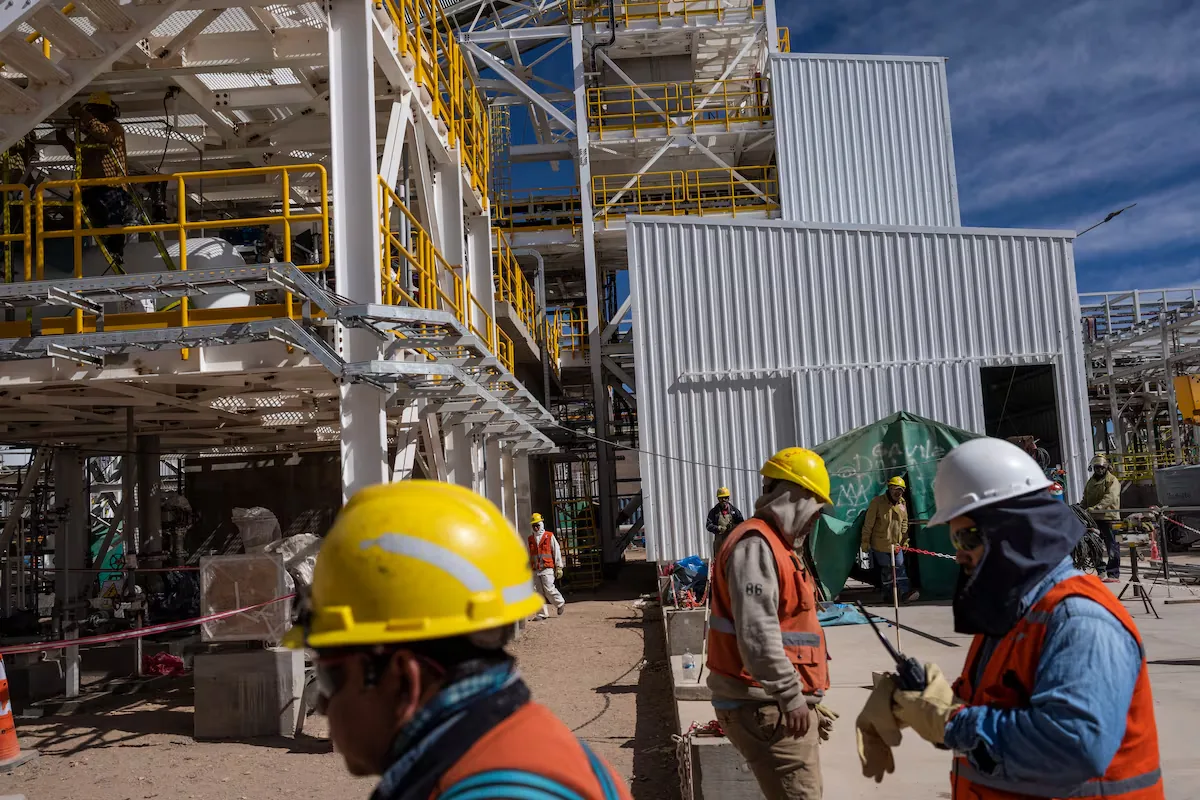
But revenue is falling faster. This has an explanation in the current economic dynamic, in which GDP grows but is driven by sectors with limited capacity to boost the rest of the economy and with less impact on taxes associated with domestic consumption. The expansion is led by hydrocarbons, mining, agriculture, and some services related to financial intermediation, while a large part of manufacturing industry, trade, and other activities oriented towards the domestic market continue to show a much weaker performance.
This composition of growth has direct consequences for public accounts. Taxes most linked to domestic demand have been showing real declines or a marked slowdown. Trade and industry, for example, account for about half of VAT and income tax collection, but they remain two of the sectors most affected since the adjustment program began.
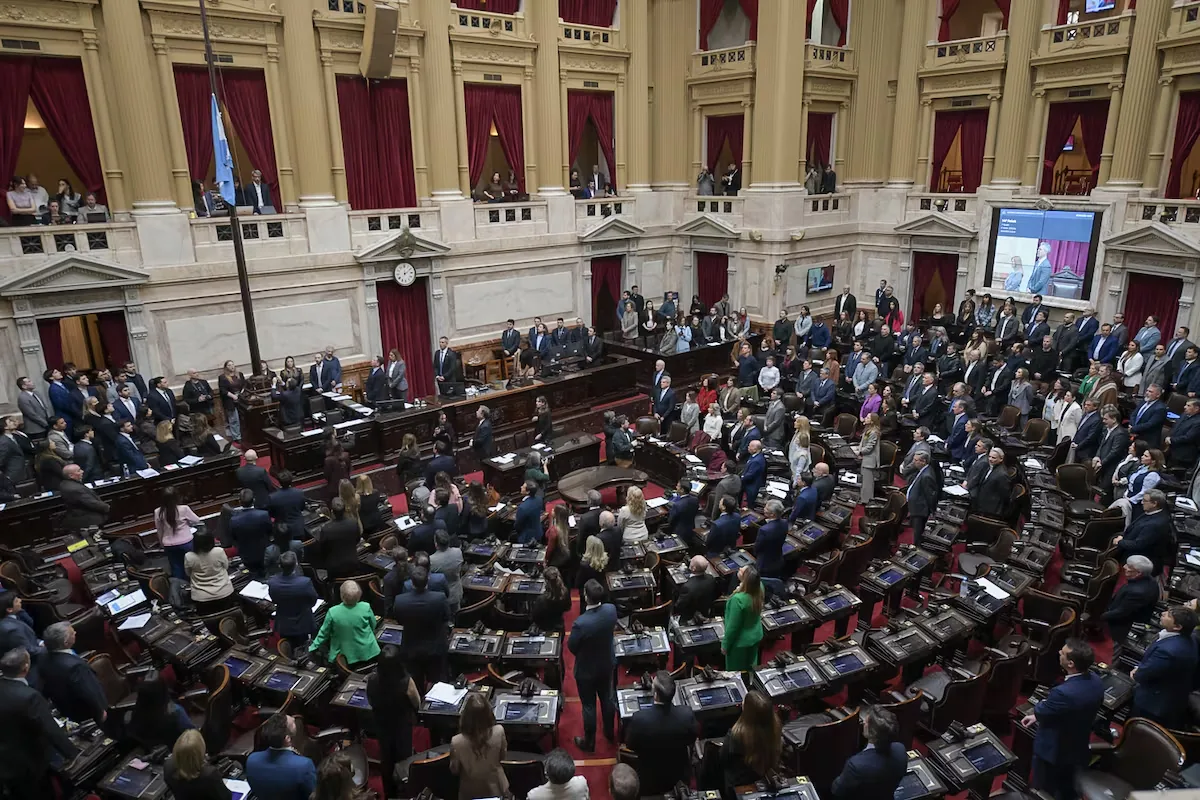
Energy subsidies, which increased this year, may be the item the Government tries to cut to compensate for lost revenue. “It is a measure that is logical in fiscal terms, but it brings the problem of deepening the loss of disposable income for families and increasing costs for businesses,” points out economist Claudio Caprarulo, director of the Analytica consultancy. The ruling party is pushing a bill in Congress to reverse the 2021 expansion of areas of the country considered “cold zones,” which receive greater compensation on their bills due to their climatic conditions.
Read more It looks like a designer lamp, but it’s the fan that’s sweeping this summer
In the Government’s roadmap, the improvement of public revenues will come as a consequence of economic growth. “The promise was that lower taxes and greater labor market flexibility would generate an increase in formality and, with that, in collection. It was a hypothesis that Mauricio Macri had also put forward during his government, but today we are not seeing it,” says Caprarulo.
One option to increase revenue that governments have historically resorted to is to create new taxes, either on flows or on wealth, something that would go against the libertarian Government’s program. Instead, it does seek an injection of income through capital amnesty, by promoting an expansion of the already existing “fiscal innocence” regime. If the reform sent to Congress by the Ministry of Economy is approved, there will no longer be an economic limit to adhere to the regime and have the possibility of declaring informal assets without suffering penalties. Any individual or undivided society will be able to do so without income or wealth limits, as will political officials and their relatives.
“In the short term, it will be difficult for the scenario of falling revenue to reverse if the level of activity does not improve,” assures Matías Rajnerman, chief economist of the Bank of the Province of Buenos Aires. “And there appears a dog-chasing-its-tail dynamic: for the economy to reactivate, real wages must grow, employment must increase, credit must expand, or public spending must increase. But precisely the deterioration of revenue forces spending to be kept very contained and makes it difficult for any of those engines to start.”
Is this the usual limit that this type of model encounters? Analysts believe not necessarily. “Theoretically, one could have a very pro-market and pro-export model like the one Milei proposes and yet be able to have a bit of a deficit; most countries operate with some level of fiscal deficit because they can finance it,” points out Caprarulo, and adds: “The Argentine problem is that, after years of macroeconomic instability, the State has practically lost access to credit and it is very difficult to finance any deficit.”
For Rajnerman, the limit is not necessarily economic but social: how much adjustment a society tolerates. “The usual limit encountered by this type of regressive model with falling or stagnant domestic demand is more linked to how much people support that policy, rather than with revenue collection. To find an example in recent history: the Argentine economy exploded on December 19, 2001, but it could have exploded earlier or later and, to put it badly, not because of a macro problem, but because people got fed up with the consequences of that scheme.” Thus, the current risk is not only economic but also political. Resolving this crossroads will be key for Javier Milei, who has already announced that next year he will seek re-election at the polls.
Read more Abelardo de la Espriella changes Popayán for Cali as the setting for his presidential inauguration