Before there were beach apartments, country houses, or large resorts with pools and 24-hour buffets, the Romans were already fleeing the city and the heat of the capital to spend the summer in the Gulf of Naples. Pompeii, Herculaneum, and Baiae were the Hamptons of ancient Rome: villas where the elite retreated to read, bathe, and receive guests amid grand banquets. Cicero, who owned several properties in the area, called that bay cratera illum delicatum, “the vessel of all delights.” Augustus bought the island of Capri to rest, and Tiberius even ruled the empire from there for a few years. The discovery of Pompeii in 1748 allowed for the first time an understanding of how patricians lived when they left Rome. The Pompeiian villae were houses with a rural spirit, with central courtyards and orchards; the perfect example that the culture of the second home is not a modern invention.
Read more The shadow of the United States stretches over southern Greenland: “We are going to lose our homes”
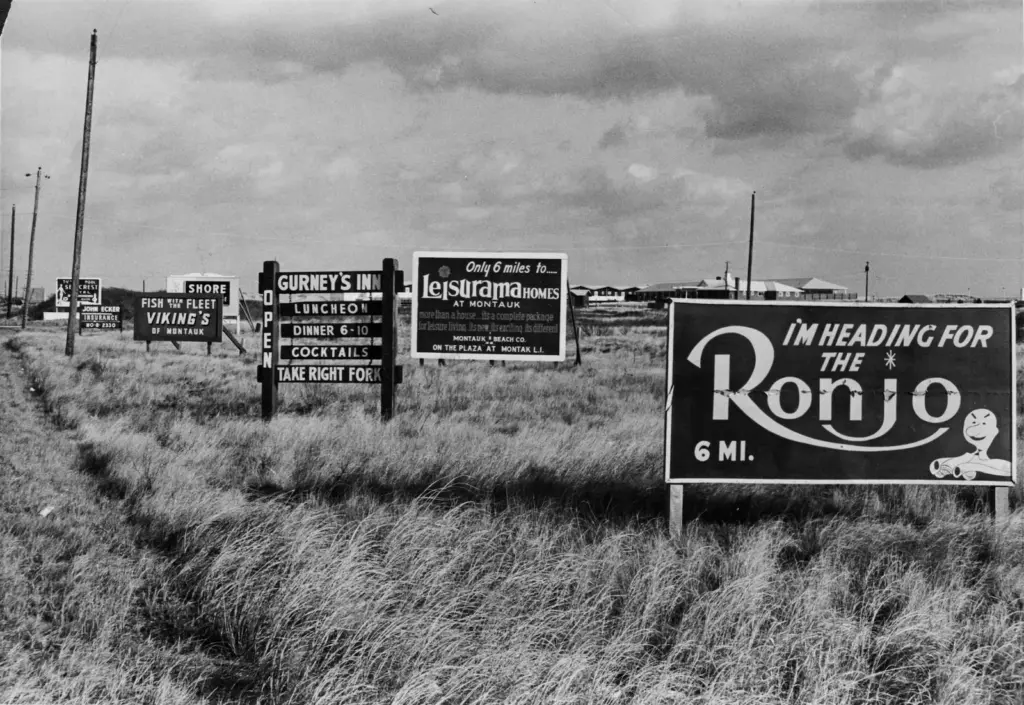
If the Romans planted the idea, it was the United States that packaged it and put a retail price on it. In 1959, the Eisenhower administration commissioned architect Andrew Geller to oversee the design of the typical American house for the American National Exhibition in Moscow, the exhibition with which the US wanted to show the Soviet Union how an average American family lived. The success of this exhibit reached Macy’s, which in 1964 bought the patent and launched the iconic Leisurama Homes: houses from 60 to 100 square meters, single-story and fully equipped (furniture, dishes, even toilet paper), which included the plot and were sold inside department stores for $13,000 at the time (about 120,000 euros today).
That was not the end of it. The fever to disconnect from the city moved to nature, cementing the term , popularized by the Douglas Fir Plywood Association lumber company. They exploited land in the forest, near lakes, with the aesthetic of A-frame cabins. It was at that moment, in the golden age of the 20th century, that the second home ceased to be for a few and became a consumer product accessible to all.
The dream of the Spanish working class
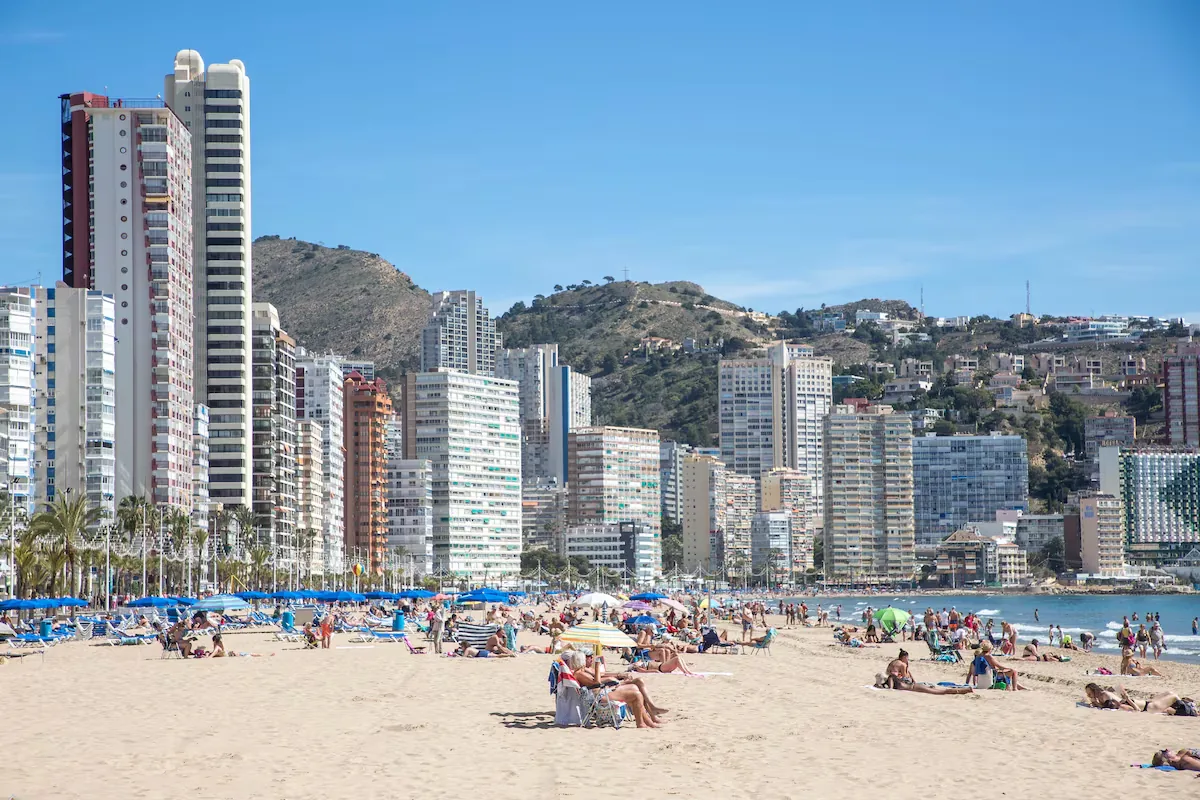
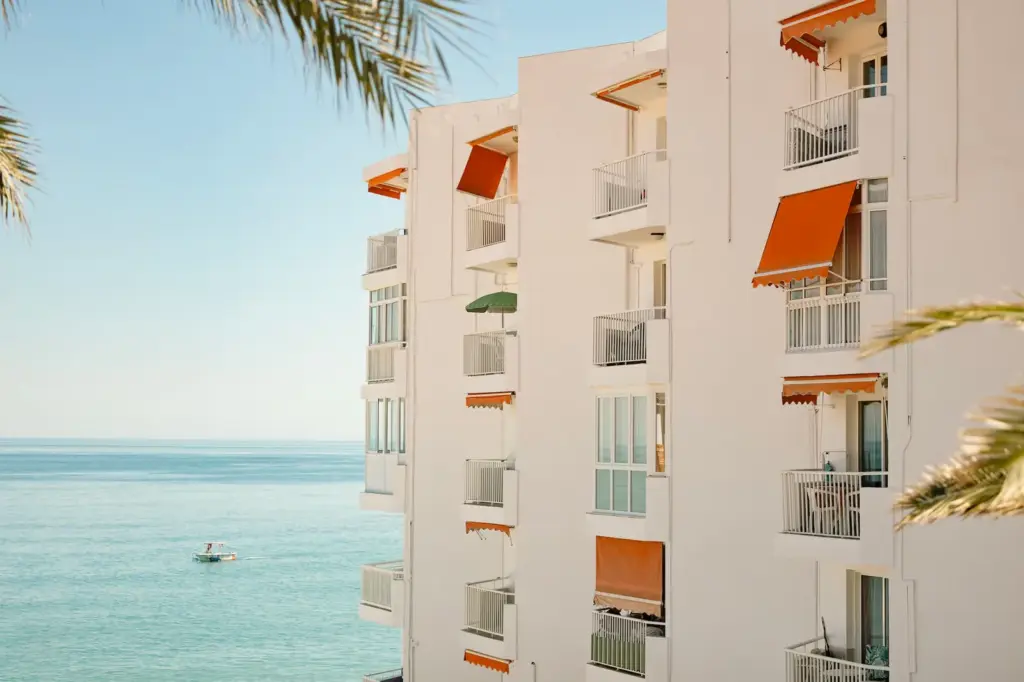
There is an image that sums up very well what the 1960s were like in Spain: that Seat 600 or Renault 8 loaded to the brim, lined up on national roads heading to the coast. Those Sunday drivers whom the RAE dictionary mercilessly defines as those who only go out to have fun on Sundays and holidays. The beach, which had been the workplace for fishermen and local domain, became the sentimental destination of an entire country. And from going to the beach one Sunday to wanting to stay there all August was just one step. The boom of vacation homes in Spain had its epicenter in those years, and it was when the National Institute of Statistics used the term “second residence” for the first time to refer to seasonal-use homes, according to a study published in the magazine Paralelo 37º in 1989. The apartment towers that began to grow on the Malaga coast, in Torrevieja or Benidorm, were the symbol of a new middle-class family that wanted to disconnect from the growing hostility of the city.
That was such a powerful symbol that national entertainment itself turned it into one of the most remembered prizes in television history. In the mid-seventies, the program Un, dos, tres… responda otra vez by Chicho Ibáñez Serrador helped give fame and prestige to Torrevieja because its grand prize was precisely an apartment in the Alicante town. You had to reach the final round to discover what the card hid, the one that, with luck, announced that apartment. The contest worked for years as the biggest showcase of coastal residential tourism Spain has ever had.
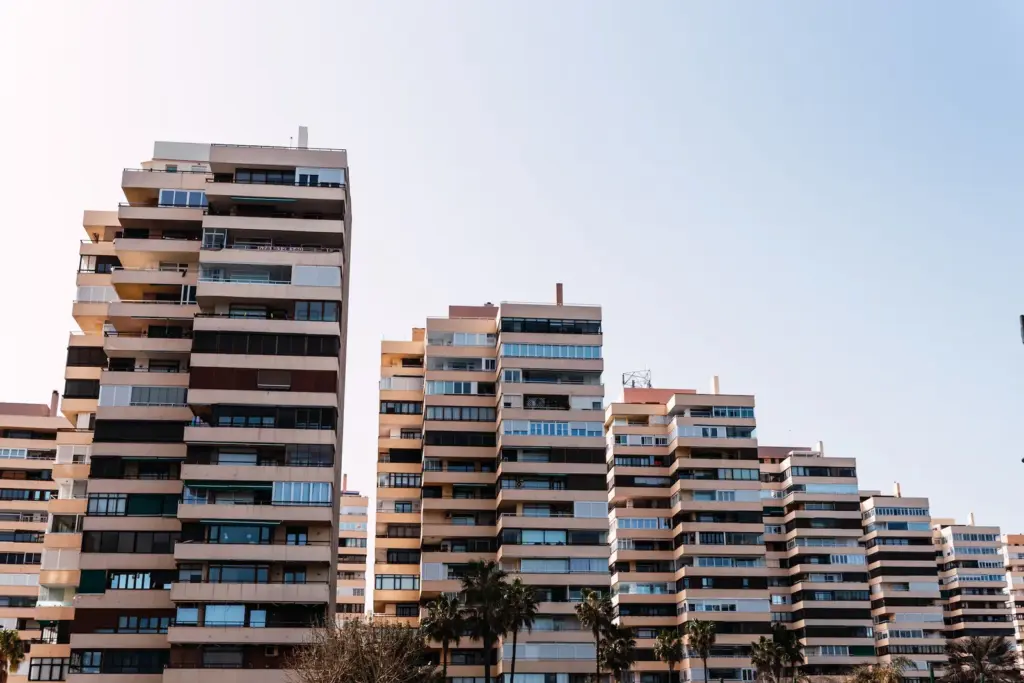
Behind its success was the developer of the Las Torretas residential complex, which turned to TVE to boost its sales by offering “an apartment in Torrevieja” and, at the same time, promote the urbanization and the city. The homes were modest, bungalows of barely 50 square meters with a couple of bedrooms, kitchen, bathroom, and a small interior patio, but the message quickly resonated with viewers. What until then only wealthy families had allowed themselves was now within reach of anyone who answered a question well during prime time. Four decades later, the paved streets have disappeared, not a single winner of the contest remains in the neighborhood, and the value of the bungalows has plummeted to a quarter.
The Spanish second home of the sixties and seventies was not just a real estate operation; it was a social status marker. Having a house outside meant having climbed the social elevator that developmentalism promised to a generation coming from the postwar period and that measured progress in possessions like the car, the fridge, the television, and, at the top of that ladder, the beach apartment.
The culmination of all that came at the end of the nineties, when the dream ceased to be an apartment in Torrevieja and became an entire city. Marina d’Or, conceived by Jesús Ger, a mattress and appliance salesman, began to be built over a town in Castellón, Oropesa del Mar, which in 1983 barely had 2,000 inhabitants. The first hotel opened in April 1997 and, between 2000 and 2007, the complex grew to 12,000 homes and five hotels, with artificial beaches of sand brought from other areas, lakes, parks with exotic animals, and the largest marine water spa in Europe. Its slogan, “Marina d’Or, holiday city, how can I help you?” entered every Spanish living room through advertisements.
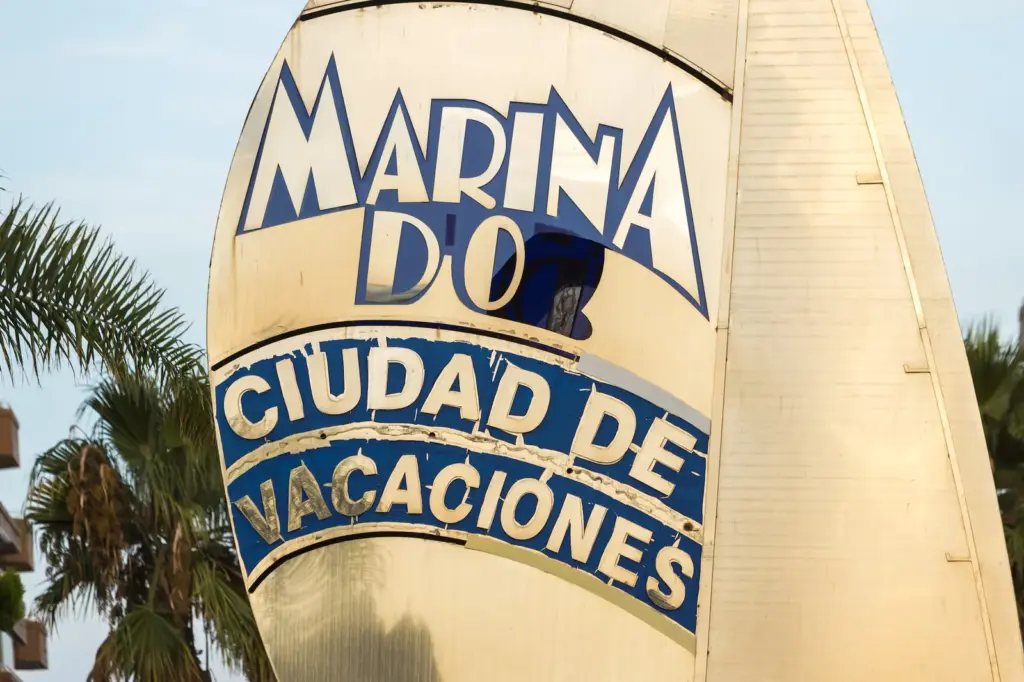
Just as two decades earlier television had sold Torrevieja, it now again became the vehicle of aspiration, only this time there was nothing to win. It was enough to sign a mortgage at the peak of the real estate bubble. Its splendor coincided with the absolute majorities of the PP in the Valencian Community and with urban planning laws that favored this type of project (Ecologists in Action described the complex as a very aggressive urbanization with the landscape). Then came 2008. Sales fell by 60%, the construction company went into bankruptcy, and in 2019 an investment fund took 99% of the group, assuming 125 million in debt. The complex closed its doors in September 2023.
Read more Silicosis cases are increasing and Labor multiplies fines to companies by five: «I can’t breathe»
Natalia Vera, architect and founding partner of OSH Arquitectos, sums it up like this: “A good part of the Mediterranean tourist development during the fifties, sixties, and seventies was born with the intention of bringing rest and vacations closer to broad layers of the population. Over time, real estate pressure, the increase in land value, and the transformation of the tourist market made many of those places end up becoming investment assets, making access more expensive for the local population and for those who originally could afford them.” Architecture, she adds, “by itself, cannot guarantee a certain social model.”
The most interesting example of that democratization is not on the Mediterranean coast but in Asturias. The holiday city Perlora, inaugurated on July 1, 1954, 15 kilometers from Gijón by the Trade Union Organization of Education and Rest, came to host up to 2,000 mining and steelworkers from companies like Ensidesa or Hunosa in 15-day shifts, in almost 300 chalets facing the Cantabrian Sea. It was known as “the Asturian Marina d’Or.” Closed in 2006 due to lack of funds, today its empty streets and ruined chalets are the antithesis of that promise, and a destination for the curious and tourists.
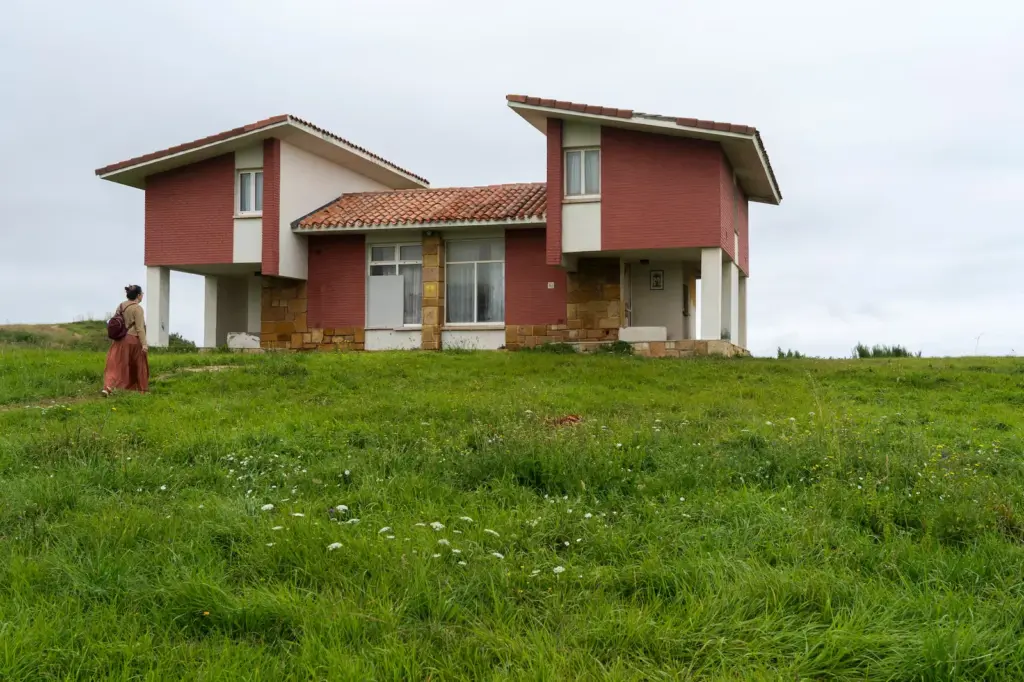
For Lara Lesmes, co-founder of the Space Popular studio, researcher and professor at the Architectural Association in London and UCLA, it is the urbanization that marked a before and after in the culture of the second home. As a child, she spent half the summer in her paternal grandparents’ village, Santibáñez de Tera, in Zamora, and the other half in the summer apartment of her other grandparents in Salinas, Asturias. “Like Cicero, my grandmother moved half an hour from her main residence in Oviedo,” she says. Over the years, while apartments were being built in Salinas, the adobe houses of Santibáñez “dissolved like soap bars.” This imbalance, she explains, was fueled by the brick economy that supported much of Spanish economic development in the second half of the 20th century, and Perlora is, for her, a perfect example of how that desire was cultivated in the working class.
Lesmes calls this the “metropolitan pastoral”: an image of the countryside composed from the city, for the city, that turns the rural into a resource—whether coal, water, or investment—and forces us to interpret the role of that fantasy of calm and balance that the metropolis itself has written. Her diagnosis of the present is uncomfortable: Airbnb, she says, “has managed to encompass everything and create a completely uniform experience of the countryside and the city, eliminating any trace of locality in the name of the comfort of the familiar.” Teleworking, she adds, has only awakened new pastoral dreams that park SUVs double-parked on winter weekends, while the rest of the year the village remains empty: going from inhabiting a place to “being part of a set where the spectacle of seasonal gentrification is staged.”
The Spanish residential stock exceeded 27 million homes for the first time in 2024, according to the Ministry of Housing and Urban Agenda; of these, 7.72 million are non-primary residences, 29% of the total. But while primary housing grew by more than 112,000 units that year, second homes fell by nearly 10,000. At the same time, prices have not stopped rising. At the end of 2025, the average value of a home reached 2,230 euros per square meter. On the other hand, the INE Housing Price Index marked an annual variation of 12.9% in the first quarter of 2026, with second-hand housing rising 13.5%.
There are fewer and fewer second homes and they cost more and more. The buyer profile itself confirms this. “Fifteen or twenty years ago, it was relatively common for a middle-class family to aspire to have a second home, often inherited or bought with an affordable effort. Today that client is much less frequent,” says Natalia Vera; instead, “clients with high economic capacity who also see it as a patrimonial asset” predominate, as well as international buyers and professionals who telework for long periods. “Housing prices have grown much faster than wages,” summarizes the architect, “and that makes having a second home once again, in many cases, a privilege reserved for those with greater economic capacity or previous wealth.”
Cicero and his bay of delights are once again relevant and describe the present better than any brochure from the sixties. It is a reminder that accessing a vacation home—or a home in general—has become an unattainable dream for new generations, who look back nostalgically at those summers on the beach, now a privilege for a few.