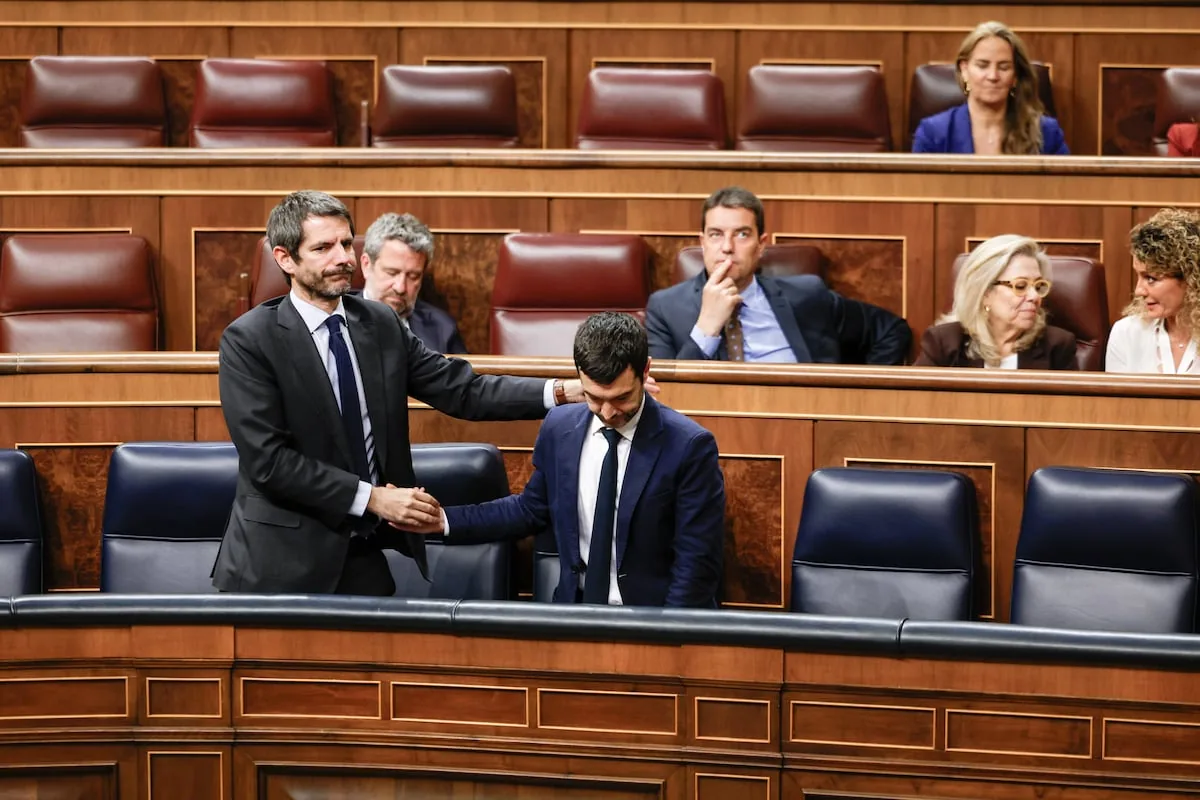









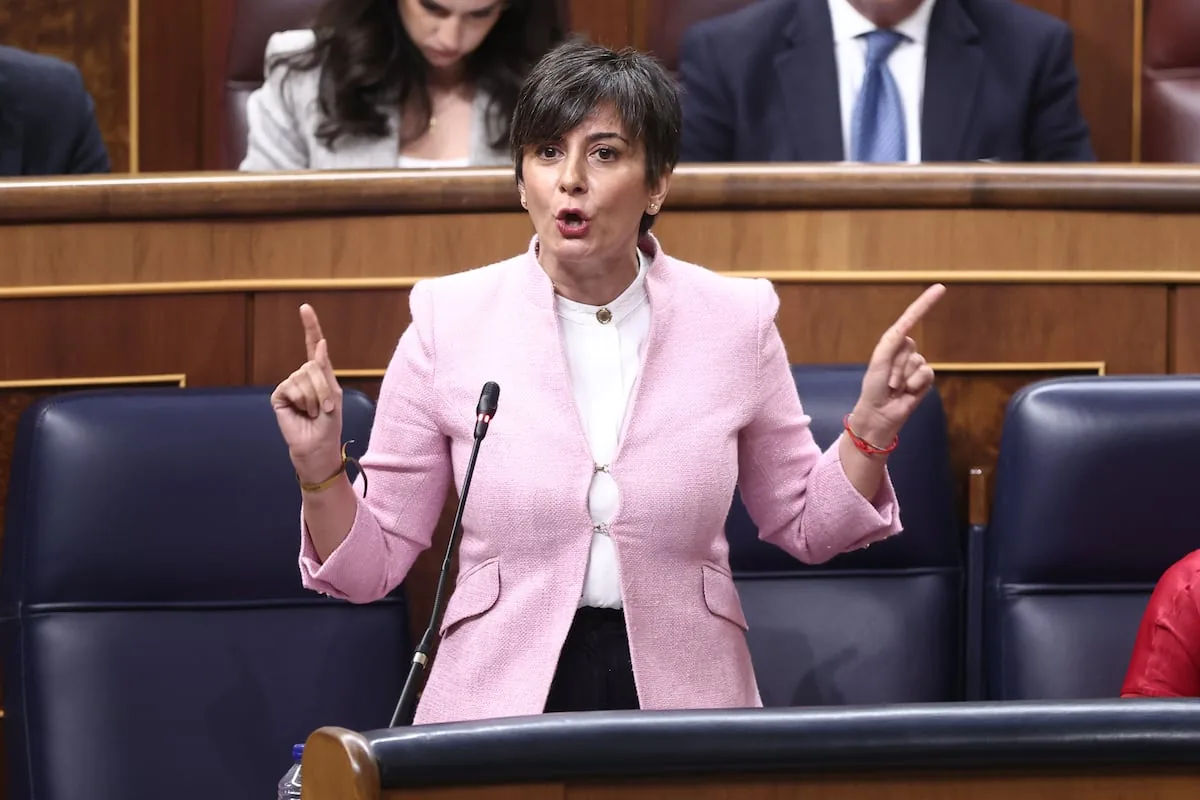
The Ministry of Housing is studying bringing an initiative to the Congress of Deputies to regulate the sector of the so-called “social housing providers,” mainly made up of non-profit organizations that are very developed in other European countries and are almost exclusively dedicated to the promotion and management of public housing. Already in the final stretch of the legislature, the department led by Isabel Rodríguez is considering a bill that defines these entities and makes them eligible for tax advantages and public aid. “We have to work on a proposal that provides legal certainty and financing capacity to build social and affordable housing and scale the model,” said the Secretary of State for Housing and Urban Agenda, David Lucas, at a conference organized by the Coordinator of Social Housing Foundations of Catalonia (Cohabitac).
Read more Peridis: he doesn’t see, he doesn’t know, he doesn’t answer
The Alliance for Affordable and Social Housing (ALIVAS) submitted a proposal to regulate the sector in Spain to the ministry last February. This entity is made up of the so-called “social housing providers” in Spain: Provivienda, Eguzkilore, and the 19 foundations that make up Cohabitac. Although there is not the same tradition as in other European countries – which have the so-called housing associations — in Catalonia these entities do have significant weight by managing around 10% of the community’s housing stock. “Spain has a historic deficit of figures related to social rental housing. And the non-profit sector is also not part of the country’s tradition. We must have a deep debate on how to approach the European model, and so far our proposal has been well received by the ministry,” said the president of Cohabitac, Carme Trilla.
At the event, Lucas confirmed that the Ministry is working on formulating a “solid” proposal to regulate this sector and allow it to grow, so that in the future it can be “the main recipient of funds when building social housing.” “It has to be viable and feasible in its approval,” said Lucas, who recalled the complexity involved in getting it through. First, because it contains tax measures to contribute to the sector’s development. And second, because it requires a complex parliamentary majority, especially in the final stretch of the legislature. “We need this proposal to have solid support,” he reminded.
Read more El Roto: a strange feeling
Social promoters understand that the sector needs capital to advance public housing, especially rental. However, they have pointed out that, although these apartments do not provide immediate profit, they do offer a long-term return, also thanks to public aid. Therefore, they have urged the Administration to consider the importance of who holds ownership of the housing stock and what will be done with the capital gains generated over time. “If ownership belongs to foreign funds, in the end we will be a poorer country,” said Eduardo Gutiérrez, president of ALIVAS.
The proposal from these entities, therefore, limits the definition of “social housing provider” to Third Sector actors, non-profit foundations, cooperatives, public business entities or those participated in by the Administration, societies of common interest, housing associations, and limited-profit companies. In this regard, they request that the main activity of these entities – 80% of the business — be protected housing and that only 30% of the profits can be distributed to reinvest the rest. Among the measures they request – and here lies part of the crux, according to sector sources — is advantageous taxation: 0% corporate tax and 4% VAT, among other things, to improve the profitability of the business in the first years of managing social housing.
Read more Violence against women as a litmus test for contemporary democracies