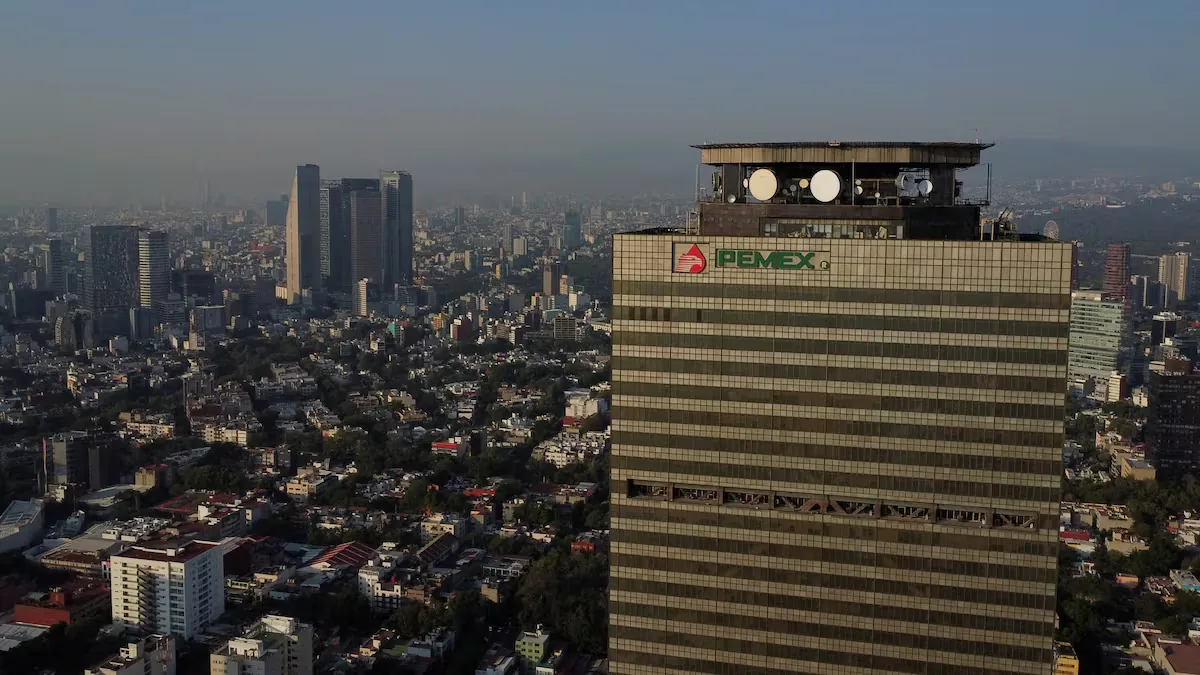
The dream of financial self-sufficiency for the Mexican oil company, Pemex, will have to wait. The Government of Claudia Sheinbaum plans to inject a new lifeline of 81.1 billion dollars into the state-owned company, of which 4.8 billion dollars will be allocated next year. According to the Executive, these resources will be used to pay off amortizations of its debt and previous bank loans. Although this support was reduced by 69% compared to the direct transfers of 2026, with this decision the Administration admits that Pemex still requires central support to meet its debt commitments.
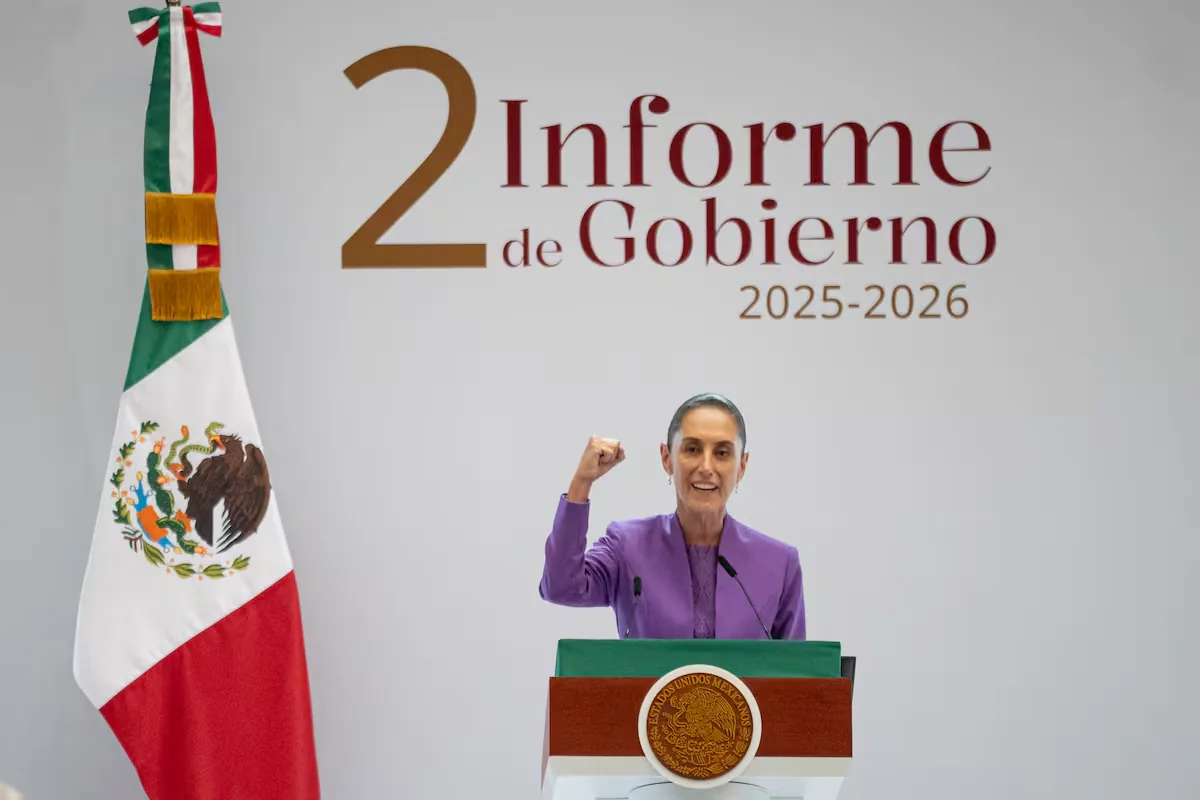
In 2026, during the presentation of that year’s budgets, President Sheinbaum declared without hesitation: “By 2027, Pemex will not need support from the Ministry of Finance. Thanks to all the work done by the Ministry of Finance, Pemex stands on its own,” she said. A year later, the president softened her stance and downplayed the upcoming budget line for the oil company: “We said that in 2027 the support to Pemex would be very small. Well, that’s how it is, just as we mentioned,” she concluded.
In the 2027 Economic Package, the Sheinbaum Government foresees a financial surplus of 95.1 billion pesos for Pemex, supported by the transfer that the federal Government will make to the oil company. Without this lifeline, the surplus would be barely about 14 billion pesos. Next year’s support is conditional on the oil company reporting an equivalent improvement in its financial balance.
Despite this unfulfilled promise, the Secretary of Finance, Édgar Amador Zamora, assured that Pemex is on the right path to achieve budgetary self-sufficiency. “The budget line aims to address the company’s financial maturities and the fact that it is being reduced indicates that we are on the right path towards Pemex’s financial and operational sustainability,” the federal official said at a press conference. This year, the oil company received more than 269 billion pesos from the Ministry of Finance.
Read more César Rodríguez Garavito: “An AI with rights can lead to catastrophic results”
The Executive’s proposal, which still needs to be debated in Congress, foresees a total budget for Pemex of 527.121 billion pesos, which would translate into an annual cut of 1.3% in real terms due to the effect of inflation. However, this reduction will be offset by direct transfers.
Since the beginning of this Government, the financial rescue of the Mexican state-owned company has been a priority. The Executive has implemented, through various means, a significant financial rescue that includes various tools, from the issuance of precapitalized notes to bond buybacks. If in the previous six-year term the state company received capitalizations of more than one trillion pesos and tax exemptions, now the Sheinbaum Administration has opted for a more institutional rescue plan tied to the oil company’s results.
For experts, there is still much to be done for Pemex to return to the path of growth. In addition to the large financial debt and debts with suppliers, the state company faces a production decline of around 1.6 million barrels per day, far from the six-year goal of reaching 1.8 million barrels per day. “Pemex continues to depend on federal transfers to pay its debt, its own revenues are falling, production is not improving, and the company maintains liabilities and structural costs that it cannot cover with its operations. Without Government support, the projected surplus for 2027 practically disappears,” says energy expert Ramsés Pech.
Read more Low financial literacy in Colombia, a barrier to boosting personal finance with AI