







EL PAÍS offers the América Futura section openly for its daily and global informative contribution on sustainable development. If you want to support our journalism, subscribe here.
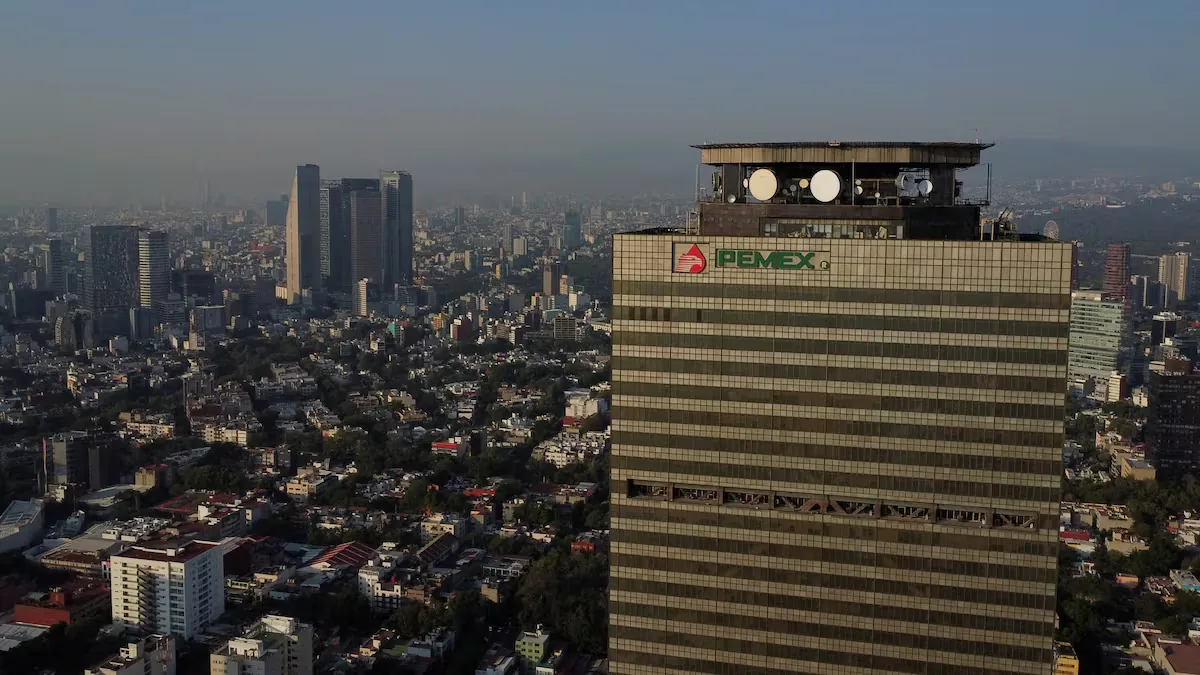
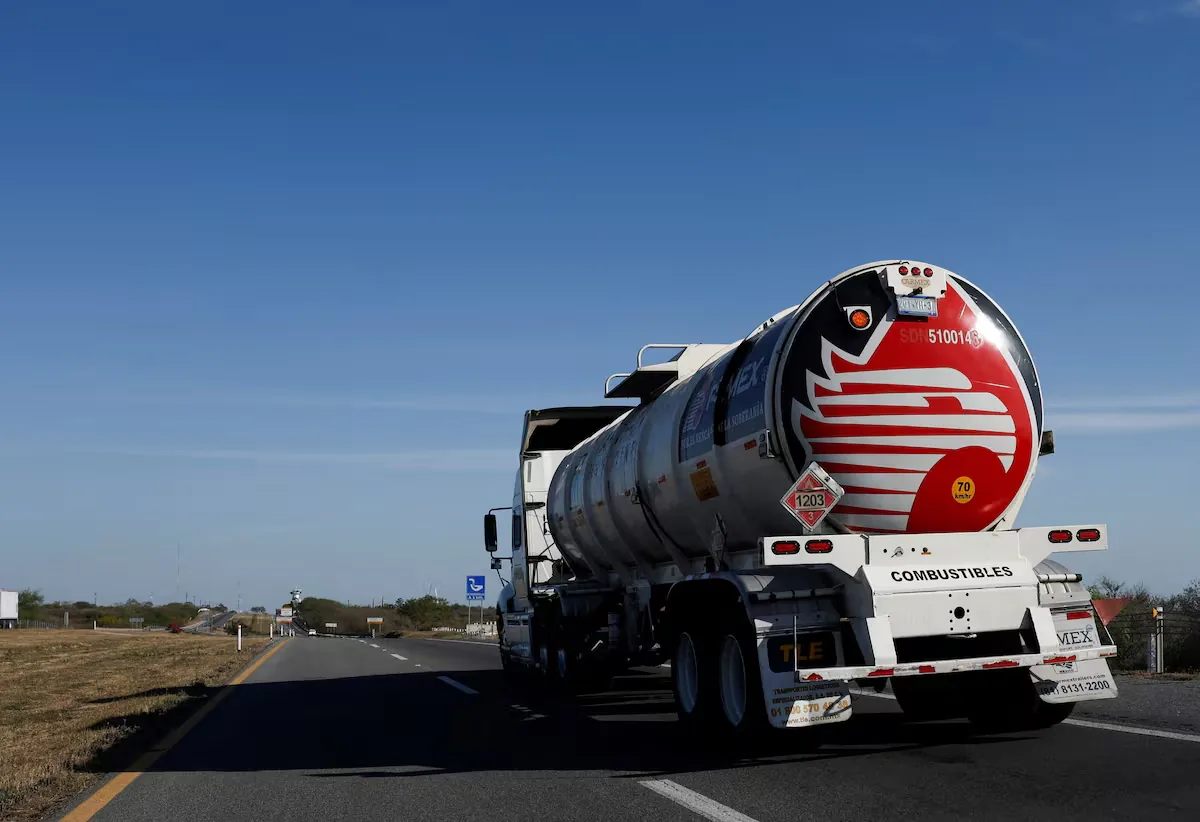
Hydrocarbon spills on Mexican soils and seas occur more frequently each year. President Claudia Sheinbaum’s mandate has been no exception. From the start of her six-year term in October 2024 until March 2026, Petróleos Mexicanos (Pemex) recorded a total of 1,490 spills and leaks. This is 56% more than the incidents reported by the administration of former president Andrés Manuel López Obrador in the first year and a half of his term. Although Pemex’s 2025 Sustainability Report has not yet been published, the information obtained through the request made by EL PAÍS indicates that this was one of the most critical years in the last decade, reaching 1,015 spills, according to the Emergency Control and Attention Center of the Subdirectorate of Services and Asset Management of the agency.
Most were caused by the activities of the Exploration and Extraction Directorate, and their main cause is the “industrial” category, which refers to those originating from processes and failures resulting from oil activity. The record does not count spills generated by illegal taps, but vandalism acts, such as fuel theft and damage to facilities, are the second most documented reason.
It is important to note that, although Pemex reports the date and location of operational incidents, most of the time it does not have other information such as the type of hydrocarbon, quantity, and affected area. In other cases, the record is made without specific details. For example, to define the type of spilled contaminant, general categories such as water-oil, gas, or hydrocarbons are used.
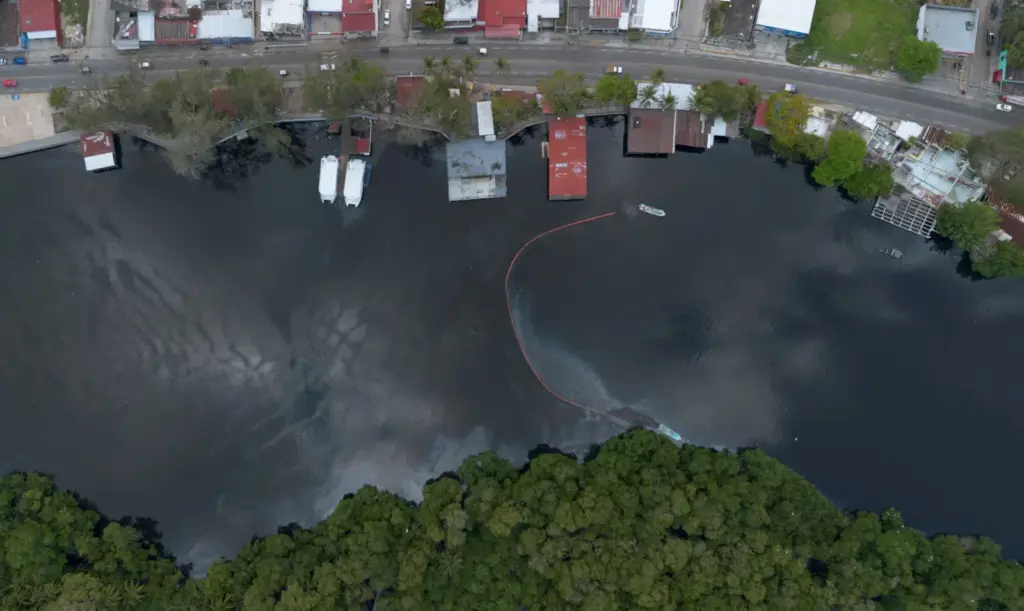
“Without this information, it is impossible to assess whether Pemex’s estimated remediation cost is adequate or if the proposed techniques for its attention are or have been correct,” says Diana M. Papoulias, PhD in Ecotoxicology and Ichthyology, about these shortcomings in The environmental debt of Pemex, published in April.
The same document mentions that hydrocarbon pollution responds to a massive scale of exploitation and extremely lax environmental supervision. For Arturo Carranza, an energy sector specialist, the distribution of resources within the state-owned company is also a key factor in the attention and remediation of spills. “There is a very small budget to address environmental risks and, despite being very small, a reduction is also observed,” he explains.
According to the 2026 Federal Expenditure Budget, this year Pemex received more than 17 billion pesos (25 billion euros), of which only about 2.478 billion (123 million euros) are for the ecological environment, referring to programs and operations focused on the company’s environmental mitigation. This represents 0.47% of the total budget. In contrast, explorations to discover deposits received 7.63%, and crude oil, gas, petrochemicals production, and facility maintenance received 52.23%.
Read more The chemical-free repellent gaining prominence this summer to keep pests at bay
Spills in the Gulf
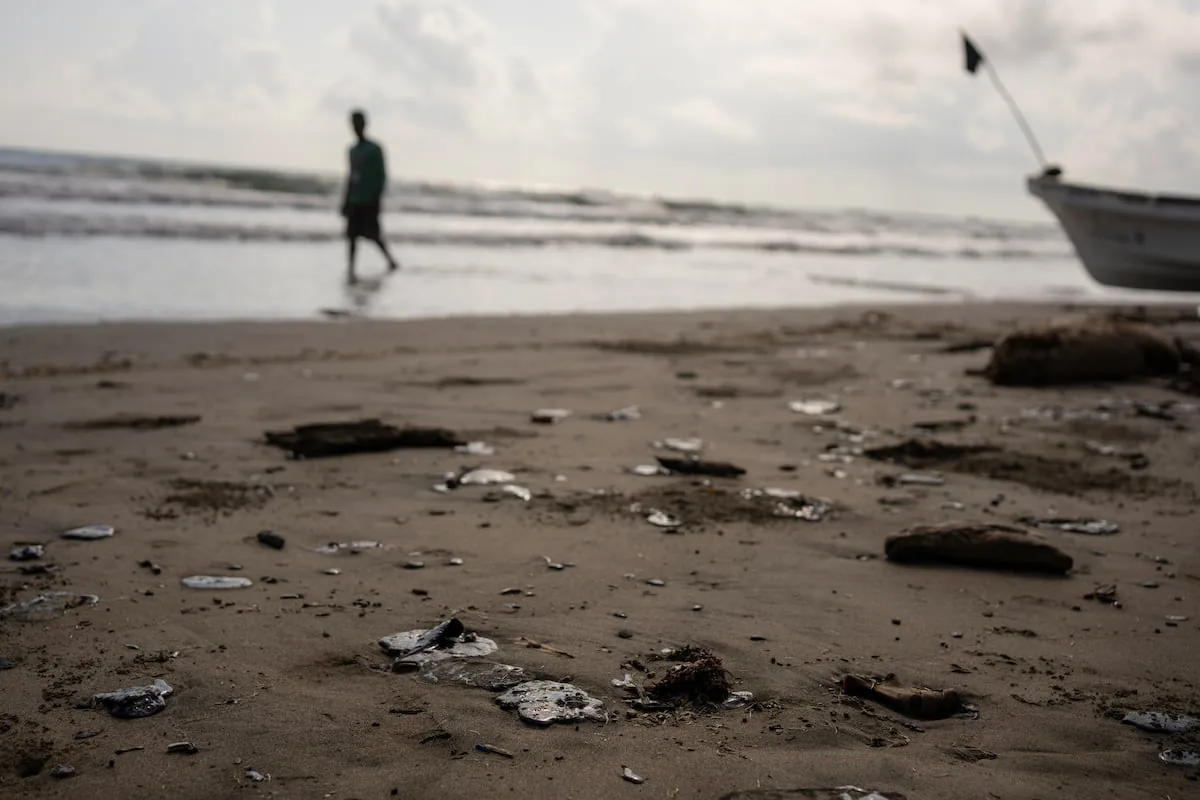
For years, Tabasco, Veracruz, and Tamaulipas, states bordering the Gulf of Mexico, have ranked first in spills and leaks due to oil activity in the region. They currently concentrate 77.3% of operational incidents so far in the current federal government. Veracruz with 678, Tabasco with 299, and Tamaulipas with 175. Pemex, through the Emergency Coordination and Support Center, keeps a record of spills classified as moderate and severe scale. Since the beginning of Sheinbaum’s term until March 2026, 57 have been reported.
Also, the spills reported by the agency mostly occur on land. Although hydrocarbon exploitation generates impacts on land and sea, being states with coastal plains “means contaminants can migrate directly to groundwater through natural drainage,” explains Dr. Diana M. Papoulias in her report. The same document indicates that affected mangroves and reefs are among the most difficult ecosystems to remediate.
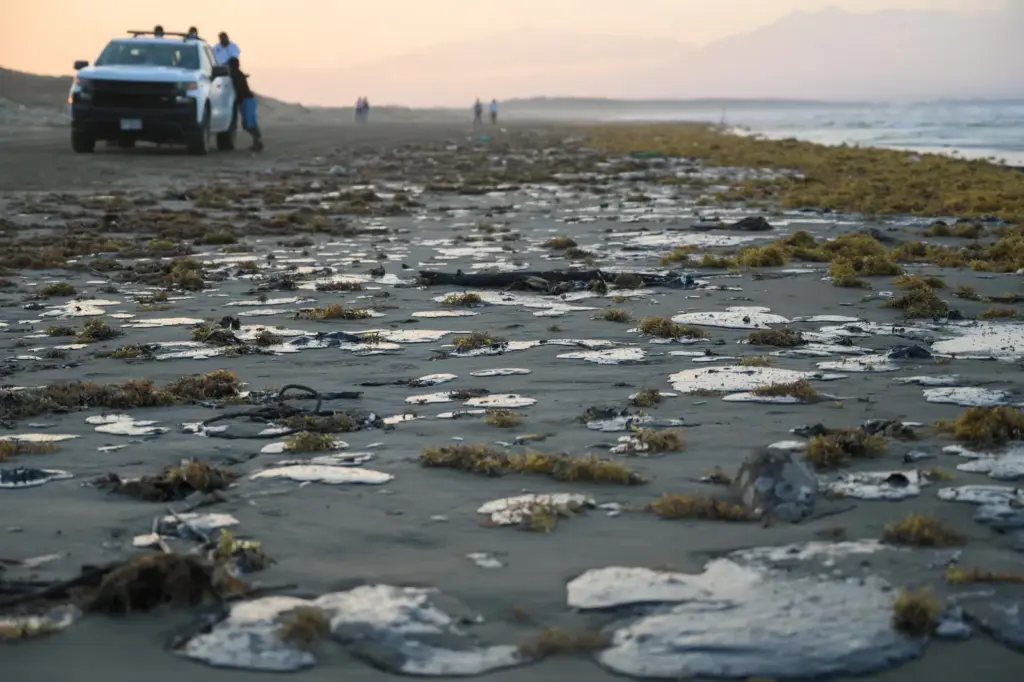
For Benito Ballesteros, a researcher at the Veracruzana University, timing is a key factor in the remediation of these incidents. In the case of the spill that occurred on February 4 off the Gulf of Mexico coast due to a leak near the Cantarell complex, which was only recognized by federal authorities in April and led to the dismissal of three officials, there was no immediate attention. This caused prolonged impacts.
It was not until April 16 that the Navy and Pemex announced via a statement that they would allocate more than 3,000 people for cleanup efforts, supported by 25 vessels, 48 vehicles, 9 aircraft, aerial and underwater drones, as well as 5,100 meters of containment barriers installed. “The impact is not only environmental; there is also the social aspect. Fishermen’s groups and all these productive chains can be affected when a spill occurs on the coast,” says researcher Ballesteros.
Pemex has an Emergency Response Plan for each work center. The purpose is to define participants and responsibilities in environmental incidents generated by oil activity. However, the lack of immediate attention reveals problems in their application. After the spill in February, the federal government announced that, under President Sheinbaum’s instruction, the creation and implementation of the Permanent Gulf of Mexico Observatory will be coordinated, aiming to monitor climate change, biodiversity, and environmental risks.
Researcher Ballesteros explains that there must be a master plan with different guidelines to address all variables, from social to environmental aspects. The outstanding debt is that remediation efforts are overshadowed by constant spills. “Unfortunately, we have very old pipelines and infrastructure equipment that facilitate hydrocarbon discharges,” he concludes.
Read more Which robot vacuum should I buy if I have a small apartment?