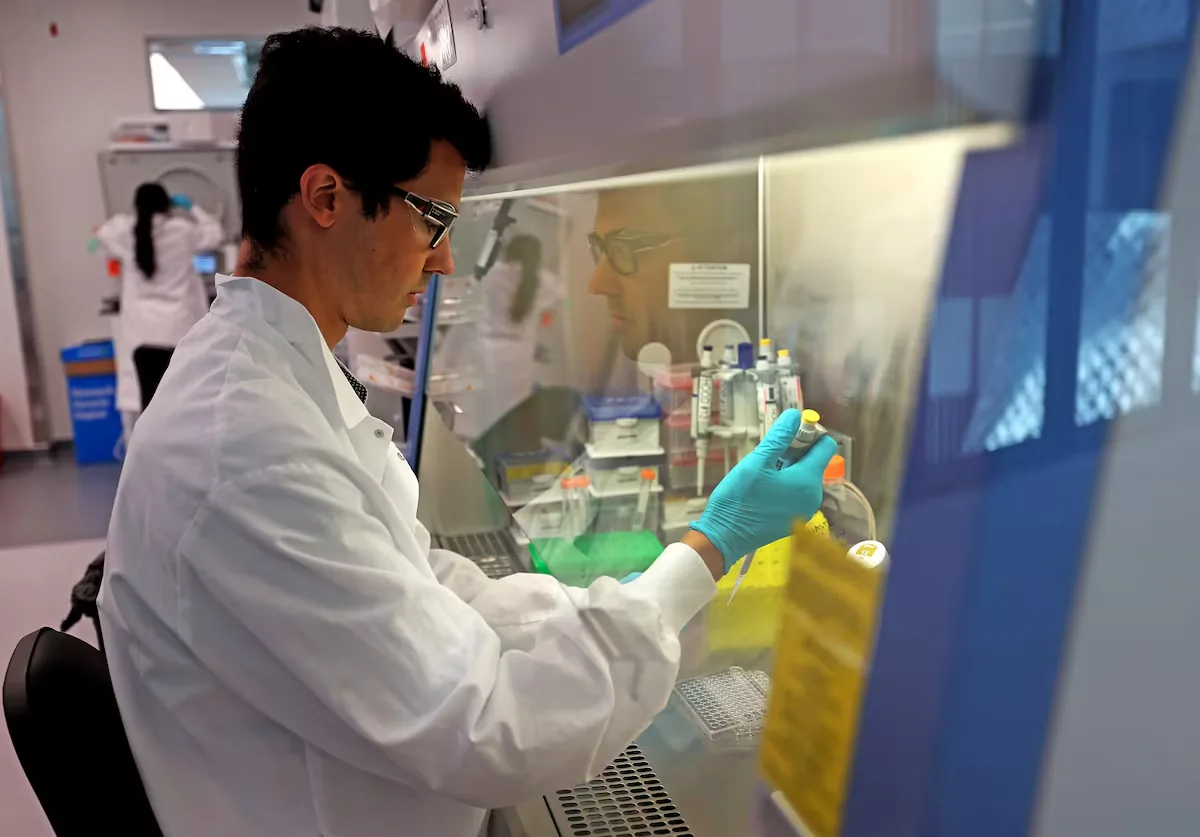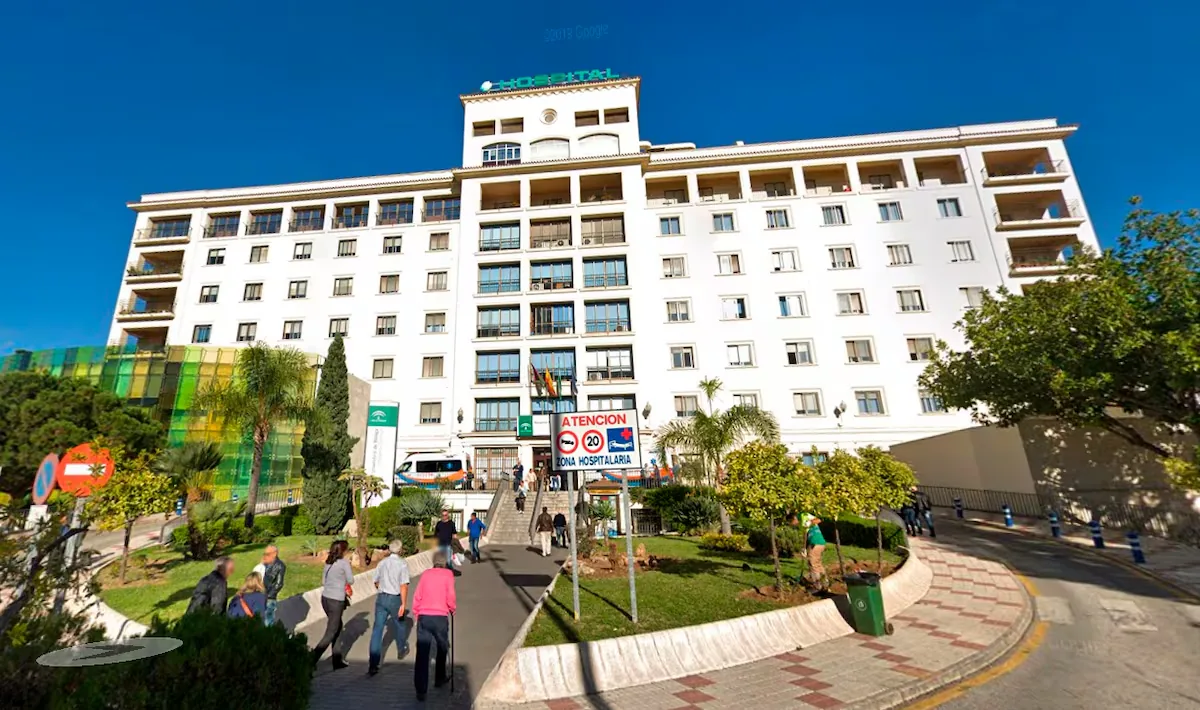
Barcelona, Madrid, Málaga, and Valencia have been the Spanish settings for one of the most followed clinical trials of the year in oncology. Six hospitals, the Hospital Universitari Vall d’Hebron and the Clínic in Barcelona, the Hospital Universitario Quirón Salud and Ramón y Cajal in Madrid, the Clínico de Valencia, and the Regional de Málaga have been part of the phase 3 trial that evaluated the first personalized messenger RNA vaccine against melanoma, according to ClinicalTrials.gov. Worldwide, 35 hospitals in 26 countries have participated.
Yesterday, Moderna and MSD (known as Merck outside the United States and Canada) announced that the same ongoing trial had reached its primary endpoints. According to the press release issued by the companies, the combination of the vaccine — named intismeran autogene — with the immunotherapy pembrolizumab achieved statistically significant results both in relapse-free survival and distant metastasis-free survival, although the pharmaceutical companies have not yet detailed exactly how much survival has increased or how much the risk of relapse has been reduced. The announcement had an immediate impact on the markets, with the shares of both companies soaring.
This is a historic milestone for two reasons: it is the first time that a vaccine of this type achieves a positive result in a phase 3 trial, the final step before requesting drug approval, and also the first time that an oncology treatment based on messenger RNA, the same technology used in COVID vaccines, successfully reaches this phase.
Among the Spanish hospitals, the Regional University Hospital of Málaga has contributed the most patients to the study: of the 71 initially evaluated in Spain for possible inclusion, 24 correspond to this center. Finally, 15 of those Málaga patients were included in the trial.
Oncologist Miguel Berciano, coordinator of the study at the Andalusian hospital, highlighted in statements to Europa Press that these results point towards “an increasingly personalized oncology,” in which the information specific to each tumor allows for tailored treatments. The development of the trial has required, according to the center itself, close coordination between the Medical Oncology, Surgery, Dermatology, and Pathology services. This is because not all patients initially evaluated met the requirements — having an adequate tumor sample and completing the individualized manufacturing phases — to receive the vaccine.
Read more Images of the eviction from El Trampolín beach, where around 3,500 people were camping
From one hundred to one thousand
In the previous trial conducted to test the safety of the treatment (phase 2), presented last June at the American Society of Clinical Oncology congress, they had managed to reduce the risk of relapse or death by 49% and the risk of metastasis by 59%. But it had only been tested in 157 patients.
In the new trial, 1,137 people with melanoma (the most dangerous skin cancer) were enrolled in those 35 hospitals. These patients had already had their tumors surgically removed but had a high risk of relapse. In the trial, patients were divided into two groups. One third received only pembrolizumab, a proven effective immunotherapy (marketed by MSD as Keytruda), while the remaining two thirds received the combination of pembrolizumab and the personalized vaccine (developed by MSD and Moderna, which provides the technological platform, and which could be used against other tumors).
Additionally, both companies already have eight more trials underway with the same personalized vaccine technology in other types of cancer such as lung, bladder, and kidney. Following Wednesday’s announcement, MSD and Moderna will present the full data at an international medical congress and will begin discussions with regulatory authorities to request treatment approval, which would open the door to having the vaccine in the medical arsenal with which physicians fight this tumor in hospitals. Because this vaccine does not work exactly like those used against viruses, which are mass-produced and immunize almost everyone equally, protecting the population against a disease, but is made personalized for a person’s cancer once it has appeared.
Read more A 50-year-old man dies while bathing with a red flag in Cunit