









Neither the soaring uncertainty nor the energy crisis caused by the conflict in the Middle East are slowing down the growth rate of the Spanish economy and the progress of tax collection. Tax revenues set a new record in the first half of the year, reaching 148.944 billion between January and June, fueled by the good performance of activity and prices that have heated up again. This is a 10.4% increase compared to the previous year, according to data published this Friday by the Tax Agency, which occurs despite the tax cuts implemented since March to mitigate the impact of the war.
Read more The assault on Ceuta
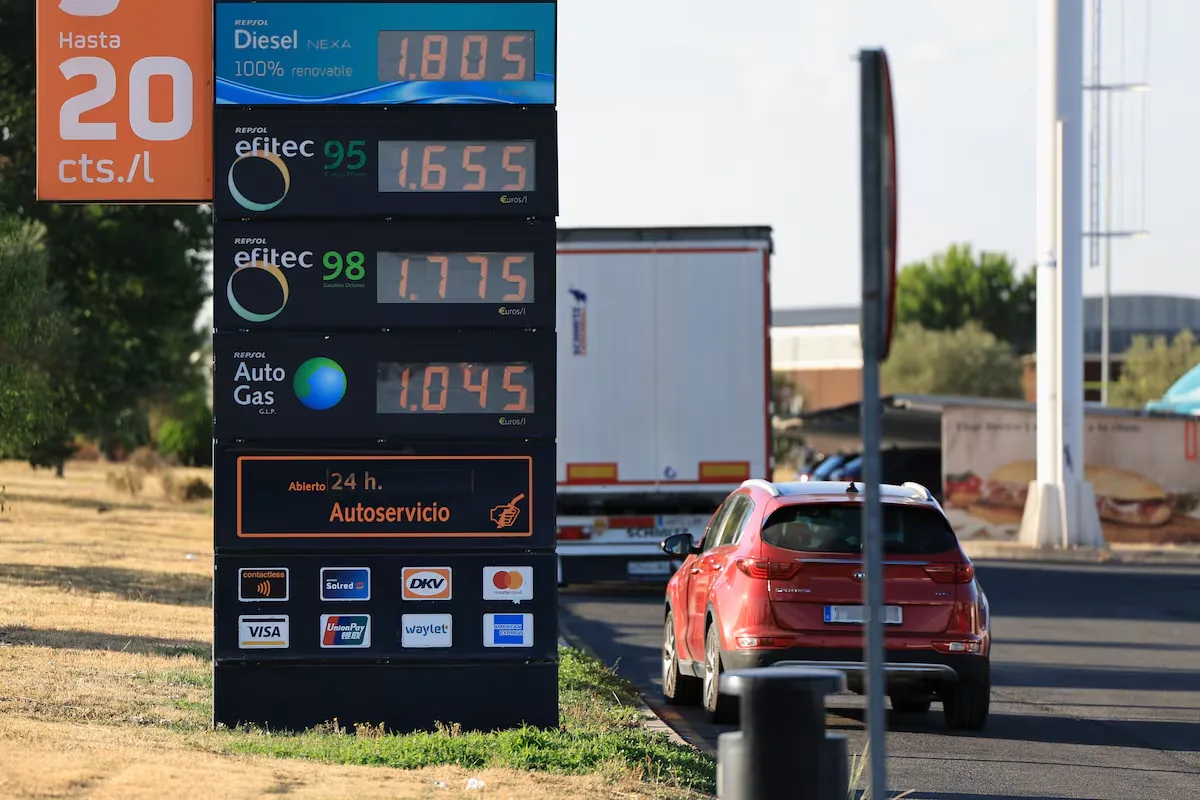
The Government approved a first aid package a few weeks after the attack by Israel and the United States on Iran that, among other measures, reduced taxes on electricity, gas, and fuels. This set of supports resulted in a decrease in revenue of more than 1.3 billion until June, according to the tax agency, which however has not stopped the upward trend in tax revenues, which have been setting new highs every year since the end of the covid pandemic.
In the first half of 2026, the engine of revenue was again the labor market. The personal income tax (IRPF) contributed 66.587 billion in the first semester, 10.6% more thanks to employment growth, wages, and the effective tax rate. But the most marked increase was recorded by the corporate tax, which on a cash basis almost doubled its contribution, from 4.449 billion last year to 8.018 billion until June. In homogeneous terms, eliminating extraordinary or regulatory effects, the increase is equally notable, 17.3%, resulting from the increase in installment payments — in turn due to higher corporate profits, especially from large companies and groups — lower refunds, and the increase in withholding on movable capital.
These data reflect the sustained advance of GDP, which between April and June grew at an annual rate of 2.7%, placing Spain at the forefront of growth among the major European economies: with more corporate profits, higher employment and consumption, public coffers’ revenues expand. Inflation, which has reignited with the destabilization of energy markets following the conflict in the Middle East, is another factor explaining the sustained increase in revenue in recent years.
Organizations such as the Bank of Spain or the Independent Authority for Fiscal Responsibility (Airef) agree that around one third of the growth in tax revenues is due to inflation. The rise in prices began to appear after the pandemic, spiraled with the war in Ukraine, and has pressed again now with the outbreak of the conflict in Iran. Last May, the Ministry of Finance estimated for the first time its impact on the IRPF: the failure to adjust the tax to inflation last year provided an additional 2.3 billion to public coffers.
The price increase also leaves a mark on other tax figures, especially VAT, the main consumption tax. Thus, homogeneous revenues from this tax grew in the first half of the year by 8.4%, up to 50.177 billion, despite the reduction of rates on energy products included in the anti-crisis package. Special taxes, which were also partially reduced with the outbreak of the war, registered a decrease in their contribution of more than 6% in the accumulated total until June.