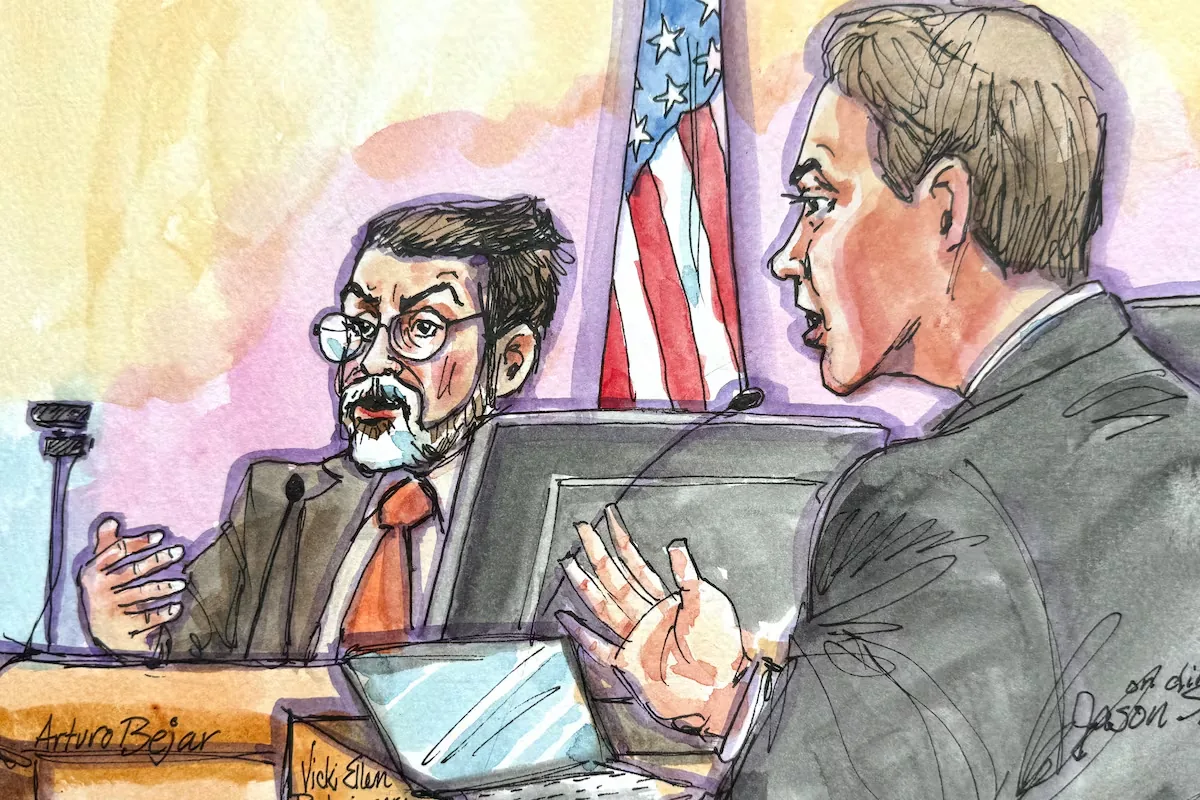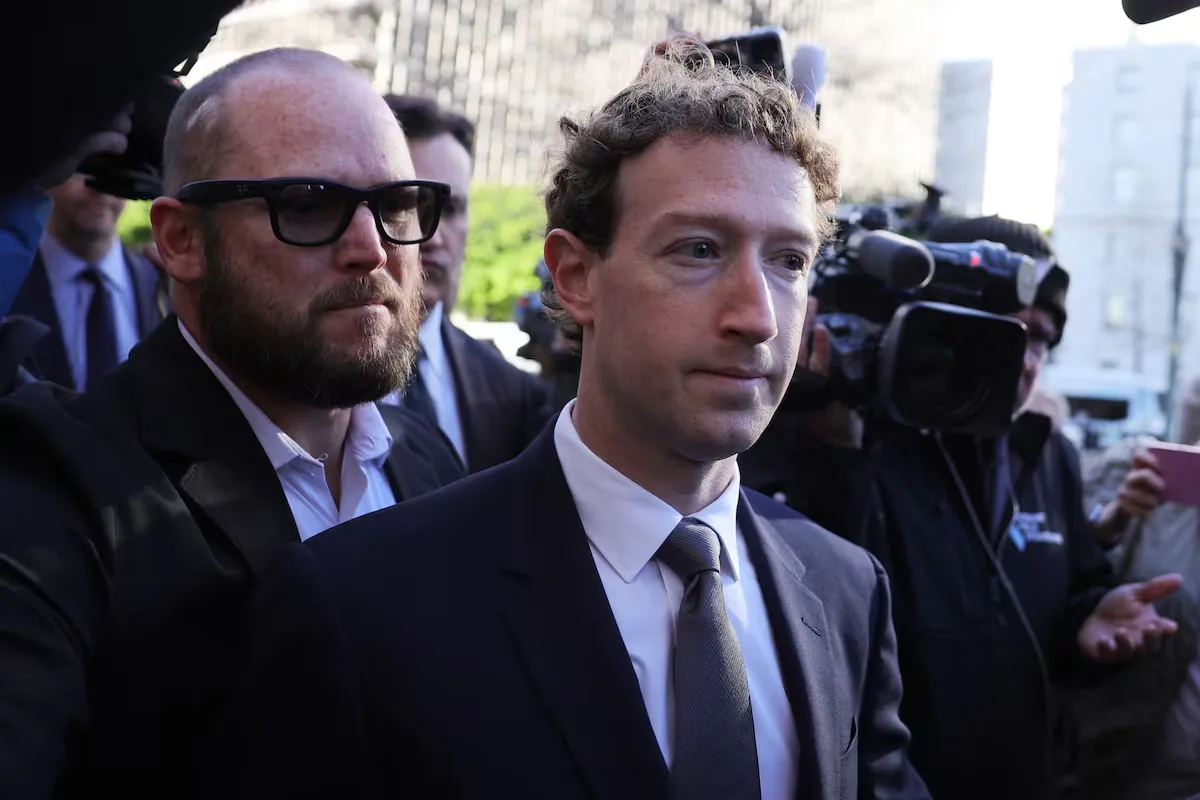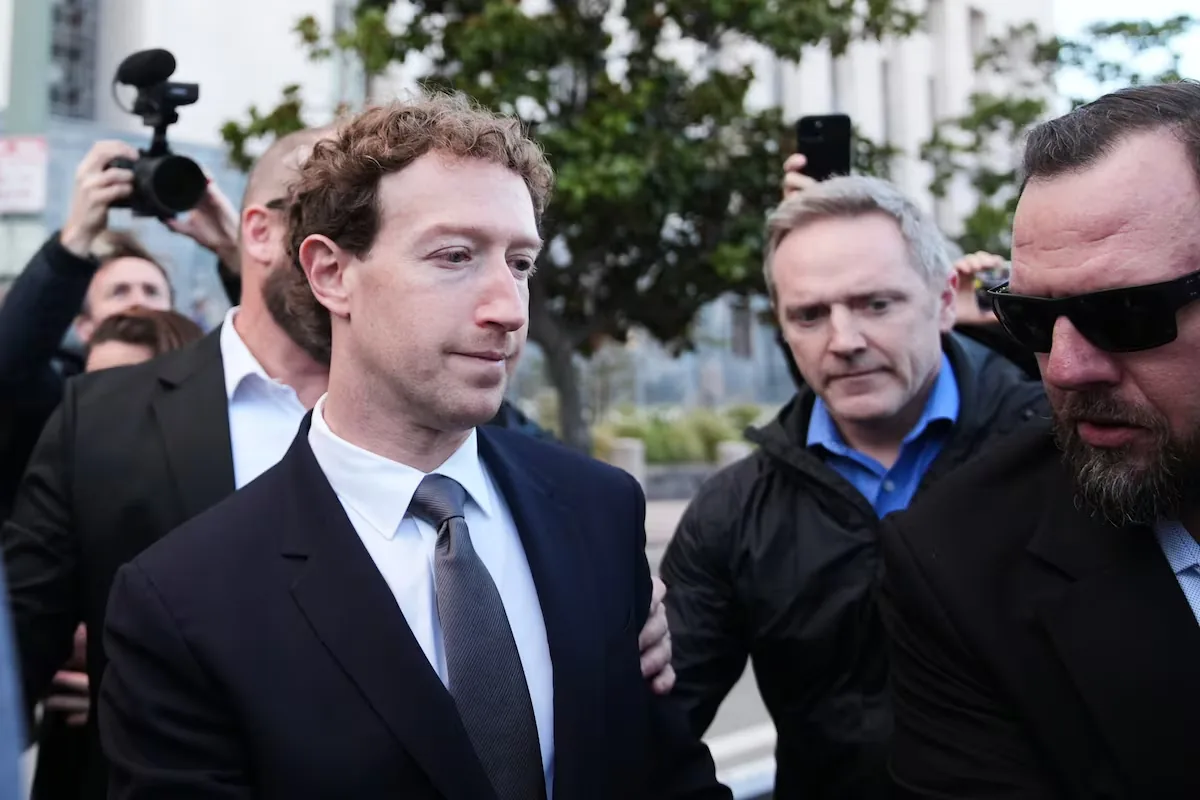
Meta, the technology group founded by Mark Zuckerberg, owner of social platforms such as Facebook, Instagram, or WhatsApp, presented its allegations this Tuesday on the first day of the most decisive trial in its history, in which a multimillion-dollar compensation that would affect its business is at stake. Four states, California, Colorado, Kentucky, and New Jersey, accuse the company’s social networks of being responsible for the epidemic affecting the mental health of young people. The federal judge of the Northern District of California, Yvonne Gonzalez Rogers, presides over the case that will likely determine the future of social networks in the United States due to the harm they cause to young people.
Read more Chess Analysis | Carlsen’s Fulfillment (XIX)
Megan O’Neill, Deputy Attorney General of California, stated during the first session of the trial held in a federal court in Oakland (California) that Meta’s business model consisted of “hooking users, keeping them as long as possible, collecting their data, and then hiding the truth from the public,” she said before the eight-member jury. “It worked especially well with children,” she added.
California, Colorado, Kentucky, and New Jersey accuse the social media giant of causing an epidemic of poor mental health among young people due to the design of its technology to create addiction, deceiving about the harms of its platforms, and collecting data from children under 13 without their consent. The state prosecutors from these four states, selected for this first federal trial among the 29 states that have sued Meta, argue that the tech company has violated federal child privacy laws and state consumer protection laws.
Meta faces a joint claim of nearly $1.4 trillion, according to Meta’s calculation to argue the disproportionate nature of the lawsuit. That amount practically represents the market value of the Menlo Park (California)-based group. Although prosecutors have not specified the amount or scope of the compensation, last week they admitted that the amount could be around $200 billion, an amount equivalent to Meta’s net profits over three years. Meta’s shares have lost almost 30% of their value over the past 12 months due to its aggressive policy to invest in artificial intelligence (AI) and the accumulation of pending lawsuits, for which it has reserved $2.4 billion, according to its second-quarter accounts.
The Deputy Attorney General of California told the jury that the case was not about banning Instagram or social networks. “This case is not about whether social networks offer any benefit to certain people. They do,” she stated.
The group founded by Zuckerberg presented its allegations against the case this Tuesday. They argue that state prosecutors have failed to demonstrate any real harm caused by Facebook and Instagram. Furthermore, it relies on the platforms being protected by the First Amendment, which enshrines freedom of speech, and by Section 230 of the Communications Decency Act of 1996, which establishes that social networks are not responsible for the content posted by their users.
“The attorneys general do not present evidence that anyone in their states has been deceived, they claim that harmless features like having an additional Instagram account somehow harmed their users and try to penalize Meta for problems affecting the entire sector,” said Liza Crenshaw, Meta spokesperson, in a statement. “They may call this case historic, but their allegations are limited and unfounded. And their financial demands are totally disproportionate,” she added.
The trial is expected to last between six and eight weeks, during which Meta’s CEO, Mark Zuckerberg, among other company employees, is expected to testify. Prosecutors will request the release of internal documents to try to prove that the company knew about the harm to teenagers’ health. An eight-person jury will issue an advisory opinion, which will be considered by Judge Gonzalez Rogers before issuing her verdict and setting the compensation.
Read more The GDP of the second quarter in Colombia accelerates to 3.5%
“Meta designed Facebook and Instagram to keep children on the platforms for increasingly long periods, to the point of causing them physical and mental harm,” said California Attorney General Rob Bonta in a statement. “Exploiting our most vulnerable neighbors to increase corporate profits is not only morally reprehensible but also illegal,” he added.
Prosecutors will try to prove how the platform designed its social networks with mechanisms for young users to spend more time connected. They cite infinite scrolling, the “Like” button, the recommendation algorithm, and image filters, which encourage eating disorders, as elements that contribute to compulsive social media use and fuel teenagers’ anxiety.
They will argue that the company benefits from this system because its main source of income is advertising billed based on hours of service consumed. State officials will present evidence to try to prove that the company knew the risk of these practices and held internal meetings to discuss how to address them.
“Almost three years ago, we took action because we believed Meta put profits ahead of the health and safety of our children. Now we are ready to present the evidence and make our case,” said Colorado Attorney General Phil Weiser. “Meta knew its platforms could harm young people but continued with practices designed to keep them hooked, sacrificing hours of sleep, distractions at school, and even considering suicide, because more time online meant more money for Meta.”
The trial that began this Tuesday in Oakland is the most notable among the more than 1,500 lawsuits facing social networks. In addition to the states, parent associations, school districts, city councils, and individuals have filed lawsuits against Meta, YouTube, TikTok, and Snap for the harm to young people’s mental health in a movement that bears many similarities to the offensive against big tobacco companies in the 1990s.
At that time, tobacco companies also faced thousands of lawsuits in trials that lasted for years. That movement led to the harmful effects of tobacco being finally recognized, and judges began to acknowledge the damage caused by consumption. That crusade gave rise to legal strategies now used against big tech companies, such as the publication of internal documents, staff statements, and the use of design flaws, among other legal loopholes, as arguments to support damage claims.