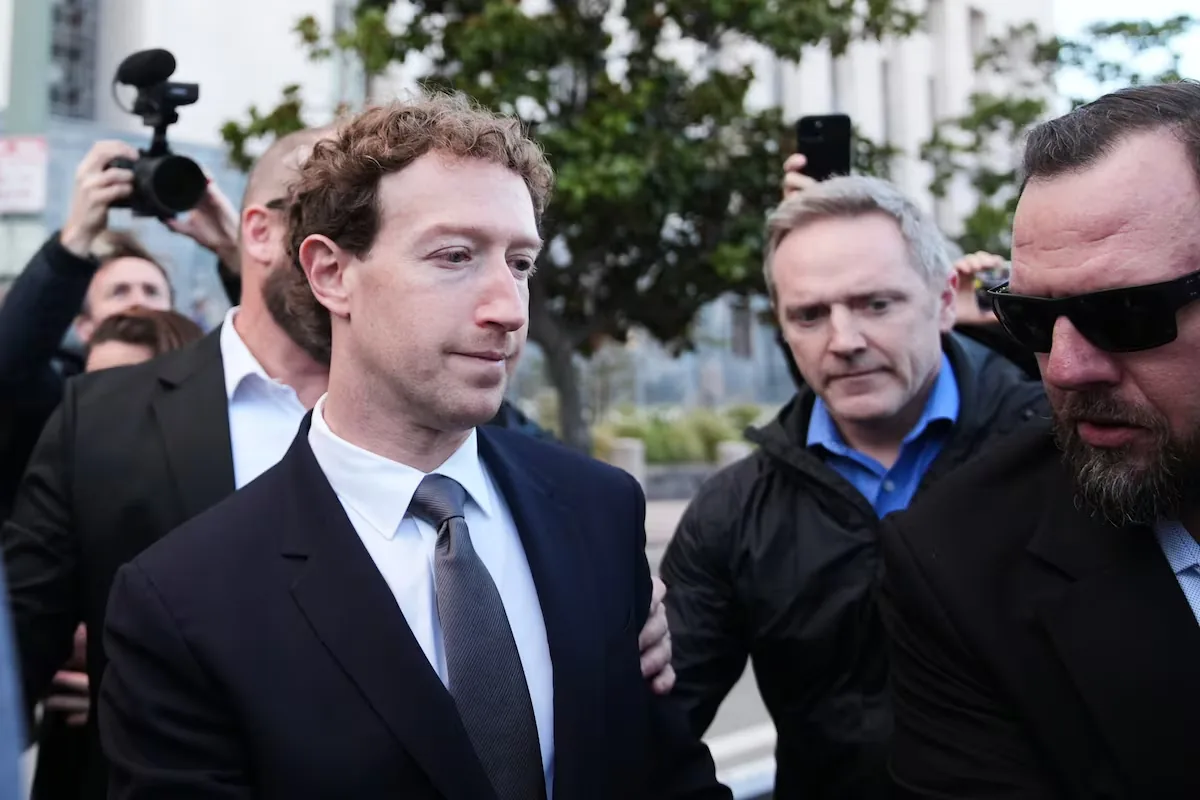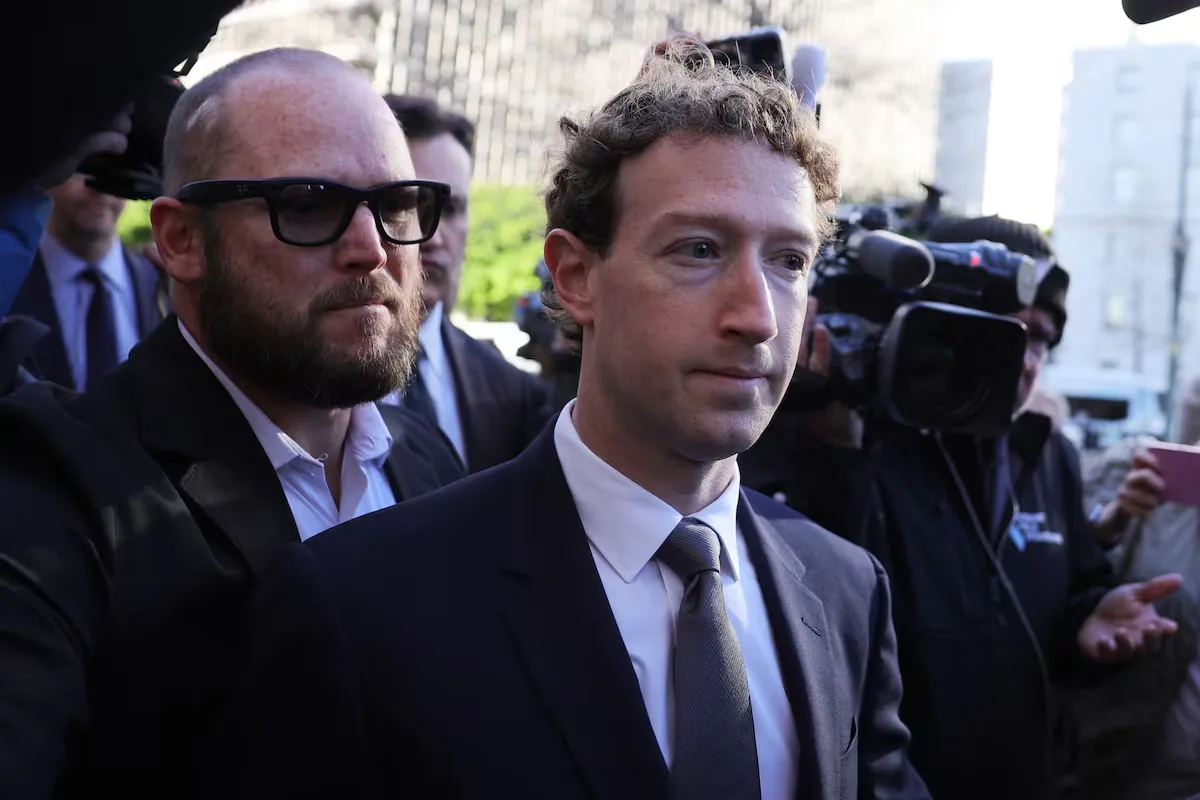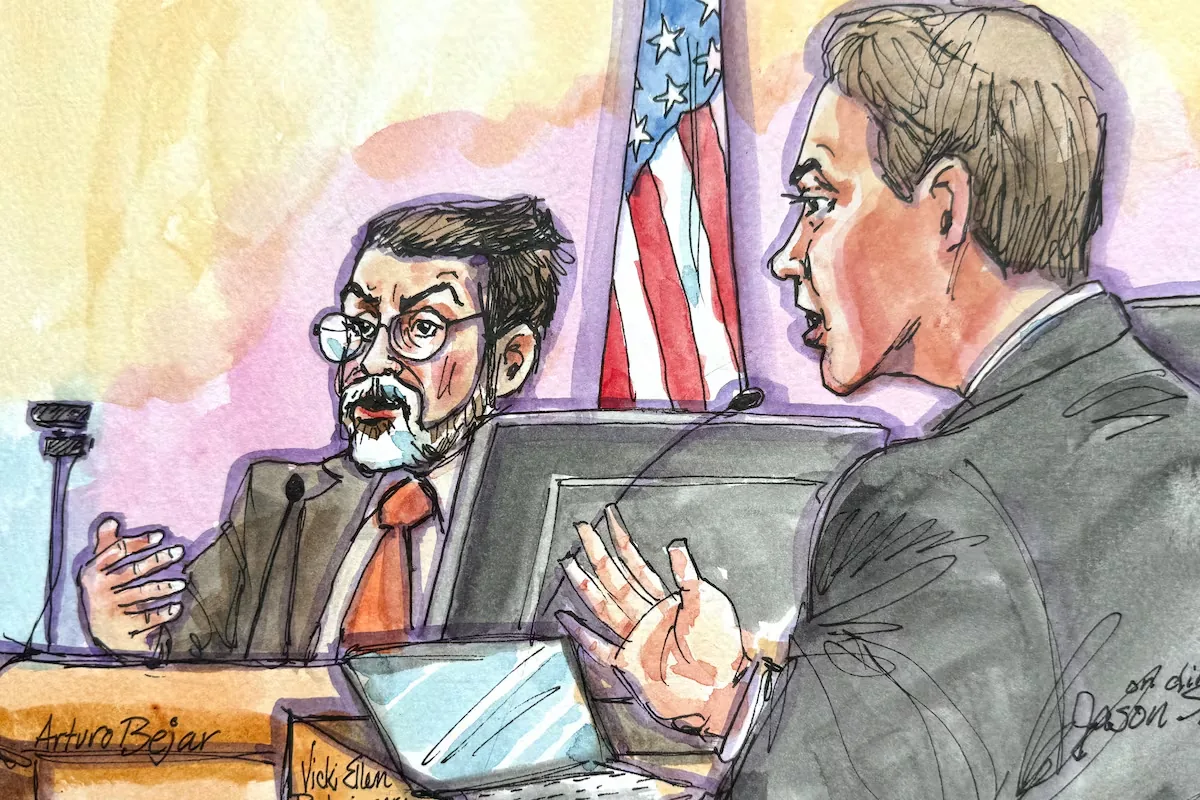
The second day of the most important trial in the history of social networks was marked by the testimony of Arturo Bejar, a former Facebook employee, who warned that the company was more interested in increasing the time users spent in front of the screen than in preventing harm to the mental health of young people.
Bejar is the first witness to take the stand in the trial of four states, California, Colorado, Kentucky, and New Jersey, against Meta, the tech group created by Mark Zuckerberg. Prosecutors accuse the company, owner of Facebook and Instagram, of designing its platforms to create addiction among young people, deceiving the public about their safety, and collecting data from children under 13 years old.
Bejar has become for years a scourge of Meta and its social networks, Facebook and Instagram, where he worked in two periods between 2009 and 2015, when he left the Menlo Park (California)-based group after denouncing the danger of its user attraction strategies for teenagers. He returned to the company in 2019 as an independent advisor to advise on wellness issues, but only lasted two years because he felt the company ignored his recommendations.
During his testimony, Bejar emphasized that he communicated to the company’s leaders the harm the app was causing “due to the way it was designed.” Bejar said he told Mark Zuckerberg, Facebook’s founder and company leader, that no changes were needed in content moderation. “What was needed were changes in product design, both to prevent harm from the start and because people want to learn how to use it,” he said during his testimony before the eight-member jury.
The former Facebook engineer explained that the company created mechanisms, such as different types of notifications, like contact birthday reminders, created to bring you back to the social network, or short videos designed to capture your attention and find out your preferences, to keep users glued to the screen longer.
The novelty of this trial is that it is not about the content published on social networks, but about the design of the platforms. That is why some see parallels between this case and that of the big tobacco companies in the 1990s, when it was proven that tobacco consumption was not only harmful but addictive.
“Mark Zuckerberg was quite involved in each area of the company and would tell you: ‘Focus on this, don’t do that,’” testified Bejar, who attributes Zuckerberg’s priorities of finding ways to increase time spent on the social network as the root of the problem. “The way the company made its decisions was the main and appropriate result of Mark Zuckerberg’s decisions,” Bejar said at the stand.
Read more Atlético de Madrid — Málaga live | Maximum equality in the first half
This former Facebook employee returned to the company between 2019 and 2021 as an external consultant to advise the company on surveys about teenagers’ experiences on Instagram. He insisted that he repeatedly warned about the problems and alerted management about his concern over the social network’s impact on young people.
Bejar detailed how Meta’s monitoring processes are flawed because they did not pay attention to the harm caused among young people and acknowledged that “half of the people who use Instagram have said they had a harmful experience in the last seven days.”
Prosecutors in the case accuse Meta of designing its platforms to create addiction among young people, deceiving the public about their safety, and collecting data from children under 13 years old. The tech company faces the most decisive trial in its history with the threat of multimillion-dollar compensations that could jeopardize its future. Although there is no official claim, state officials estimate that compensations could reach $200 billion. The company, for its part, estimates that compensations would reach $1.4 trillion, almost the same market value the group currently has.
The engineer said he began to perceive the dangers of the social platform when his teenage daughter received an unwanted sexually explicit message on Instagram and had no way to report it. “Young people were suffering harm at an extraordinarily high rate,” he declared. “Any parent would have wanted to know,” he added.
During the second day of the trial, which is expected to last between six and eight weeks, Meta rejected Bejar’s accusations. It recalled that social networks are protected by the First Amendment of the Constitution, which enshrines freedom of speech, and by Section 230 of the Communications Decency Act of 1996, which establishes that social networks are not responsible for the content published on their platforms.