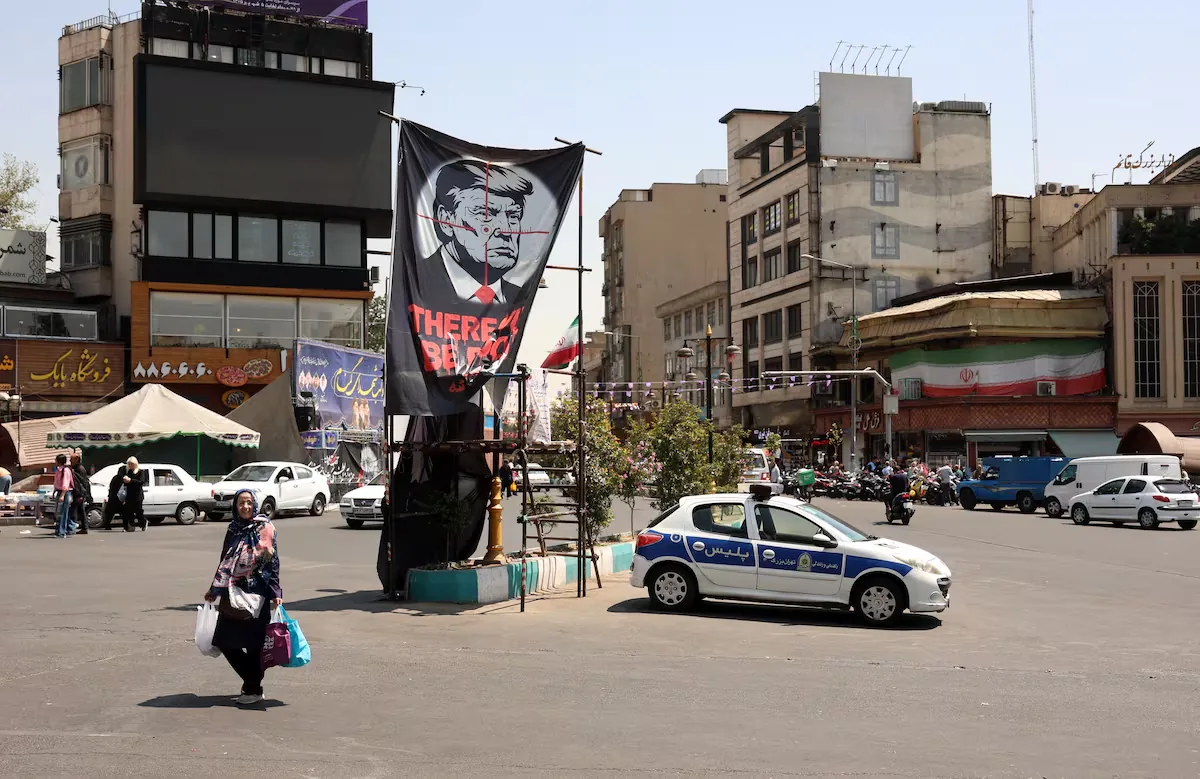
“We are launching an economic holocaust against Iran’s financial connections worldwide. Our goal is to cut off every economic lifeline supporting this tyrannical regime until Tehran is left completely alone.” This is how U.S. Treasury Secretary Scott Bessent announced the latest wave of sanctions against the Islamic Republic at a press conference on Monday.
Read more The love triangle that Geena Davis starred in during the eighties and ended with a broken heart
After nearly six months of conflict, Washington is betting on economic strangulation to bend the Iranian regime, in a new phase of its offensive that had raised enormous expectations after threatening to impose sanctions also on countries that trade with Tehran. For now, however, those threats have not materialized. Bessent said it was a “warning shot,” without specifying which countries were involved or setting a deadline for the ultimatum.
The Tehran-Beijing Connection
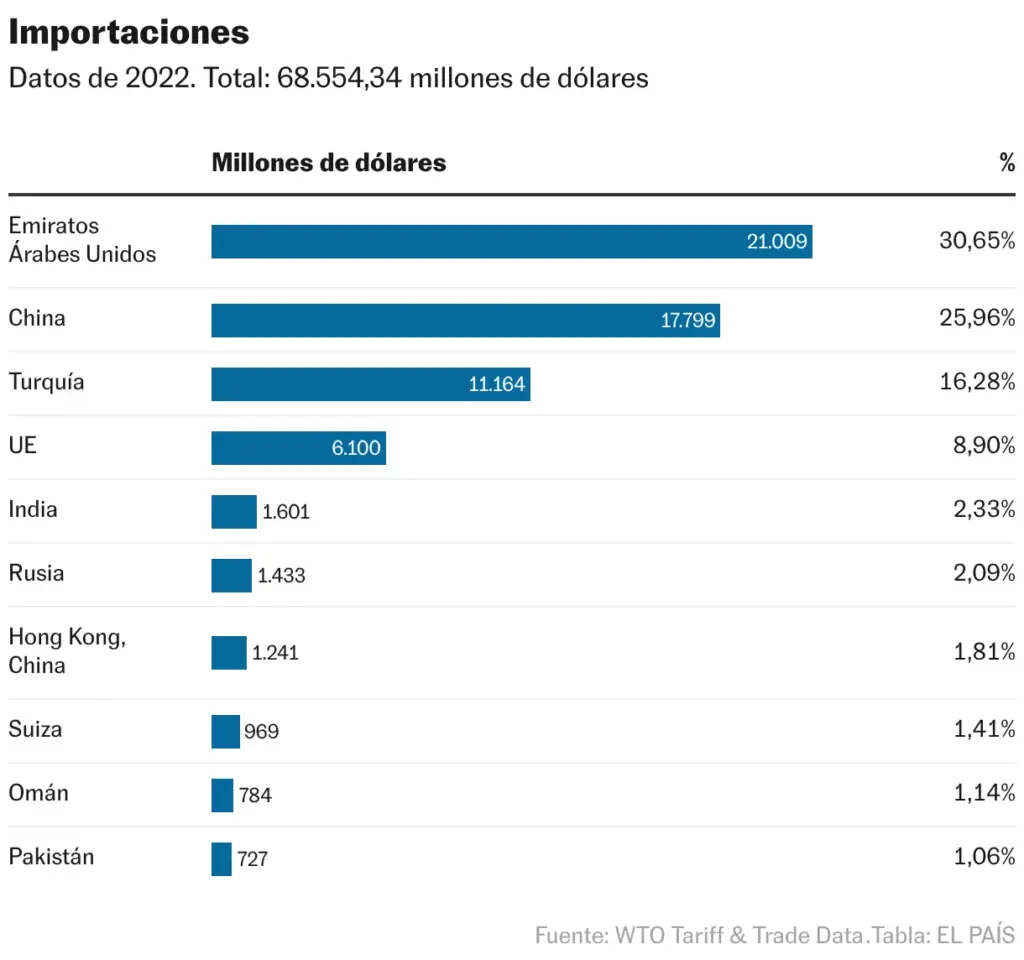
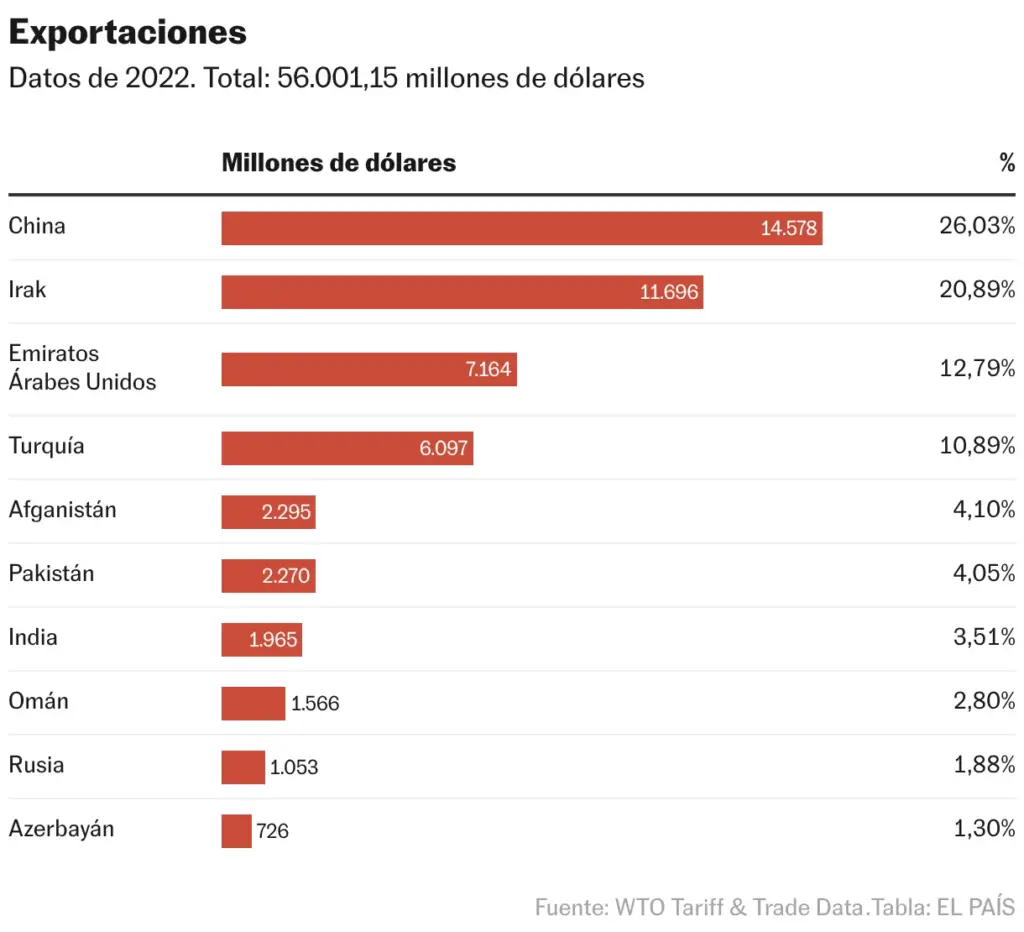
Trump’s new threats have put China in the spotlight, Iran’s main trading partner and the largest buyer of Iranian oil. The Asian giant was the destination for 26% of the Islamic Republic’s exports, according to the latest World Trade Organization (WTO) data, updated through 2022. Of these, 34.4% were sales of crude oil and hydrocarbons, the products most demanded by Beijing.
China’s General Administration of Customs, the government agency responsible for foreign trade, has not reported its purchases of Iranian oil in its official statistics since 2022, but tanker tracking and estimates from industry specialists indicate that the Chinese market has remained the main consumer of Iranian oil. In 2025, Beijing imported nearly 1.4 million barrels per day, according to an analysis by the Center on Global Energy Policy at Columbia University. Last year, the Islamic Republic had a production of 3.26 million barrels per day, according to the Organization of the Petroleum Exporting Countries (OPEC).
“China helps Iran evade U.S. sanctions and finance its destabilizing activities in the Middle East,” stated a U.S. government report published in March, just two weeks after the conflict began. In that document, the White House claimed that Beijing was the destination in 2025 for 90% of Iranian crude exports thanks to a large network of Chinese banks, shell companies, and intermediaries worldwide facilitating that trade, and referred to both countries as part of an “axis of autocracies.”
Xi Jinping’s government has already reacted to Washington’s latest threats. A spokesperson for the Ministry of Commerce said this Tuesday that relations between China and Iran develop within the lines of international law and rejected any attempt to “disrupt” or “interfere” in them. Beijing has called the sanctions “illegal” and stated it will take “all necessary measures” to protect its national interests.
Regional Partners
Oil is not the only link between the economies of Iran and China. Chinese products accounted for nearly 26% of the Islamic Republic’s imports, according to the latest WTO data, prior to the war. The only country from which Tehran imported more goods was the United Arab Emirates (30%), which is also one of the main U.S. military allies in the Persian Gulf.
Amid White House pressures, Abu Dhabi announced last week the suspension of its financial and commercial relations with Iran, dealing a severe blow to the battered Iranian economy, which was already enduring a prolonged crisis even before the conflict with the United States and Israel erupted. The decision was announced hours after Iran launched two missiles into Emirati territory, and in the presentation where it was made, the country’s authorities avoided giving details about their economic ties with Tehran.
Read more The indefinite strike of Airbus workers begins: «We ask for what we deserve»
According to the WTO’s overview, the United Arab Emirates was also the third most important destination for Iranian exports (almost 12.8%). More than half were hydrocarbons. Other neighbors of Iran that have depended in recent years on its fossil fuels are Iraq, Turkey, Afghanistan, and Pakistan. All are among the top 10 countries to which Tehran sold the most goods. In that group is also India, another power that has been targeted by Trump for purchasing crude from countries sanctioned by Washington, such as Russia. Indian producers of rice, tea, and pharmaceuticals, the main sectors of exports to Iran, have already announced plans to reduce their sales in Iranian territory.
Boomerang Effect
Some analysts say Washington has not decided to go a step further because imposing sanctions on giants like India or China could ultimately be counterproductive for its own economy and cause a “boomerang effect.”
“The OFAC [the U.S. Treasury office that administers sanctions] has been pursuing countries and companies doing business with Iran for decades, but all administrations—including Trump’s first—refused to try to isolate China and India from the U.S. economy, as doing so would have been madness,” commented Justin Logan, Director of Defense and Foreign Policy at the Cato Institute, after Bessent’s announcement. There are also doubts about the effectiveness of unilateral sanctions and whether Trump will have the patience to wait for them to take effect.
In the WTO list of Iranian imports, other heavyweights such as the European Union and Russia also appear. Despite the sanctions Brussels has imposed in recent years due to the human rights situation in the country, support for Russia during the invasion of Ukraine, and the breach of the nuclear agreement, trade has continued under some exceptions provided in those measures. Community countries exported goods worth 3 billion euros last year and imported Iranian goods for around 800 million, according to official data.
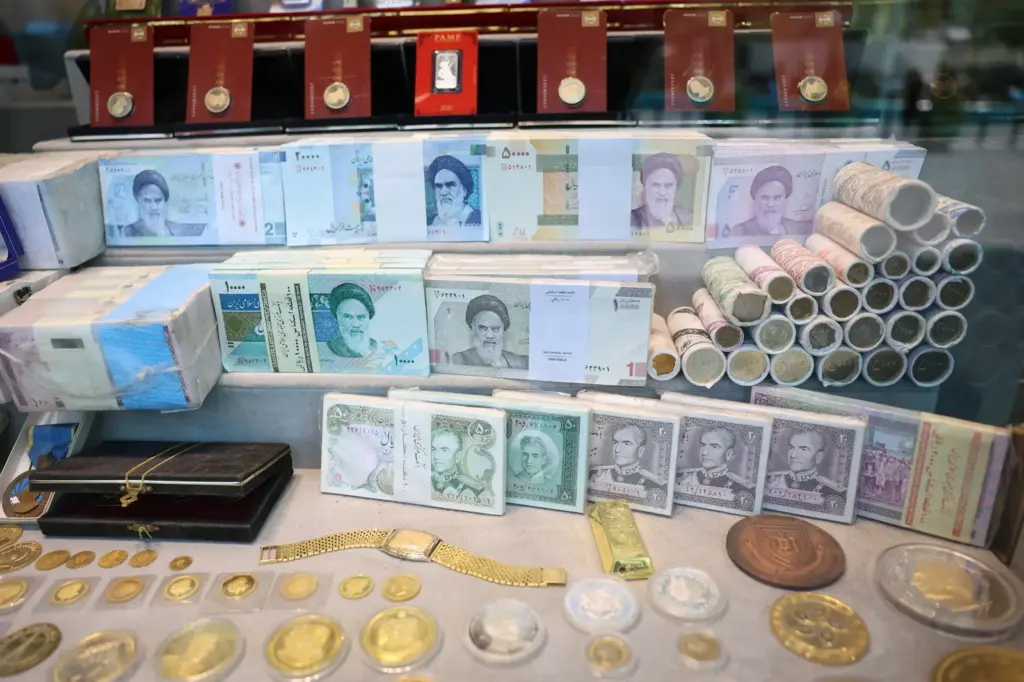
EU countries usually sell machinery, chemicals, medical and pharmaceutical equipment, food, and agricultural products. European export figures to Iran in 2025 were the lowest in the last three years.
“I want to be clear: any entity that facilitates money laundering on behalf of Iran will be excluded from the U.S. dollar system. The clock has already started ticking,” Bessent said in his appearance. But in a war marked by Trump’s back and forth, it remains to be seen the impact of the so-called Economic Pariah Operation in Iran, accustomed to sanctions and isolation, and whether the warnings from the White House will have a real deterrent effect among its trading partners.
Read more United States issues a security alert and suspends its activities in Mexicali due to «threats»