

Sitting in an armchair, with that voice that lulls the beasts, Ana Belén told Jesús Vázquez, after singing Solo le pido a Dios, that the song she had just performed was “beautiful.” She said it a couple of times, opening her mouth wide and insisting on the adjective. And what TVE did last night to replace the broadcast of the Eurovision 2026 festival, called La casa de la música, was just that. Beautiful. Drawing on archives, resources, craft, and muscle. A bit like Cachitos at times, other moments it was Christmas Eve, but the one before the fights caused by the tipsiness. Very moving for two and a half hours.
Read more Bulgaria beats Israel in Eurovision, which does not close the door to Russia’s return
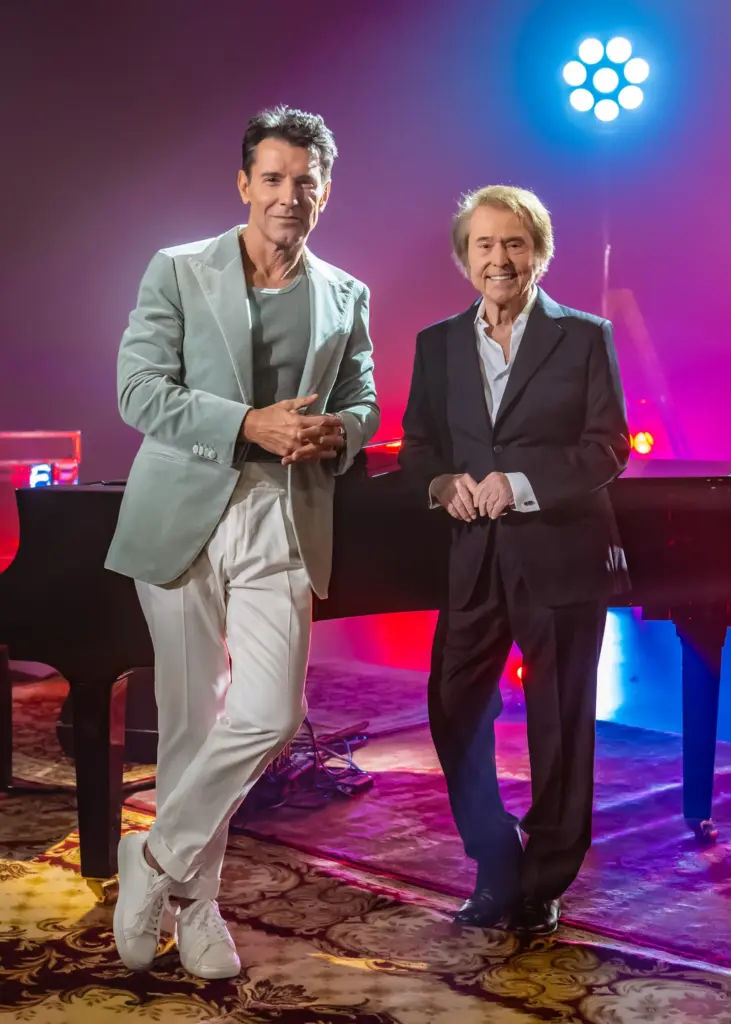
Let’s talk first about the host. Jesús Vázquez is still the perfect son-in-law, the neighbor to whom you make a duplicate of your house keys just in case something happens. He is polite, enunciates clearly, and does not seek the spotlight or easy jokes. Very pleasant with the artists who passed through the different stages, he chatted with some and told them all how excited he was to have them in front of him and how short the interview felt. “I could spend hours here,” he told Raphael and Ana Belén. What a pair, by the way. How lucky we are.
The gala began with Manuel Carrasco, who introduced gestures in favor of peace in his performance. Because deep down that was what it was about, celebrating music and claiming that human rights are much more important than almost anything else. One of the members of the duo La Plazuela said this, expressing pride in the decision made by the public television not to participate in Eurovision this year if Israel continued. Ana Belén singing Solo le pido a Dios, which is already a statement of intent in itself.
Between performances, there were segments to also celebrate TVE’s 70 years. The faces that have passed through the channel, the singer-songwriters — that Rocío Jurado with a belly-button-baring neckline and sheer fabric singing ‘Soy de España’ in 1974 —, transgressive groups, festival winners, and so on to show that when you can, you have to bring it out. History of music, yes, but also of Spain.
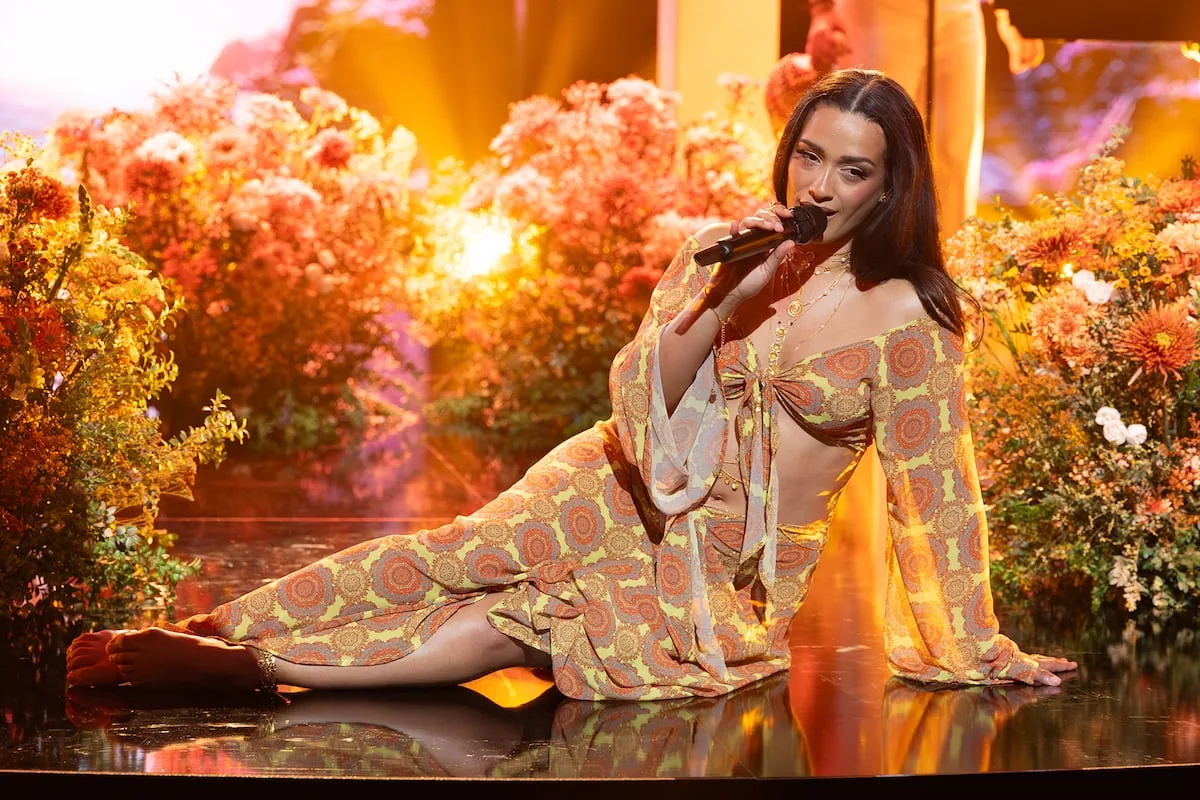
There were incredible moments, like José Mercé singing “jamás duró una flor dos primaveras,” one of the most emphatic lines ever written from Se nos rompió el amor, Mónica Naranjo being Mónica Naranjo, pure presence. Chanel, Miker Erentxun, and Cien gaviotas.
Read more Venezuela hands over Alex Saab to the United States, alleged frontman for Maduro
And there was the demonstration that in music and in Spain there is room for everything, Guitarricadelafuente — what a remarkable person —, Juanjo Bona covering Nino Bravo, Alba Morena doing the same with Mecano, Fangoria, Siloé, Abraham Mateo, and Metrika. Natalia Lacunza is brutal, what presence. And how Vanesa Martín sings. And what a party Camela always brings with them.
To put a couple of buts, the claim for music doing playback in some cases felt a bit strange. And what a pity that those so-called emerging artists, who don’t need the adjective, didn’t sing their own songs. We all would have learned and they would have shone as well.
And since it’s not about listing them all, let’s end this article talking about two highlights. The one caused by Pablo López singing that wonderful song that is Un vestido y un amor by Fito Páez, which made him sweat a lot and with which he ended the gala. By then, past half-past twelve at night, the heart of the writer was still tight from what had happened almost at the beginning. That gentleman from Martos called Raphael who, leaning on a piano in the literal and metaphorical sense, sang and interpreted Qué sabe nadie. As beautiful as what happened last night.