








The office of the Director-General of the World Health Organization (WHO) issued this Saturday a declaration of a “public health emergency of international concern” due to the new Ebola outbreak caused by the Bundibugyo virus affecting the Democratic Republic of Congo and Uganda. The declaration, made after consulting the affected states, includes an announcement of a “pandemic emergency,” although the announcement emphasizes that the outbreak still “does not meet the criteria for a pandemic emergency,” as defined in the 2005 International Health Regulations (IHR).
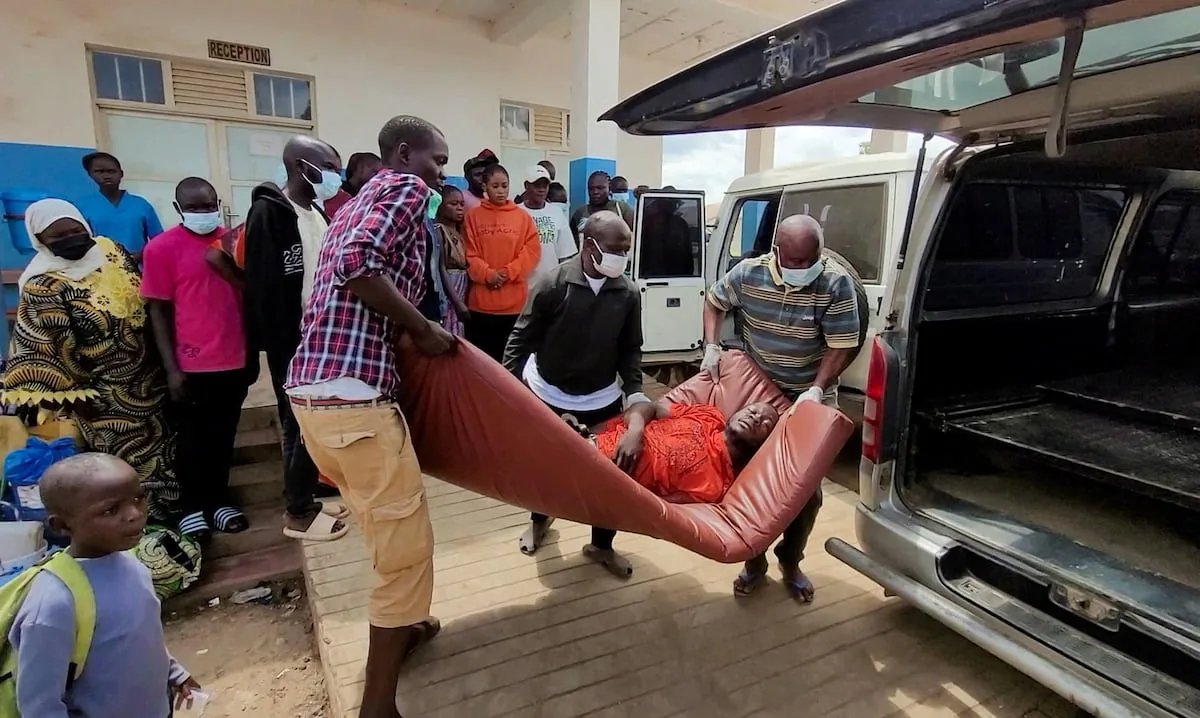
Among the conditions that led the international organization to classify it as an emergency are the eight confirmed cases of infection this Friday by laboratories, 246 suspected cases, and 80 presumed deaths in the Ituri province, in the Democratic Republic of Congo. Additionally, two laboratories confirmed cases, including one death, with no apparent link between them within a 24-hour period in Kampala, Uganda, between Friday and Saturday.
These events constitute a major concern due to the possibility of “international spread of the disease,” of which two confirmed cases have already been documented in Uganda of people who traveled from the Democratic Republic of Congo. The Africa Centers for Disease Control and Prevention expressed concern about the possibility of transmission due to intense population mobility and called for an urgent high-level coordination meeting with regional and international entities, such as the WHO and the CDCs of the U.S., China, and Europe.
Read more Video analysis | It is time to make the best decision in the elections
In the declaration, the health entity states that “coordination and cooperation at the international level are required to understand the scope of the outbreak, coordinate surveillance, prevention, and response measures, expand and strengthen operations, and ensure the capacity to implement control measures.” In the same document, the WHO recommended “activating its national disaster and emergency management mechanisms and establishing an emergency operations center and involving the community — through local, religious, and traditional leaders, as well as healers — so that they help in case identification, contact tracing, and risk education.”
The last outbreak in the DRC was at the end of 2025 in the Kasai province (center). It was the sixteenth in the country since the virus was discovered in 1976. According to the WHO, Ebola has a mortality rate between 60% and 80%, is transmitted through bodily fluids, and causes high fevers, intense weakness, and severe hemorrhages.
Read more Video | The emotions that move Abelardo de la Espriella’s voter: «He promises us a Miracle Homeland»