
When she first saw the news on Facebook, she thought it must be one of those hoaxes circulating on social media. It was too implausible, nonsense. But shortly after, the principal of the school where she works forwarded a message to the teachers’ group that began with the classic war bulletin tone: Information from the Revolutionary Government. Then she had no doubt. The information was real. The CIA director had just met in Havana with the top leaders of the Cuban security and intelligence apparatus.
Read more Video analysis | It is time to make the best decision in the elections
“It was hard for me to accept that it was not a vile lie,” explains this 30-year-old teacher by phone, who wishes to remain anonymous. Her surprise is shared by many Cubans, who watch in astonishment and anxiety the new path opened for their country. A kind of epilogue to the eternal Cold War that increasingly seems inevitable: the energy strangulation imposed by Donald Trump since late January has brought the population to a terminal situation, and the political leadership of Castroism to ongoing negotiations that have lasted more than two months. A route still full of unknowns, anxieties, and hopes that traverse the island.
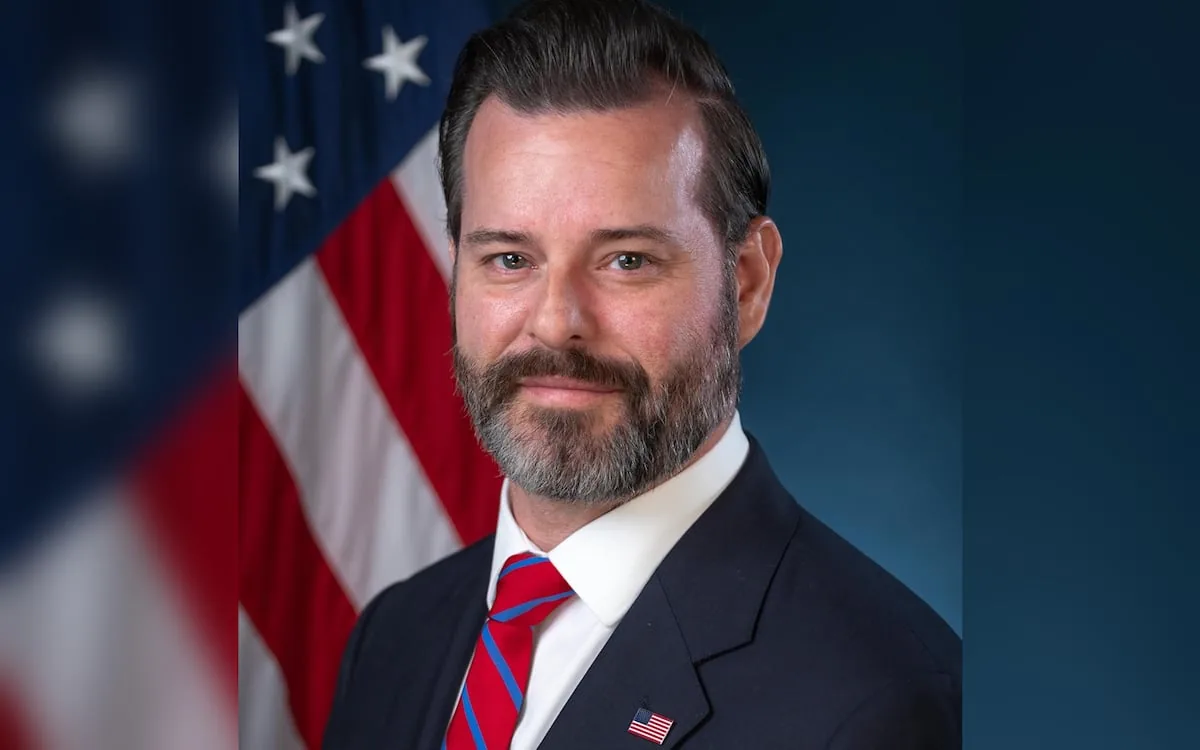
The visit of the CIA delegation, led by its director, John Ratcliffe, who arrived in Havana on Thursday on the military plane used for state trips, is the biggest milestone so far in negotiations shrouded in secrecy. In these two months there have been other meetings, but none with political weight and, above all, symbolic significance comparable.
The U.S. intelligence agency has been the great demon of the Castroist adventure from the start. In his fiery and lengthy speeches, Fidel Castro used to call the CIA the “executive arm” of U.S. imperialism, responsible for countless attempts at coups, sabotage, and assassinations against him. Including the 1961 Bay of Pigs invasion, the landing of about 1,500 Cuban exiles trained and funded by Washington to end the revolution.
Every Cuban has grown up haunted by these ghosts, in a state of permanent alert. The thirty-something teacher, who teaches at a school in the Havana neighborhood of Diez de Octubre, recalls that “the Government has speculated all its life” with the threat, real or exaggerated, that “the Americans are coming to war.” Universities still offer a core subject called Preparation for Defense.
“They educate us to be prepared,” the teacher continues, “and I think it has sunk so deep that right now people dream that they really come. The hardest part is the wait for a messiah to come from outside because we are incapable of saving ourselves.”
Like a premonition, on the same day as the CIA visit, Thursday, a disturbing message with echoes of the past began circulating on Cubans’ phones. A statement signed by the Army, but without official confirmation, warning that Cuba is “on the threshold of Option Zero.” That was one of the scenarios proposed by Castroism in the 1990s after the fall of the Soviet Union. Without oil shipments from the USSR, the regime had an extreme plan to survive: strict rationing, suspension of public transport, or temporary closure of schools and universities.
The strangulation was not total and the regime never pressed that button. But now, three decades later, that option zero is a fact. One day before the rumor started circulating on cell phones, the Minister of Energy and Mines, Vicente de la O Levy, announced that Cuba has not a drop of fuel left. “We have absolutely no fuel. We have no reserves.”
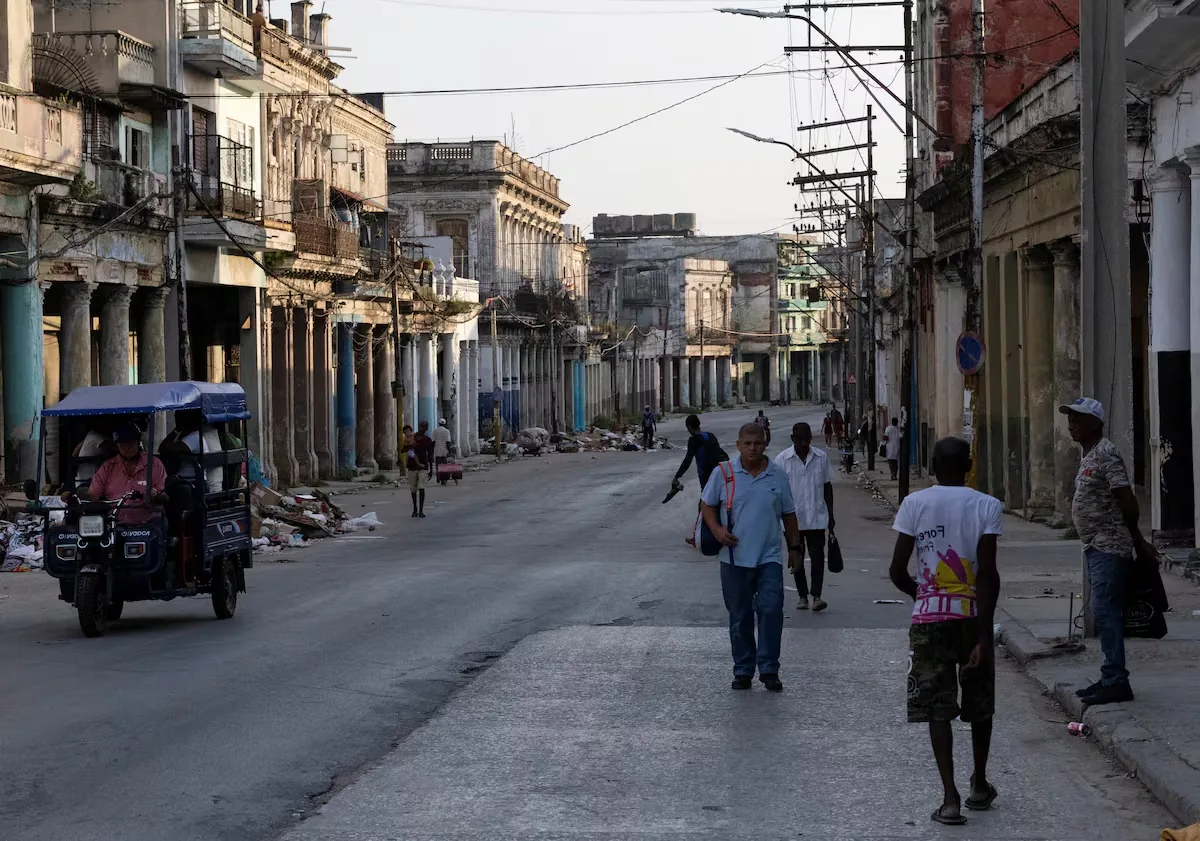
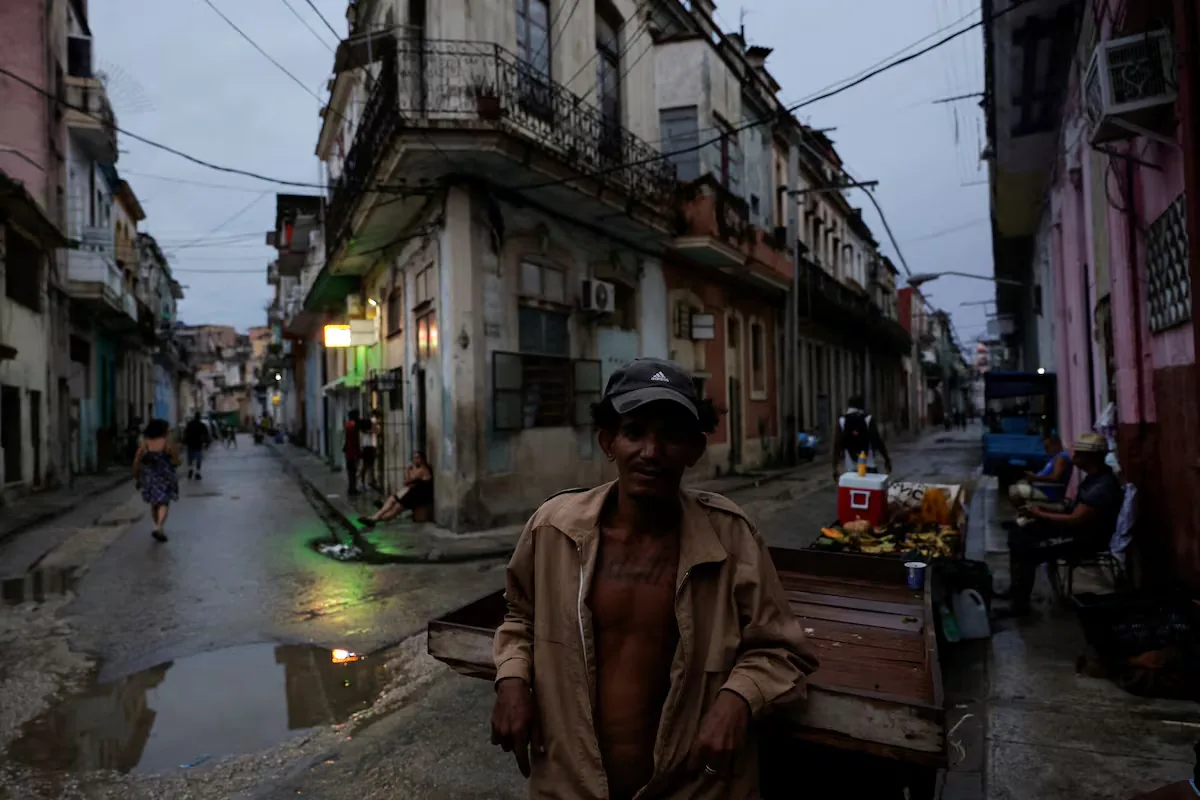
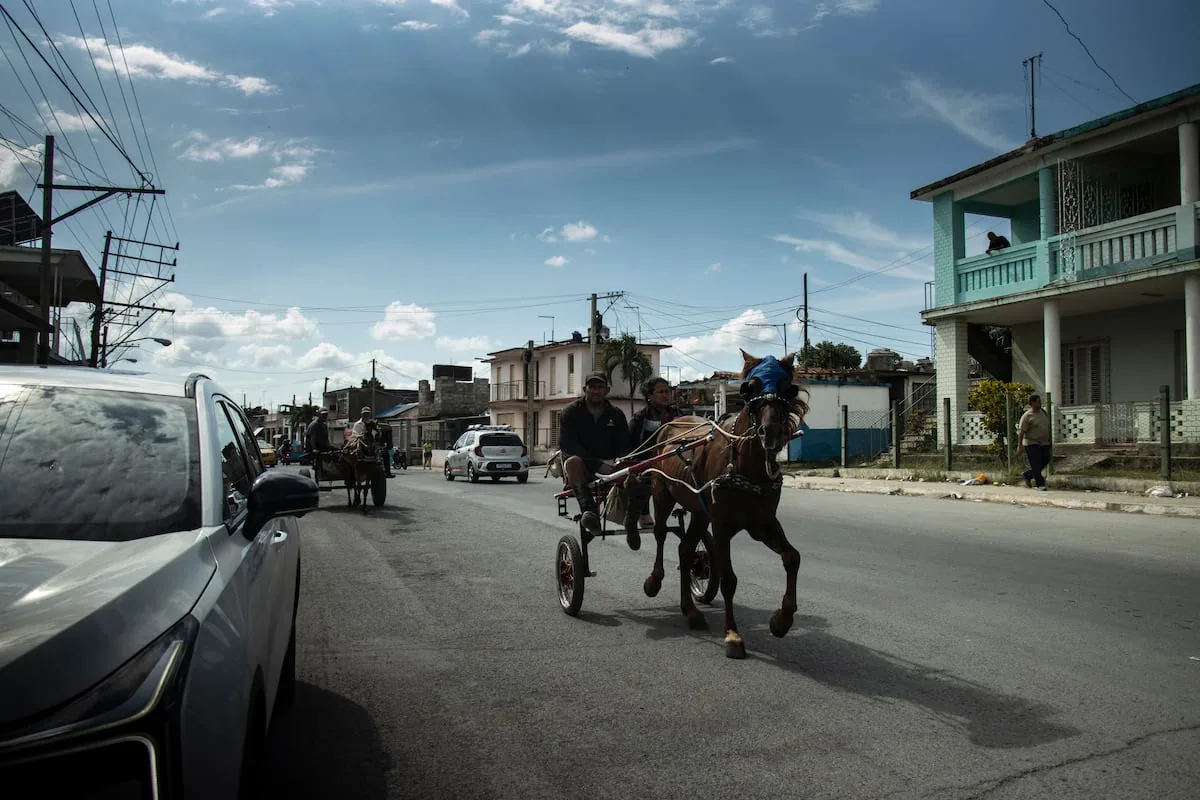
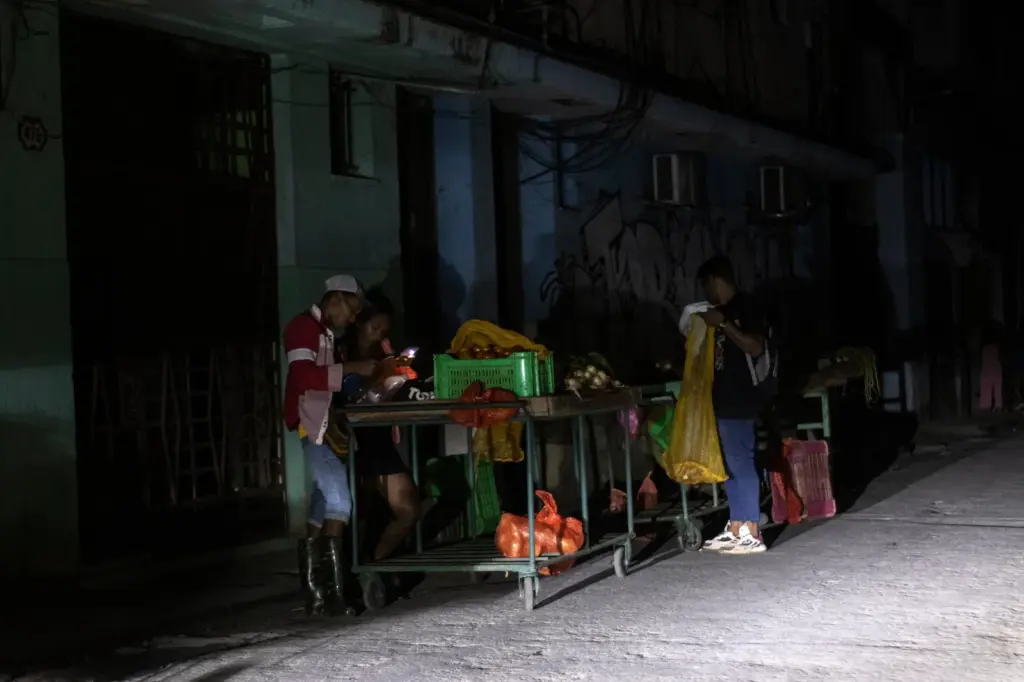
Cubans rushed to buy supplies in the already depleted stores of the country. “People are buying canned goods and bread because with the blackouts their food spoils,” says a Havana taxi driver, who also asks not to be named. To the blackouts, constant and increasingly prolonged, must be added serious problems in basic services such as hospitals or transportation. The University of Havana, the oldest and symbol of Cuban education, appeared these days empty and closed. “The feeling is of a dead place, where the youthful and university spirit died, vanished, I don’t know,” adds the taxi driver.
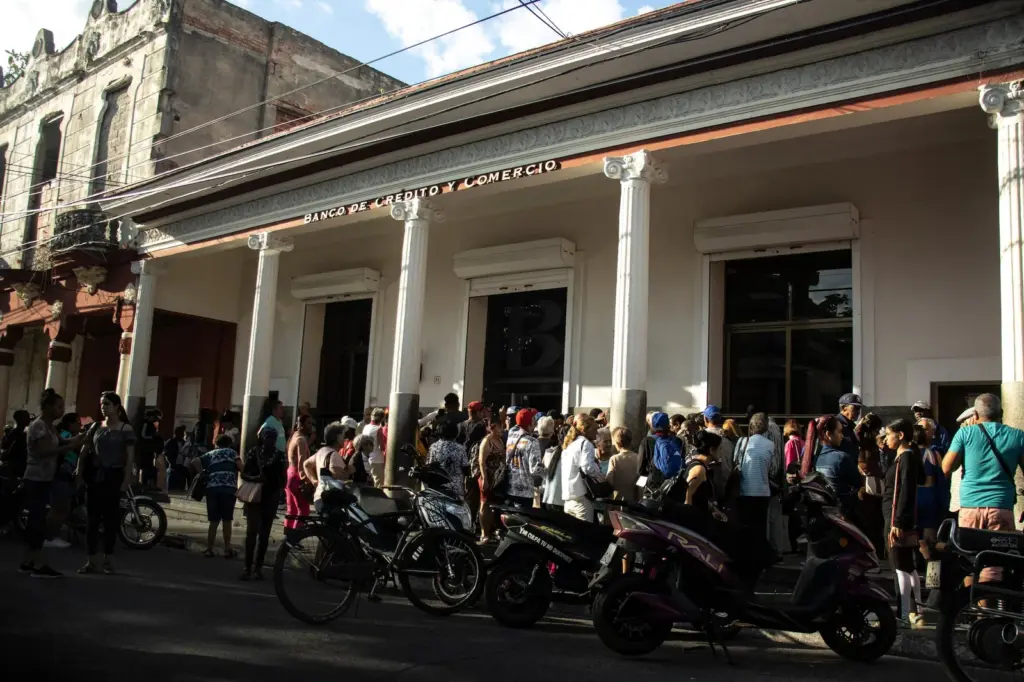
The outlook is not much better in one of the country’s tourist gems. Lourdes, 63, is a resident of Cárdenas, a small municipality near Varadero, the Cuban beach lung. When she spoke by phone for this report, the neighborhood had been without power for more than 40 hours. “Luckily I have a panel I bought with the money sent to me from abroad,” she says about the dollars she receives from extraperlo, bundles stuffed in a suitcase, from her family in the United States, one of the few lifelines for many Cubans.
“People survive with what they can. There is no water because it cannot be pumped without electricity. The food, the little there is, spoils. Prices are sky-high and what is in good condition is charged in dollars. This is not life.” About the huge beachfront hotels, she assures that “there they do have power.”
Help and protests
The pressure has been so great that the Castroist regime, cornered like never before, has been forced to accept the $100 million aid offered by the U.S. State Department in exchange for “significant reforms in Cuba’s communist system.” The terms of the negotiation, based on Trump’s logic of offers and punishments, remain unknown. But the warlike rhetoric of Castroism has softened.
Regarding the meeting with the CIA, the Communist Party of Cuba framed it as “part of the efforts to face the current scenario.” Faced with the increasingly critical situation, the population has staged timid protests, aware of the harshness of repression. Amid the collapse, the Castroist repressive apparatus is one of the few things still standing.
Read more Video | The emotions that move Abelardo de la Espriella’s voter: «He promises us a Miracle Homeland»
“Here people took to the streets,” says the Varadero resident. “But then those came [referring to the black berets, the special corps of the Ministry of the Interior responsible for defusing and repressing protests]. If you go out to protest, they make you disappear. And the whole street is full of informers.”
The Havana taxi driver adds that “shouts in the street are common, from the bricklayer to the doctor to the taxi driver: ‘Let this damn thing fall now!’, ‘I’m tired of all this damn thing!’ And the boldest already shout ‘Down with the Government!’. The testimonies collected in the capital speak of streets closed at night by burning trash bins, gas stations attacked with stones, people in the street banging pots and pans.
Abel, 45, is another taxi driver from Guanajay, a municipality in the rural province of Artemisa, on the outskirts of the capital, where he worked until January. Without gasoline and without work, he returned to his town, where he says “there is spying on social networks.” “If they catch you talking about something against them, they make you disappear. The people no longer want communism. We have seen how a lie that lasted more than 60 years has fallen. I don’t know what to think about the Americans, but I hope our lives improve,” he concludes.
The organization Prisoners Defenders has recorded a total of 1,260 political prisoners in Cuba up to April, 10 more than the previous month. They warn of an “unstoppable intensification” of repression, with “arbitrary detentions, temporary disappearances, threats, smear campaigns, and criminalization of any form of critical expression.”
D-Day?
There is a date that is repeated in several of the testimonies collected for this report. It is May 20, Independence Day, which commemorates the liberation from U.S. military occupation. On that symbolic date, according to several U.S. media citing high-level sources, a criminal complaint by the U.S. Department of Justice against former Cuban president Raúl Castro will be filed. One of the last guerrillas who came down from the mountains and the historic leader of the Revolutionary Army.
From Bayamo, a city in the south of the island, Maydelis Solano says “there is a lot of expectation.” “People think May 20 is approaching, that there will be a change. People want the Castros to leave. For all of them to leave, because otherwise we will not improve,” she points out. According to Lourdes, the Varadero resident, “nothing else is talked about.” “They say the bomb will drop on the 20th. I don’t know, but there is already so much misery that people don’t care about killing or being killed.”
If Castro’s prosecution is carried out, it would somehow repeat the pattern followed by Trump in Venezuela. First, the judges put the target in the crosshairs, and then the military execute the capture. That’s how the surgical kidnapping of Nicolás Maduro happened earlier this year.
For historian and political scientist Armando Chaguaceda, however, “the Cuban power structure is more homogeneous and compact.” “It is not a group of clans like in Venezuela. That is why some readings suggest it could better resist the U.S. siege, but at the same time it could trigger a collapse of the structure because it is very centralized.”
The Castros have steered the country with an iron hand for more than 60 years, only open to slight changes in the most difficult moments to guarantee their survival without ever losing power. That was the succession in 2018 to Miguel Díaz-Canel, the first president without the guerrilla lineage. A chapter, in any case, that has been developed under the design and supervision of the Castro dynasty.
Children, sons-in-law, or grandchildren of the family still hold key positions in the regime’s apparatus, as shown by the presence of Raúl Guillermo Rodríguez Castro at Thursday’s negotiation table with the CIA. Known as El Cangrejo, Raúl Castro’s grandson and bodyguard has been a constant in almost all the key moments of the negotiation between Havana and Washington throughout this year.
The Venezuelan example does not generate much enthusiasm on the island. “I have Venezuelan acquaintances who celebrated after what happened to Maduro and now they are disappointed. I don’t think the Americans are saviors. It’s a mistake,” says Talía, 38, a small business owner from the Havana neighborhood of Miramar. Things have not gone badly for her in the wake of the regime’s timid economic reforms, which have slightly loosened the market. Her children live in Italy and her analysis of the situation is bleak.
“Cubans kill Cubans. I think among ourselves we have done more harm than the blockade. Those inside and those outside. Those who bang the pots also steal from the warehouses the next day,” she sums up. She speaks of desolation and disenchantment to define the mood on the island: “We are all in a kind of collective depression. The joy of the Cuban has gone.”