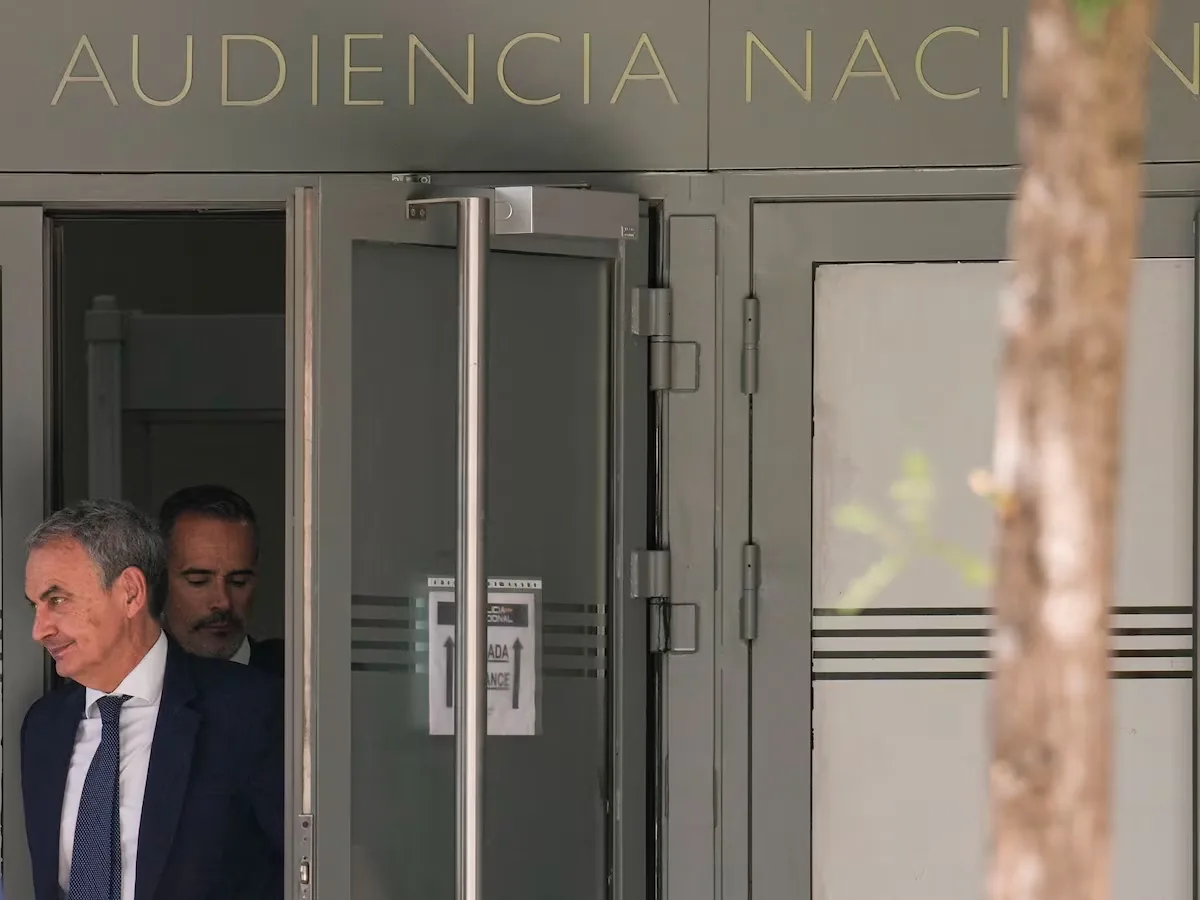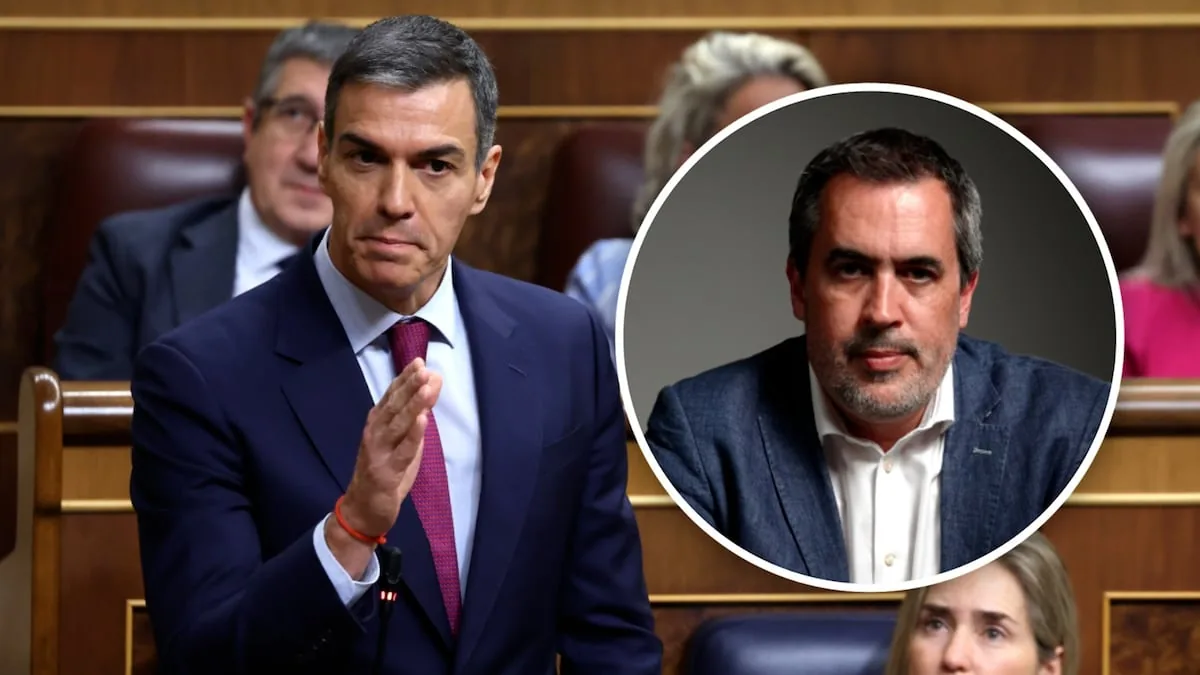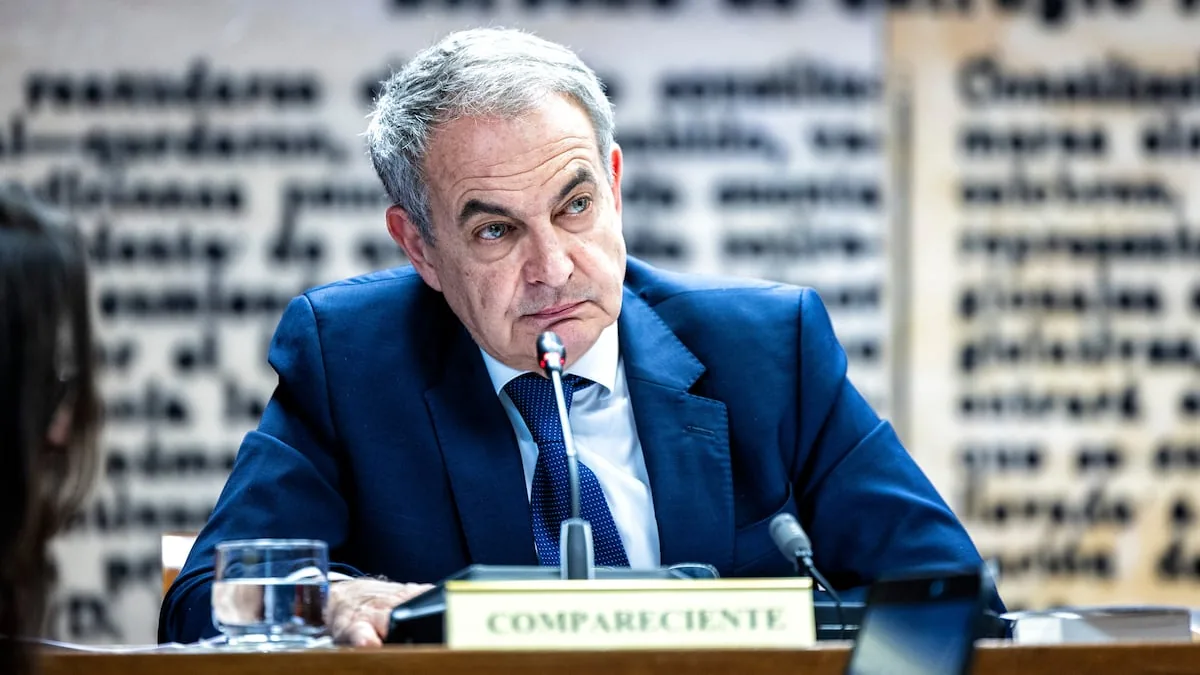








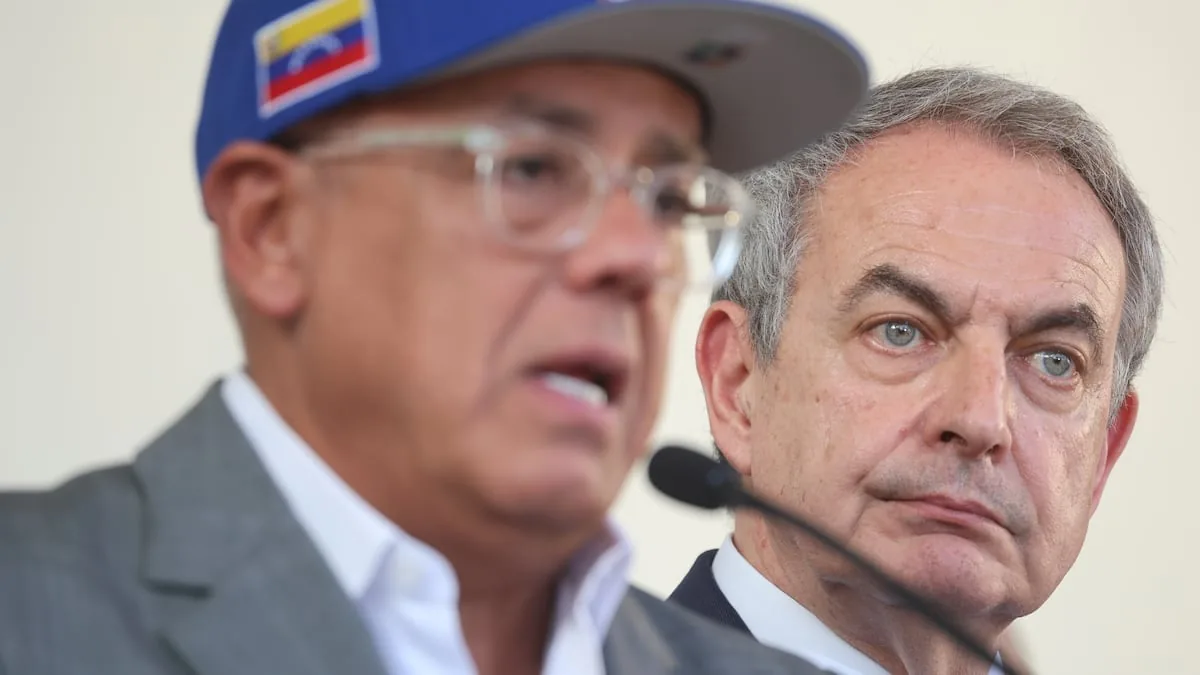
José Luis Rodríguez Zapatero spent the morning of this Wednesday at his home, meeting with his lawyer, following the episode the previous day when he had to open the door to agents from the Economic and Fiscal Crime Unit (UDEF) of the Police who appeared there to hand him the order from the National Court judge José Luis Calama, who links him to a network dedicated to influence peddling of which he was the alleged leader. The former Prime Minister is already preparing his next statement scheduled for June 2 at nine in the morning, but all those charged in the Plus Ultra case are aware that a complex investigation has begun in which any defection by one of them, as in all corruption cases, can drag the others into a dark judicial horizon. Zapatero’s future does not depend solely on himself; it is inextricably linked to that of the owner of the consulting firm Análisis Relevante, whose payments he will have to justify. The strategy of the Alicante businessman Julio Martínez Martínez, a friend since he left La Moncloa in 2011 and business partner, at least since 2020 and until his arrest last December, will directly affect the heart of the case.
Read more The Milei Government agrees with the United States on joint patrol of the South Atlantic
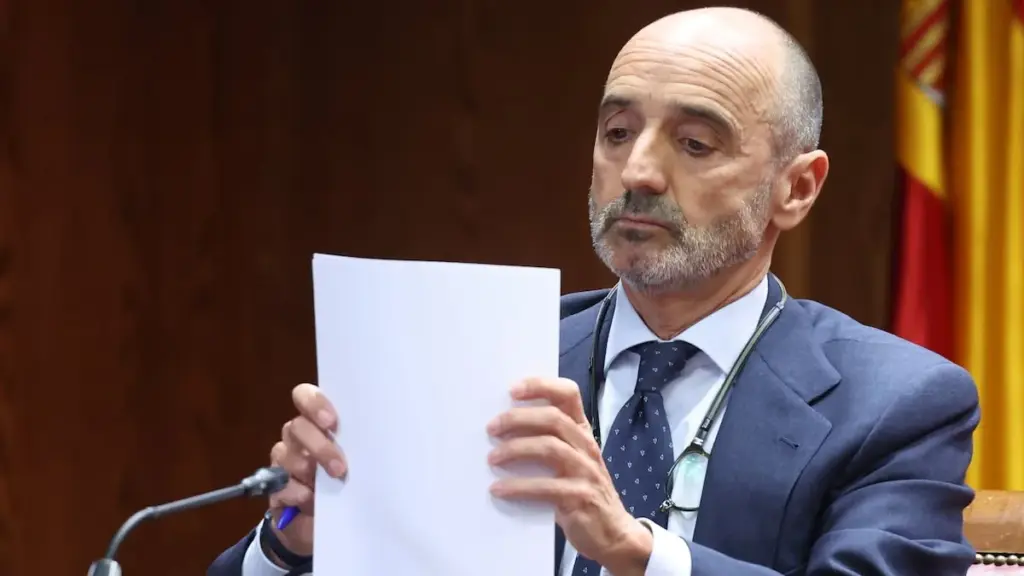
Zapatero has hired Víctor Moreno Catena, a professor of procedural law at the universities of Santiago de Compostela and Carlos III of Madrid who was also technical secretary general and undersecretary of the Ministry of the Interior during Felipe González’s governments. A trusted lawyer for the former prime minister. The ex-socialist leader is eager to explain himself and defend his innocence, and evidence of this desire is the video he made public this Tuesday while the UDEF was still searching the offices of the company Whathefav, owned by his daughters.
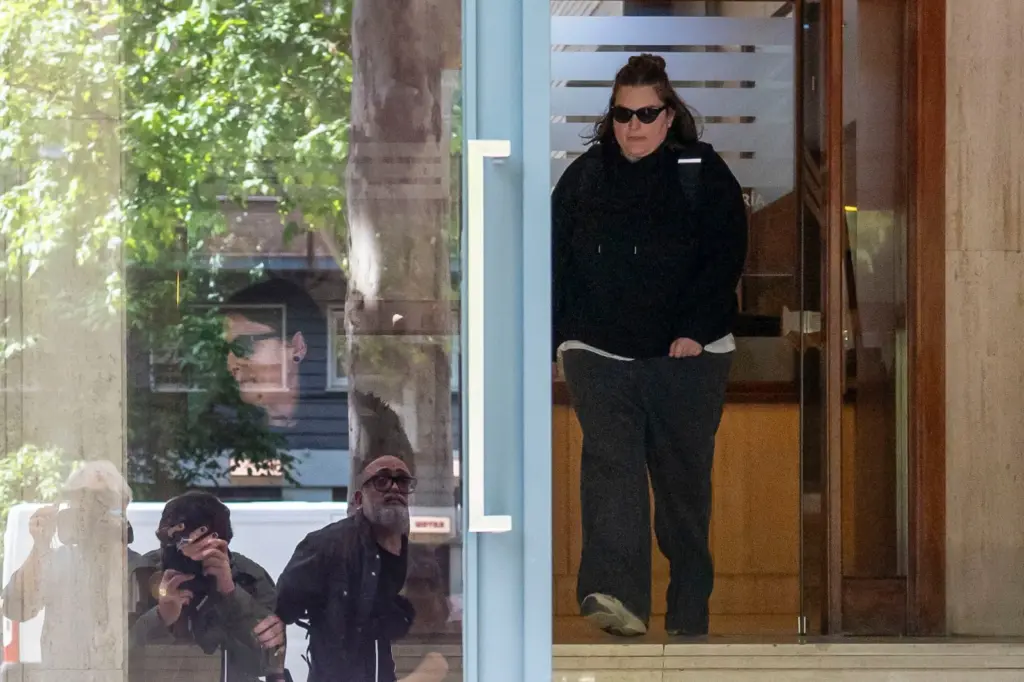
“I have never had a commercial company, neither directly nor indirectly, neither in Spain nor abroad,” he pointed out, in a statement that some lawyers in the case consider “premature” because so far the parties have not even been able to access the entire content of the file and therefore do not know what evidence the Anti-Corruption Prosecutor’s Office has. The judge of Court number 4 of the National Court, Calama, considers the former prime minister, who until now had highlighted the absence of corruption during his term, the “apex” of an “organized and stable structure” that deployed the politician’s agenda beyond Spanish borders to gain influence with businessmen who passed through the cash register of his friend Julio Martínez Martínez’s consulting firm, Análisis Relevante.
Precisely this link is what could put in jeopardy the defense strategy that Zapatero is articulating, which involves demonstrating, for example, that those “global consulting” reports existed and are well kept, as he already predicted when he gave his first public explanations in the Senate last March 2. Demonstrating that the activity of Análisis Relevante was real and that, consequently, the work of Whathefav in the layout of these consulting reports was also real is the first point to dismantle the judge’s thesis who believes that Zapatero, either with Martínez’s company or with that of his daughters, was receiving disguised favors.
But the former prime minister’s fate is tied to the explanations that Martínez Martínez also wants to give and which still have no date. The Alicante native has been building his own legal strategy separately for months because the judicial outlook for the businessman was not promising, considering that the UDEF found 300,000 euros in cash during the search of his home last December 11 and that an undeclared account with just over half a million euros has been located in Miami.
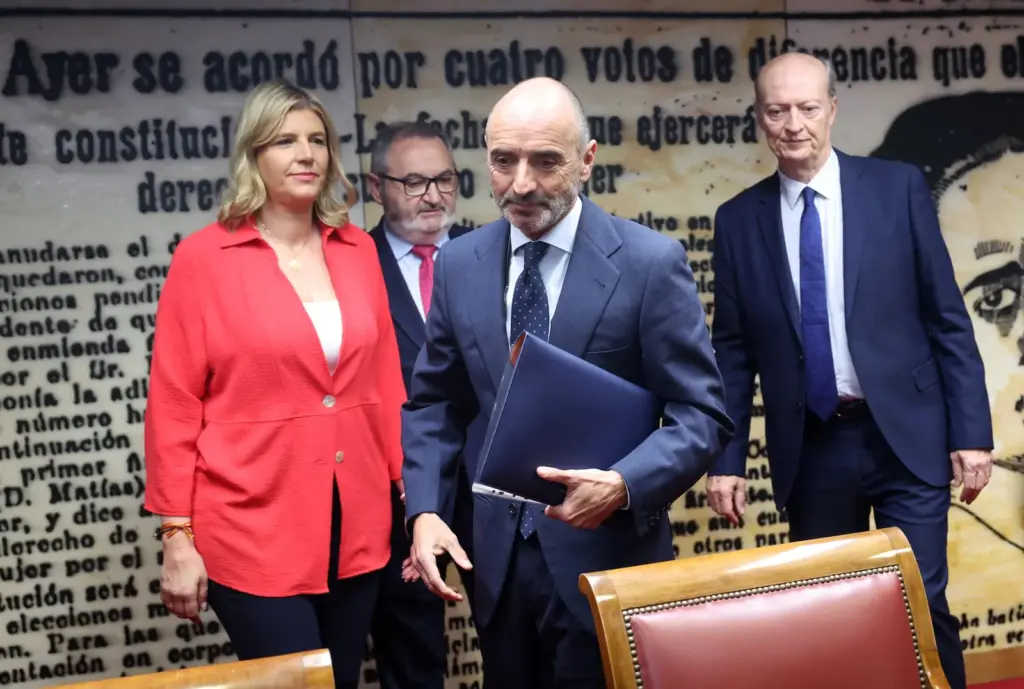
One day before his arrest at the end of the year, he had been running in El Pardo (Madrid) with the former prime minister. After the arrest, both cut direct communication out of “prudence” —according to what Zapatero explained to the senators— but publicly he did not abandon the businessman. “Who is Julio Martínez to you?” they asked him in the investigation commission of the Koldo case of the upper chamber. “A friend, first of all. And secondly, a person for whom I have provided services,” he argued. “He is my friend and I reiterate that he never asked me for anything strange,” he insisted then.
The judge’s order offers a thesis with quite different nuances. Calama portrays the Alicante native as a front man, the “person responsible for client acquisition and operational management of the assignments” and the intermediary with those who wanted to reach Zapatero. The magistrate explains that the two “adopt behaviors aimed at avoiding establishing a direct link with the illicit activity” and that, for this, they use the assistants of both ―the secretary María Gertrudis Alcázar and Martínez’s employee Cristóbal Cano. “Julio tells me he will leave with the President, but they usually do not record it. I hope I have explained myself,” Cano told Gertrudis one day when both were in the Authorities Room at Madrid-Barajas airport.
Venezuela
Martínez Martínez not only knows the ins and outs of the business for which he paid Zapatero, he is also well aware of the socialist leader’s activity in Venezuela. And this is another piece of the investigation that the magistrate will probably want to clarify because he gives a good account of it in his writing.
Calama believes there are people, such as Eudoro Antonio González, a Venezuelan lawyer and former deputy, who communicated with Julio Martínez when, in reality, they wanted to reach Zapatero. He details a message from March 14, 2023: “Good morning, President. Greetings.” That “president” sent to Martínez is, according to investigators, a way to reach Zapatero. The message continues explaining that someone “has gone to Edmundo’s house [the judge points out that this is Edmundo González, Venezuelan opposition member] to visit him and inform him that he was in Venezuela as your ‘representative.’” Then it specifies: “I leave this for your knowledge.”
Read more Barricade yourself on the first floor or open up to the second
Another conversation that takes place a year later supports this idea. On July 16, 2024, there is again a conversation between Martínez and Eudoro Antonio González, in which he forwards a message: “Ocariz [apparently Carlos Ocariz, a former Venezuelan deputy] is bold, with doses of anxiety” and details: “Clarify to Edmundo that the message to Ocariz was that the interlocution corresponds to Aveledo and you. Anyway, let’s see if this way I get rid of him…,” says the exchange. It ends with: “Response from Z.”
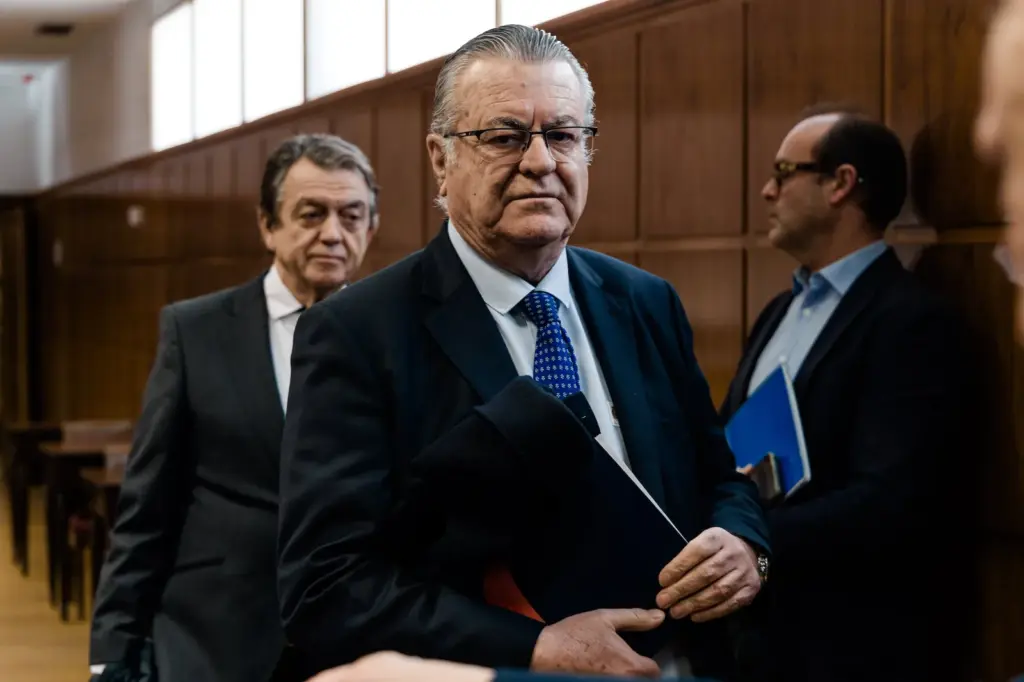
The UDEF has the chronology of the alleged criminal activity woven through the messages from the phone of Martínez Martínez, the president of Plus Ultra, Julio Martínez Sola (they share name and first surname, but are not related), the company’s CEO, Roberto Roselli, and the lawyer Miguel Palomero. And with this data that the United States has also provided about Rodolfo Reyes (former owner of Plus Ultra).
Pretrial detention
The accused begin to move their strategies and Zapatero will debut in a crucial statement because it marks a first layer of credibility on which the rest of the statements will be analyzed. As usually happens in corruption cases, a repentant or someone who wants to make a deal with the Prosecutor’s Office can ruin the versions of the others.
It happened in the Koldo case when Víctor de Aldama decided to start cooperating with Anti-Corruption to obtain benefits in the sentencing request during the trial. Thus, the messages already included in the file took shape with Aldama’s account and the Anti-Corruption prosecutor had enough material to accuse the former Minister of Transport of serious crimes for which he requested 24 years in prison. Throughout the entire investigation phase, the idea that Ábalos might also want to start a dialogue with the Prosecutor’s Office and point higher up the chain of command constantly hovered.
In this matter, all eyes are on Julio Martínez Martínez, Zapatero’s close collaborator and supporter. Legal sources are already beginning to interpret some moves, such as the fact that the first words after the arrest of the former friend were given specifically to OKDiario. And that the chosen words were: “I could never imagine that a former Prime Minister could be charged and less Zapatero, I thought he would get away with this.”
For now, the investigation already has all the elements to turn it into a media mega-case: a sea of popular accusations that have been appearing or are trying to. Among them, the pseudo-union Manos Limpias, the political party Iustitia Europa, the association Liberum, the PP, Vox, and the ultra-Catholic association Hazte Oír. The judge has set the bail at 5,000 euros each.
The last two have already requested that Zapatero’s passport be withdrawn and that he be required to appear biweekly in court. In addition, some lawyers for the accusations announce that they will request pretrial detention for the former prime minister. The key is what the Anti-Corruption Prosecutor’s Office will request, which, for example, did not request this precautionary measure for former minister Ábalos until the end of the statement. Legal sources have many doubts that Judge Calama, who has not even allowed the search of the former leader’s home, will send him to pretrial detention because the requirements of flight risk, reoffending, or destruction of evidence are not met.
Read more A new forensic report concludes that Negreira does not have the capacity to stand trial