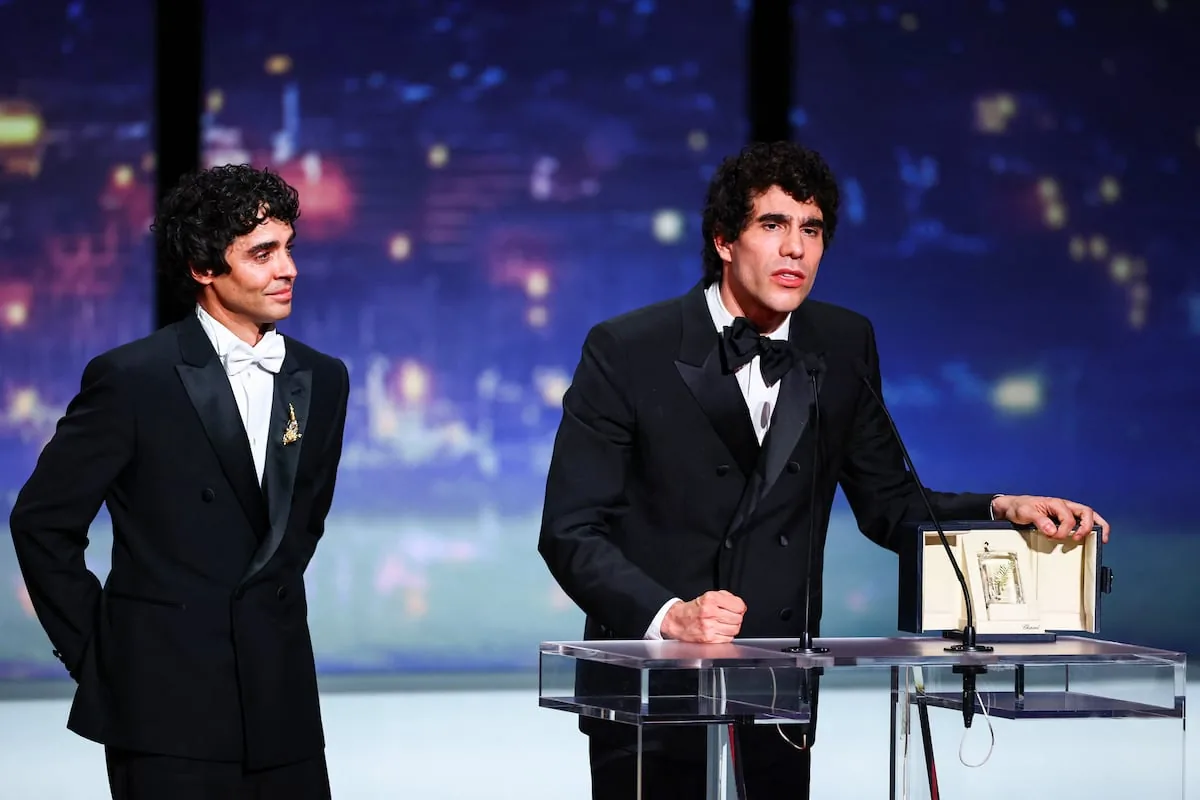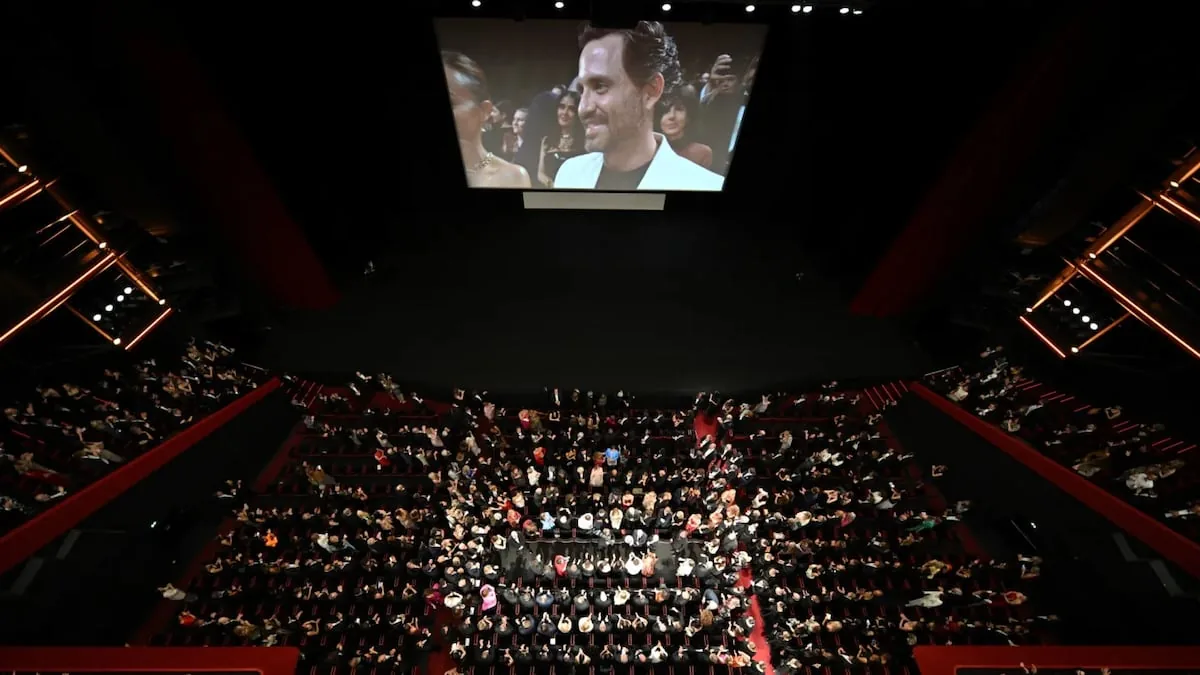








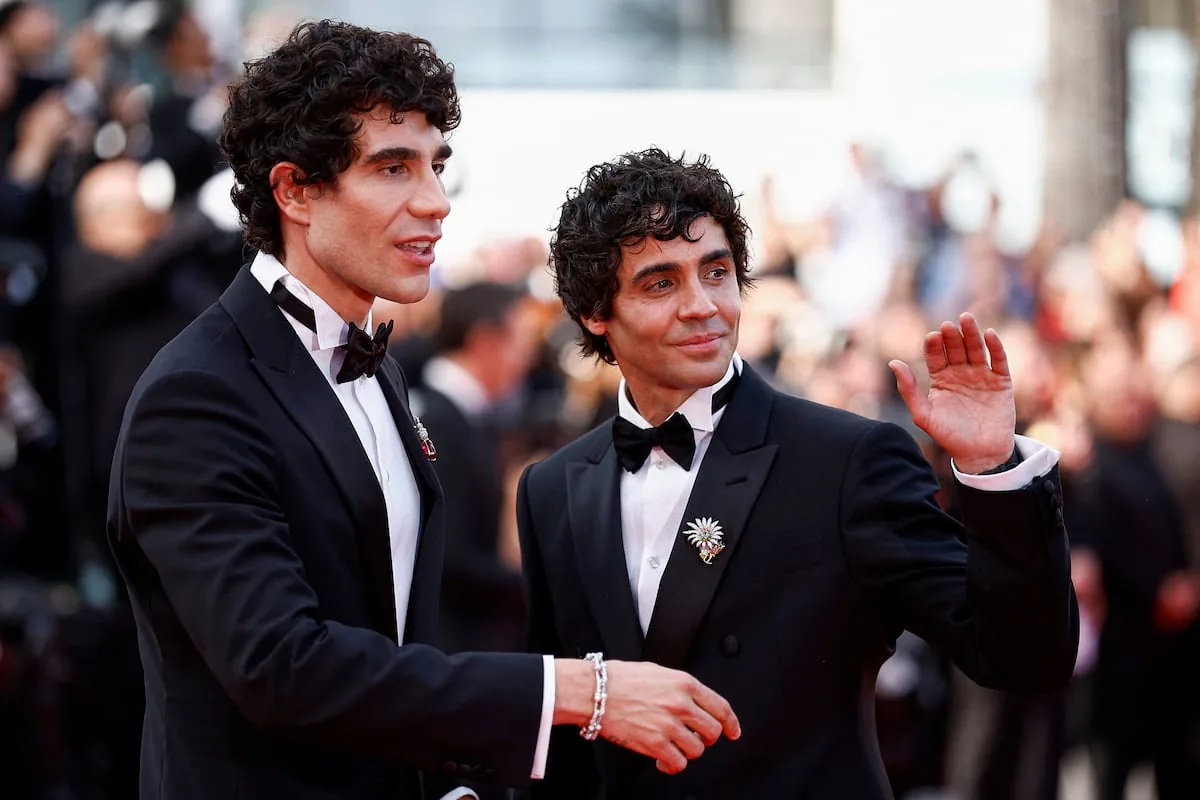
The night from Wednesday to Thursday felt very long for Javier Ambrossi (Madrid, 41 years old) and Javier Calvo (Murcia, 35 years old): they were checking the image and sound in the grand Lumière theater, the gala screening room of the Festival Palace, at 3:45 in the morning, after finishing the last session, the midnight section, and emptying the auditorium for 2,200 people. “At that moment we were already aware that we were in Cannes, that the moment had arrived.”
Read more The National Court orders the blocking of 490,780 euros from Zapatero’s bank accounts
Hours before the premiere gala in the Competition of La bola negra, which is essentially their second feature film, the Javis sit down to chat with a group of Spanish journalists. The film barely made it to the market previews last weekend “because the sound post-production was very long, but everyone worked to fulfill the dream of being here”; now, after the first press screening, they have to delve into this drama where three stories from three eras intersect: 1932, 1937, and 2017. Everything will make sense in the end, and the filmmakers came eager to give headlines.

The first appears with his first response, because Federico García Lorca sews the plots, his spirit supports the entire film. “Lorca is not a chimera, he is not an idea, he was a person. And Federico García Lorca was murdered for being gay. It is very important to claim that history is not a line of text, history, as the Hispanist played by Glenn Close says, is people,” Ambrossi begins.
Calvo continues: “It is impossible to separate an author like Federico García Lorca from his intimate desires. It has been said a lot that, well, Federico’s sexuality doesn’t matter… But how could it not matter if all the plays talk about his heartbreak, his fear, his inability to have children, because Yerma is him. All the love and heartbreak Lorca felt during his life was what built his work. La bola negra is a story of loves because Lorca’s loves were silenced. When Abc published Los sonetos del amor oscuro, it removed ‘oscuro’ (dark). Dark love is something that must be claimed because it has been very hidden, in the shadows. Even many stories about Federico have been made in film and theater from a very heterosexual perspective. It’s good that it has been kept alive and revisited. However, I think that queer Federico has not been present at all in art in our country.”

Ambrossi picks up the thread about those buried loves, in the style of a childhood memory of the Granada writer: that of a plow that one day collided while making its furrows with a Roman mosaic. “These are loves that sometimes cannot even exist, as happens in the film, where you can’t even recognize yourself, nor say that you are homosexual to start a life. I mean, there are many ways to cap the future of an LGTBIQ+ person. Many, even to murder you.” And that is why La bola negra serves as a tribute. “We live in a present in which, to honor the people who have fought and died, we at least have to be happy, try to enjoy our freedom and claim that not a single step back can be taken. And yes, the present is scary.”
Calvo emphasizes that “the threat exists, it is on the street, and there are people trying to make fascism fashionable.” How to fight against that? “We try with our work, making stories in which everyone can get involved from the heart.”
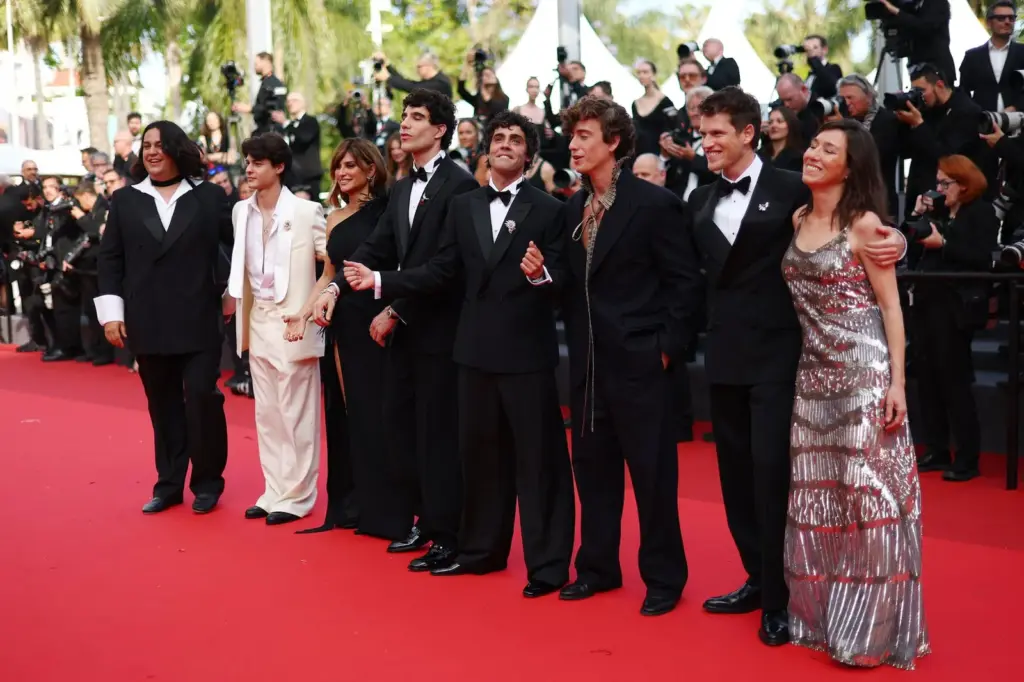
La bola negra is a very ambitious film, with a monumental structure and a spirit as poetic as it is epic. “We wanted it to be a big film to claim that LGTBIQ+ stories can be big and don’t have to appeal to a niche. It is our flag. Also, the three lead actors, Guitarricadelafuente, Milo Quifes, and Carlos González, are openly gay, because just because it’s a big project we won’t give the leads to straight actors, which is what has usually happened.”
Read more United States deploys its aircraft carrier USS Nimitz in the Caribbean amid campaign against Cuba
At one point, the phrase is heard: “The heart of a gay man is an ocean full of secrets.” “It’s our reference to Titanic!,” they cheer jokingly. “There they said woman,” Ambrossi explains. “Well, we wanted it to have a little Titanic touch, or The English Patient. That Hollywood that fascinates me. And that made me dream of cinema.”
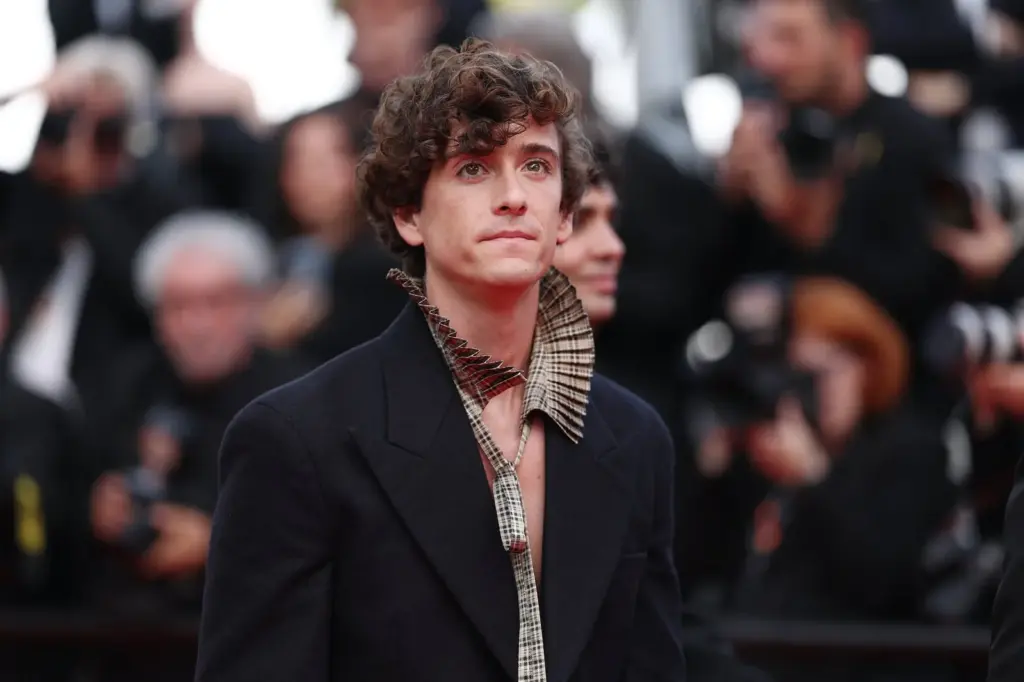
The first spark did not arise when they saw the play La piedra oscura, by Alberto Conejero, which moved them and on which the narrative part surrounding Rafael Rodríguez Rapún, “Lorca’s deepest love,” is based, but years later. For a trip to Ibiza, and finishing writing the last two chapters of La mesías, Calvo took a small book from his library for the trip, and it was La piedra oscura. “I read the prologue, when it tells about the bombing, and I started crying. It touched a chord inside me. I told Javi, because we had another stuck project that we will do someday, and we started. We imagined through the few surviving pages of La bola negra [a draft of a play that Lorca barely wrote a few pages of, whose original title, La bola negra, he transformed into another new one, La piedra oscura] how it would be complete. And we added a contemporary context. Then we gradually fit dates and wove stories.”

Did they hesitate about whether or not to bring Federico García Lorca on screen? “A lot,” they answer in unison. “Until the very day of shooting we thought about it. But we had the playwright Alberto Cortés, who appeared to bring Federico to life, and it was magical. It’s curious how something you thought was unnecessary becomes the cornerstone of your film.” Calvo adds: “Reading Federico’s letters, I came across a letter from Dalí to Lorca that says: ‘Federiquito, as you always say, if I die, let the gentlemen know.’ It was a phrase that had to be in the script, that he had to say.”
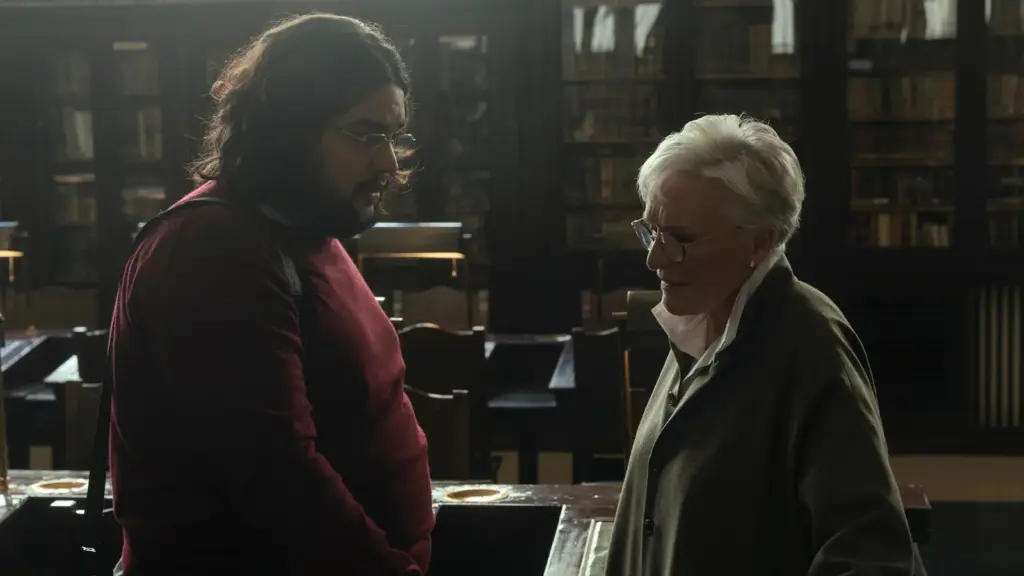
Glenn Close wrote them an email when she saw La mesías, telling them she connected a lot with the series “for family reasons” and inviting them to see her in New York. They went and talked about several projects that never materialized. Later, when writing this alter ego of Ian Gibson, they thought of her. “She accepted the same night we sent the script excerpt. And she studied Spanish with a Cervantes teacher while filming The Hunger Games in Germany. There’s another movie there.”
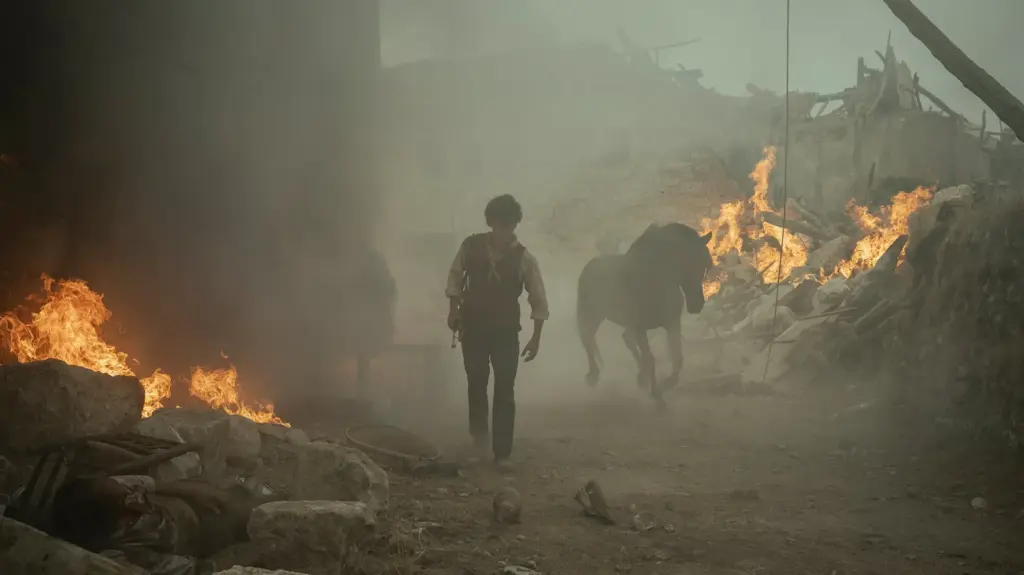
The other big guest star, Penélope Cruz, arrived similarly to Close. “She heard we were going to make La bola negra and called us that afternoon,” Calvo confesses. “She asked if she could do something, and there was the role of a cupletista who performs with the dance troupe in a tank. She wanted to do a musical, she threw herself to the lions with many extras… Last night, I was thinking in the Lumière: what force has guided us to bring us here? Well, the cinema we love, the one that takes you places, the one that makes you dream.”
Read more The Guardia Civil incorporates 30 undercover motorcycles to monitor motorcyclists