


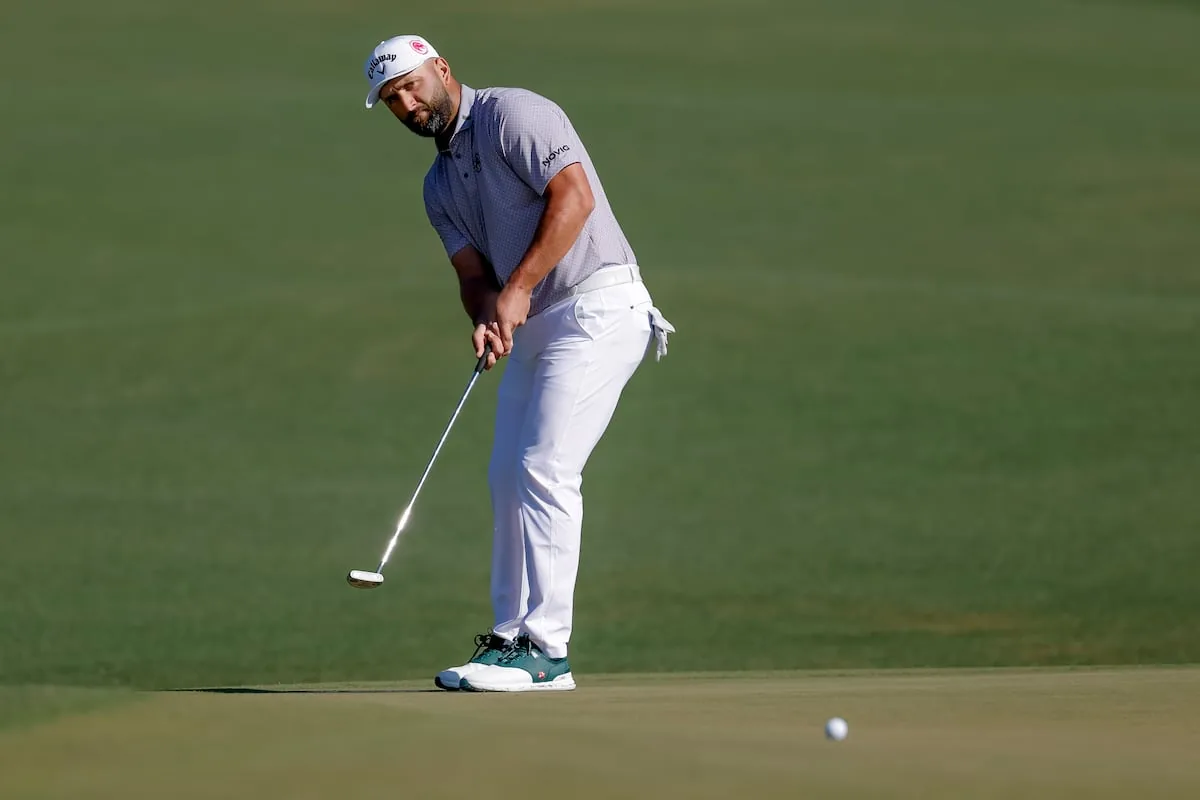
It was born thanks to money and because of money it could die. LIV, the Saudi golf League, sees its existence at risk. The Saudi Sovereign Fund, PIF, which has injected billions of dollars to create this groundbreaking competition, is considering shutting off the oil tap. And without that funding, the circuit would have its days numbered. The low profitability of the League and the absence of a major sporting impact have combined with the geopolitical situation to convince the Saudi government to close that chapter and focus on other investments such as the 2034 World Cup.
According to Fox, owner of LIV’s TV rights in the United States, the circuit will complete the rest of the season (the sixth tournament of the fifth season started this Thursday in Mexico) and will close afterwards. Scott O’Neill, the League’s CEO, has confirmed in an email to players survival through 2026, but with no further promises. Behind lies a sport divided between those who switched sides and those who stayed in the traditional circuits, a split that has condemned fans to see all the stars together only in the four majors instead of every week.
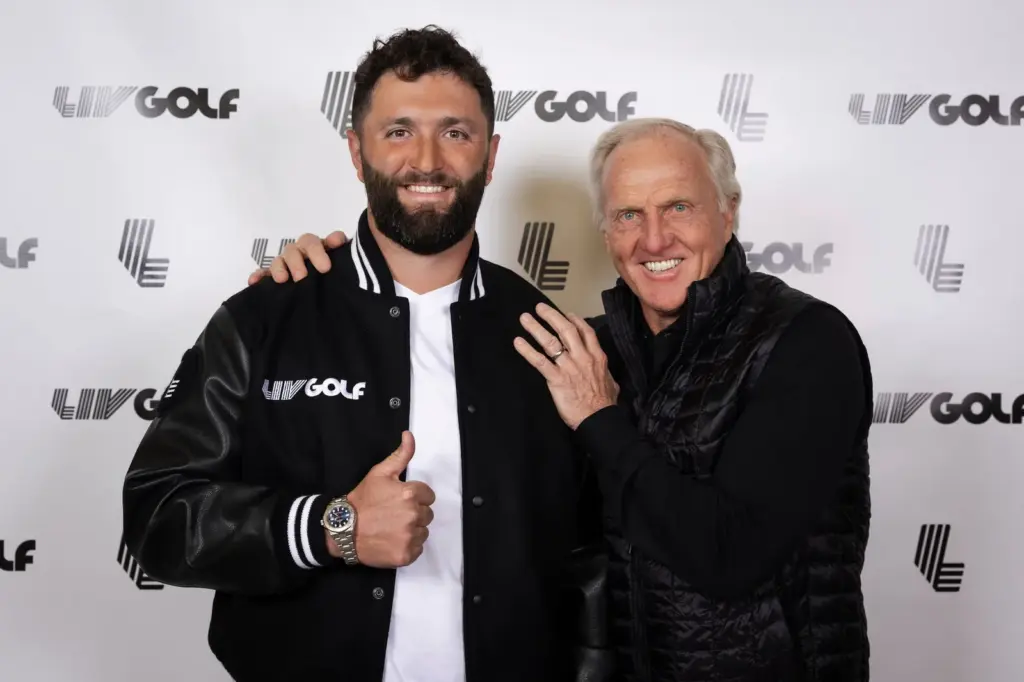
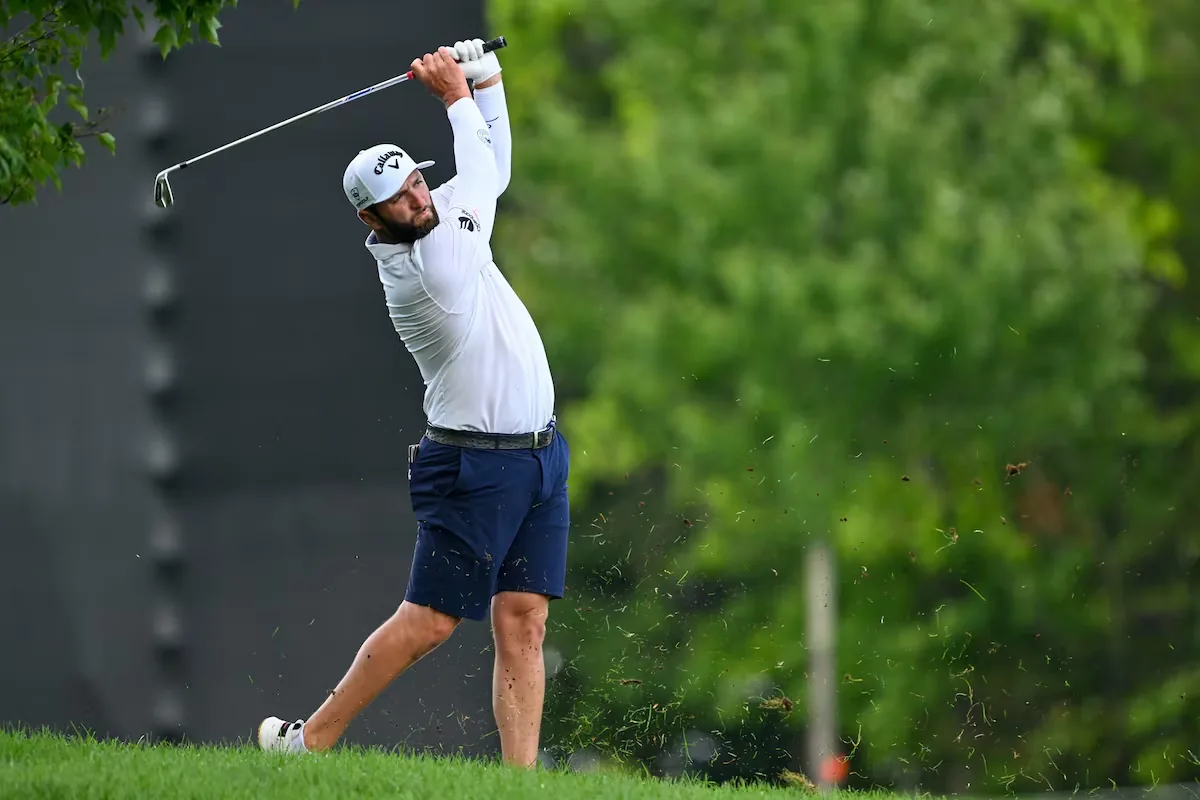
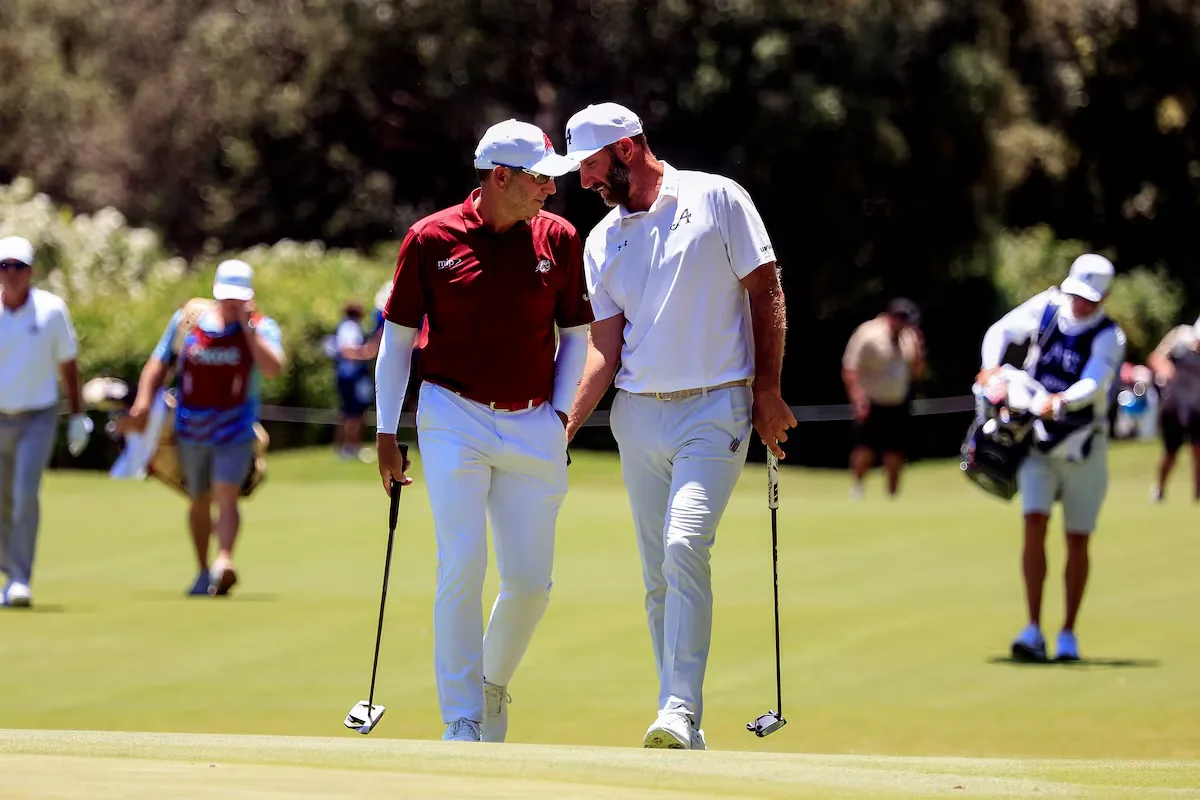
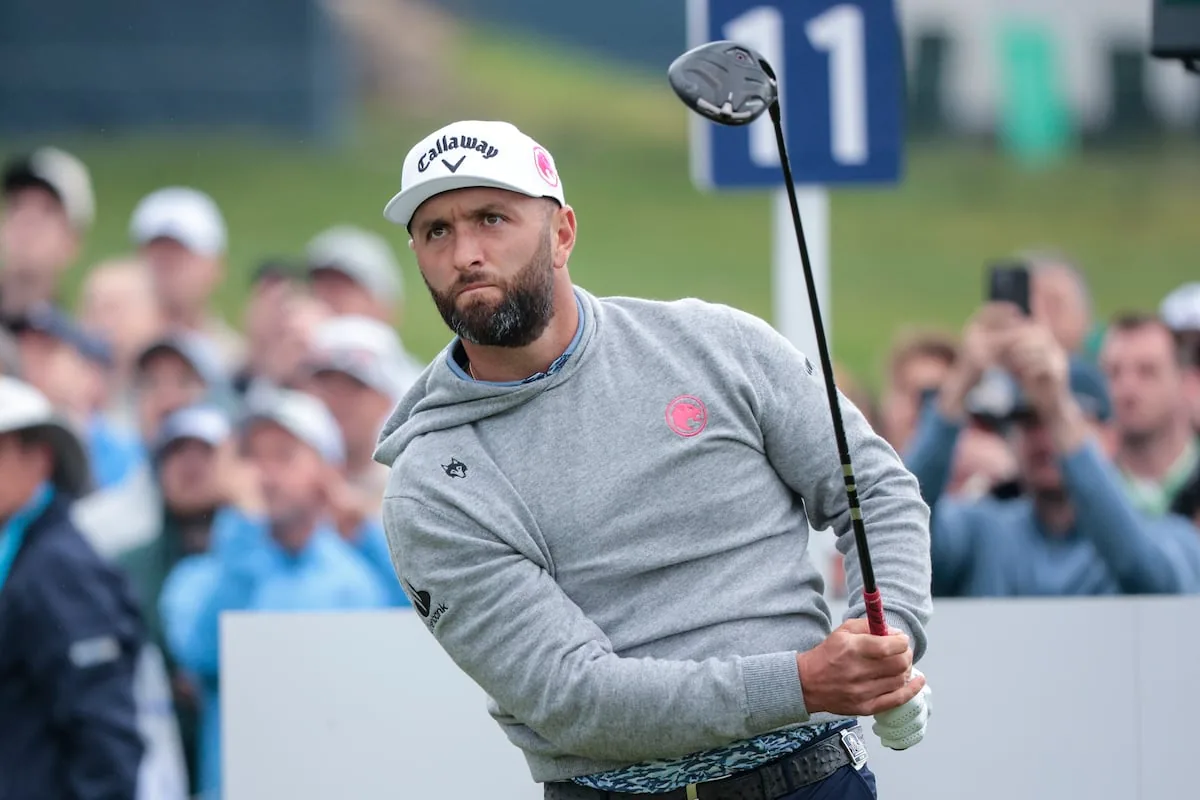
The revolution broke out in June 2022. LIV disrupted the market with new rules (54 players, three rounds, no cut, and music on the course), a first edition of seven tournaments, $255 million in prizes, and signings by checkbook like Dustin Johnson, Phil Mickelson, and Sergio García. They were followed by Bryson DeChambeau and Brooks Koepka and later Cameron Smith and Jon Rahm, the last big fish, in December 2023. Since then, the sticker album has not recorded any major signings and the product has not taken off as expected.
LIV is what it is. Audiences and TV contracts in the US, the big market, have been meager compared to the PGA Tour, and attendance at tournaments, except for exceptions like Adelaide and South Africa, has also failed to meet expectations despite aspirations to be a global circuit. Sportingly, competing in a closed League, with a guaranteed contract, less competition, and a more playful atmosphere has created a less competitive environment for its players. Only Koepka (PGA 2023) and DeChambeau (US Open 2024) have won majors while on its roster. Cameron Smith, who arrived as world number two and British Open champion, has disappeared from the map. Koepka has packed his bags and returned to the American circuit, and Patrick Reed has emigrated to the European one.
Rahm, Masters winner the year he signed, is not the great player he was, a giant who contested the world number one spot. LIV is too small for him.
Read more Correos pays tribute to EL PAÍS on its 50th anniversary with a commemorative stamp
The League’s hallmark, where it has made a difference, is team golf. In exchange, and in its quest for acceptance by world golf, LIV has ceased to be LIV since it accepted changing from 54 holes (hence its name, LIV is 54 in Roman numerals) and three rounds to the traditional 72 and four rounds for a handful of ranking points. It lacks establishing a cut in tournaments and a more meritocratic system of promotion and relegation to resemble the major circuits. LIV has moved between what it intended to be, a revolutionary product, and what it intended to achieve, that its players enjoyed all the advantages of the already established system.
In that transformation path, money has flowed abundantly. Since its inception, LIV has distributed more than $1.5 billion in prizes alone. Rahm, winner of the individual classification the two seasons he has played and leader this season, is the highest earner, $87.7 million, ahead of Chilean Joaquín Niemann’s $71.6 million and American Talor Gooch’s $68.7 million. And that without counting the lucrative contracts for their signings. The Spaniard signed for about $300 million plus a stake in his team, Legion XIII. “Money is one of the reasons I made this decision,” he said. In response, the PGA Tour increased the checks.
Saudi extravagance has had no return. Between 2022 and 2024, the deficit exceeded $1.46 billion in a constant succession of losses: 324, 527, 615. The competition is not profitable.
The future of the 57 players in the Saudi League will be in the air if the business confirms its demise. Among the five Spaniards, only David Puig has a European Tour card and therefore a clear way out. Sergio García, Josele Ballester, and Luis Masaveu are not members and for now could only take refuge in the Asian Tour. And the big star, Jon Rahm, must pay accumulated fines, around three million, if he intends to maintain his membership, compete in his competitions, and be eligible for the Ryder Cup. The Basque rejected the agreement offered by the DP World Tour, which eight LIV players did sign, to close that account and enlist without further penalties in the Saudi League in exchange for playing six European Tour tournaments this season. Rahm only accepts the minimum of four and negotiations continue. The Spaniard also said no to the Koepka route, the homecoming offered by the American circuit under the same economic and sporting conditions as the American. Rahm referred to his contract with LIV. The winner of two majors has not taken the hand of the PGA Tour nor the European circuit and now the Saudi manna is running out. The great golf revolution is nearing its end.