









EL PAÍS offers the América Futura section openly for its daily and global informative contribution on sustainable development. If you want to support our journalism, subscribe here.
Read more The five highest-rated battery-powered brush cutters on Amazon to effortlessly care for your garden
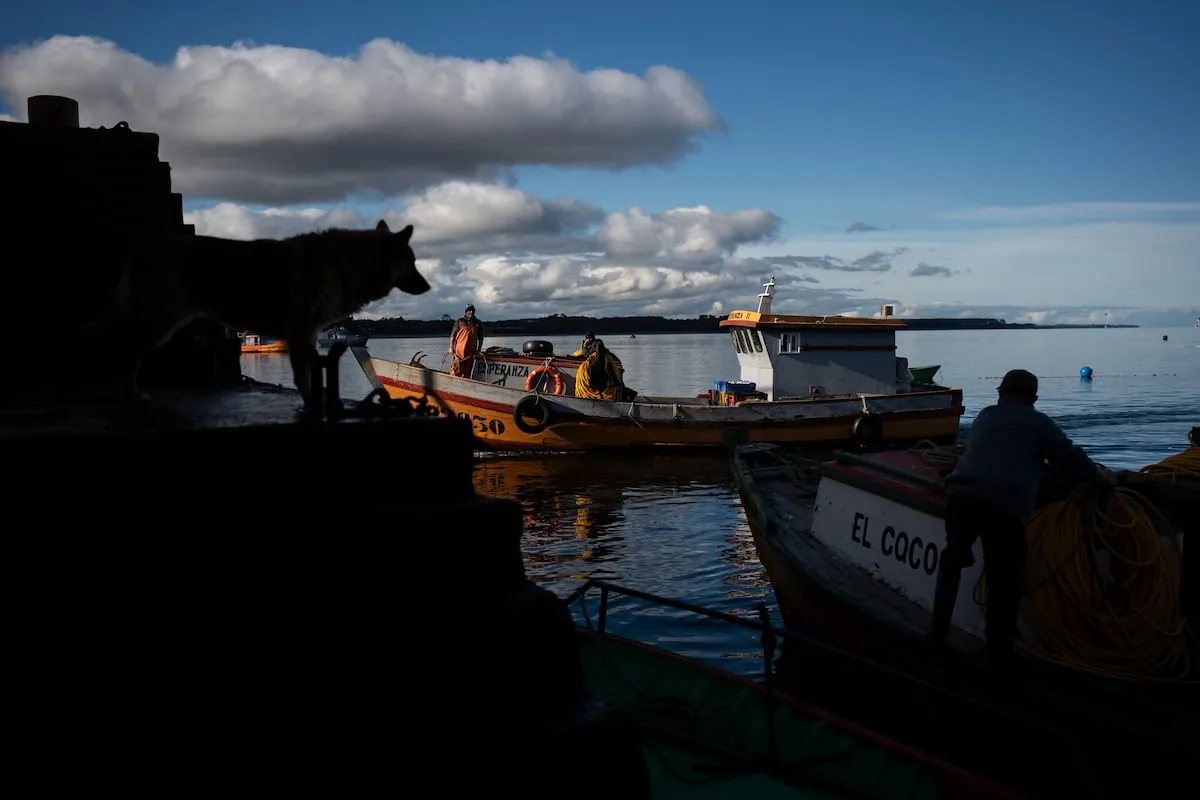
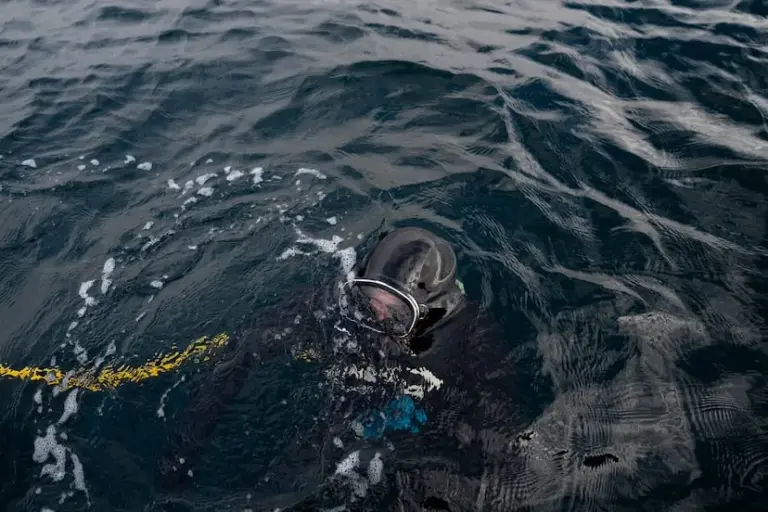
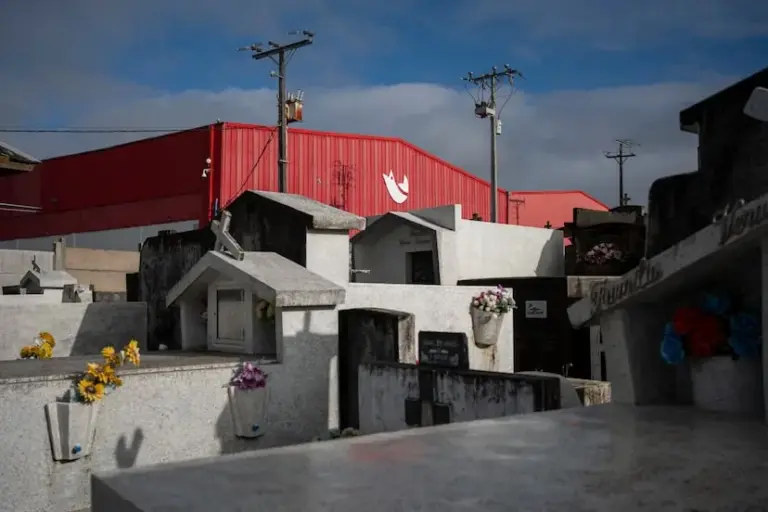
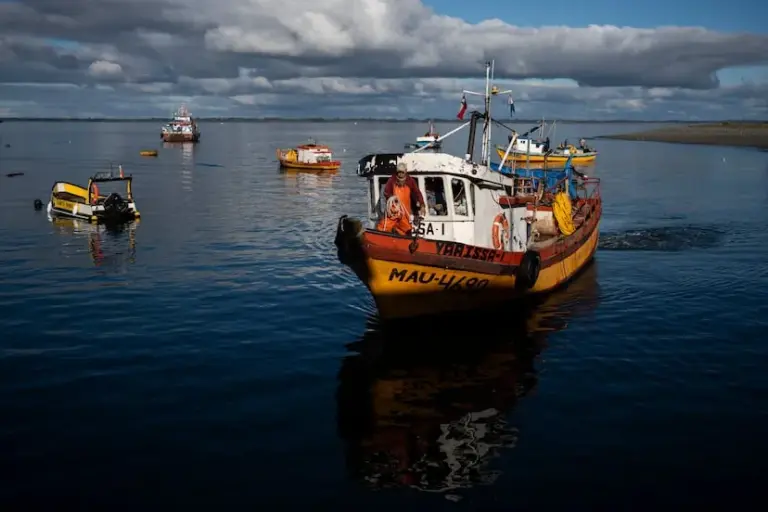
In Carelmapu, a small town at the gateway to Chilean Patagonia, everything revolves around the sea and the divers. Upon entering the port, there is a blue mural depicting one in the marine depths and, in front of the boats, there is a statue of a diver looking at the sea wearing a diving suit, holding a pair of fins in his hand. But today Carelmapu is no longer just the town of the divers: it is also the town of some of the widows of those who worked in the salmon farms. In Chile, in just over ten years, nearly a hundred people have died in accidents occurring at salmon farming centers in its seas.
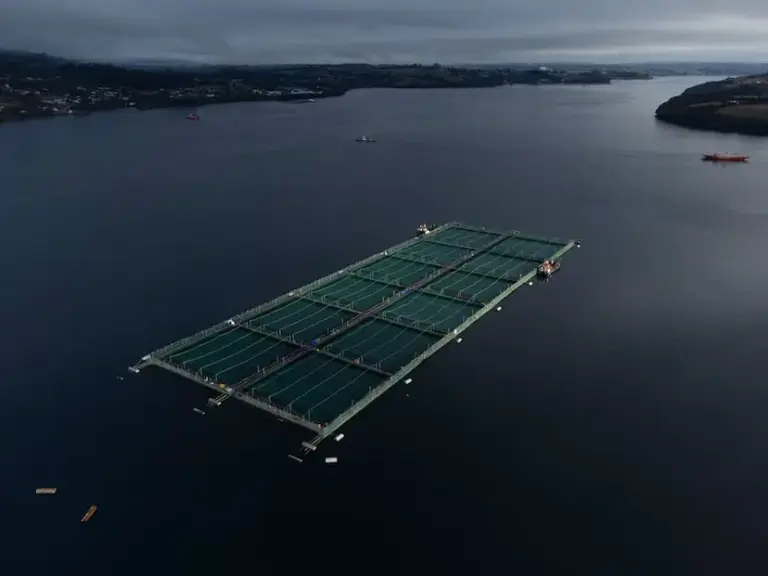
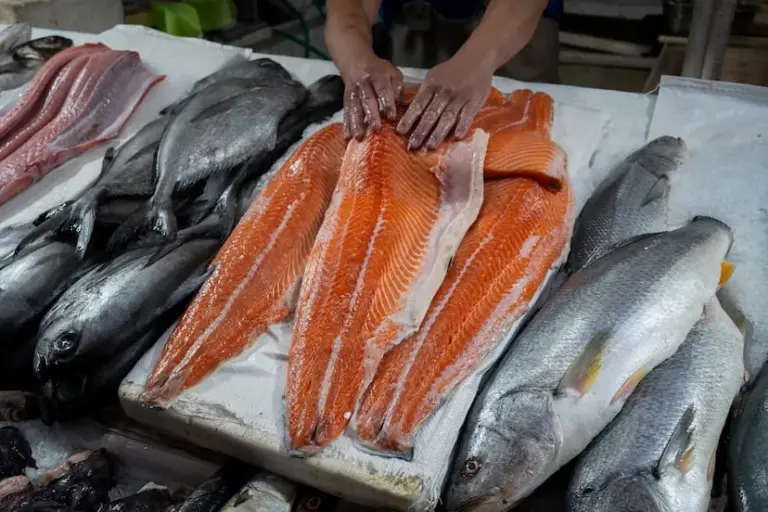
The country is currently the second largest salmon producer in the world (after Norway) and this fish is Chile’s second most exported good, only behind copper, as indicated by data from the Terram Foundation. As a result, more and more inhabitants of Carelmapu and the surrounding areas have left artisanal fishing to work in the salmon farms, attracted by more stable incomes and higher wages. However, the risks of doing so are very high and deaths are frequent: according to the Chilean NGO Ecoceanos, from 2013 until May 2026, 90 workers have lost their lives in the salmon farms. In the absence of official public data counting these deaths, the organization, which has received funds from the Marisla Foundation in the United States and works with volunteers, began creating a registry updated whenever local broadcasters or media report the death of a worker in the salmon industry.
Among the widows of Carelmapu is Mirta Vera Barrea, who lost her husband when she was only 30 years old. In 2005, Pedro Alvarado Bustamante, 40 years old, worked as a diver, something he had done since he was 18. At that time, he was employed at several salmon farming centers and, when he went on work trips, he called his wife every day around 6 p.m. On the third day of one of those trips, in November, Vera did not receive any call. “That day my husband was sucked in by a tube while underwater,” the woman recalls. “A horrible death: he was sucked in and mutilated. The tube sucked his lips, his arm, and then killed him.”
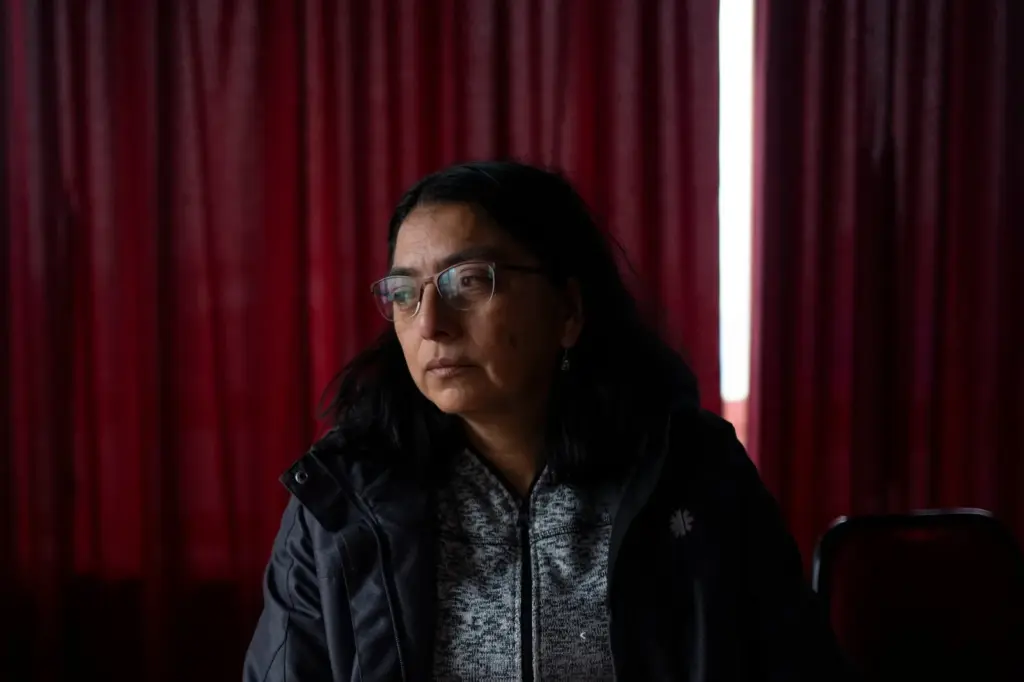
Vera’s testimony is similar to that of other widows in Carelmapu: companies try to blame the worker for their own death, there are difficulties or refusals to receive compensation or insurance for the deceased employee, and endless legal processes. “The damage they did to me and my daughter was enormous. She was only eight years old when her father died. It is a pain that is never overcome,” she says through tears.
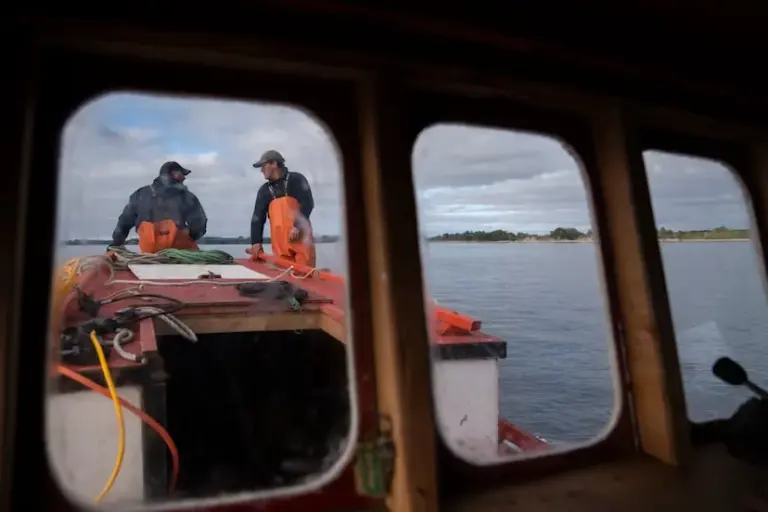
Salmon is not a native fish of the Chilean sea: the first specimens were imported in the 1980s, during Augusto Pinochet’s dictatorship, from Norway. Today Chile manages 31% of the global salmon market — according to SalmonChile, the main trade association of salmon-producing and supplying companies in the country — and according to the latest Chilean state report, the tons raised during the last year were more than 750,000, reaching more than 80 countries. In 2024, Chilean salmon exports generated more than 6.3 billion dollars in revenue, but the staff continue to suffer accidents, often fatal. “Workers operate in a dangerous environment,” says Juan Carlos Cárdenas, president of Ecoceanos. “They do so in the middle of the ocean and under adverse weather conditions. Safety regulations are often violated and there is little oversight by the state.”
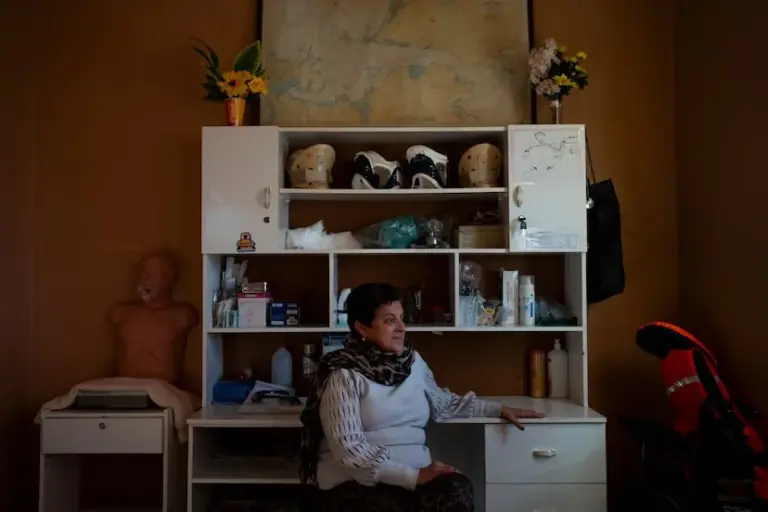
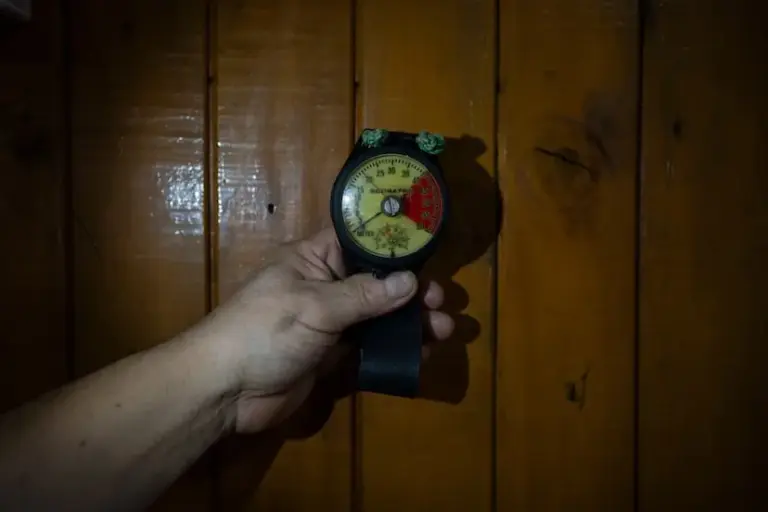
In the port of Carelmapu, there is a small room used for the prevention of accidents that artisanal divers may suffer. It is managed by Juana Díaz Delgado, 63 years old and a retired paramedic. When she arrived here almost 40 years ago, she and her medical team estimate that in Carelmapu, one or two accidents occurred daily and a diver died every week. Most problems were due to decompression tables not being respected or because people dived under unsafe conditions or without proper physical preparation. “We started doing prevention, explaining to the divers how to work safely and assisting them immediately. And for some time now we have seen the results: in the last ten years we have had no divers die or suffer serious accidents among the artisanal fishermen of Carelmapu,” says Díaz.
Read more Summer perfumes for men: fragrances with a clean scent and marine freshness that last all day
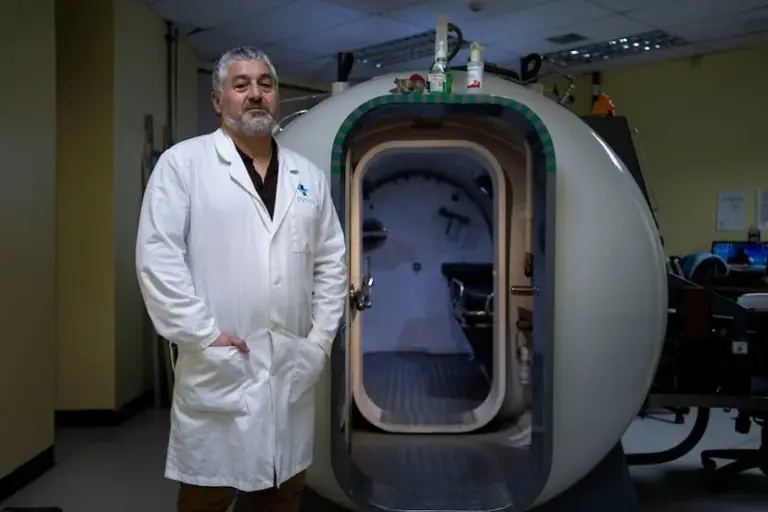
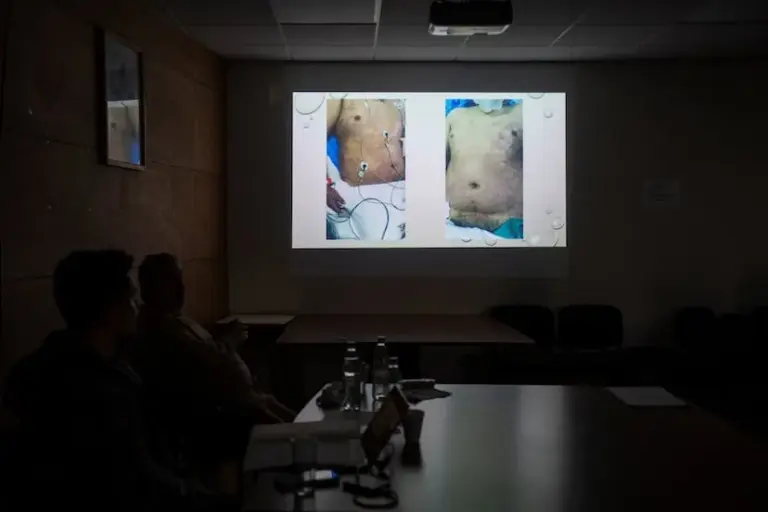
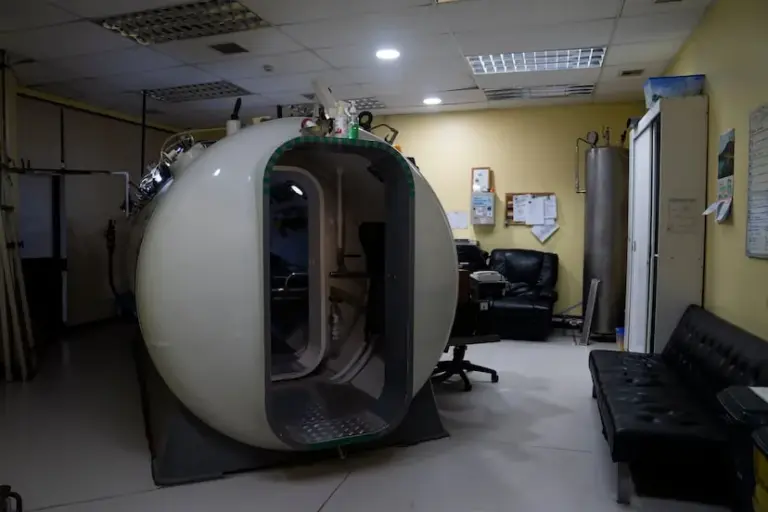
She works alongside Dr. Jorge Calderón, 55 years old, who, together with his staff, is dedicated to helping divers. In 2006, he had a hyperbaric chamber installed in the public hospital of Ancud — on the island of Chiloé — to help them, as the tool treats what is known as “pressure sickness”: the formation of gas bubbles in the blood and tissues that occurs when ascending too quickly from a dive. The chamber can save the lives of divers who, in its absence, could become paralyzed, enter a coma, or die.
“Here, in a public hospital with few available resources, we are doing what multimillion-dollar companies do not do — explains Calderón, sitting in front of the chamber —. We treat about 60 divers each year; most come from the salmon farms. To find another hyperbaric chamber, you have to go more than a thousand kilometers away. Most accidents, even fatal ones, that occur in the salmon farms could be avoided.” Although this media outlet sought both the Salmon Council and Salmon Chile, trade associations of salmon companies, to learn about the safety protocols they have for their divers, no responses were obtained by the time of publication.
Among the latest deaths in Chilean farming centers is that of Fabián Quezada Rain, which occurred on April 23, 2025. Only 31 years old, he was sucked in by the boat’s propeller while submerged performing maintenance tasks. “The propeller sucked the hose through which he received oxygen,” explains Francisco Paredes Adams, the family’s lawyer. “It dragged him and caused severe injuries, amputations, and ultimately death. The boat’s engine should have been off. It was a horrible death and the family is deeply affected by it.”
But it is not only the divers who pay for the safety rules that are not respected: on January 27, at dawn, six salmon farm workers lost their lives in a shipwreck in the Reloncaví Estuary, in the Chilean municipality of Puerto Varas, 200 kilometers from Carelmapu. The crew was serving the companies Salmones Austral and Trusal, and only two men from the team survived the shipwreck. The accident caused great shock because from the first moment there were public complaints from relatives about working conditions and safety negligence that allegedly caused the workers’ deaths.
“Preliminary investigations clearly show that the death of these six workers was not the result of a fortuitous or unforeseeable accident,” says lawyer Paredes, who also represents relatives of some of these latest victims. “They died because they were sleeping below deck, having as the only escape route the hatches. And on the ship’s deck there was a large amount of material piled up (about six tons of chains) that should not have been there and prevented them from leaving the lower part of the ship to get to safety. It is no coincidence that the only survivors of the shipwreck were the two workers who were sleeping on the upper part of the ship,” he explains. Although this media outlet also sought the companies Salmones Austral and Trusal, no response was obtained either.
Paredes and the relatives denounce that, in recent months, the companies have tried to obstruct the legal process and that, despite an order from the Navy, they refused for three months to bring the sunken vessel ashore, which prevented the prosecutor’s office from advancing with the investigations. “We feel powerless and abandoned as relatives — says Denise Mansilla Otey, 26 years old, daughter of Erwin Mansilla, a victim of the shipwreck —. My father left three children orphaned; one is three years old. It is devastating.” Meanwhile, Claudia Antilez, 48 years old, wife of another victim, Luis Figueroa, adds emotionally: “Our life has completely changed. No one will give us back the husband and father we have lost. In this country, it is difficult to obtain justice and we are condemned to live forever with the horrible way our loved ones died. A death that could have been avoided.”
Read more The kit for under 15 euros to repair cracks and scratches in bathtubs and sinks