








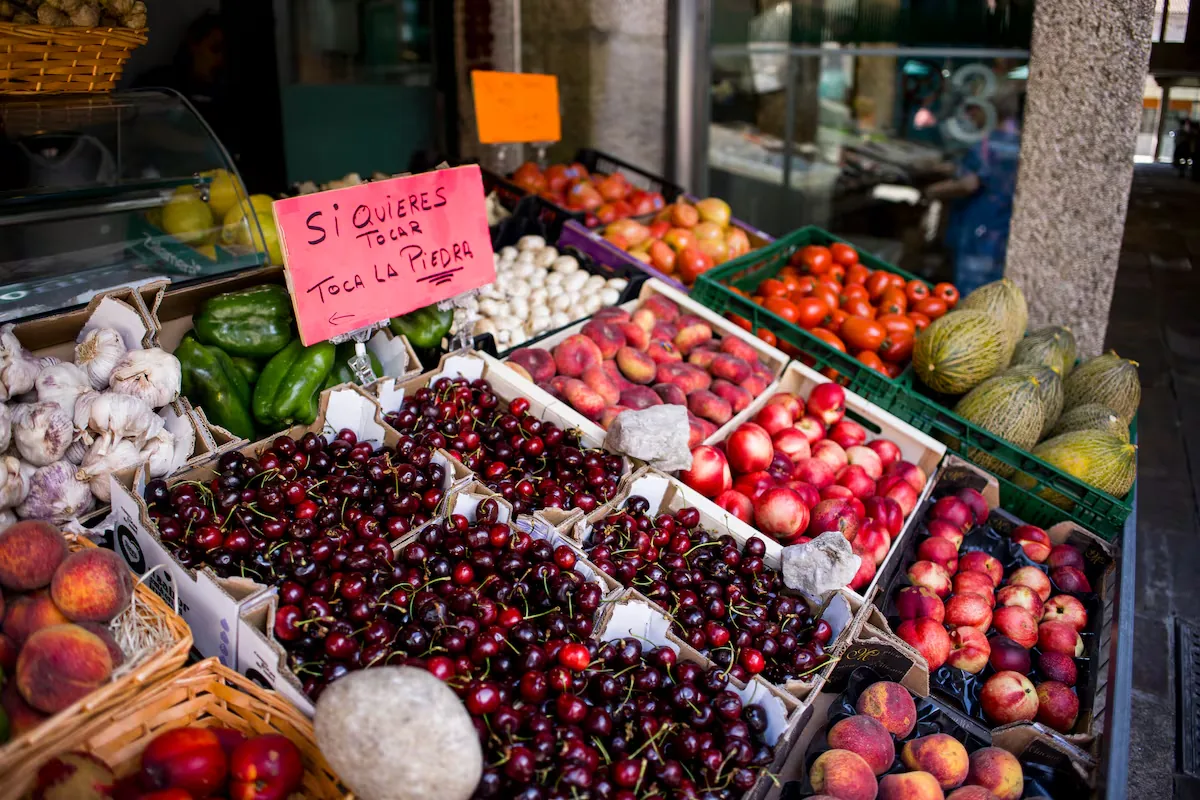
June is reflected in a handful of sayings that evoke the abundance of the harvests in the fields and the splendor of fruits and vegetables in the market —“In June, the sickle in the fist,” “Bright June, abundant year,” “For Saint John, you will see figs and brevas” or “For Saint John, brevas; and for Saint Peter, the best ones”—. These are examples that portray the fullness of this month, which opens the door to summer. Products appear that announce vacations, embers, and long after-meal conversations. In the fruit shops, there is good color: brevas timidly appear —less sweet than the late summer figs, but equally delicate, to be eaten alone or accompanied by a ham dish or some cured cheeses—, along with the first watermelons and plums, while cherries reach their best moment —fleshy, sweet, without losing their interesting touch of acidity, ideal for an after-meal, to liven up a salad, serve with fresh cheeses, or prepare in clafoutis—. Other stone fruits, such as apricots, peaches, nectarines, and flat peaches, fill the counters and are perfect to eat raw or incorporate into savory or dessert recipes with yogurt or ice cream. It is time to say goodbye to loquats and oranges and mandarins. The national avocado begins to run out, and what remains is imported. “It is the month of stone fruits, of fresh fruits, like melon and watermelon, which are already starting to arrive. There are still peas, the last ones, and white and green asparagus,” explains Luis Aguilar, who has been in charge of the fruit stand El Abuelo Pedro at the La Paz market in Madrid for almost a decade.
Read more Follow José Antonio Kast’s first public account in Chile
Seasonal garden products also have a leading role during this month, when recipes start to lighten: tomatoes are making their way, although there are still months before they are in full splendor. For now, Aguilar points out, one must settle for the raf varieties from Almería and some pink tomatoes that, at least for him, come from Navarra and Huesca. To accompany daily dishes, fresh and light, such as salads and gazpachos, there are zucchini, cucumber, and pepper. “And green beans, very good ones, from Almería or Málaga,” notes the fruit seller.
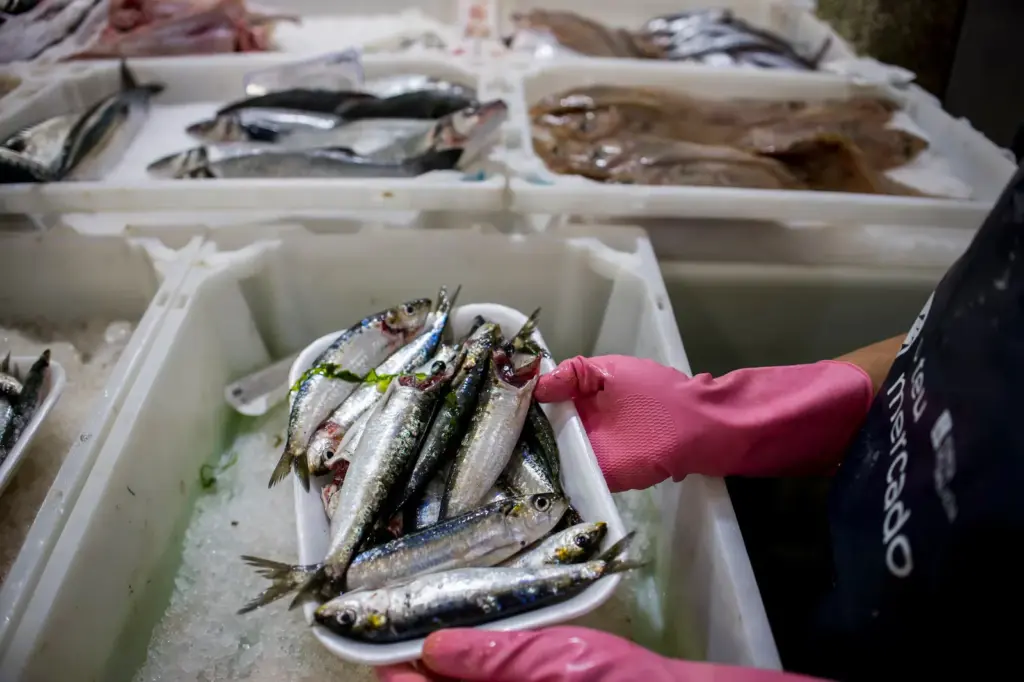
Fishmongers begin to be covered in silver color: new seasonal catches come from the sea, such as sardines, anchovies, and other blue fish. “It is purse-seine fishing, and this is like a chain: some depend on others. Mackerel preys on sardines, and bonito preys on mackerel. These are the fish, along with anchovies, that can be enjoyed during this month,” says Javier Soto, owner of the Capitán Galerna fishmonger’s in the Moratalaz neighborhood (Madrid), who takes the pulse of the sea at Mercamadrid every dawn. There are still no signs of Northern bonito. “This week we have had some, but good specimens are not expected until mid-month,” Soto says. Blue fish is what he recommends: “White fish, like hake, emperor fish, or whiting, is more typical of cold weather, while blue fish is for warm weather.” Regarding shellfish, he is clear: “They are available all year round, but they are not the best. For that, you have to wait until September or October.”
Sardines appear firm, fatty, and shiny, ideal for grilling, skewering, marinating, or in a light escabeche. Pure summer. Horse mackerel and mackerel are a good option, as well as economical and sustainable, for making escabeches or preparing them on the grill or in the pan. Bonito, when the good pieces from the North arrive, is one of the most versatile fish: it can be cooked on the grill —preferably rare—, in marmitako, in escabeche, or canned to enjoy throughout the year.
Read more The metamorphosis of a hospital to treat childhood cancer: “Spaces also heal”