






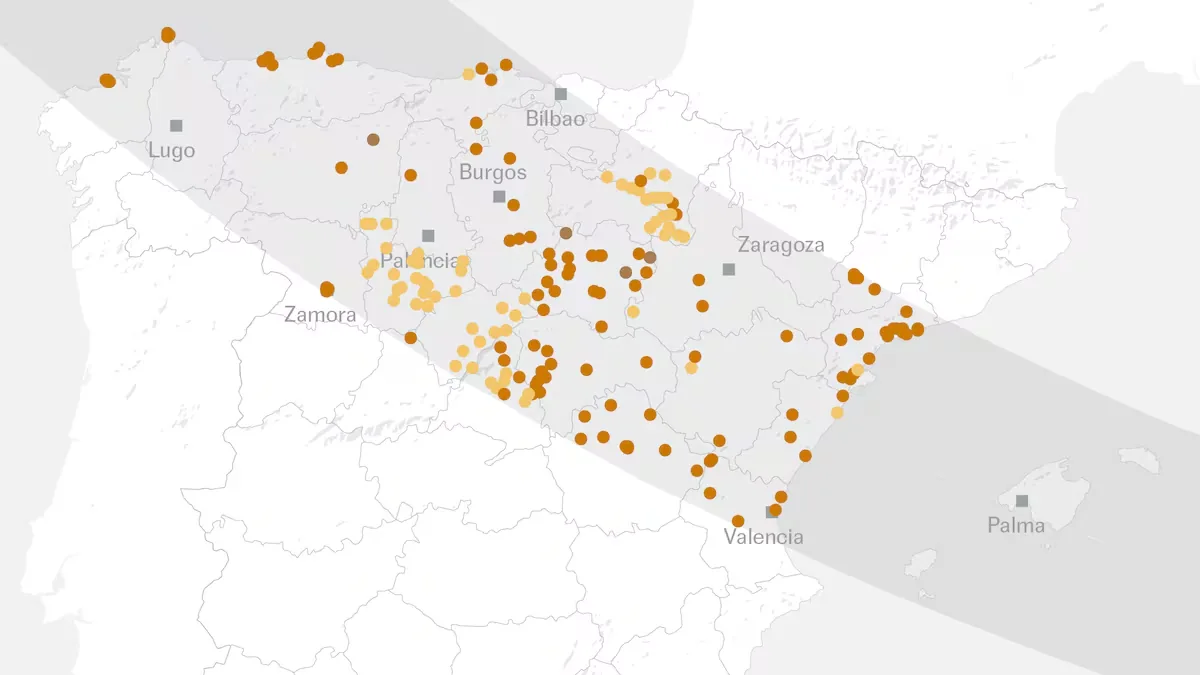
On the upcoming August 12, when millions of locals and tourists go to enjoy a peaceful summer evening, half of Spain will experience nightfall even in broad daylight, around 8:30 PM and for a maximum duration of 110 seconds. And those who want to ensure the possibility of seeing the phenomenon under the best conditions can head to the more than 500 official viewpoints expected to be available in the 31 provinces where the solar eclipse will be total. However, the clash of competencies between different administrations is delaying the selection of points. The central government has given up offering a list of official sites and refers to the websites of the autonomous communities, but only five of the 13 affected provide their list of points this way.
Read more Housing price and purchase data reflect a market at the limit at the start of the year
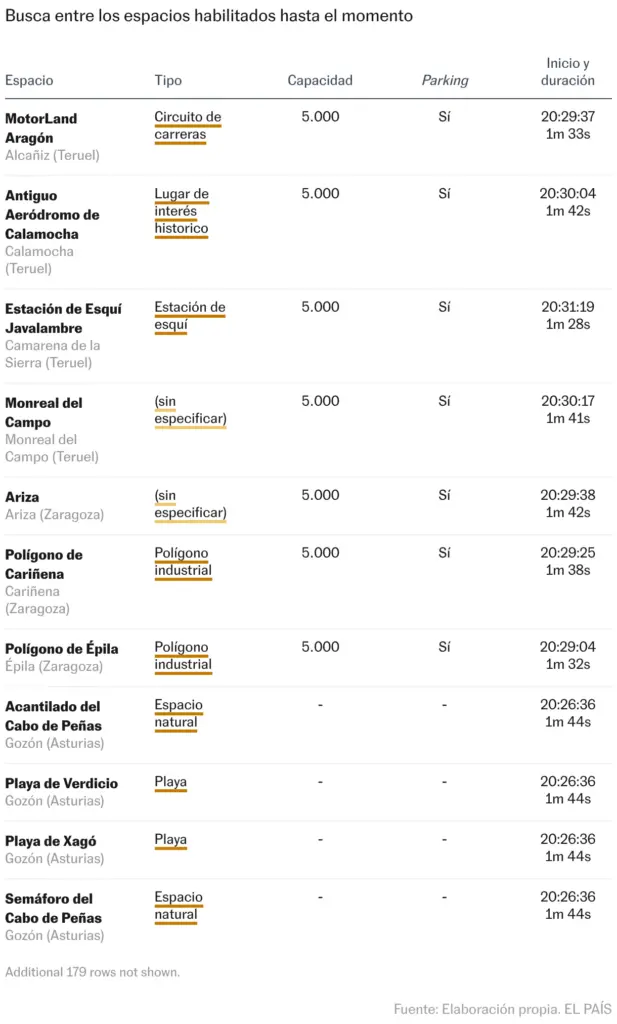
Given this situation, EL PAÍS is preparing the first comprehensive map of these places, with information provided by local, provincial, and regional administrations. For its first update, made this Tuesday, June 2, several town halls, provincial councils, and communities have contributed 56 new points — in Navarra, Cantabria, and Castilla y León — reaching a total of 190 official viewpoints. In the coming weeks, more sites will be added to this map, which will gain new features, such as the ability to check the precise location of each point.
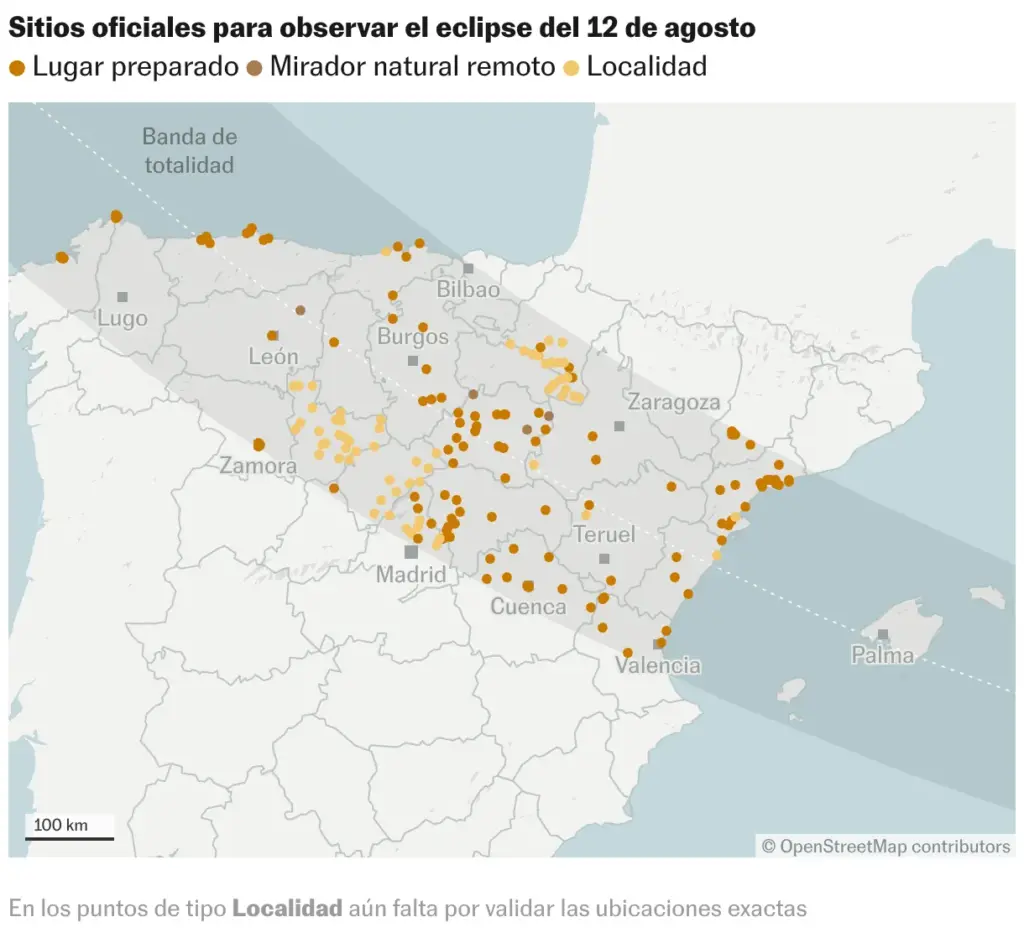
As a complement to the map, an interactive search engine allows locating the official total eclipse viewpoints located in a specific area. Just enter the desired municipality, province, or autonomous community:
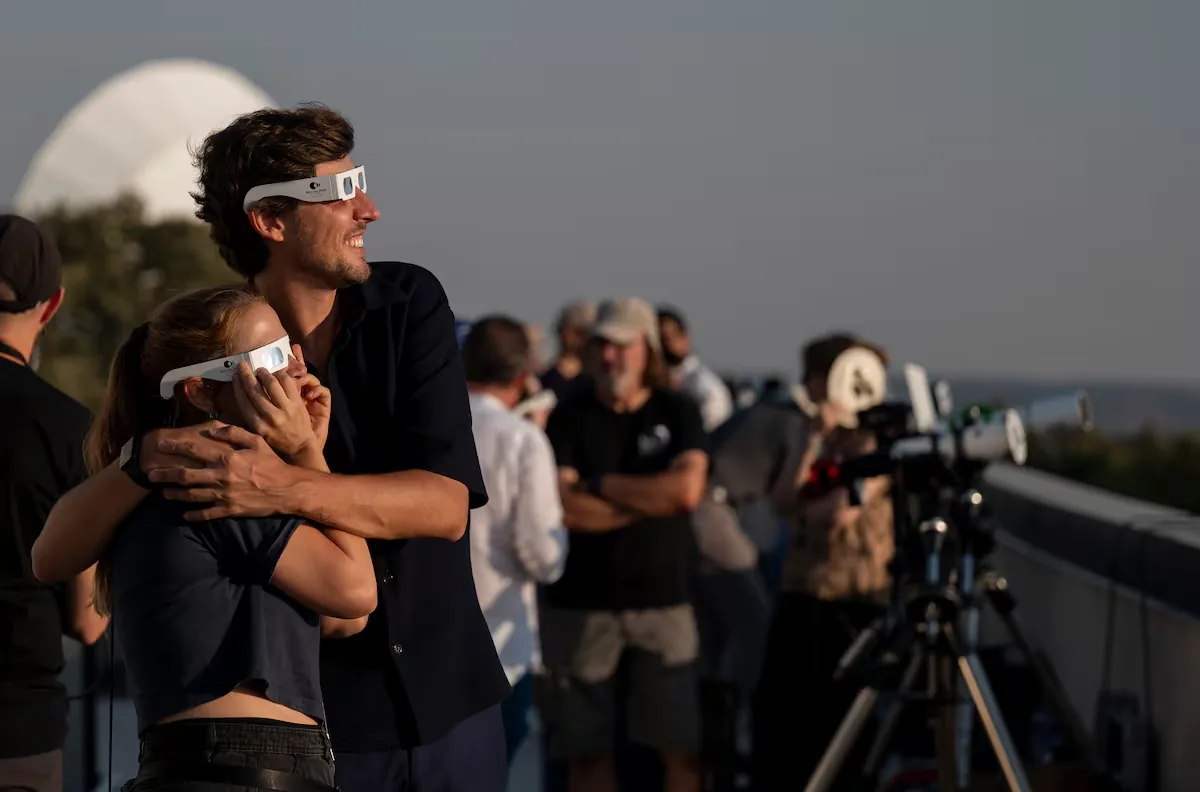
The government commission that groups 13 ministries to face the preparations for the eclipse commissioned the autonomous communities to select recommended places for safe observation, and had proposed presenting a large list of these official points in March — in safe places that allow gatherings of people, have easy access, nearby parking, and basic and civil protection services —. However, it has not yet done so, with less than three months to go before the big day. The president of this interministerial commission, Juan Cruz Cigudosa, Secretary of State for Science, Innovation, and Universities, also asks citizens to look for their own viewpoints for the eclipse to avoid unnecessary travel. “We encourage the population living in the totality zones to observe the eclipse in their town or city, from their own street or square, always with glasses and taking into account that there are no obstacles on the horizon,” explains Cigudosa.
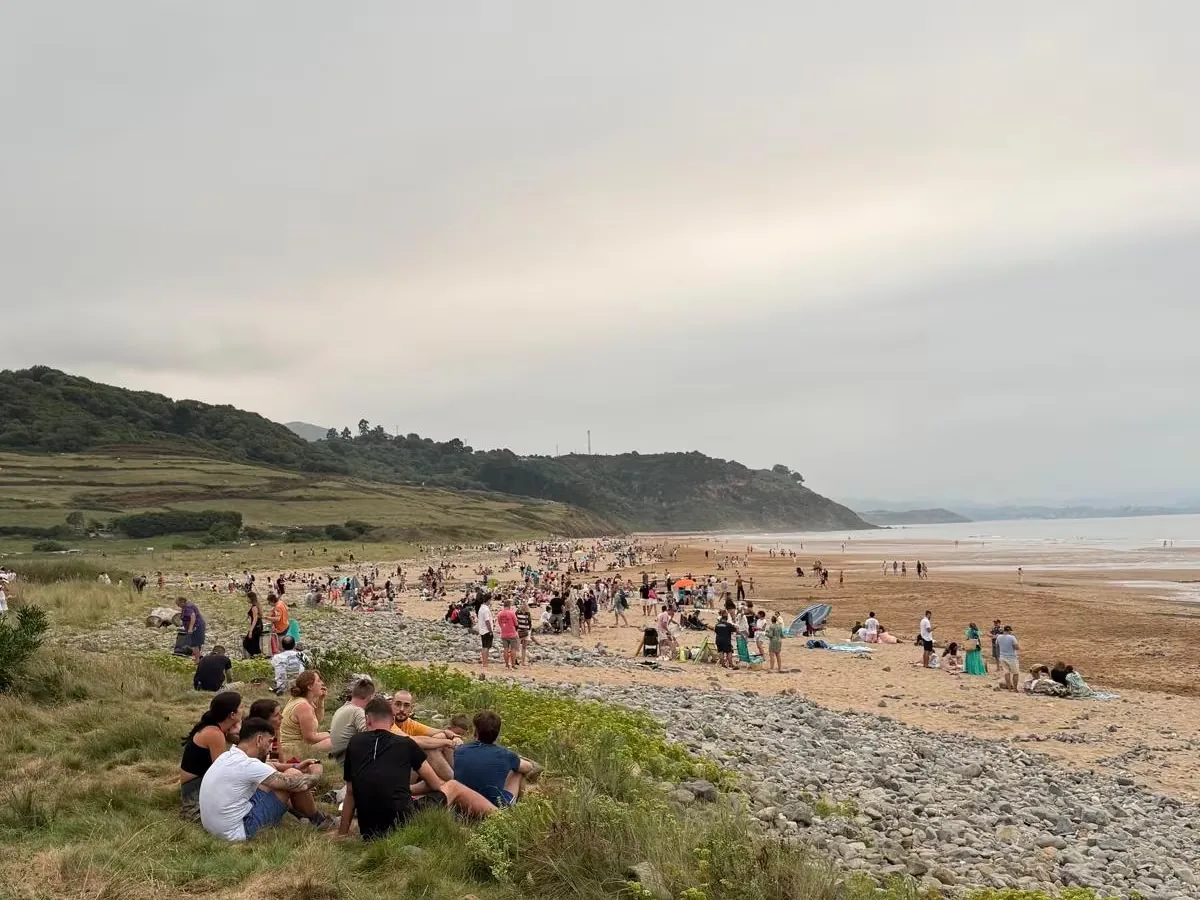
The local and regional governments consulted acknowledge the difficulty, for the population and especially for tourists, of choosing a place where the Sun is directly visible during the peak moment of the total eclipse, since this happens near sunset, with the sun very close to the horizon, so it is easy for buildings, trees, or terrain elevations to block the view of the astronomical phenomenon. To this uncertainty in finding a clear sunset, the weather factor is added. If at the last minute the forecasts predict cloudy skies in a certain place, it is likely that the population of that area will want to move to another to see the eclipse, as Cigudosa himself acknowledged in an interview with EL PAÍS. That is why the Directorate-General for Traffic (DGT) will set up a special device to manage the millions of road trips expected in the hours before and after the eclipse.
These massive and unpredictable trips in such a short time are something never seen before in Spain. If there is something reasonably certain that the DGT can rely on, it is that people will move to these official points, but only seven of the 13 communities through which the eclipse’s totality band will pass have a somewhat clear idea: Navarra, Madrid, Castilla-La Mancha, Cantabria, Aragón, Valencian Community, and Catalonia. And even those regional governments have not finished specifying all the exact locations.
Read more Jonathan Andic fights the battle of public opinion with his eyes already on the jury
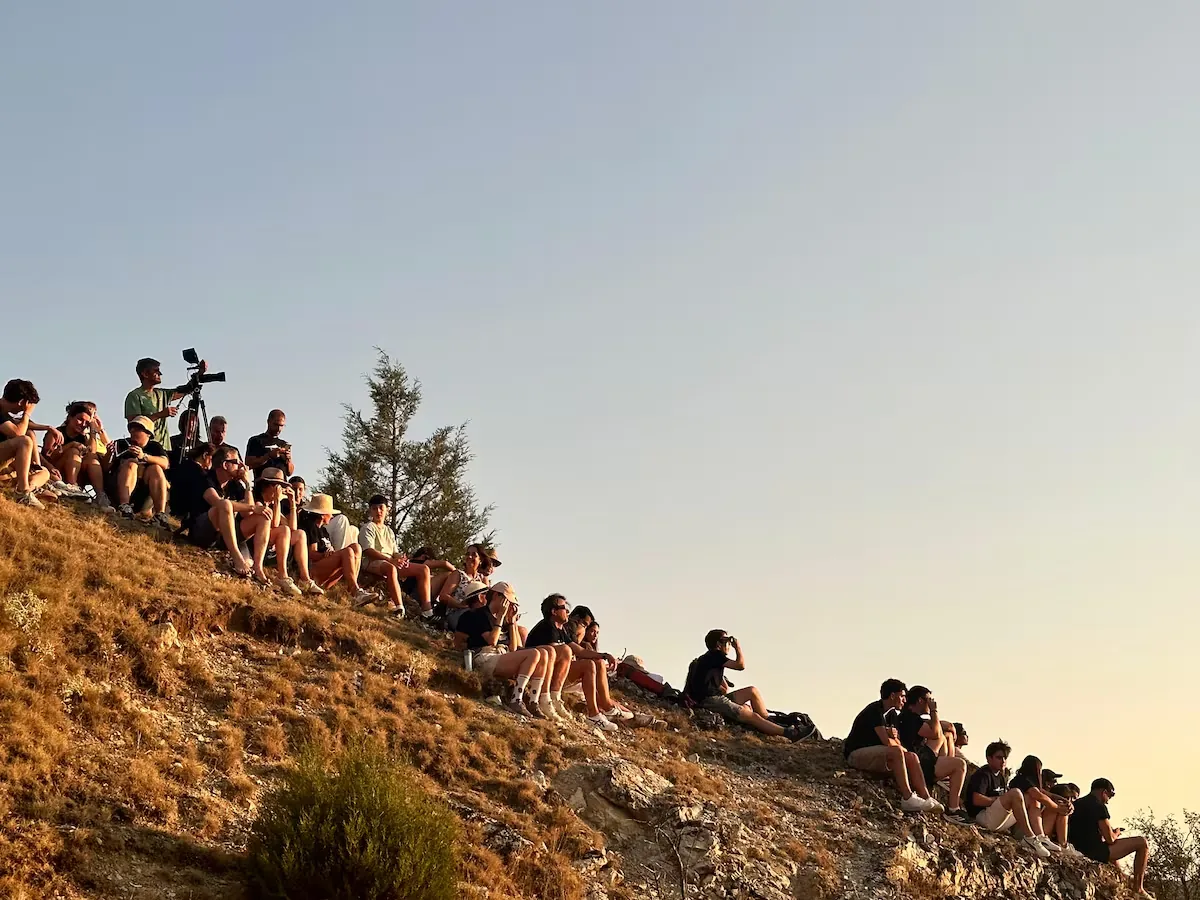
With the data provided by the different administrations to EL PAÍS, the map of official viewpoints includes three types of points: already defined places, preselected localities (where the ideal locations still need to be validated), and remote natural viewpoints such as mountain peaks (which are only recommended for people with experience in those environments and the ability to stay overnight there, as night falls at the end of the eclipse).
This points map is provisional. There are autonomous communities that have not yet provided any official point for the preparation of this map, such as Galicia, the Basque Country, La Rioja, and the Balearic Islands. The governments of Asturias and Castilla y León have stated that they are working with the town halls of their territories, in coordination with the provincial councils and government delegations, to be able to publish a first list during June, and attribute the delay — initially planned to be communicated in May — to the complexity of having a closed list of locations, which must meet many types of requirements.
When those remaining autonomous communities communicate their official points, the map will not be definitive either, since as the different administrations develop the various traffic and civil protection plans, some places turn out to be unsuitable — they do not meet mobility, safety, fire prevention, or environmental protection requirements — and are being removed from the list or integrated into broader observation areas. In the case of Navarra, the regional government has just added three localities to its network of points (Buñuel, Cárcar, and Tafalla) and has removed two (Azagra and Caparroso). EL PAÍS has incorporated these changes into this first update of the official eclipse viewpoints map, with which on June 2 the information originally published on May 15 is expanded and improved.
With information from Ivanna Vallespín, Domitila Diez, Selva Vargas, and Paola Mendoza.