






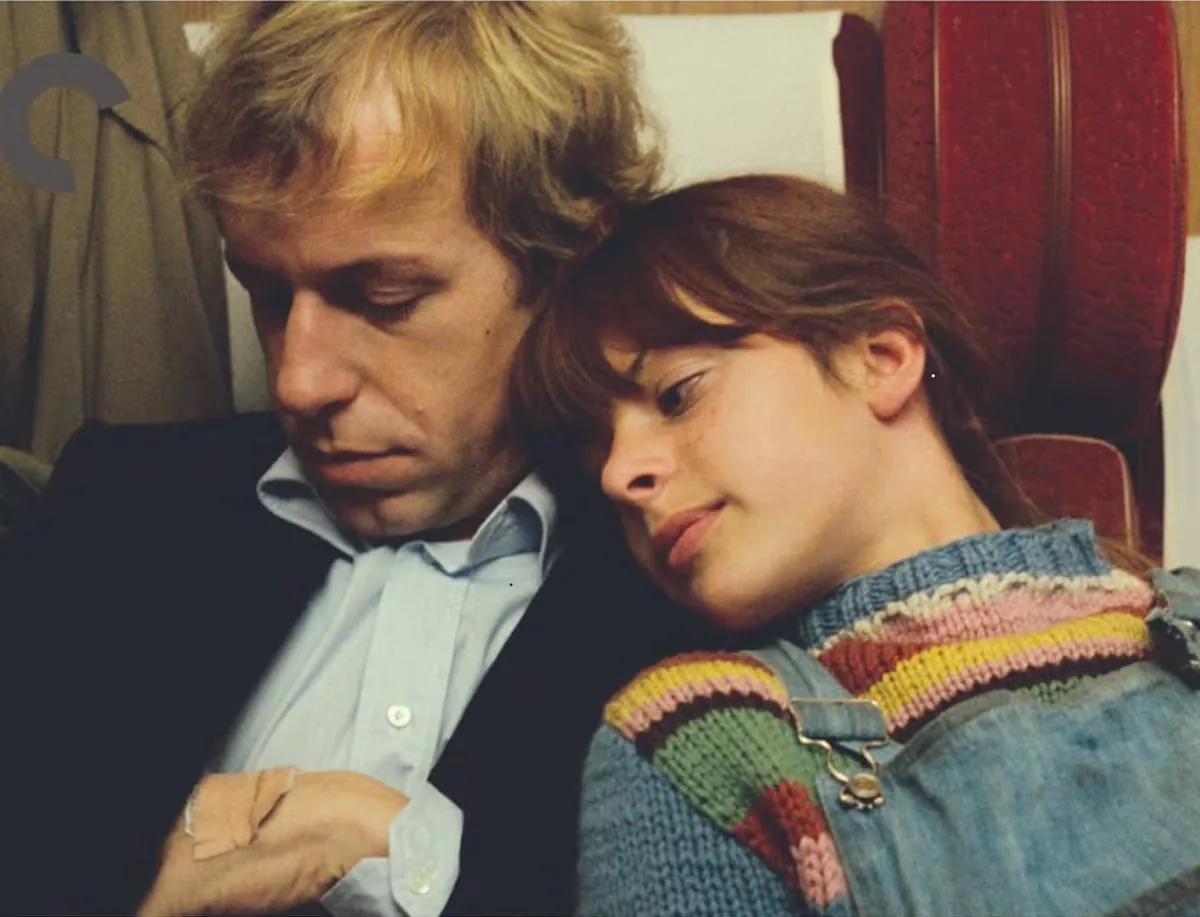
Director Wim Wenders has announced that he will withdraw his 1975 film Falsche Bewegung, from all distribution platforms, following criticism over a sequence in which actress Nastassja Kinski, who was then 13 years old, appears half-naked.
“As the sole person responsible for Falsche Bewegung [Last Move, in German] from that time who is still here, I acknowledge that Nastassja Kinski should have been better protected at that moment. For that, I ask you for forgiveness, Nastassja, without reservation,” he said today in a statement published by the Wim Wenders Foundation.
The film will be withdrawn from all current distribution platforms and “partners in streaming, television, and distribution have been ordered to stop making the film public.” “The numerous reactions, comments, and conversations of recent days have significantly contributed to sharpening my view of the events back then,” details the filmmaker, who believes it is “necessary” for society to find appropriate ways to address controversial 20th-century cinematic works and face “new learning processes and inclusive perspectives regarding cinema.” Wim Wenders now wants to reach a “consensual” solution both with film organizations and with Nastassja Kinski before making the film available to the public again.

The controversy arose after an interview with the actress in the German newspaper Süddeutsche Zeitung, in which she described how that experience in the film, in which she appears only wearing panties alongside the protagonist Rüdiger Vogler, who was then 30 years old and also wears only underwear, still affects her today. In that sequence, he lies on top of her, slaps her, and then caresses her face.
According to the actress, who is now 65 years old, she has been trying in vain for years to get Wenders to remove the sequence from the film. “It was my first film, he was my first director, and he did not protect me,” Kinski said in the interview. At first, Wenders was understanding and said that at the time the shot seemed “artistically indispensable” to him, but that today he would not shoot it in any way.
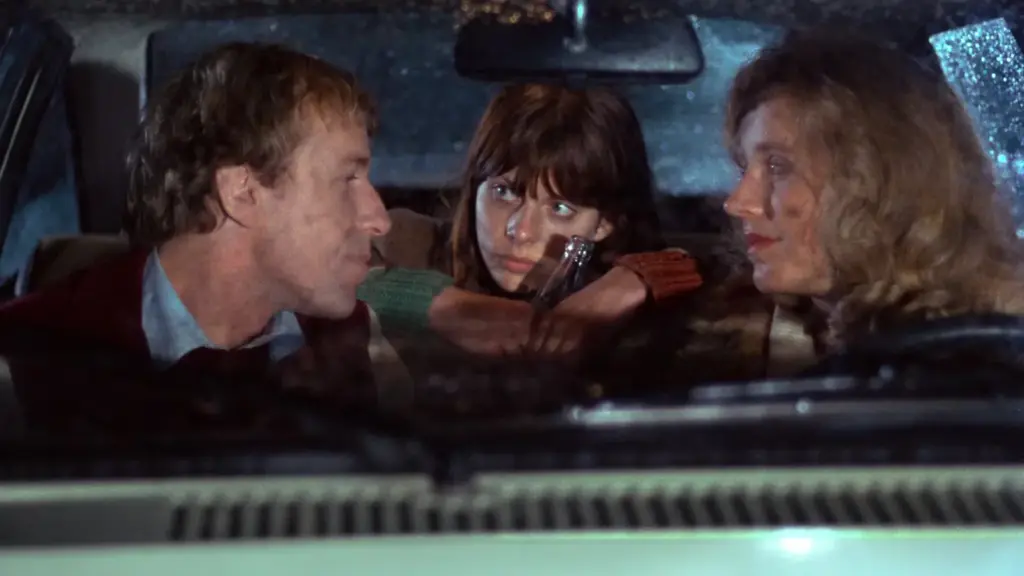
“Can a sequence be, should it be, maybe ought to be cut if, in this case, it harms one of my actresses, whom I have admired greatly and continue to admire? Can that be done? Can a film be shortened after the fact?” the filmmaker simply asked on the stage of the German film awards, where he was honored last Friday for his career. The director, one of the most prestigious European filmmakers, then called on the German film academy to open a debate.
Kinski’s lawyer, Christian Schertz, criticized Wenders’ speech as an attempt to evade personal responsibility. Since, according to Schertz, Wenders “had been refusing for years” to have a personal conversation with the actress about the scene. The lawyer then threatened — before the decision now taken — to take formal legal action if Wenders did not respond.
Read more The football that children should learn
Many voices joined the debate opened by the actress who also filmed with Wenders the road movie Paris, Texas. The famous German feminist Alice Schwarzer, for example, urged the film director to remove the sequence from the film. “Wim: Stop talking and act! Cut those damn two minutes from your film once and for all!” she wrote in the magazine Emma.
This is not the first time that actresses and actors have criticized problematic shoots and sexualized representations after the fact. Kinski herself requested two years ago, through her lawyer in the weekly Der Spiegel, that a 1977 TV film containing sequences in which she appears naked and which were filmed when she was under 15 years old be stopped from airing. The film belongs to the series Am Tatort, a classic of the public broadcaster NDR.
The most famous case is that of Maria Schneider, who declared years after filming the anal sex scene with Marlon Brando in Bernardo Bertolucci’s 1972 film Last Tango in Paris, that she had not been warned about how it would be, having felt “hurt” and “a little raped.”
Another example is American actress Brooke Shields, who at 14 played a teenager having sex for the first time in The Blue Lagoon (1980). Later, in a documentary, she criticized that the film had taken advantage of her sexual awakening at that time.
Olivia Hussey was only 15 and Leonard Whiting 16 when they starred in Franco Zeffirelli’s 1968 Romeo and Juliet. In 2023, both actors sued Paramount, the company responsible for the film, for sexual exploitation, fraud, and for distributing images of naked minors due to a sequence included in the final cut. Hussey and Whiting stated before the Superior Court of Santa Monica in California that Zeffirelli encouraged them to do that sequence, despite having guaranteed they would not have to take off their clothes. The original lawsuit was dismissed in May 2023 due to the statute of limitations. The actors filed a new lawsuit in February 2024, arguing that the re-release of the film in the Criterion Collection in 2023, with a digital restoration, triggered a new statute of limitations. But the judge dismissed their requests again in October 2024.
Read more Juan Daniel Oviedo refuses to support Cepeda or De la Espriella for the second round