







[This is the digital version of the weekly Colombia newsletter, which is sent every Wednesday. If you want to subscribe, you can do so through this link.]
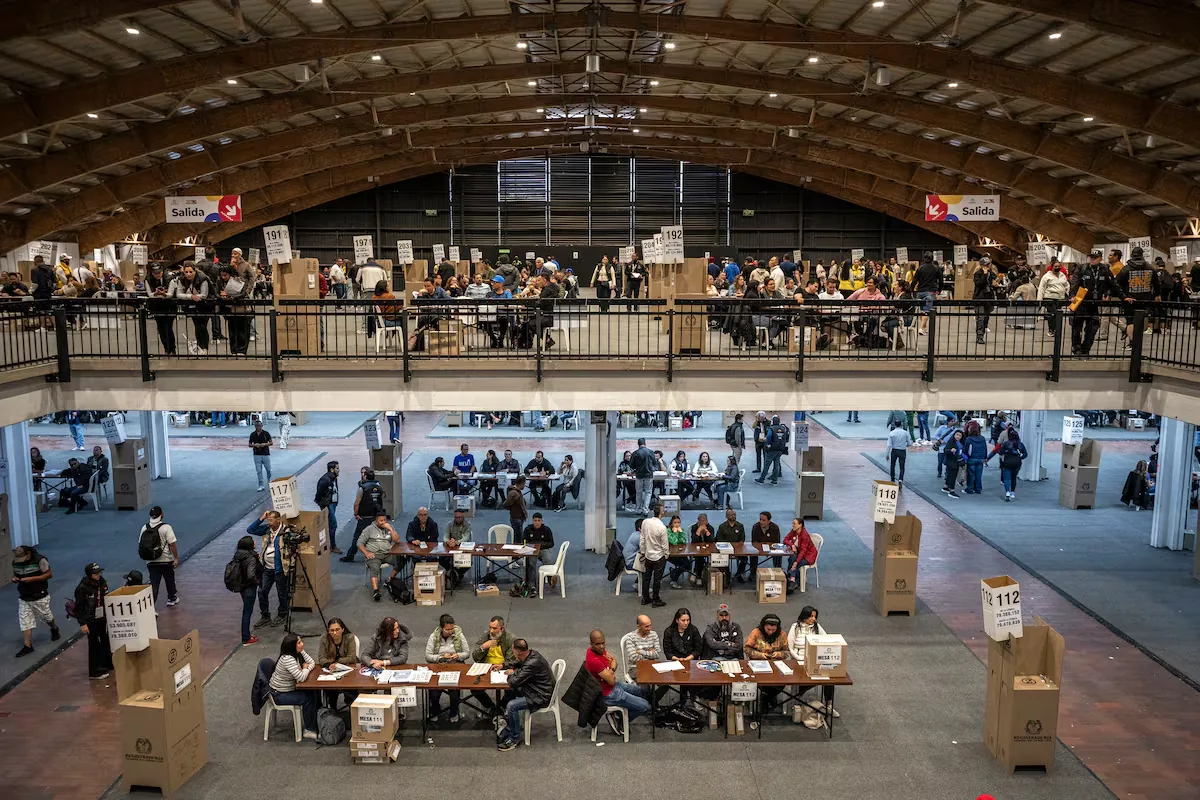
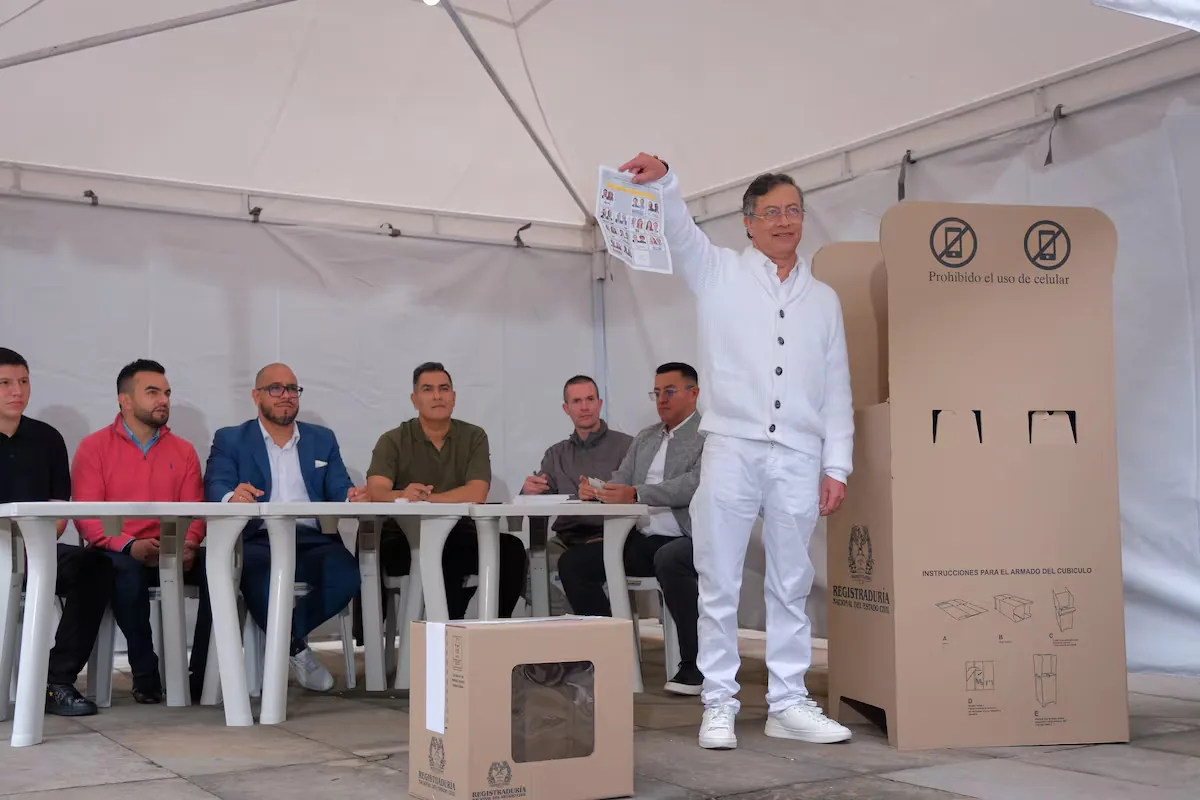
“Elections are above all a process of trust,” Pilar Sáenz, a physicist and one of the leading experts in electoral software in Colombia, tells me. Trust in others, in institutions, is precisely what is faltering these days among Colombians after Sunday’s elections, the tensest in recent years. The new aspect of this distrust is that President Gustavo Petro himself, from his platform of 8.5 million people on X, has spoken of digital fraud, of not accepting the results, and has accused the Registraduría of a lack of transparency in the electoral process that has always been respected in the country.
Since misinformation abounds and, knowing that this is such a complex issue because the Colombian electoral system is complex, in this bulletin we will try to explain, with Sáenz’s help, some of the president’s points. Petro stated this Tuesday that there was an increase in polling stations and voter IDs in one of the several electoral ‘softwares’ and that this accounts for the difference in the favorable result for De La Espriella over Iván Cepeda. He claimed there is a software program called Divipol used in the counting that was altered in two parts. The left-wing candidate, however, said on Monday that his team found no evidence of fraud.
A couple of clarifications and context: the Colombian electoral system is mixed. Voting and pre-counting are manual, although several companies participate and software is involved in transmitting data from polling stations, consolidating results, and dissemination; then, the final scrutiny is also assisted by other software programs that the State contracts with private companies. None of these is called Divipol; what exists is a system that determines the number and location of polling stations and tables, called Divipole.
The doubts do not arise in a vacuum. In 2018, the Christian party MIRA recovered three seats in Congress after demonstrating before the Council of State that, in the 2014 legislative elections, “there was manipulation and sabotage of the software managing the scrutiny information system.” Since then, talk of the ghost of fraud began, although adjustments were made to the system afterward. However, the president has been stirring that ghost for months, which this Tuesday he sought to support with a long tweet and a link to an Excel document with “5,300 atypical tables,” as the supposed proof that fraud occurred. The document, quite unintelligible to citizens, crashed for a few hours due to the number of people trying to access it.
Sáenz, a technology consultant, analyzed it and assured that, at first glance, it shows nothing irregular; although high votes with a concentration of votes for De la Espriella in many of those tables are observed, which surely worries the president. On the other hand, this Tuesday, the European Union Mission also stated that there was no fraud: “No software alteration was evidenced.”
But on social media, the president’s statement continues to raise questions. Some talk about more votes than voters, while other sectors of the population call for calm to avoid political violence. The root of the problem, according to the president, is the electoral census. He argues that the number of eligible voters increased, in one software, from the official 41,421,973 to 42,303,373, a difference of 885,409 new IDs, which “were not registered on the legal date.” The Registraduría’s website shows the first number, and there is no certainty where Petro got that data.
Sáenz states that it is normal for the census to change because there are new registrations of people, deaths, or people reaching legal age, and that changes of voting location are also allowed up to two months before the elections. She clarifies that if the increase of more than 885,000 IDs in such a short time were true, it would indeed deserve an explanation from the Registraduría “to provide transparency and trust in the system.” For her, electoral authority education is required, something digital rights organizations have been requesting for months. Also, neither the pre-count software nor the scrutiny software has access to IDs.
From that number of supposed new registrations stems Petro’s other complaint. The president claims that the “Divipol software” was intervened twice on May 26 to increase polling stations and tables. Sáenz explains that it is common to update the Divipole file days before elections to respond to specific circumstances, such as last-minute situations like public order problems or physical facility issues requiring reassignments. These are permitted changes before the software freeze. “When they freeze it, it is assumed that no more changes will be made and that the frozen software is what is delivered to all the computers of the scrutiny commissions.” According to public information, the freeze was done on the 28th, so in principle, there would be nothing irregular. Although it is unclear whether the president is referring to the pre-count or scrutiny software.
But the Registraduría reported that no modification was made on the 26th. “On the contrary, that day, in an exercise of transparency, the folder called ‘Basic auditors president 2026’ and the DIVIPOLE (Electoral Political Division) file were made available to the auditors of the political parties.” It added that the date and time mentioned by the president “correspond to the moment this information was made available to the auditors of the political groups.”
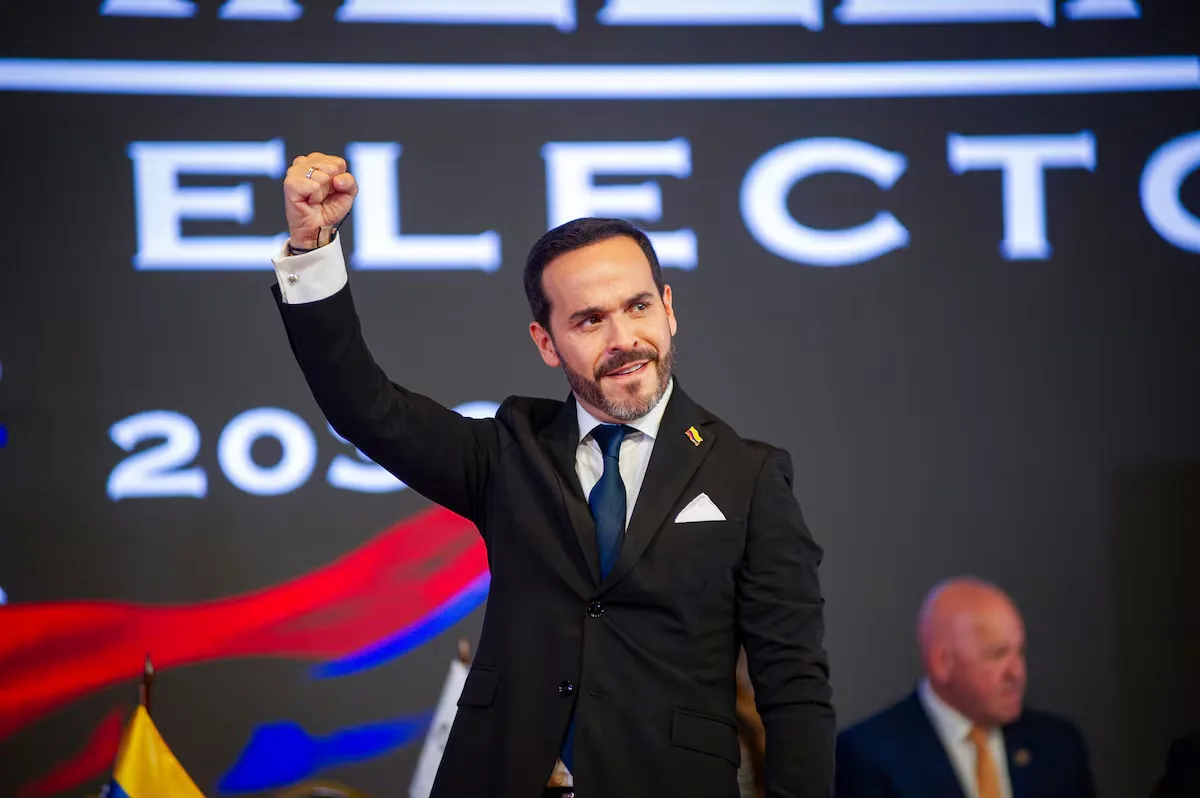
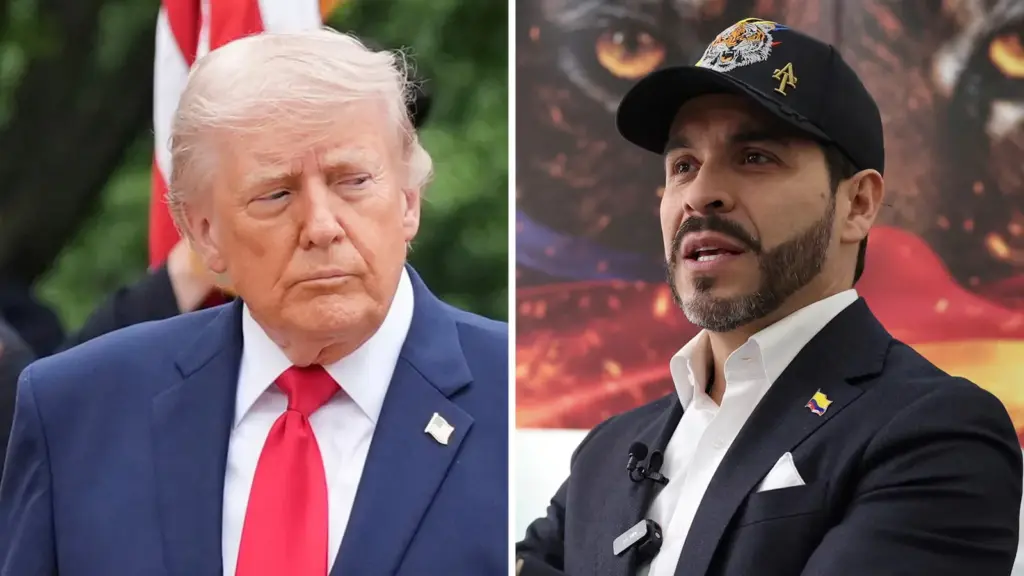
The matter will not be resolved quickly and requires many clarifications. It not only puts Cepeda’s campaign in a political crossroads against Petro but also forces Colombians to navigate a sea of information and misinformation with many technical details. This while the country prepares for the second round, which already looks intense. At the close of this bulletin, President Donald Trump openly endorsed De La Espriella.
Other stories
Other recommended news from EL PAÍS Colombia:
Donald Trump expresses his “full support” for Abelardo de la Espriella and calls for votes for him in the second round
The ultra Colombian candidate responds: “I am very honored by the decisive support of President Trump and his entire government.” Gustavo Petro rejects the Republican’s “intervention.”
The campaign dons the Colombia national team jersey: Iván Cepeda accuses Abelardo de la Espriella of opportunism
The far-right candidate seeks to appropriate the symbol of the national football team, similar to Bolsonaro in Brazil.
A judge orders De la Espriella to acknowledge that women vote with intelligence and judgment
The Colombian presidential candidate must retract his statements about female voting made on the Piso 8 program.
Read more NBA Finals, Spurs vs Knicks: dates, times, and where to watch in Mexico