









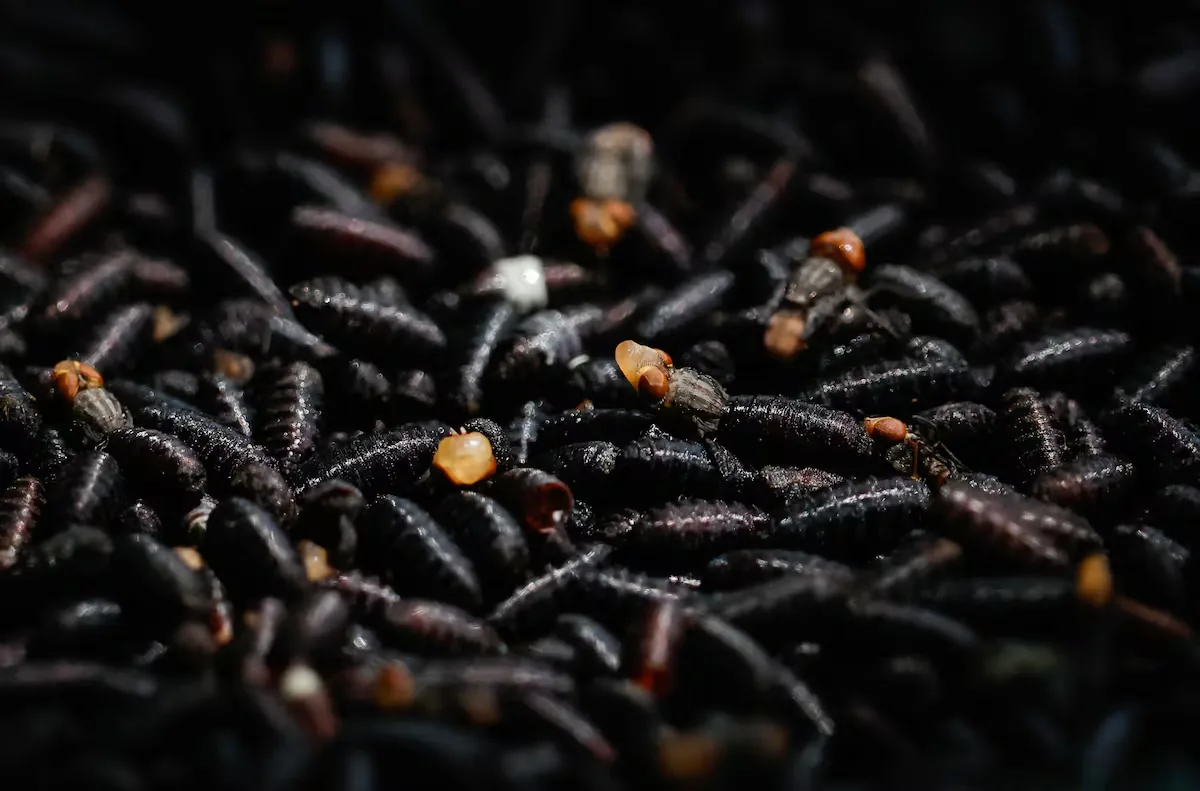
The confirmation of a New World screwworm case in Texas raised alarms in the United States, marking the return of a pest that had been eradicated from the country more than half a century ago. The discovery comes at an especially sensitive time for the livestock industry, which faces the smallest size of its cattle herd in 75 years and record beef prices, which has heightened concern about the potential economic consequences of a parasite spread.
Read more The first Spanish hantavirus positive overcomes the disease and is discharged
The United States Department of Agriculture (USDA) confirmed that the larvae were detected in a three-week-old calf in Zavala County, South Texas, near the Mexican border. This is the first case recorded in the state since 1966 and, so far, the only one confirmed on US territory. The detection occurred after months of warnings from federal authorities, state officials, and livestock organizations about the pest’s advance through Mexico towards the border.
Following the case confirmation, the USDA activated a response plan that includes a quarantine zone of approximately 19.3 kilometers (12 miles) around the site where the calf was located, restrictions on the movement of livestock and other warm-blooded animals, as well as an increase in surveillance and insect trapping efforts. Authorities also announced the deployment of a joint command team with the Texas Animal Health Commission to coordinate containment actions.
Secretary of Agriculture, Brooke Rollins, sought to reassure producers and consumers by stating that there are no indications of a widespread infestation. “There is no reason to believe that this incursion will lead to the establishment of the pest in our country,” the official stated. Rollins also maintained that “there is no risk of massive infestation” and emphasized that the case detected in Texas is, for now, an isolated incident.
The New World screwworm is not transmitted directly between animals. The threat comes from the fly that lays its eggs in open wounds or body cavities. When the eggs hatch, the larvae penetrate living tissue and begin to feed on it, causing severe lesions, infections, and, in the most serious cases, the death of the affected animal. Although human infections are rare, health authorities acknowledge that they can occur.
To combat the spread of the parasite, the federal government has once again resorted to a strategy that proved decisive during last century’s eradication campaigns: the release of sterile male flies. Because females usually mate only once during their lives, the reproduction of the species decreases when they cross with males incapable of producing offspring.
“The USDA has made significant investments in the necessary tools to eradicate the New World screwworm since cases began to increase in Central America and Mexico. The United States has already defeated this pest before, and we will do it again,” declared Dudley Hoskins, Under Secretary for Marketing and Regulatory Programs of the department.
The federal administration had already intensified its preparations in recent months due to the sustained advance of the parasite through Central America and Mexico. In March, the USDA announced the construction of a new sterile fly production facility at Moore Air Base in Edinburg, Texas, as part of efforts to strengthen the response to a possible arrival of the insect on US territory.
However, some state officials believe that federal measures were not sufficient to contain the pest’s advance. Texas Agriculture Commissioner, Sid Miller, criticized the strategy followed so far by the federal government and called for a more aggressive mobilization of resources.
“For months, the screwworm has advanced rapidly through Mexico despite the action plan already established by the UUSDA,” Miller said in a statement. The official added that “despite the USDA having released billions of sterile flies, the screwworm has continued to advance more than 1,770.2 kilometers (1,100 miles) from southern Mexico to Texas, and the USDA has overlooked a fundamental aspect. Now that it appears the first screwworm has arrived in Texas, the consequences of that decision are becoming apparent to us.”
Miller also urged President Donald Trump’s administration to expand the use of the so-called Screwworm Adult Suppression System (Screwworm Adult Suppression System, SWASS), a method that combines attractants, baits, and insecticides to reduce adult fly populations before the release of sterile insects.
Beyond the health risk to livestock, concern focuses on potential economic repercussions. The United States is experiencing a period of limited beef cattle supply after years of drought, high feed costs, and strong meat demand despite rising prices. As a result, retail beef prices are at historic highs.