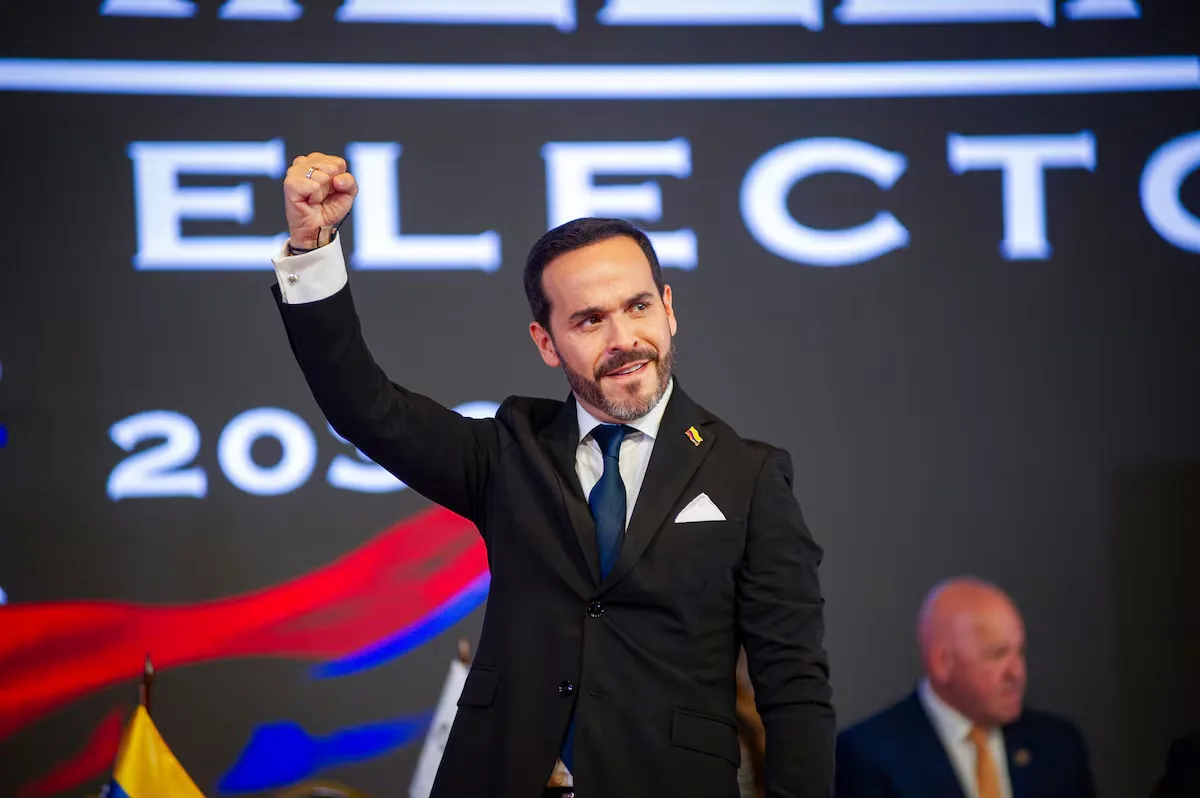






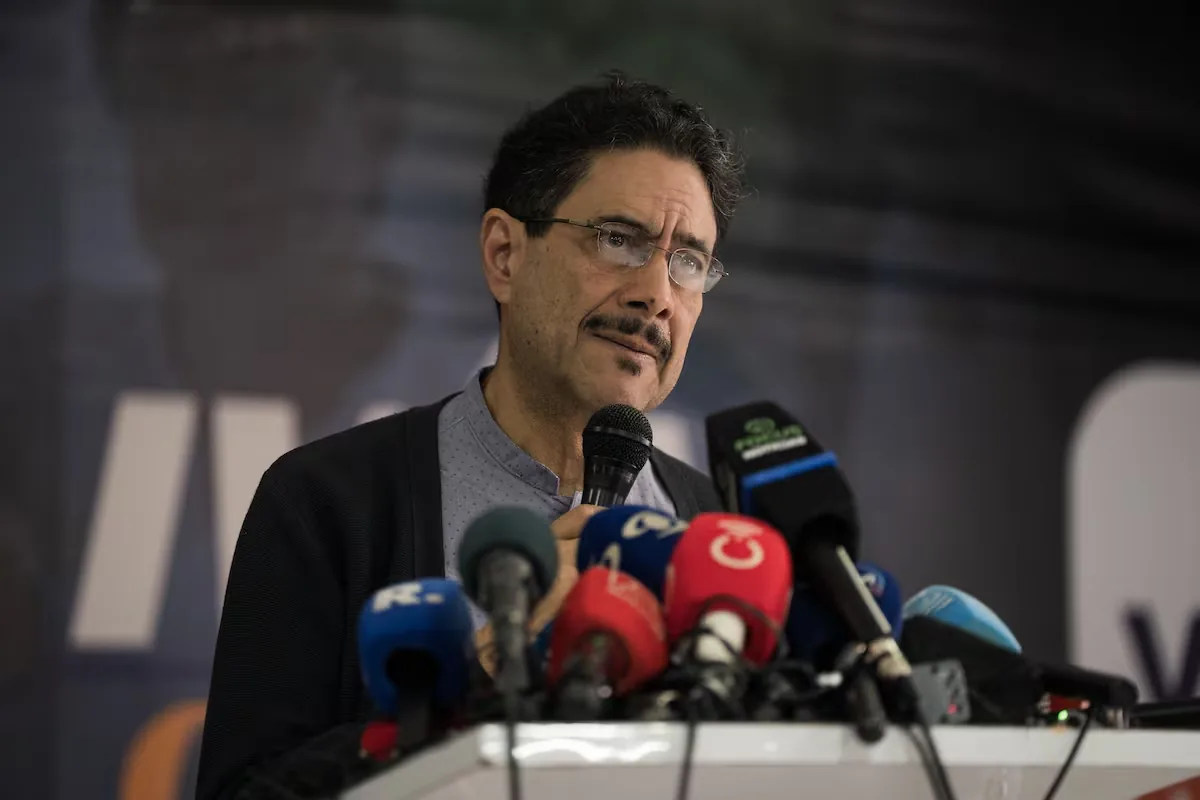
Senator Iván Cepeda, the Colombian left’s presidential candidate, and outgoing president Gustavo Petro met this Monday and Tuesday. The conversations were not easy. In them, according to sources close to him, Cepeda tried to distance himself from the president and ask him to stop insisting on issues that, in his opinion, harm his campaign. The first and perhaps main one, his insistence on a constituent assembly, which generates enormous distrust even among his own allies. This Thursday, the committee promoting the initiative resigned from continuing with it, in a move that seeks to change the electoral landscape 17 days before the elections.
Read more More security and inclusion elements: this is the new INE voter ID
The first meeting was on the verge of collapse, but the electoral analysis presented to the president, which indicates that there are still many voters to mobilize, reoriented the conversation. The upset in the first round —in which the far-right Abelardo de la Espriella beat him by more than 650,000 votes against all odds— left the official candidate with an urgent task: redesign his campaign and shake off the president’s shadow. Petro is his greatest asset and his greatest burden.
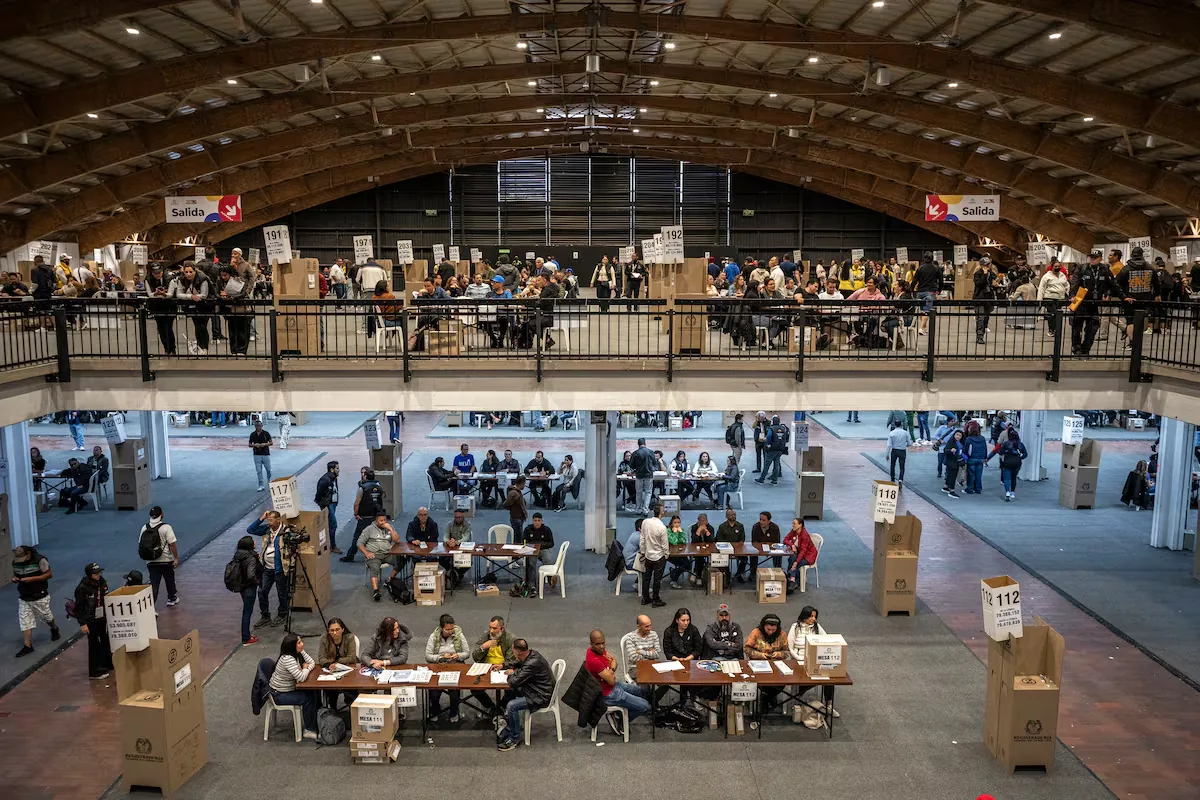
Sunday’s election, in which Cepeda achieved 40.9% of the votes compared to De la Espriella’s 43.7%, exposed all the official candidate’s campaign errors. From the inflated optimism of believing they would win in the first round to not explaining either his economic or security measures, which are the greatest concern of Colombians. In that exercise of self-criticism that has been underway since Sunday, there is an elephant in the room that needed to be explicitly pointed out: Petro. His proposals. His omnipresence. His obsessions.
Just as several analysts had been warning for months that right-wing senator Paloma Valencia should have distanced herself from former president Álvaro Uribe to fare better in an election in which she only garnered 6% of the votes, a part of the candidate’s inner circle has long believed that Cepeda should do the same. “He has to be autonomous from Petro,” they advised him. The problem is that he has less than three weeks to do it.
What Petro does after these conversations remains to be seen, but according to a source familiar with the meeting, the president “reluctantly” agreed to give up his insistence on a constituent assembly —his great frustrated political project—. Another source, however, gives a different version: she points out that the president came to the same conclusion on his own, that he was one of the biggest defenders of the need to prioritize winning the elections and that he understands that the constituent assembly is only a means to the ultimate end of getting the reforms through. Either way, the idea of burying it marks a first step in the shift, one that Petro seems to have approved. “I support the decision that the citizen committee for the National Constituent Assembly has taken,” he said on X after the announcement.
Petro has been promoting the initiative to convene an assembly to rewrite the 1991 Colombian Constitution for months and thus approve the social reforms that he could not get through Congress. The proposal —which includes everything from agrarian reform to suppressing the autonomy of the Bank of the Republic— generates fear in broad sectors of the electorate. For Cepeda, carrying it is a luxury he cannot afford.
Read more Rain ruins the first day of Primavera Sound
In this context, Juan Fernando Cristo’s tweet, former Minister of the Interior and Cepeda’s campaign articulator, early this Wednesday, does not seem coincidental: “There was no fraud. There will be no Constituent Assembly.” And he explains the shift by phone: “In the campaign and in the Alliance for Life coalition, a consensus was generated about the inconvenience of this bad idea of the constituent assembly at this moment, not only for the campaign, but for the country and for the government itself. The president is a person who reflects, who reviews, is pragmatic and realistic.” And he concludes: “Iván Cepeda’s position was the same throughout the campaign, and the president ended up understanding and accepting it: promote a national agreement and not a constituent assembly.” Cristo has been one of the biggest detractors of that initiative and conditioned his support for the candidate on him not insisting on Petro’s idea of carrying it out. He has not been the only one.
The plan now, according to the consulted sources, is to distance himself from the president on three key issues: saying no to the constituent assembly, self-criticizing the failed total peace policy, and discarding the fraud complaint that Petro encouraged as soon as the election results were known —and which Cepeda himself briefly supported before downplaying the complaint the next day—.
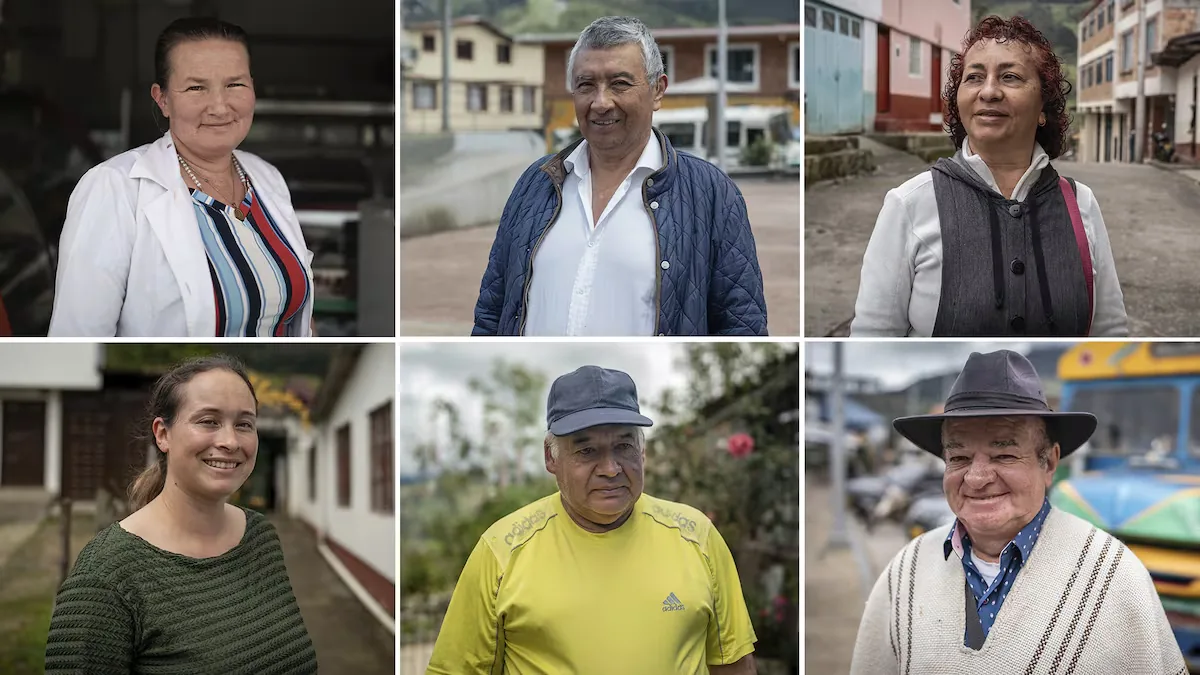
The new campaign will bet on a candidate closer to the people, different from the one with read speeches and multitudinous rallies: fishermen, peasants, house-to-house visits. Some of his allies, such as Cristo and Green Senator Ariel Ávila, will seek undecided votes or from people more located in the center-left, distant from Petro. It is a territorial bet in which cadres from the heart of the left will seek to activate voters who, as Congressman Gabriel Becerra explains, are militants, but simply did not turn out in the first round.
All of this is combined with an intense offensive on social networks, with messages from the candidate himself designed to reach the territories where the left has its largest reserve of unmobilized votes. Cepeda needs to quickly mobilize the territories where abstention is around 60%, a reserve that his team considers his true quarry for the second round. And a reserve that, they point out, is easier to move with a message that does not have Petro as its main protagonist.
Read more Carlsen also loses to So, in the ‘sudden death’ at Norway Chess