








EL PAÍS offers the América Futura section openly for its daily and global informative contribution on sustainable development. If you want to support our journalism, subscribe here.
Read more Costa Rica breaks its diplomatic tradition of neutrality and joins Trump’s hard line
One morning in December 2022, I was able to behold for the first time the Cerros de la Plaza Glacier, one of the few equatorial glaciers in Colombia. I did so from a páramo in the Eastern mountain range, on the edge of a sea of clouds and under a blue sky. There I remember having seen that millenary ice giant that has not been there for a week now.
I first detailed it on social media in mid-2020. I saw a photograph of the glacier from 2006. At that time, its glacial mass was still imposing, I saw strength in its structure. This image — one of the very few that exist, as it is one of the least documented glaciers in the country — was something that impacted me. I had to see it in person.
So I started taking photos of it in December 2022. First from afar and over the blue horizon. When developing the images, we realized that indeed that glacier could be seen from a páramo located about 100 kilometers away in a straight line. There they were: two white spots among the mountains. Little by little I began to investigate and study some maps. I found the glacier records and dissected the scarce information our country has. With this in mind, we made a first approach.
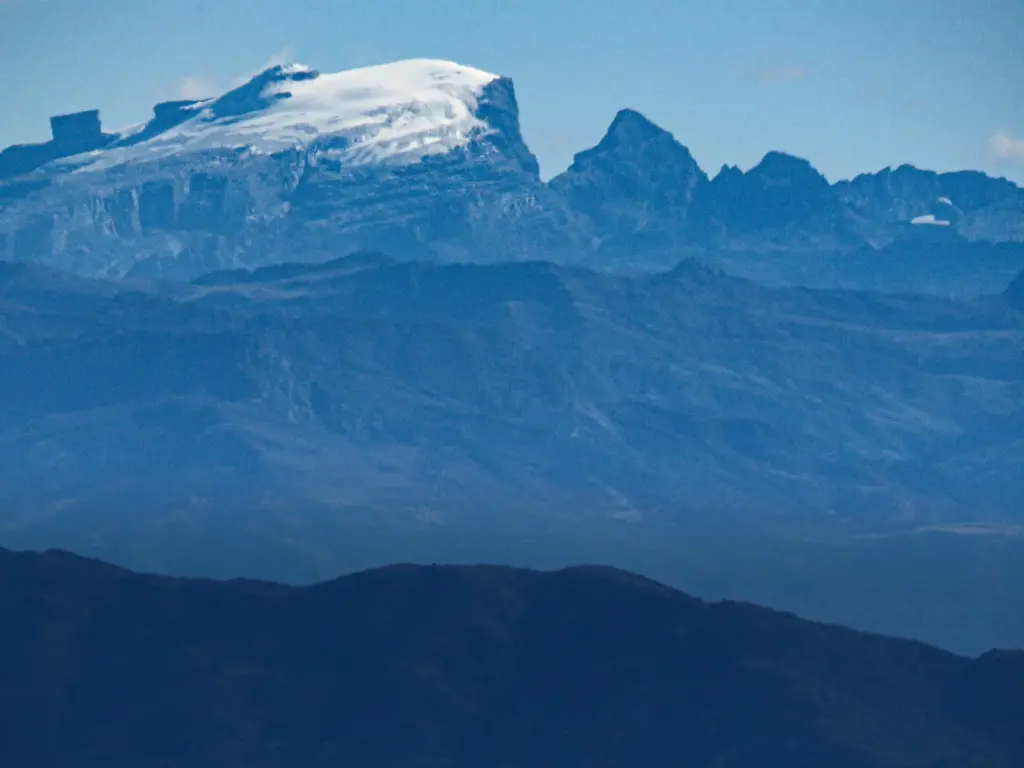
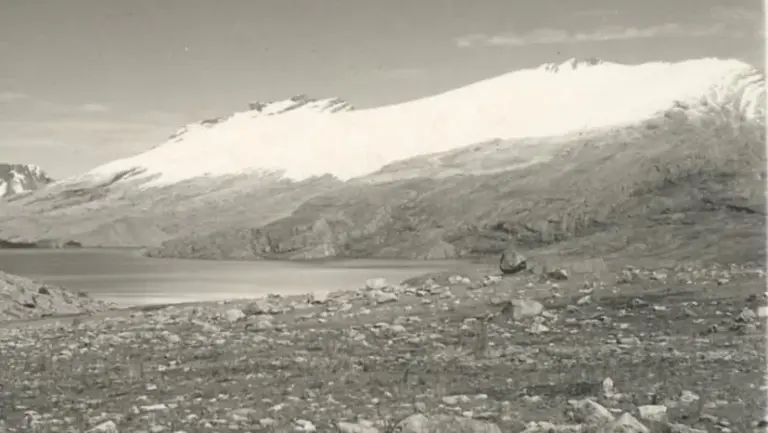
On that expedition, we managed to take a photograph that already showed the deterioration of this glacier over the years. The image I took had nothing to do with the one taken by the renowned Dutch ecologist, Thomas Van der Hammen, in 1959. In early April, when the Institute of Hydrology, Meteorology and Environmental Studies (Ideam) confirmed the extinction of the Cerros de La Plaza glacier in Colombia, I felt enormous gratitude for having been there in its “last days.” It is incredible how these ecosystems transform or disappear after having been there for thousands of years.
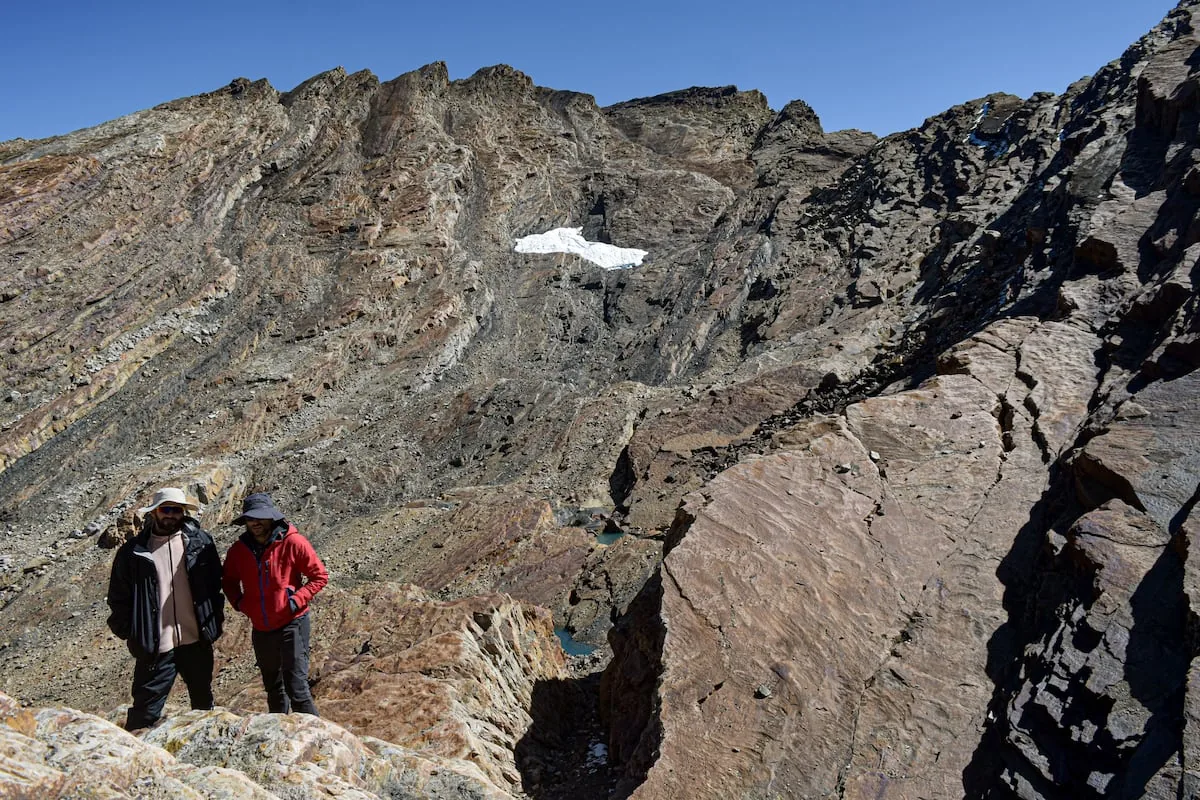
The complexity of the route changed my plans to reach the edge of the glacier as soon as possible. I did not do so until January 2025, when I formed a team to document the little that remained of it. My goal was clear: to recreate from the same place the photograph taken in 2006. I wanted to take that same image for which I studied this dazzling ice mass and show Colombia the remains of it, 19 years later. In less than two decades, the glacier went from being an imposing landscape to becoming a memory; a small fragment of equatorial ice resisting among rocks against climate change.
Access to the eastern slope of the El Cocuy National Natural Park has been prohibited since 2017. We crossed the boundary knowing this. We set out with that tension to document a glacier that clearly no one would see again and whose extinction risked going unnoticed. I could not allow that to happen. Others had to see (at least in photos) what we had before our eyes.
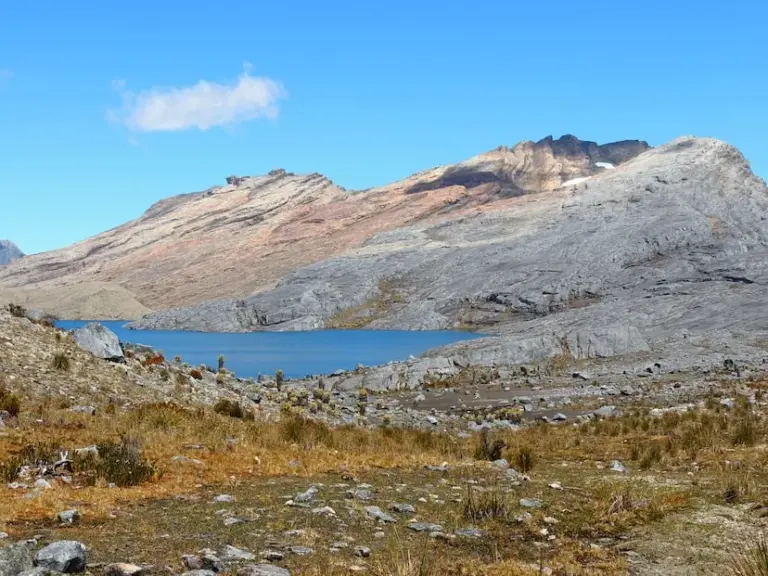
Being there, present, we accompanied the glacier. We said goodbye to the white giant. The drops of water that had been frozen for thousands of years were melting like tears on someone’s face, now fragile. We simply remained silent. We witnessed the extinction of a Colombian glacier and each of us was moved from the deepest part of our being. We said goodbye without being able to do anything more than treasure the records and the feelings it allowed us to experience.
I looked back at it knowing it was the last time I would see it. In my hands, I had at least the photograph I so longed to take. Both images now bear witness to the constant deterioration of the glacier as a result of the devastating impact of climate change. Of our glacier. Today we remember that in Arauca, in El Cocuy National Natural Park, there was a glacier that was synonymous with resistance, climatic history, and Andean poetry, which sought a new dawn among its peaks.
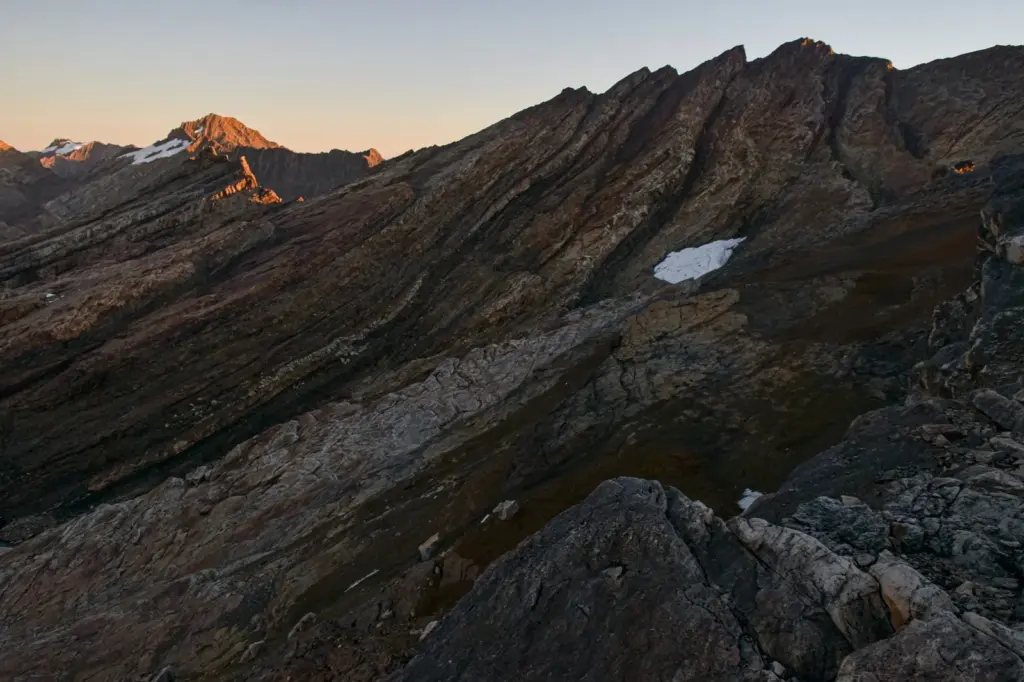
The news of its extinction meant for Colombia the loss of an entire ecosystem. We let go of a symbol of the Colombian high mountain and this generated sadness, helplessness. Its extinction is natural evidence of what awaits the other equatorial glaciers of Colombia if we do not learn to inhabit the world without pushing it to the limit.
Nowadays I think about how important it was to give visibility to that event, after almost six years of voluntary monitoring, we contributed images that will be part of the historical memory of the equatorial glacier Cerros de La Plaza. With passion for the mountains, we continue sharing what we experienced, because what is not known disappears silently.