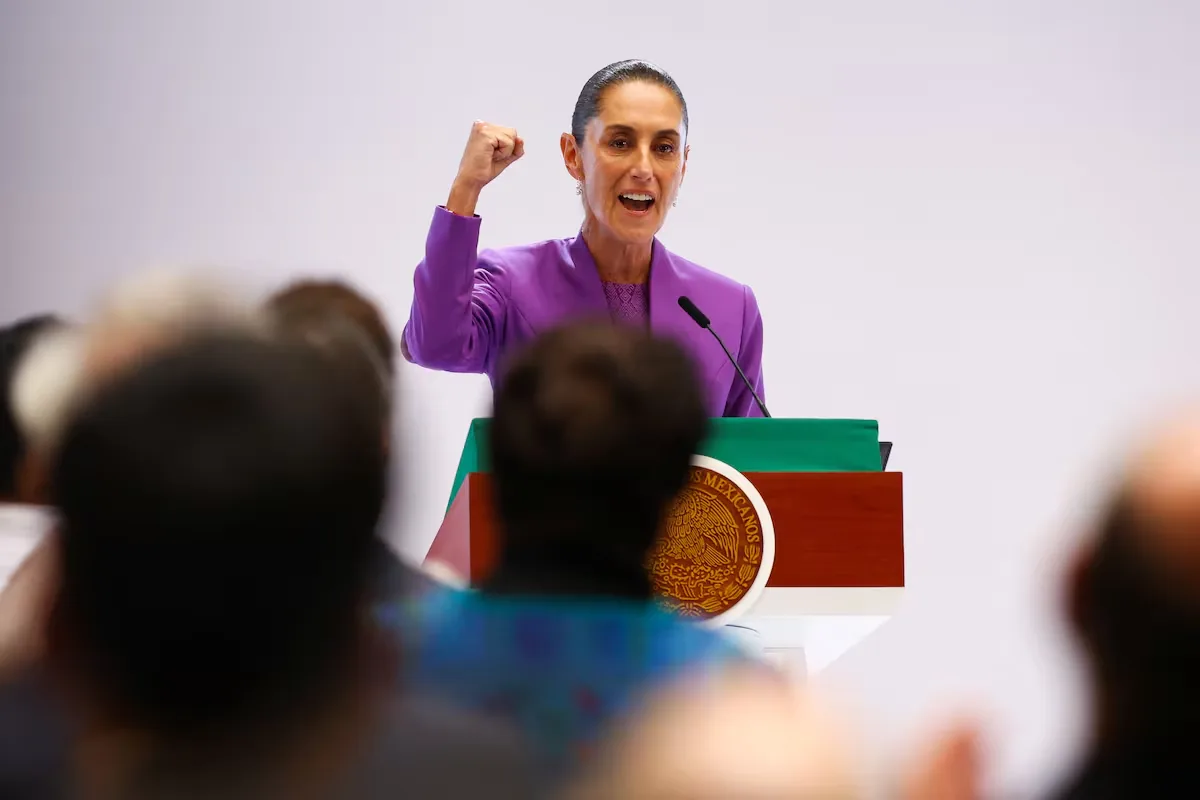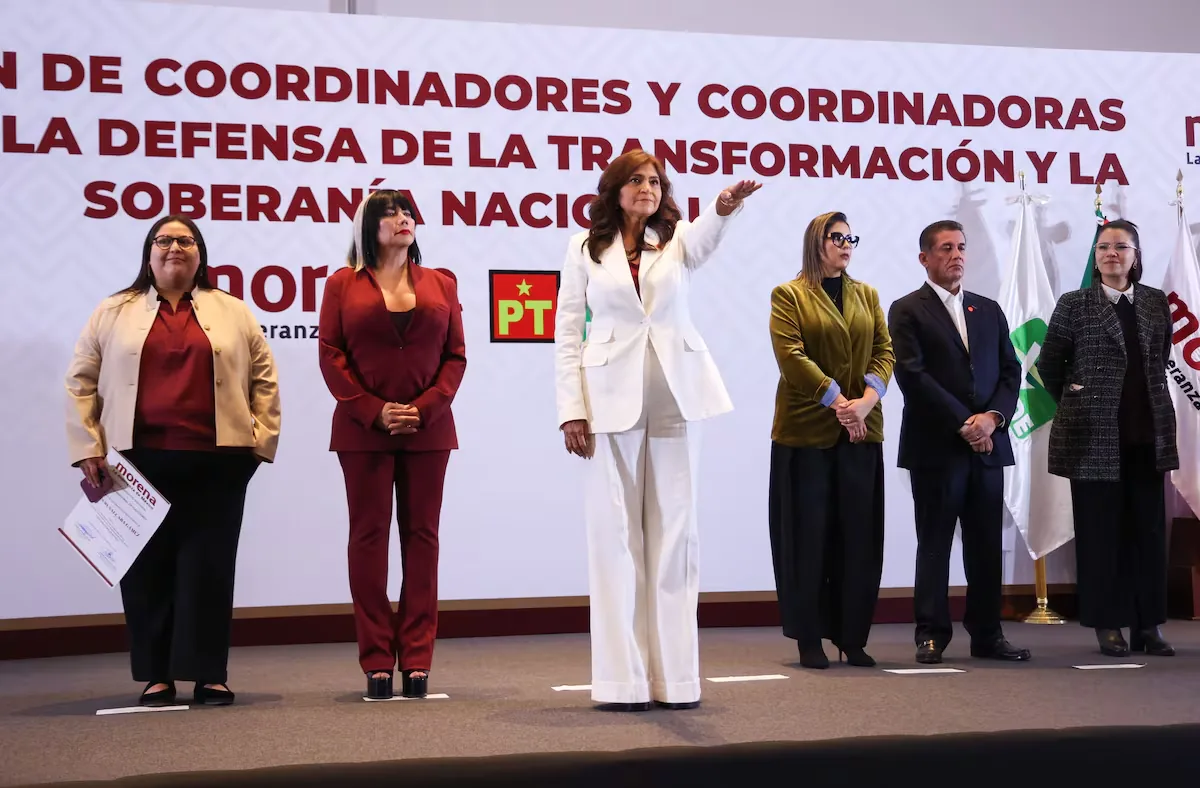








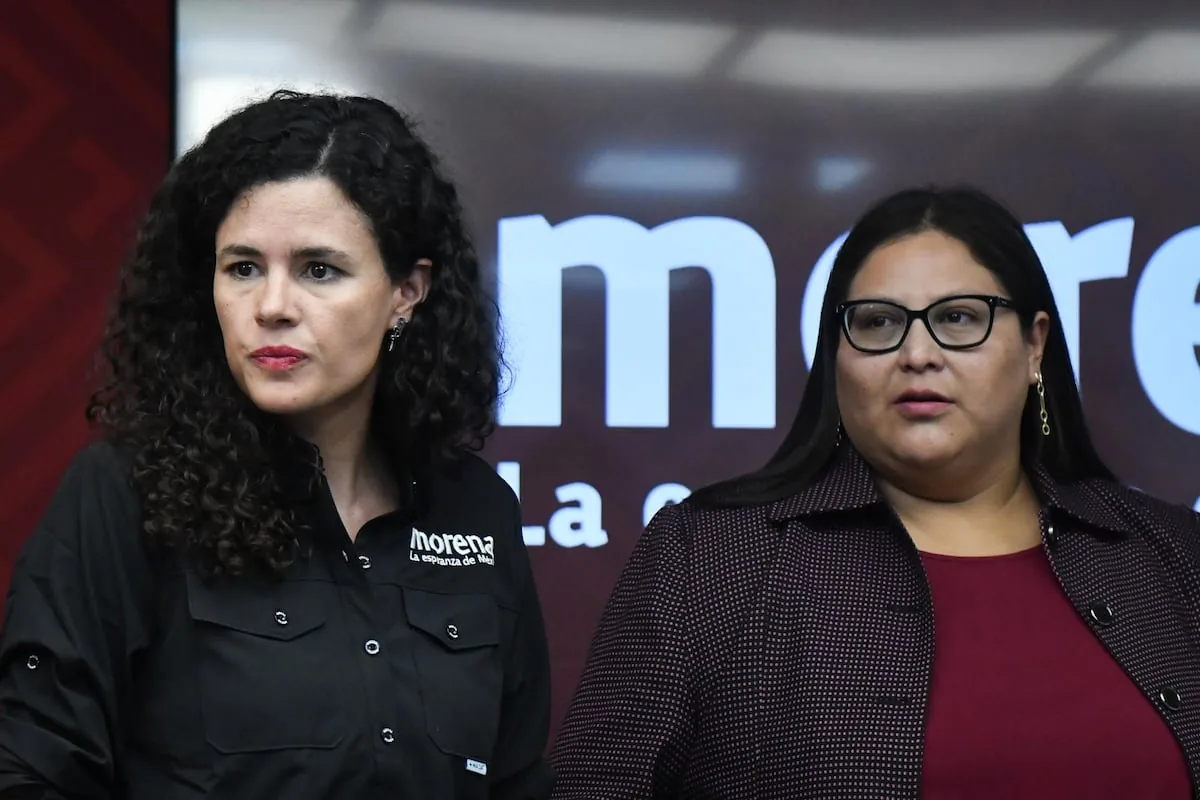
It had to be President Claudia Sheinbaum who set Morena’s course straight at a delicate moment for the party heading towards 2027. The new appointment of Citlalli Hernández to the strategic Elections and Alliances Commission of the party shows Sheinbaum’s concerns about the current leadership in Morena and is, at the same time, an antidote to contain the crisis. The official announcement came after weeks of rumors of a rift between Luisa María Alcalde, the current leader, and Andrés López Beltrán, Secretary of Organization, and due to the recent wear in the relationship with the ruling coalition’s electoral allies, PT and PVEM. Sheinbaum has justified the move in which Hernández leaves the Women’s Secretariat and returns to party training by “invitation” from the leadership to “support.” The president has even stated that she was surprised by the official’s resignation. However, sources within Morena and the Government have confirmed to EL PAÍS that it was the president herself who made the switch to entrust Hernández with the power to lead the assignment of candidacies and the formation of alliances. The president will maintain strict oversight over the polls the party will conduct to choose its candidates.
Sheinbaum’s move has given Hernández authority comparable to Alcalde’s, who is expected to leave the training soon to take on a new responsibility by presidential appointment, sources said. As for López Beltrán, son of former president Andrés Manuel López Obrador, it is assumed that he will also leave his position in search of a candidacy. According to party and government sources, the president communicated her decision separately to Hernández and Alcalde weeks ago. At that time, Hernández’s resignation from the Women’s Secretariat, where Sheinbaum had appointed her at the start of her government, was planned, as well as the announcement of the changes at the presidential morning conference held this Thursday.
At 35 years old, Hernández is a homegrown figure, with a distinguished trajectory as a grassroots militant, youth leader, legislator, and party secretary general from 2020 to 2024, when Mario Delgado was the leader. That duo achieved several electoral successes in 2021 and 2024. For example, winning more than 20 local governments and obtaining a qualified majority in the Congress of the Union. One of her biggest challenges was leading the internal process that defined Morena’s presidential candidacy, which ultimately fell to Sheinbaum and triggered Marcelo Ebrard’s threats of a split. When Delgado’s leadership ended, Hernández tried to take his place, but Sheinbaum had opted for Alcalde.
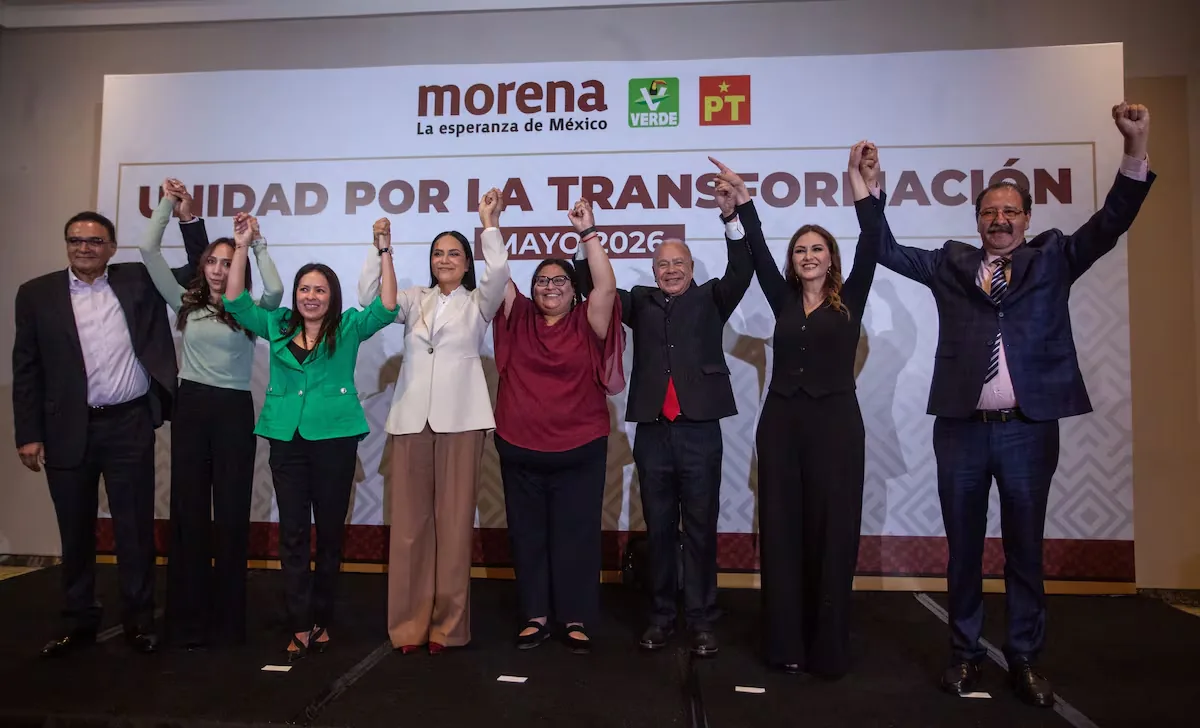
A year and a half later, the president has seen it necessary to give Hernández a leadership role within the party. Her appointment comes amid the turmoil caused by differences with the Green Party and PT, displayed in the legislative arena during the president’s electoral reform process, whose initiatives failed due to rejection by both parties. In fact, for weeks, Hernández had already been acting as an interlocutor with the leaders of PT and PVEM, who found no possibilities for dialogue with Alcalde, according to internal sources. According to these accounts, regarding the 2027 election, the aim is to form as many alliances as possible locally—for deputies or mayors—when the non-negotiables of each party prevent coalitions at the gubernatorial level.
The alliance already broke this year in Coahuila, where the Green Party is running its own candidates in the fight for the local Congress. Another recent and emblematic case occurs in San Luis Potosí, where Governor Ricardo Gallardo Cardona and Senator Ruth González Silva have made it clear they will seek to reaffirm the governorship without Morena. Added to this are other episodes that reveal internal tension, such as PT’s activism against Oaxaca Governor Salomón Jara Cruz, or the political confrontation following PT’s refusal to fully support the presidential proposals.
Both Hernández and Alcalde have acknowledged that the move in the Elections Commission responds to the need to repair the relationship with allies, ahead of a major electoral process: the Chamber of Deputies, 17 governorships, thousands of municipalities in 31 states, and 30 local congresses will be renewed. “We are going to go together,” Alcalde has said, emphasizing that Hernández’s incorporation will allow follow-up on the alliance table and open spaces for dialogue, especially in local conflicts.
Read more Costa Rica breaks its diplomatic tradition of neutrality and joins Trump’s hard line
“We are all going to calm down,” Hernández said in her first appearance as head of the Elections Commission. In that logic, the former secretary has outlined her new priorities: strengthening the coalition to maintain the qualified majority in San Lázaro, reaffirming state governments [Morena and its allies currently control 11 of the 17 entities in dispute], and expanding their municipal presence.
But the background of the move is deeper. Sheinbaum has decided to intervene fully in Morena’s internal life at a time marked by the anticipated dispute over candidacies and disorder in party leadership. In the National Palace, party and government sources say, there is a clear diagnosis: the polling method—historic in the party—has become vulnerable to leaks, biases, and disputes that erode its legitimacy.
The solution, according to those consulted, is for the president to take control. The president will not directly operate the polls but will closely supervise criteria, timing, polling firms, and results. The goal is to prevent local agreements, pressures from internal groups, or premature reveals from contaminating the process. The message, some leaders say, is unequivocal: candidacies will not be held hostage by sectarian interests. With this, Sheinbaum seeks to shield the internal mechanism and, at the same time, send a signal of authority within the party.
For some influential voices in Morena, the move represents a “win-win” scenario: to organize the party before electoral competition intensifies and reposition the president’s political leadership within the party. Hernández, close to the founding balances of the movement and aligned with Sheinbaum’s command, arrives as a pivotal figure capable of carrying out the task without causing splits.
Time is pressing. Before June 22, the date set for candidate selection, Morena must define clear rules and build internal consensus. The success of the operation will depend, the morenistas themselves say, not only on reorganization but on the ability to process internal defeats without turning them into public crises. Sheinbaum has decided to move the pieces before the board gets unsettled. The question is whether the party will respond with the discipline the moment demands.