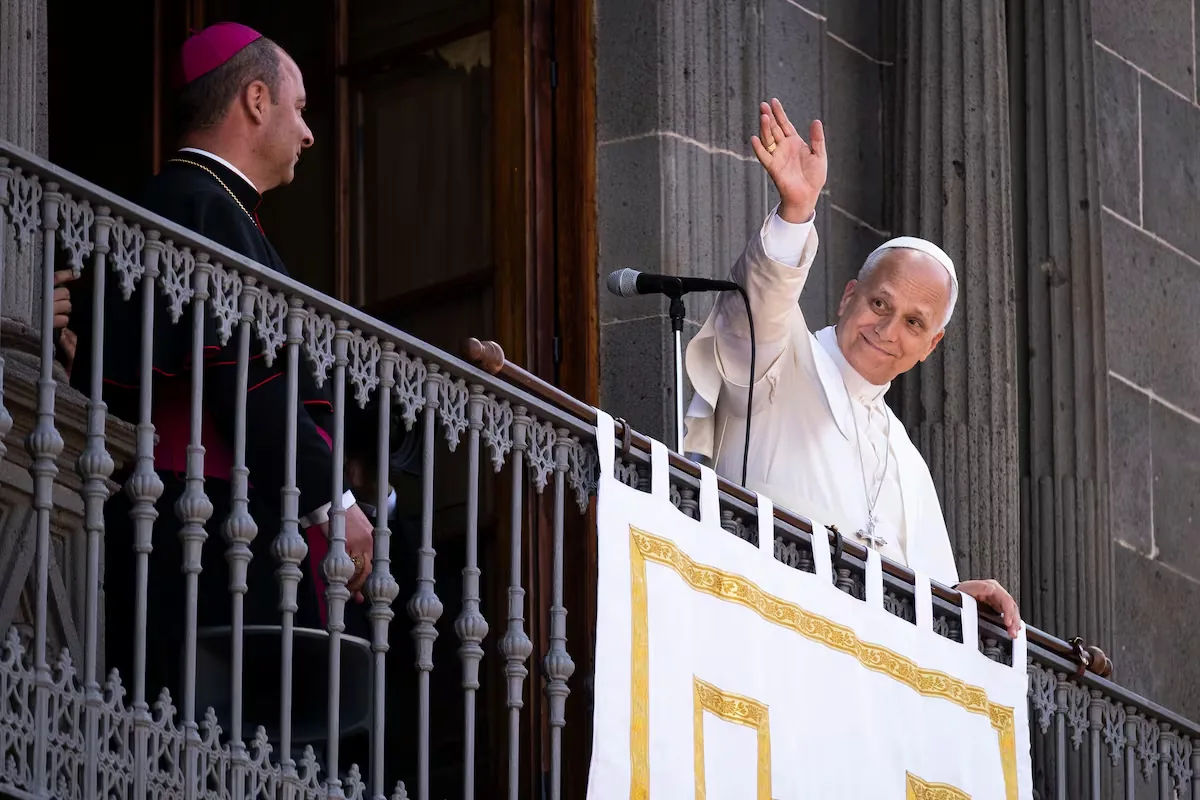
Pope Francis could receive you in audience at seven in the morning, with the express instruction to present yourself at the Gate of Saint Anne —the Swiss Guard barracks— no later than a quarter past six. The clerical estate has always been very early risers. Matins were prayed even before dawn broke and the hour of lauds —around six— arrives much earlier than the hour of corn flakes arrives for the average layperson. “A saint sleeps one hour, one who is not so saintly sleeps two.” When they told me yesterday that we were meeting to go to the Pope’s mass at a quarter to seven in the morning, I thought I was facing a fit of madness, but no: by half past six, the Church’s retinues, “a people of kings, a holy assembly,” were already coming down Alcalá street. Then one of the most beautiful moments of the day occurred: those minutes when those leaving home and those returning to bed coexist, between those who are clean from the shower and those —still dressed for the night— bear on their faces what Jünger called the wrinkles of pleasure. Some still wanted to get some action, others just wanted to get a spot: this coincidence already spoke more of Madrid’s diversity than all of Almeida’s advertisements and Ayuso’s speeches. Things, perhaps, of having Bad Bunny and the Roman Pontiff at the same time and in the same place.
Read more All people isolated as hantavirus contacts return home to complete quarantine
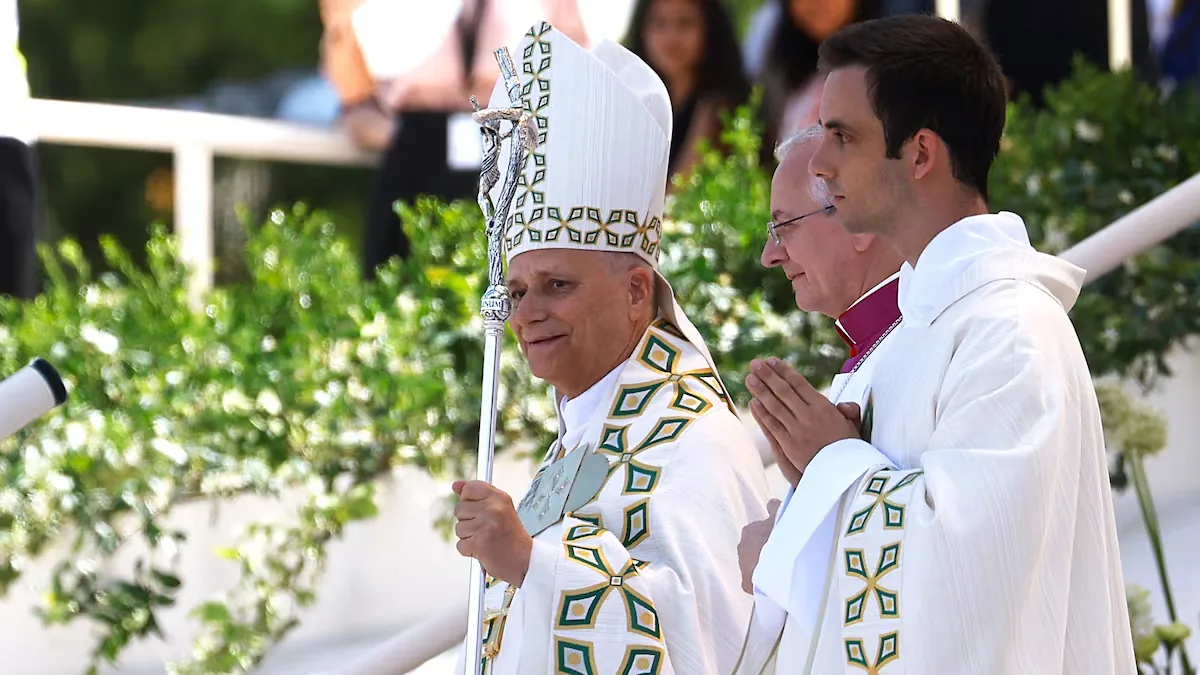
Always less extreme than Francis, Leo XIV set the mass at ten: a comfortable schedule, without the bourgeois trappings of the twelve o’clock mass, and with the express intention that no one should shorten their transit to heaven due to heatstroke. The morning, in fact, has been, as a modernist poet would say, eucharistic and lily-like: not in vain, it was Corpus Christi morning and the City Council, as befits the date, shone like a paten. The mayor had blocked any attempt for the mass not to be held in Cibeles. Pastoral experiments already happened yesterday. And in Cuatro Vientos there is more visibility for the faithful, but the municipal authority was more interested in its visibility to the world. Furthermore, the memory of the electrical storm that occurred there, in Cuatro Vientos, in the time of Benedict XVI, still weighs heavily: the wind carried away all the ephemeral architectures designed for the occasion and only José Luis’s sandwich stand remained standing. After so many years of papal orphanhood, the weather today could only be cooperative.
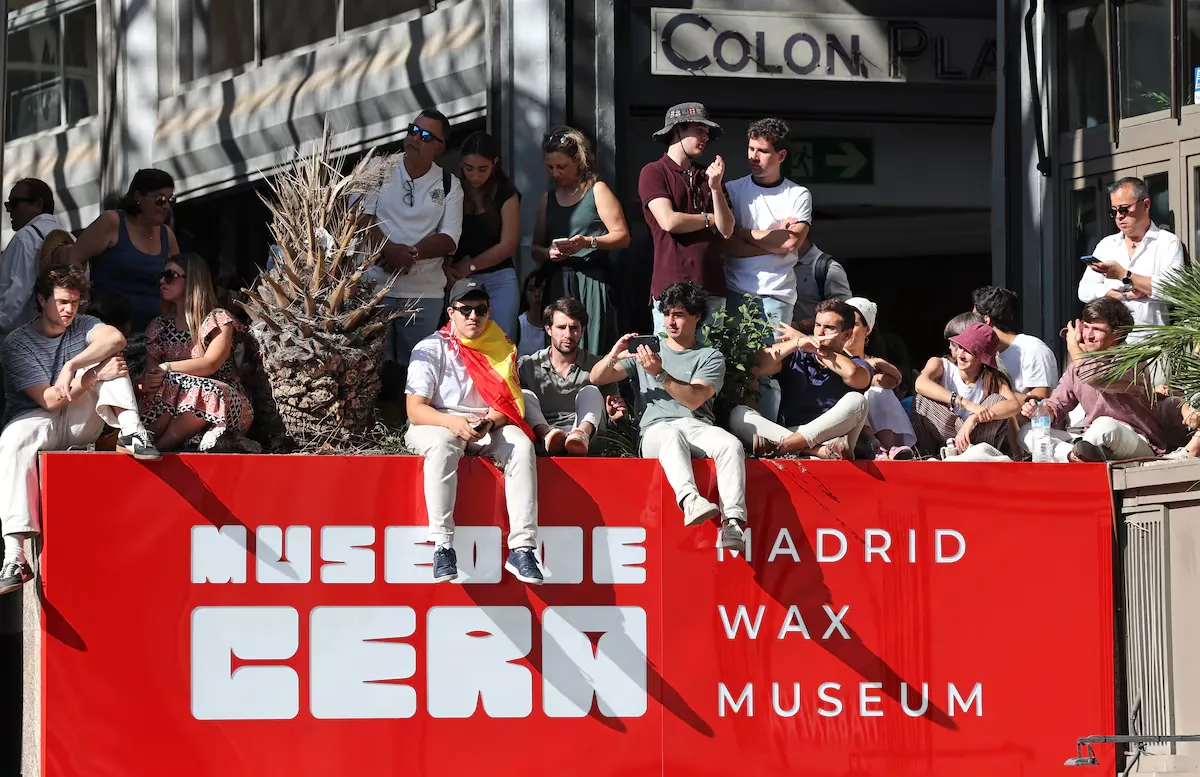
It is possible that a praying crowd is easier to shepherd than the audience of, say, a trash metal concert. Be that as it may, the organization, guided partly by national police and an overwhelming number of volunteers, has been exemplary. There were very long queues to show the bishopric’s QR code and access your sector, but they moved very quickly, perhaps because there was also enough leniency to let you pass with a KFC menu QR code. The longest queues, however, were at the Rodilla sandwich counter, a chain so traditional that Ayuso, some time ago, presented them with the “Madrid sandwich.” And, in truth, the atmosphere was so Madrilenian that, true to the city’s current character, it could only be very Latin American. Not all Latinos have become evangelicals: without needing to look for them, I have seen flags from Argentina, Paraguay, Mexico, and the new and old flags of Honduras. Among all, of course, the flag of Peru stood out, because Peruvians cannot be disputed either the paternity of pisco or the Pope’s origin.
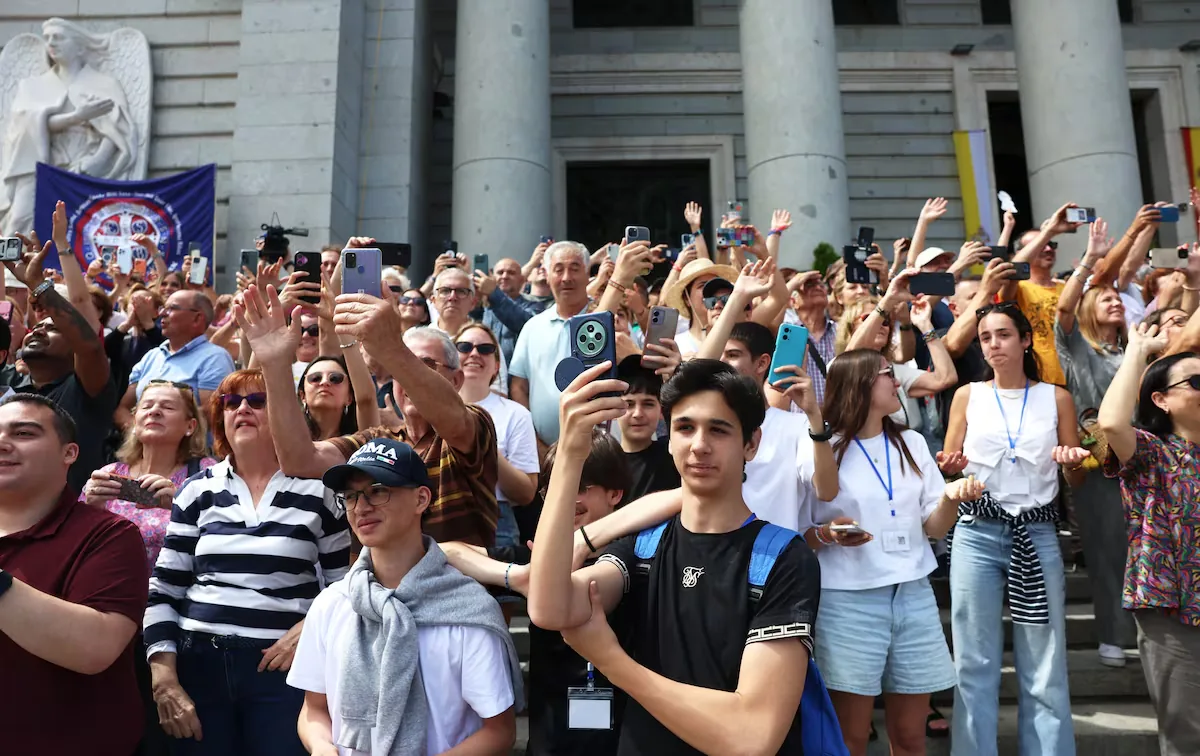
As God helps those who rise early, we had a splendid spot, under the shade of the acacias, next to the saving bathroom of the VIPS in Alcalá and with views, if one can say so, of the Holy Father. Catholicism, in recent years, has spoken a lot about “existential peripheries,” but I was with some nuns from the usual periphery, the well-off ones. And even if standing could be a sacrifice capable of erasing years of purgatory, it really only lacked trays of juices passing by to transition from pilgrimage to chill out. Things would have been much worse if we had been, with all due respect, facing the sun. And if there were those who brought their hunting chair to avoid plantar pain, others didn’t need help: many young people had been at the vigil the night before and, after finishing late and sleeping in a school, there they were again to see the Pope. It seemed to me a faith worthy of the Crusades.
Read more Heard during the Pope’s mass in Cibeles: “Only beautiful people here”
Among the great saints —for example, Saint Francis of Assisi— it has been common to die with great doubts about their eternal salvation. In my sector, which was a sector of good Catholicism, half incense and half Álvarez Gómez, we all seemed to assume that the Lord was very reasonably with us. But there was more, of course. Pilgrims proud to proclaim “Onteniente with the Pope” or to point out that they come from the diocese of Osma-Soria. Discalced Carmelites, shod Carmelites. Nuns from very different orders, whom one never knows whether to call “mother” or “sister.” Few elderly: they fill the churches but do not flock to the streets. And many, many families: when “here is the Pope’s youth” was sung, one rather felt like singing “here is the Pope’s middle age.”
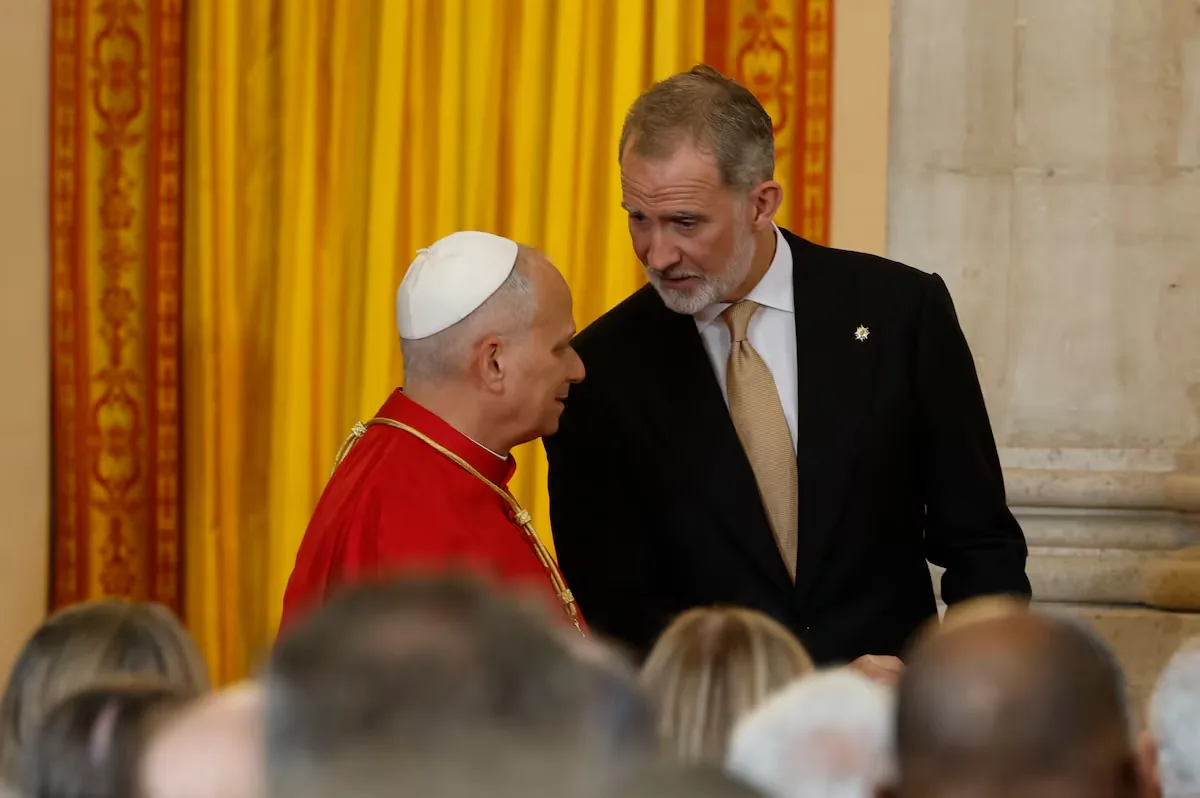
There were applause for the Kings upon their arrival. Emotion when the screens showed, from Serrano to Colón and Recoletos, the route of the popemobile. And there were flags, of course, Spanish and Vatican, though fewer than one might have expected. In the end, a mass is not a rally, and Leo XIV himself seems to have come to Spain with the express desire not to criticize the Government: he spoke of “personally committing ourselves to the construction of the common good,” for example, not of abortion, nor of the euthanasia law approved by the public Catholic Salvador Illa. Yes, Leo XIV has come to Spain to make friends. And the same flock that chanted “John Paul II, everyone loves you” and “Benedict, X V stick,” has responded in abundance: “Leo, friend, Spain is with you.”