







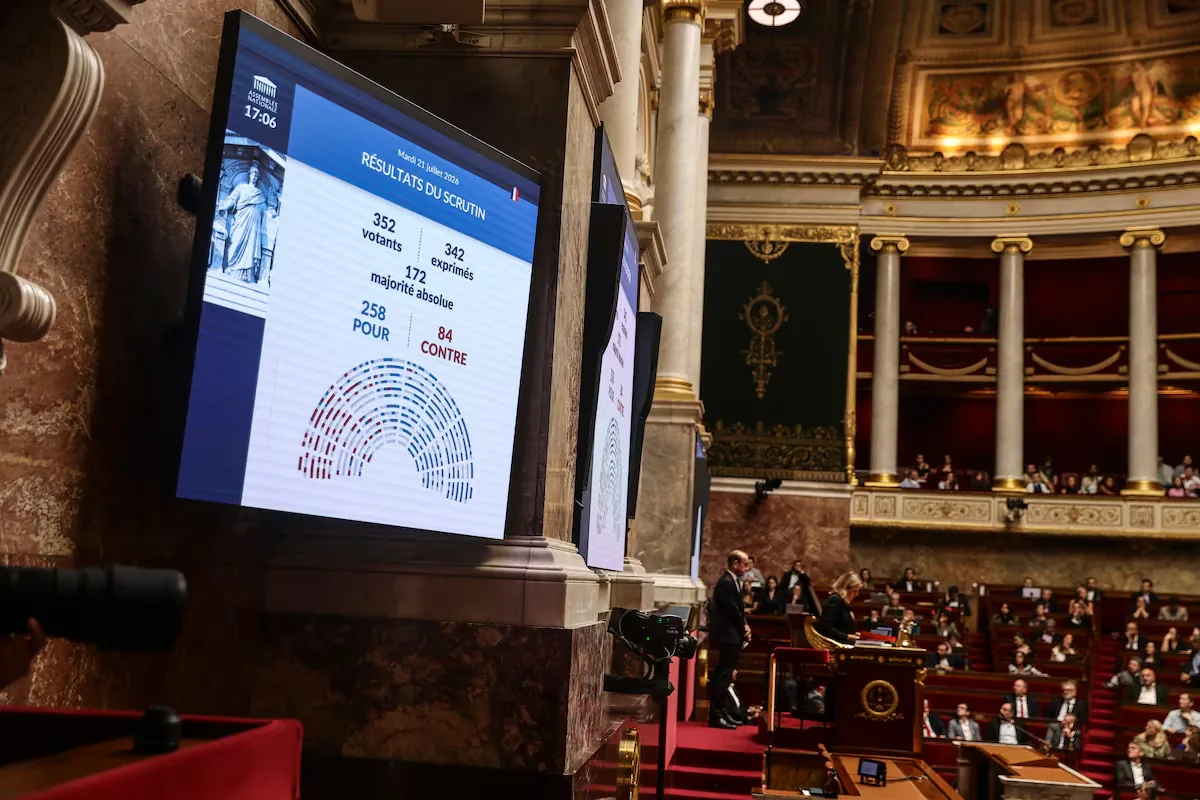
France became this Tuesday the first European country to prohibit minors under 15 from accessing social media. The law regulating it was definitively approved with the support of both chambers of Parliament: it obtained 243 votes in favor and 2 against in the Senate, and 279 votes in favor and 81 against in the National Assembly.
President Emmanuel Macron, who had promoted this measure and made it a flagship of the final stretch of his mandate, celebrated its approval, assuring that “France opens the way in Europe” for the protection of children and adolescents. “I had committed to it, now it is approved: social media will be prohibited for minors under 15 from the start of the school year,” he said.
The regulation will come into force on September 1. From that date, minors under 15 will not be able to create new social media accounts, and platforms will have an additional four months to delete existing ones belonging to minors of that age. The measure makes the country the second in the world, after Australia, to legally apply such a restriction. But some voices believe that deploying the measure will not be so easy.
The law establishes a general prohibition on access to social media for minors under 15 and does not include a list of specific platforms. Instead, it refers to the definitions of “online platform” and “online social media service” contained in European legislation. Some services, such as online encyclopedias and educational or scientific directories, are expressly excluded. It is also not clear how the verification system, which is entirely dependent on the platforms, will be implemented. Nor is its fit within the European legal framework, which is working to unify a similar measure in the rest of the EU countries.
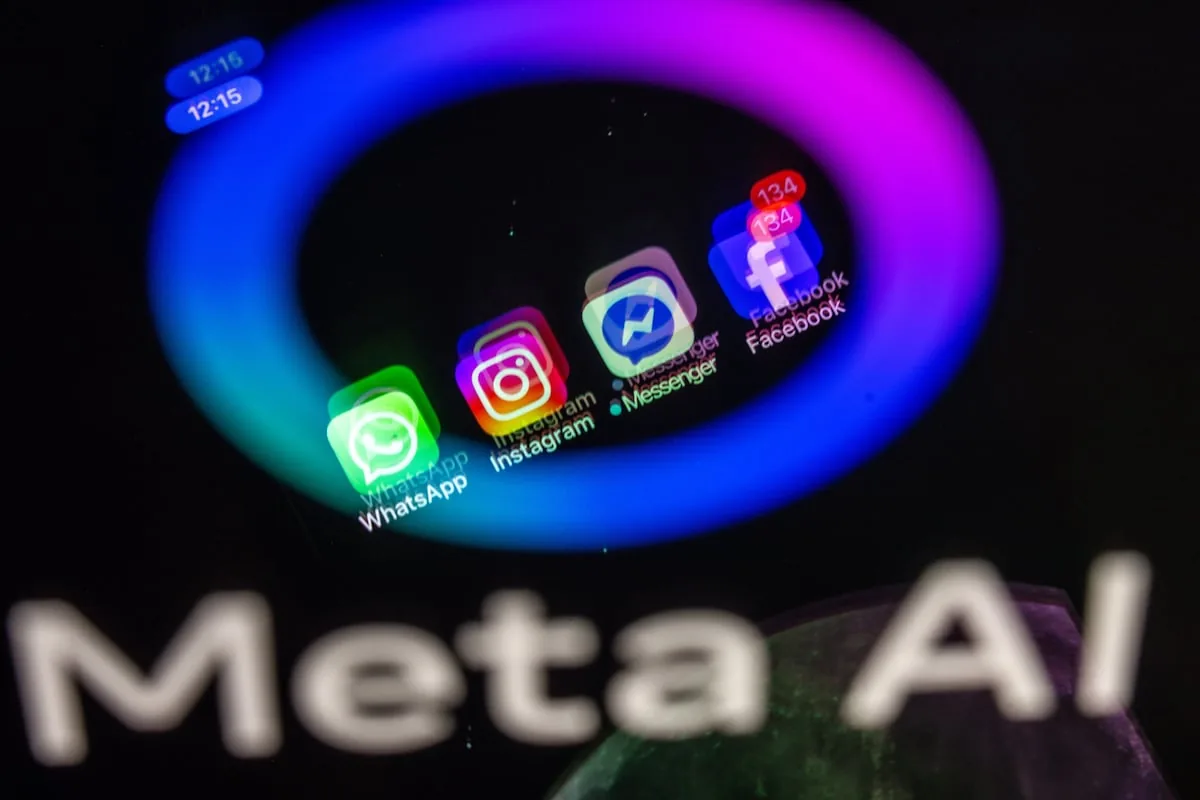
During the parliamentary debate, doubts arose about the definition of a social network. Although it seems clear that platforms like TikTok (one of the most singled out for its addictive elements), Instagram, or Snapchat would be subject to the prohibition, questions persist about services like YouTube, WhatsApp, Reddit, or even video games with social functions, like Roblox. As explained by MP Laure Miller, promoter of the law, and reported by the newspaper Le Monde, in some cases, only certain functionalities will be subject to age control.
YouTube, for example, will control the ability to share content, and WhatsApp only access to channels, while other functions could remain outside the restriction.
The President of the Spanish Government, Pedro Sánchez, announced on February 3 that his Executive would also prohibit access to social media for minors under 16. Spain thus joined the so-called “Coalition of the Digitally Willing [Germany, Greece, Norway, or Italy],” in line with other countries like Greece, which had also announced it. The United Kingdom also approved a similar measure, which will come into force in early 2027.
Read more Trump is willing to talk with Hezbollah
Macron, however, has arrived first and has been one of the main drivers of this law in Europe. Already in January, when the central article of the law was approved and there was no doubt that it would go ahead, the President of the Republic launched a powerful plea. “The minds of our children are not for sale. Neither to American platforms nor to Chinese networks. Because their dreams should not be dictated by algorithms. Because we do not want an anxious generation, but a generation that believes in France, the Republic, and its values.”
The law does not provide for any sanction for children or parents. The full weight of the law will fall on the platforms, responsible for verifying and controlling the age of their users. “How can one seriously believe that in a few weeks, in the middle of summer, such a complex system can be operational? Who will carry out, in practice, the age verifications?” asked ecological senator Mathilde Ollivier, who denounced a text “for show.”
That is one of the elements that will have to be clarified in the coming weeks. In fact, some actors in the digital sector consider the current strategy not viable. “Asking people to send personal documents to each application they download individually creates real privacy risks,” Meta noted in a statement published in June. As an alternative, some of these companies propose another solution. That is, to transfer this responsibility to the smartphone level.
Ambitious European initiative
The French project is part of a broader European initiative to strengthen the protection of minors in the digital environment. The President of the European Commission, Ursula von der Leyen, announced on July 13 that the Community Executive would present new proposals after the summer to establish a system of progressive access to social media according to age. That same day, a group of experts appointed by the Commission recommended prohibiting access to social media for minors under 13, also including artificial intelligence assistants.
The law, which also includes prohibiting mobile phones in high schools, as is already the case in primary schools and junior high schools, could face new legal obstacles. Socialist MP Arthur Delaporte announced that his parliamentary group is studying appealing it before the Constitutional Council if some aspects regarding the networks to be restricted are not clarified. Although the text now seems compatible with European regulations, doubts remain about its conformity with the French Constitution.
The Council of State warned some time ago that some provisions of the first draft could affect fundamental freedoms due to the broad definition of the social networks concerned. If the appeal is finally filed, the promulgation of the law could be delayed, although this would not necessarily imply modifying the scheduled timetable for its entry into force on September 1.