
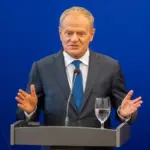
Christopher Anderson (Kelowna, Canada, 56 years old) is one of the great icons of modern photography, not only for his career but also for his versatility. The Canadian grew up in Texas, and his first major recognition came in 1999 when, along with journalist Michael Finkel, he boarded a boat carrying 44 Haitians trying to reach the United States. The vessel was beginning to sink when it was spotted by coastguards who managed to save the lives of all passengers. The photos from that journey made him one of the most acclaimed names in the industry and earned him the Robert Capa Gold Medal, one of the most prestigious awards in the world of photography.
Read more From the Ball to the Weights: Why the Gym Is Becoming Teenagers’ New Playground
“Photography started as a hobby. I am self-taught. It became my profession by accident; I came to it almost without looking for it. At first, what attracted me was the feeling that it was a passport to many lives,” Anderson tells ICON. The photographer is now publishing his latest book, Index(Ed. Stanley/Barker), a review of his career in which the multiple layers that compose it can be appreciated: “This book is, without a doubt, a good gateway to my work. It is by no means a complete work, like a retrospective. But it connects the thread between my different photographic lives. It has something autobiographical about it. It is, in a way, the story of an archive,” he says.
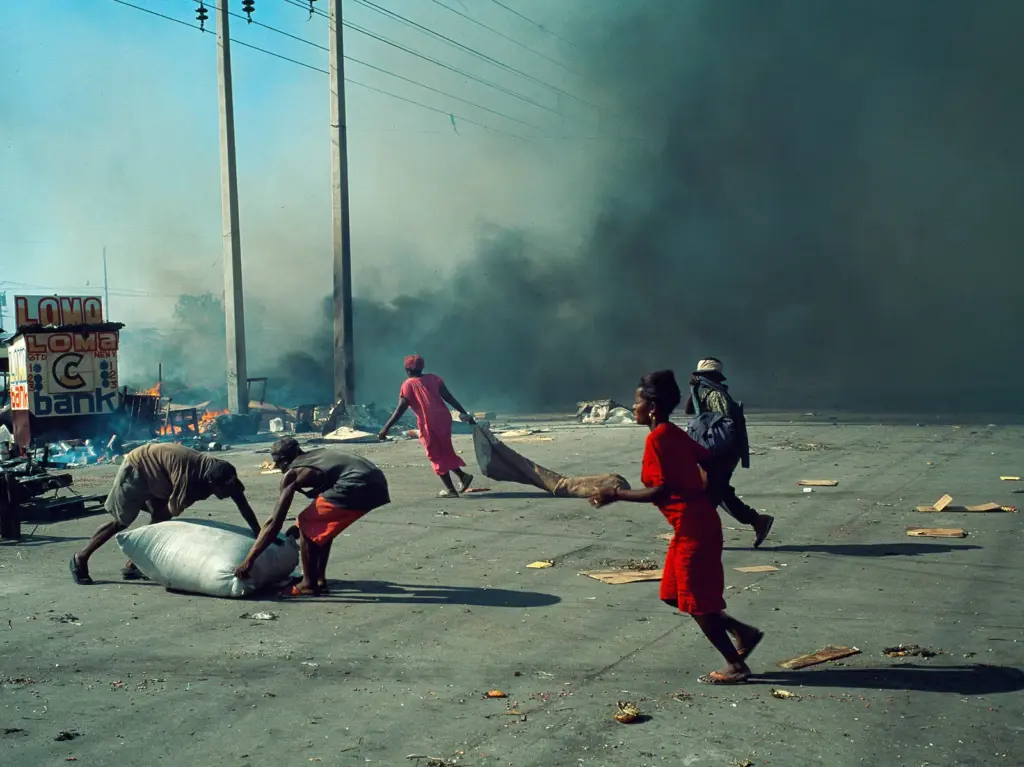
The Canadian cemented his reputation in war conflicts, working in Afghanistan, Iraq, and Gaza in the dark scenario left behind by 9/11. His work as a war reporter earned him the prestigious World Press Photo two years in a row (in 2007 and 2008). “Awards only meant one thing to me: freedom. I was never interested in success itself. I saw it as a means to an end. And that end was freedom.”
The images by this photographer, who has worked for a good number of the most prestigious newspapers and magazines in the Anglo-Saxon world (from The New York Times to Vanity Fair, including Newsweek or National Geographic), have served to transport the reader to areas of the planet governed by chaos, where life has little value. A place where most mortals would never set foot, but which Anderson illustrates without seeming to falter: “Fear doesn’t disappear. But you learn to compartmentalize it. It’s an obstacle that must be overcome to do the job… like other obstacles: fatigue, discomfort… You accept it or you don’t.”
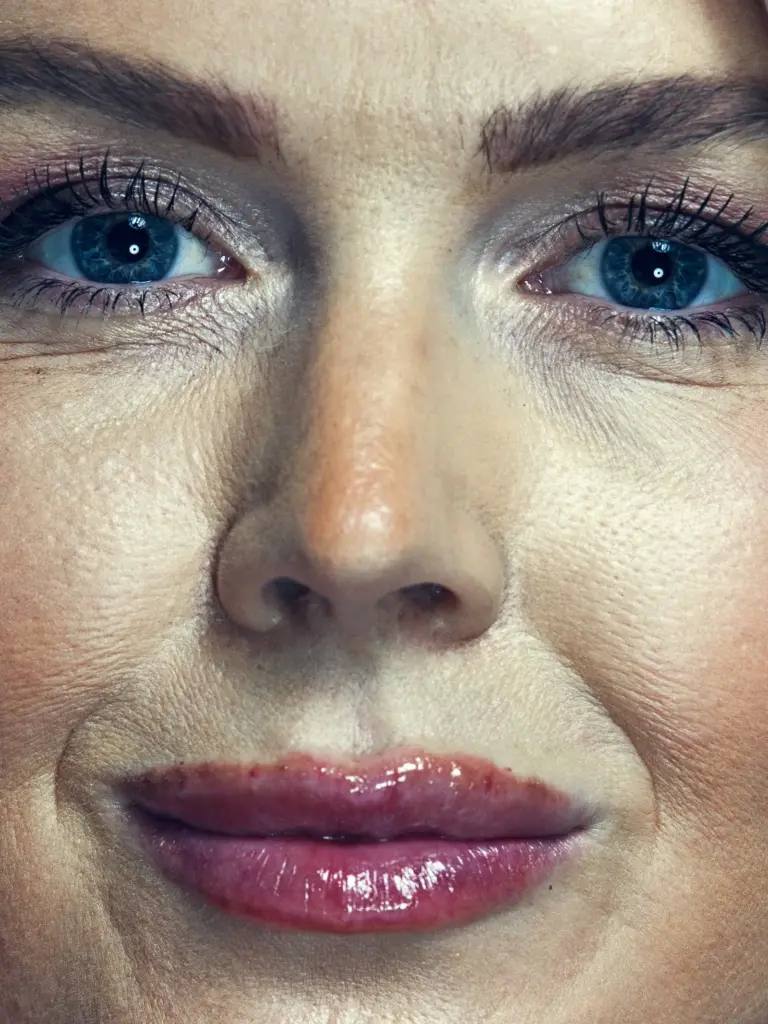
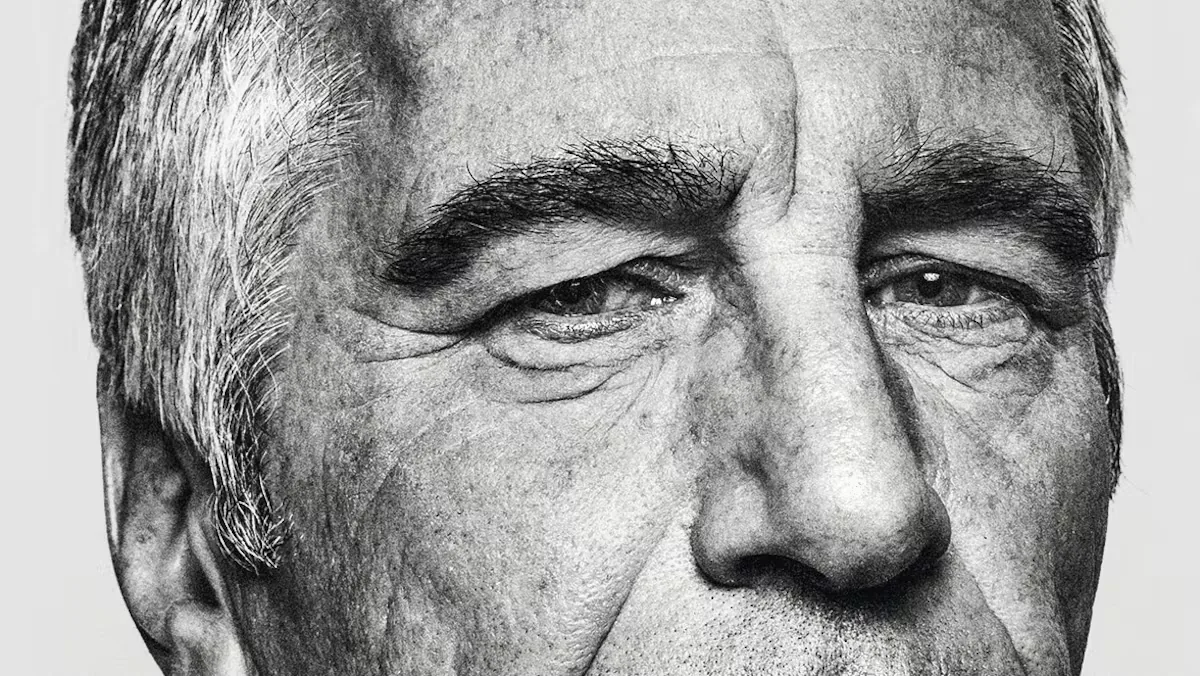
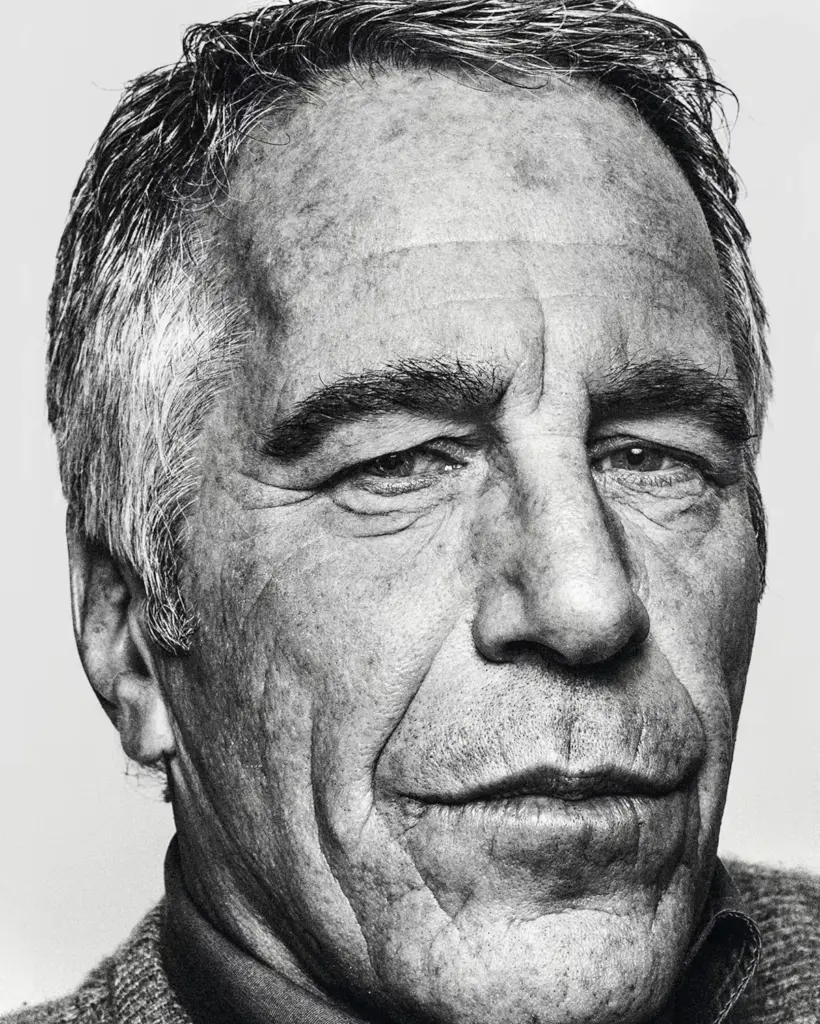
However, what is generating the most conversation these days is the photo shoot Anderson did with one of the most recurring names in headlines worldwide: Jeffrey Epstein. The millionaire, who died under strange circumstances (justice ruled that Epstein had committed suicide) in the prison where he was awaiting trial accused of child trafficking, was portrayed by the Canadian in 2015 for a profile that was to appear in New York Magazine signed by journalist Michael Wolff. Asked if it bothers him that a professional with his reputation is now forced to continually talk about one of the vilest people on the planet, Anderson makes it clear: “It doesn’t bother me to answer questions about any of my work.”
Read more La M.O.D.A.: heroes from Burgos who champion ‘the nobodies’ of life
The session, one of the few Epstein granted (the other was to New York photographer Andrés Serrano in 2018), was not without tension. “Epstein’s modus operandi was to let you know he was dangerous. Seeking an advantageous position to intimidate was the image he projected. My first memory is the young woman who opened the door. Later I saw her preparing a massage table in a room next to Epstein’s office,” he recounts. “I didn’t know who he was, only that he was a millionaire and powerful guy connected to many other millionaire and powerful guys.”
Years later, his portrait of the villain is one of the most used whenever the magnate and his island are discussed, and Anderson himself appears in Epstein’s files declassified by the US government due to emails between one of Donald Trump’s best friends and some of his associates, regarding the photos and their subsequent publication.
The photographer completely changed tack to dedicate himself to something different: he settled in Paris and became a reference for first-class celebrity portraits, with Rosalía or George Clooney posing for him. Despite this, Anderson returned to the headlines when Vanity Fair asked him to photograph Donald Trump’s inner circle in what was one of the most talked-about reports of recent times when it appeared in the magazine late last year. “I say yes to a job when I think I have something to say about the subject I’m going to photograph. So I went and did my job,” he clarifies.
But despite the noise, neither Epstein nor the White House appear as a priority when Anderson reveals the moments of his career that have most marked him in three decades behind the camera: “There are dramatic stories: being shipwrecked on a boat with Haitian refugees, witnessing revolutions and wars, having access to circles of power. But even so, I would say that what affected me most as a human being throughout all these years was becoming a father.”