









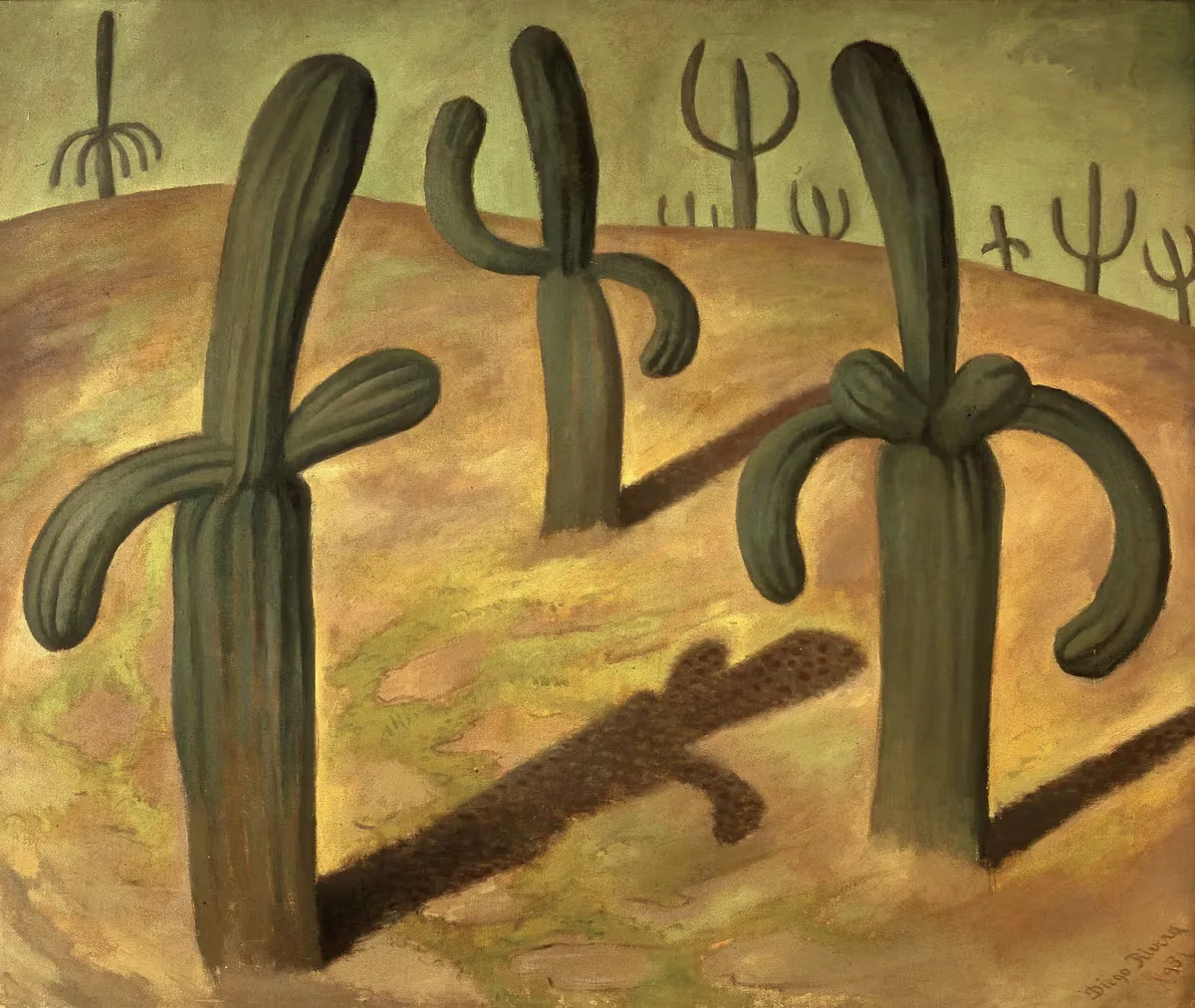
Modern Mexican art will share the spotlight with the great masters of European painting at the inauguration of Faro Santander. The new cultural center, located in the historic Pereda building in the Cantabrian capital, renovated by architect David Chipperfield, will open its doors on September 8 with two major collections: the Gelman, one of the most important collections of 20th-century Mexican art, with works by Frida Kahlo, Diego Rivera, Rufino Tamayo, Orozco, Siqueiros, or Gunther Gerzso, whose arrival in Spain has sparked controversy as it is Mexican cultural heritage; and a review of Banco Santander’s corporate collection, with works by Titian, El Greco, Velázquez, Goya, or Sorolla.
Read more How many hectares have burned? The map of the most serious active fires
Each will have an independent exhibition, which will be added to the already announced exhibition dedicated to the work that the surrealist painter Leonora Carrington created during her hospitalization in a psychiatric clinic in Santander, known for its director’s pro-Nazi methods.
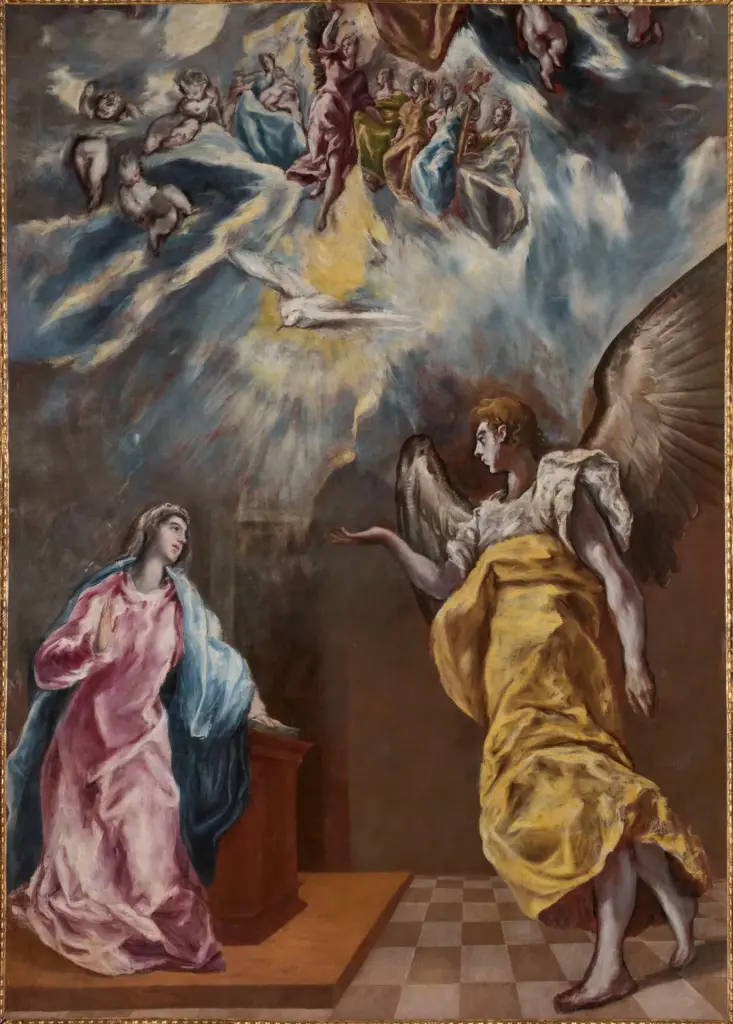
According to the Santander Foundation, “these are independent exhibitions with no greater connection than the fact of presenting two collections of masterpieces, which in both cases are under the custody of the Foundation.” The bank’s collection, forged over more than 160 years, is one of Europe’s most significant corporate holdings and spans almost six centuries of creation: from the Renaissance panel The Preaching of Saint John the Baptist (1537-1540), by Lucas Cranach the Elder, to the contemporary piece I Dreamed You Revealed (Sujtlej-Indo) (2018), by Juan Uslé. In between, names of the stature of Titian, El Greco, Rubens, Velázquez, Goya, Antoni Tàpies, or Soledad Sevilla.
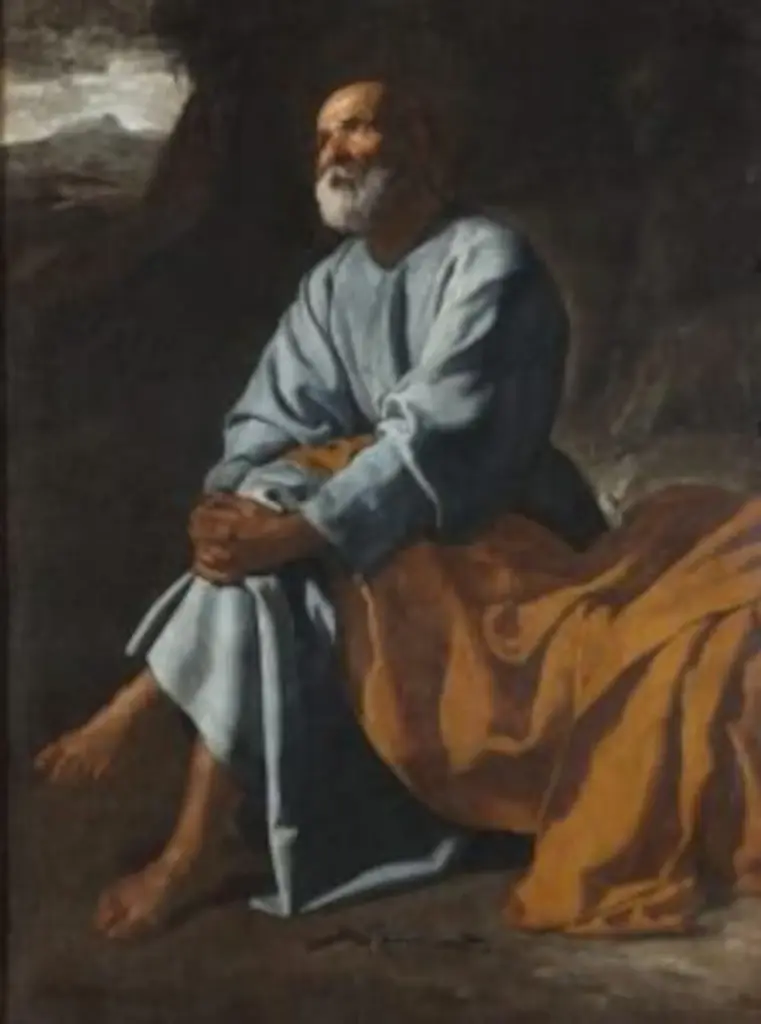
Masterpieces from the Santander Bank Collection, curated by historian María Dolores Jiménez-Blanco, will be structured around four major thematic axes: Sacred Stories, Places and Landscapes, Things: Still Lifes and Natures Mortes, and Portraits, Types, Figures. In Jiménez-Blanco’s words, the exhibition aims to offer “a reading that reveals how artists and images from different eras and styles converge to show the lines of force of a multifaceted collection,” seeking a balance between the entity’s own heritage and the media attraction of the international avant-garde.
A Farewell with ‘Las Golondrinas’ and the Legal Limbo of the Gelman Works
The Gelman collection, with which the great European masters will share the spotlight, had been away from the public eye for almost two decades — except for very specific appearances of some of its works in certain museums around the world. The long-term loan agreement between the Santander Foundation and the Mexican owners of the Collection, the Zambrano family, shook the art world in January. Especially in Mexico, where the issue almost became a matter of state.
Many of the works in the collection —all those by Orozco, Rivera, Siqueiros, or Kahlo— are protected by Mexican legislation with an Artistic Monument Declaration that does not allow them to permanently leave the country. The controversy began when, at the presentation of the agreement, the director of the new cultural center, Daniel Vega Pérez, described Mexican legislation as “flexible” and defined the re-entry of the pieces as “a mere formality,” which “contradicts issues such as the preservation of the works.”
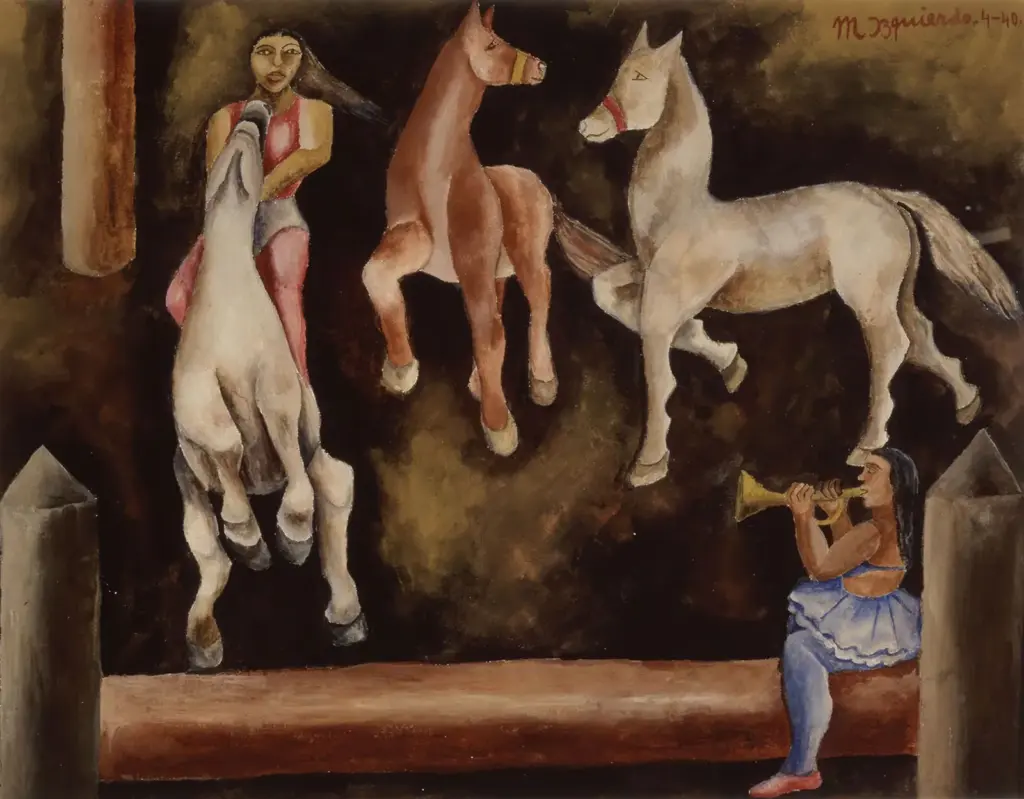
The scandal was such that the Foundation had to clarify that the works would not permanently leave the country and brought them back to Mexico, after almost two decades without being exhibited, in a temporary exhibition at the Museum of Modern Art (MAM), inaugurated with pomp by the Mexican Government.
The collection is so important for the new space that its inauguration had to be delayed by a couple of months after the Mexican Executive’s request to host the exhibition for longer due to its “success” and so that it could be enjoyed during the World Cup. It remained there until the end of last week. It bid farewell to its country amidst protests from cultural groups outside the museum and with a mariachi playing to the rhythm of Las Golondrinas, the traditional Mexican waltz of sad goodbyes.
The exhibition arriving at Faro will be very similar to the one displayed from February to July at the MAM in Mexico City, “but adapted to the spatial characteristics of the Faro Santander galleries and considering the context and knowledge of its audiences.” With nearly a hundred pieces, the exhibition, says the curator, Marisol Argüelles —director of the MAM and who also curated it in Mexico—, “will offer a plural vision of Mexican modernity, incorporating both the great muralists and artists who developed alternative paths within the country’s art.” Frida Kahlo will have a prominent role, “who occupies a central place in the Collection, which brings together an exceptional set of self-portraits capable of showing the artistic and personal evolution of the painter.”
It will also feature other emblematic pieces, such as the famous Portrait of Natasha Gelman and Calla Lily Vendor, by Diego Rivera; the Portrait of Cantinflas, by Rufino Tamayo; or works by artists essential to Mexican modernity such as Gunther Gerzso, María Izquierdo, Wolfgang Paalen, and Francisco Toledo.
Created by patrons Jacques and Natasha Gelman during the golden age of Mexican cinema, the collection passed into the hands of executor Robert R. Littman after their death. Although the testamentary wishes stipulated that the collection should be exhibited together and in a private institution in Mexico, the collection began a wandering itinerary through museums around the globe before disappearing in 2008. Until this year, it was not known that the Zambrano family, one of the country’s largest fortunes, were the new owners. As part of this agreement, Santander granted a new loan to Marcelo Zambrano for 150 million dollars (about 131 million euros). According to the contract registered with the Mexican Ministry of Economy, the collection —156 works, valued at 356 million dollars— serves as collateral for the loan, which has a term of 12 and a half years.
In 2027, the Santander Foundation confirms, “some of the works from the collection will be exhibited at the Beyeler Foundation, in Basel, Switzerland, from January to May, and subsequently at the National Museum of Norway, from June to November of the same year.” It will then return to Mexico in 2028 with another temporary exhibition at the Museum of Contemporary Art of Monterrey (MARCO). “The Santander Bank Foundation aims to develop alliances with leading museums and cultural institutions to present the Collection in different countries and consolidate it as a true ambassador of Mexican art,” they state.
Read more Carlos Alcaraz’s time: three key weeks that will define his return (or not) to competition