




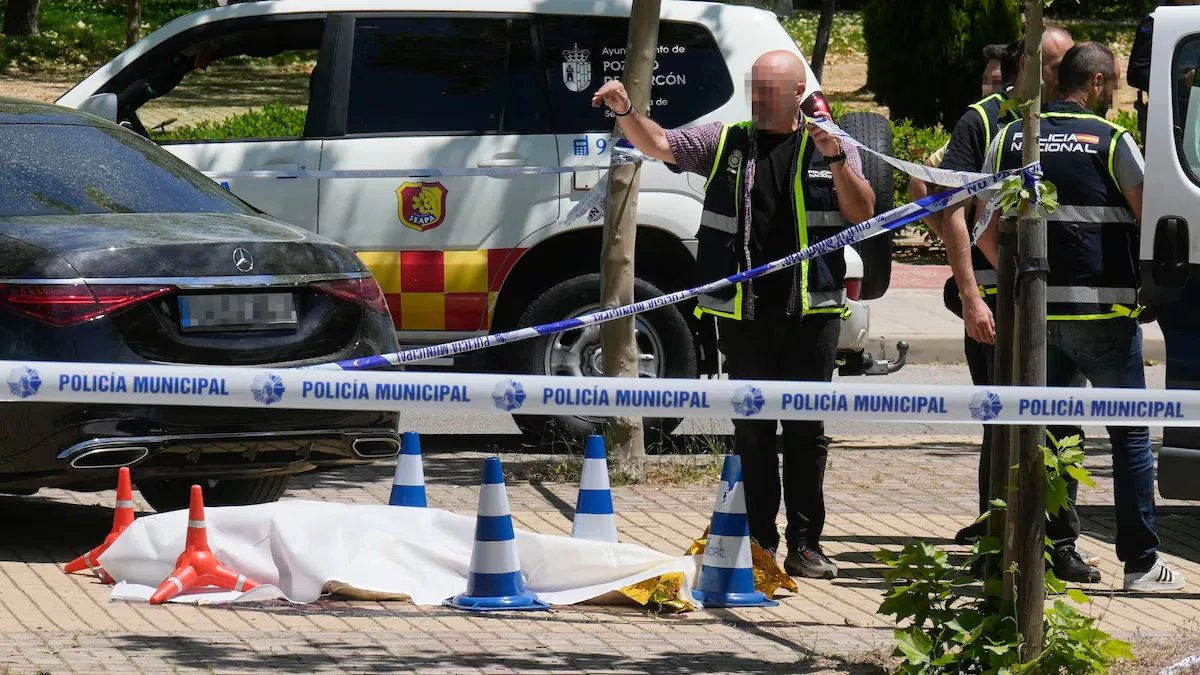
Delving into the life of Andrii Portnov to try and find the perpetrator or perpetrators of his death, based on the presumed motive for his assassination, quickly became a slippery and uncertain task for the agents of Group V of Homicides of the National Police of Madrid. Portnov, a controversial 52-year-old Ukrainian lawyer and political advisor, had been settled with his family in the Spanish capital for barely two and a half years, having arrived four months after the Russian invasion, in October 2022.
Read more Vall d’Hebron performs the first transplant in Spain between people with HIV
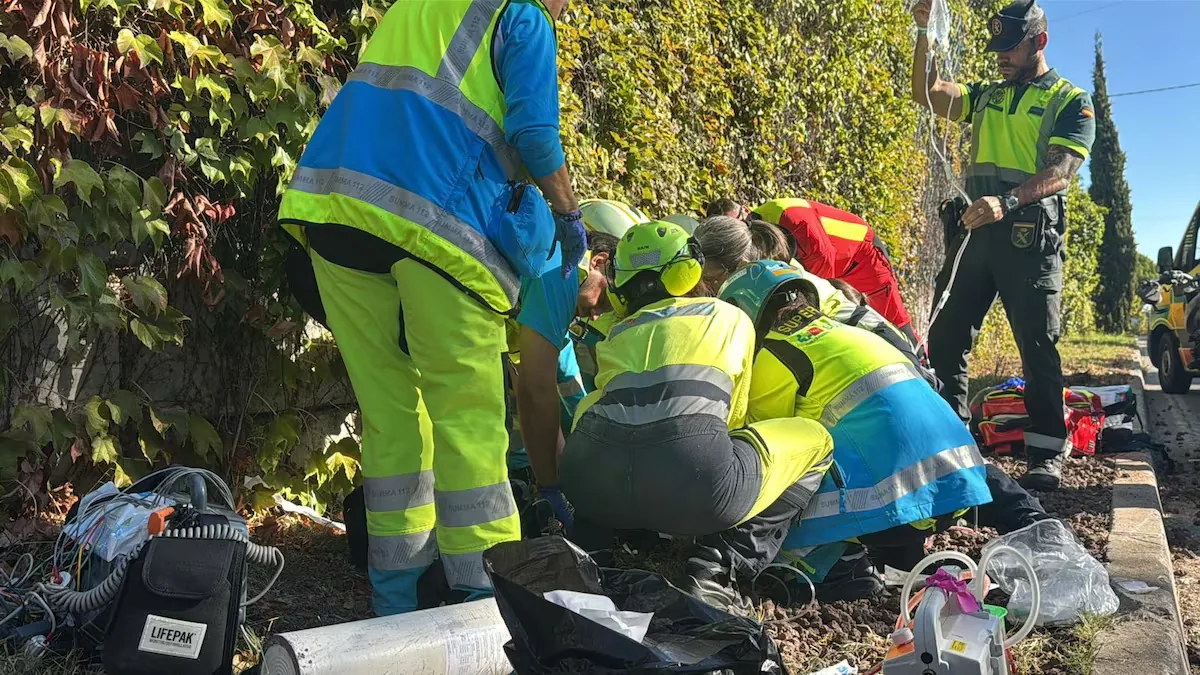
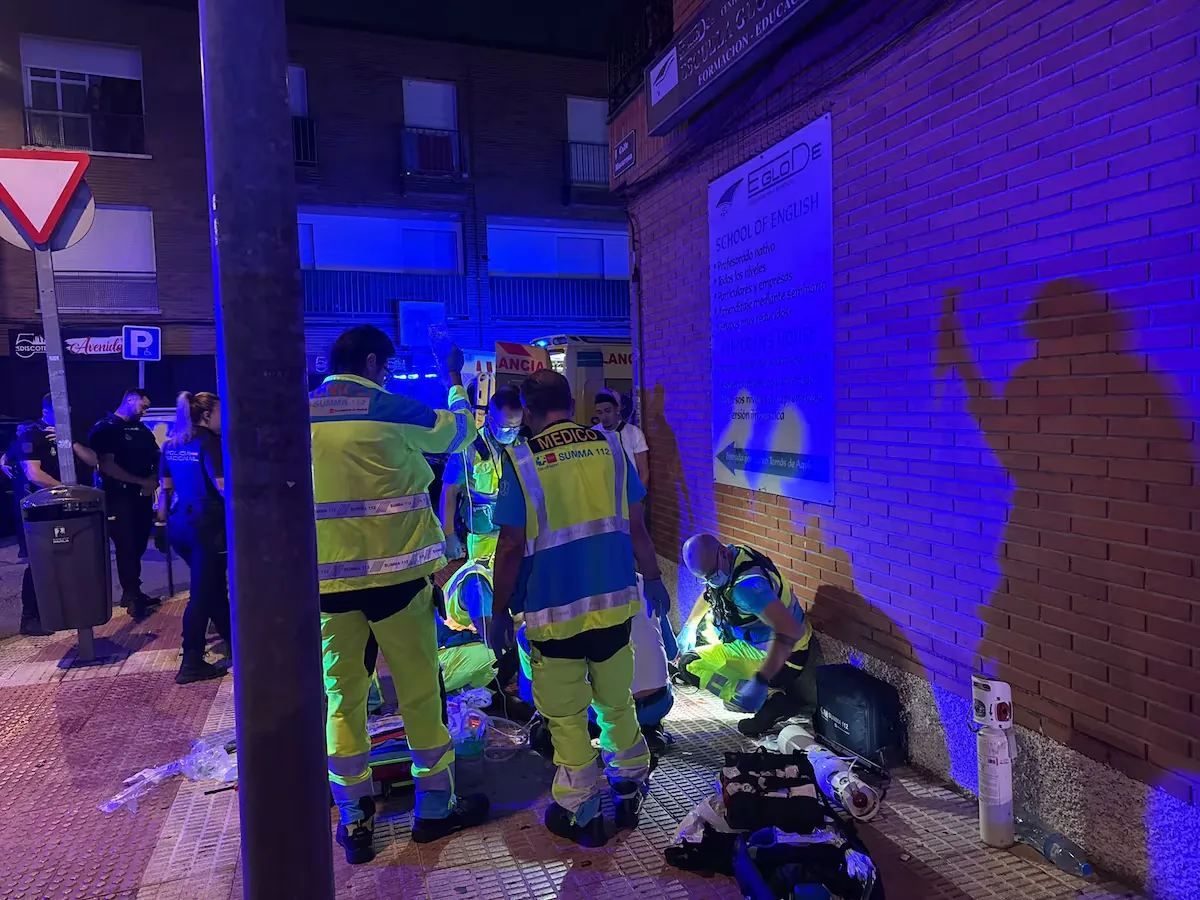
On May 21, 2025, a man riddled him with bullets at the entrance of his daughters’ school in Pozuelo de Alarcón. It was nine in the morning on a spring Wednesday, and an armed man, dressed in black and wearing dark glasses, fired nine shots at point-blank range and fled amidst the confusion and consternation at the entrance of that American school, which is attended daily by children of diplomats, footballers, and celebrities.
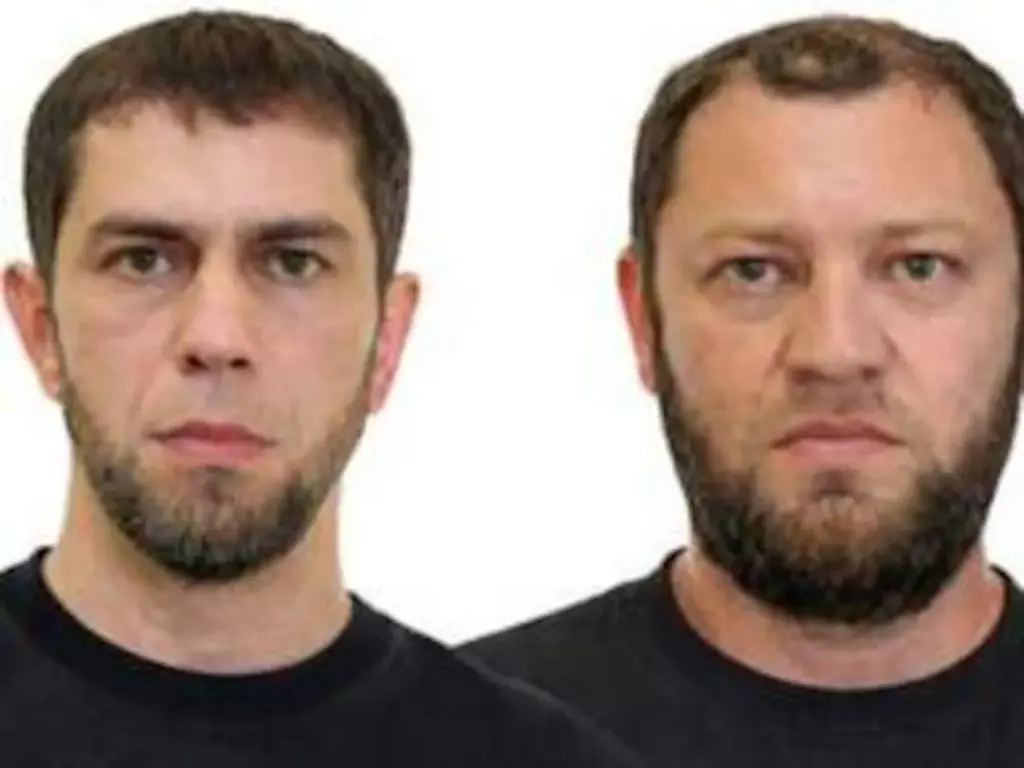
The identification and location of the shooter and his accomplices became, from that moment, one of the greatest challenges for the capital’s homicide investigators, who found the perpetrator on February 25 in the German city of Heinsberg, near the Dutch border. He was Oleksandr Azizov, a 45-year-old Ukrainian citizen, who, like his 42-year-old brother Vieli Azizov, had a reputation for being bloodthirsty in the conflict-ridden Donbas region, in southeastern Ukraine, the geographical hornet’s nest at the origin of the current war. And a region occupied by Russia.
The Azizovs, common criminals from the Donetsk region, had stood out in the riots and acts of vandalism that occurred in Donbas in 2014, in the so-called Russian Spring, the virulent reaction against the pro-European current that, at that time, was growing in Ukraine. The Azizov brothers are also linked to arms trafficking and the recruitment of pro-Russian fighters.
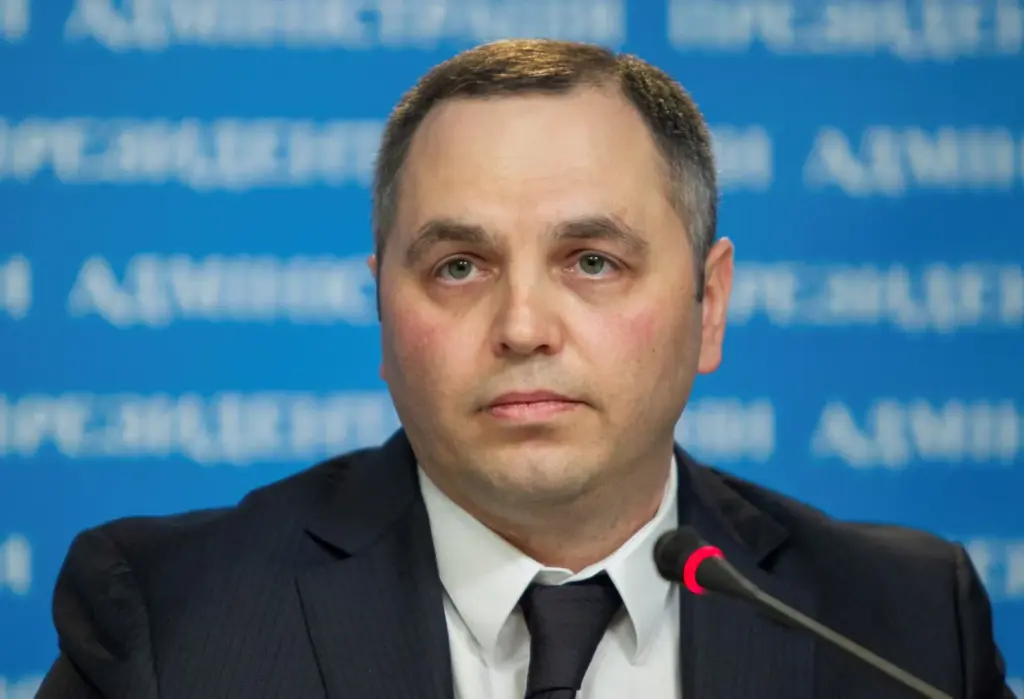
Those clashes and the strong repression of the pro-European demonstrations (Euromaidan), in which protesters opposed the unilateral decisions of a government obstinate in favoring ties with Russia, ended with more than a hundred deaths in the streets of Kyiv in February 2014 and with the subsequent abandonment of power and flight to Russia of the then pro-Russian Ukrainian president, Viktor Yanukovych, whom Andrii Portnov precisely advised during his years in power.
Between 2010 and 2014, Portnov was his closest collaborator and went down in history as the controversial architect of the legislative and judicial reforms that contributed to repressing Euromaidan, although he denied having drafted them.
Just over 10 years later, with an open war in Europe between Russia and Ukraine, who could have killed Portnov at point-blank range at the entrance of a school in Madrid? And why? Investigators from Group V of Homicides began their inquiries and immediately realized the political-mafia whirlwind surrounding the death of the Ukrainian lawyer. They knew that just four days before his assassination, he had traveled to Kyiv and met with members of Volodymyr Zelensky’s government. Could Portnov be a double agent? To whom could he give information, and of what kind?
The investigators felt they were treading on very swampy ground. They even came to doubt whether they might be giving information to the “enemy” in the course of their investigations. And they made the decision that led them to solve the crime: to follow the longest and most tortuous path, but the safest one, that of the facts.
The facts were recorded by hundreds of security and video surveillance cameras scattered along the entire route between Portnov’s house, in a luxurious urbanization north of Madrid, and his daughters’ school in Pozuelo. All the cameras. Massive information gathering. All recorded content possible to recover, archived days before and days after the assassination. The killer had to be there. And there he was.
Read more Trump imposes a chaotic trade system in his third round of tariffs
A dark blue Seat León with German license plates. That was the car that, after viewing hours and hours of all kinds of recordings, appeared as suspicious and registered to “a certain” Oleksandr Azizov, of Ukrainian origin. Following the movements of that vehicle throughout Spain and half of Europe, and cross-referencing that data with cell tower information, they pinpointed some phone numbers linked to the two brothers and a third person, a possible companion named Yuliia Skovpen, 36 years old and currently detained by Ukrainian authorities. “She has denied being the partner of either of the two brothers,” sources close to the case assure.
Investigators also managed to discover the different identities, names, and aliases the suspects used in their online purchases and transactions and in hotel registrations, establishing some correspondences and spatiotemporal coincidences. “They always entered and left Spain through the Irún border,” investigation sources assure.
The first time, almost a year before Portnov’s assassination, in 2024, they stayed in the center of Madrid, but also in Alcobendas, in a building near Portnov’s home; and then in another near his daughters’ school. “They were already studying him,” sources close to the case assure. They even went to a shopping center specializing in buying “appropriate technological gadgets to be able to properly track him and establish his routines well, until they found the best moment to carry out the attack,” the same sources explain.
They returned to Spain, this time only the two brothers, at the end of April 2025, a month before killing Portnov. During that time, they entered and left the country several times. According to the conclusions of the investigators’ inquiries, on May 21, Oleksandr Azizov executed Portnov and then walked a few blocks to meet his brother, who was waiting for him in the dark blue Seat León with German license plates to ensure his escape. Within hours they were in the Netherlands, where they received two speeding tickets. Vieli Azizov, against whom there is an International Arrest Warrant (IAW), quickly vanished with his family and, making a stopover in Turkey, took refuge in Russia, where he lives.
Massive Data Cross-Referencing
The cross-referencing and processing of so much data required new technological equipment for the Homicide group, according to investigation sources, but they allowed the identities of those allegedly involved in the crime to be associated with phone numbers which, in turn, yielded positioning data and electronic payments.
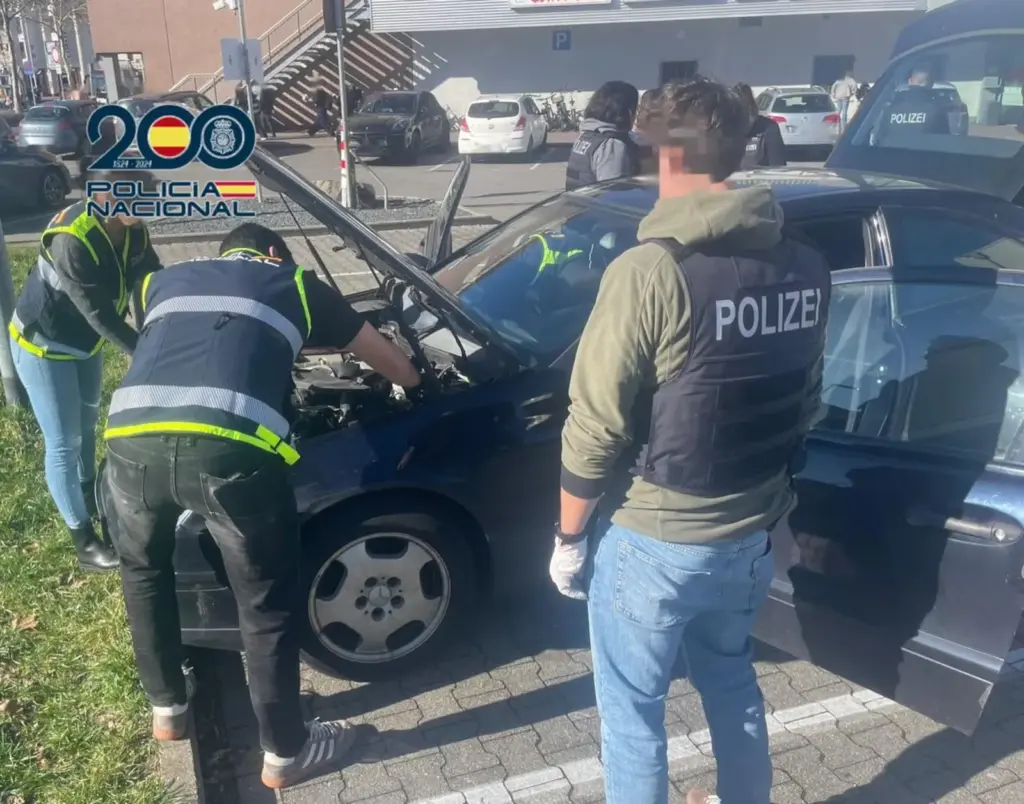
According to the analysis of that immense amount of data, Portnov’s killers had been watching him many months before killing him. The tracking of phones and the vehicle led investigators to the German city of Heinsberg. There, on the second floor of an unremarkable building, lived Oleksandr Azizov, surrounded by an indoor marijuana plantation while taking occupational courses. “On the day of the crime, he was taking a course in Germany,” his lawyers argue, considering that ownership of a car or a phone are not sufficient evidence to accuse someone of murder.
Azizov, already in Soto del Real prison, offered no resistance when arrested by German agents, while Spanish investigators searched his home. No trace of weapons. What the Spanish agents did find in that dilapidated apartment were the two traffic fines from the Netherlands. Subsequently, they verified that they had been promptly paid by “a certain” Oleksandr Azizov.
Read more Gregorio Casamayor: “I would give anything to understand string theory”