





The new Government in Bolivia, established eight months ago, is seeking a radical change in the country. The disassociation of the center-right president, Rodrigo Paz, from the previous 20-year regime of the Movement for Socialism (MAS) is not only economic or ideological; he also wants to transform the nation’s cultural and symbolic image. Since his inauguration day, the Andean wiphala flag no longer flies alongside the national tricolor on the facade of the Government Palace, as the MAS had arranged along with other exaltations of pre-Hispanic icons. The removal of the flag was followed by a change in the iconography of public institutions, from pre-Columbian to republican inspiration, as well as the omission of the usual presidential celebration of the Aymara New Year in the altiplano.
Read more A Louisiana community rebels against a new ICE center to detain and deport families
The most recent sign of the stripping of indigenous symbols, established as official by the previous mandate, came this week from the country’s most historically significant museum: the House of Liberty, where the act of independence was signed in 1825. The portraits of the indigenous rebels from the colonial era, Túpac Katari and Bartolina Sisa, which had been hanging since 2014 in the main hall, alongside those of the heroes Simón Bolívar and José Antonio de Sucre, were removed to be moved to a new room dedicated to indigenous uprisings. The museum director, Mario Linares, defended the measure as a “chronological organization.”
“People who saw Bolívar and Sucre alongside Katari and Sisa interpreted that they were together in the creation of the country (…) They are still important because they are precursors of independence in Bolivia. But, I reiterate, they are precursors, not actors of independence,” Linares told the press. Katari’s subversion in 1781 was an anti-colonial movement that sought to establish the Inca empire, unlike the 19th-century libertarian feat, which, in addition to being commanded by Creoles, championed the values of the French Revolution. However, behind these actions lies a dispute to formalize a type of historiography, symbology, and notion of nation that each new regime attempts to establish, asserts sociologist and political scientist Luciana Jáuregui.
“Every process of national construction is a process of symbolic construction, of interpreting history and how it relates to the future,” explains Jáuregui. In this sense, she continues, the MAS Government, with the founding of the Plurinational State of Bolivia in 2009, for the first time placed indigenous identity and narrative at the center of power. “Now [with Paz], mestizo hegemony is being re-established as the raw material of Bolivian identity. Ultimately, it is a fight over which is the legitimate culture of the State.”
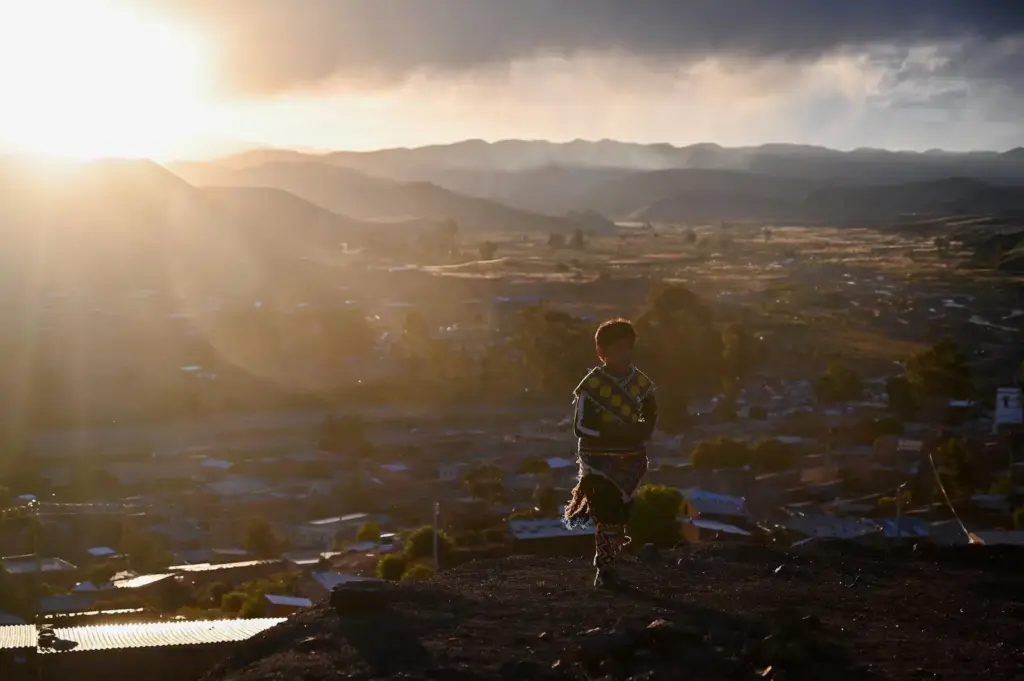
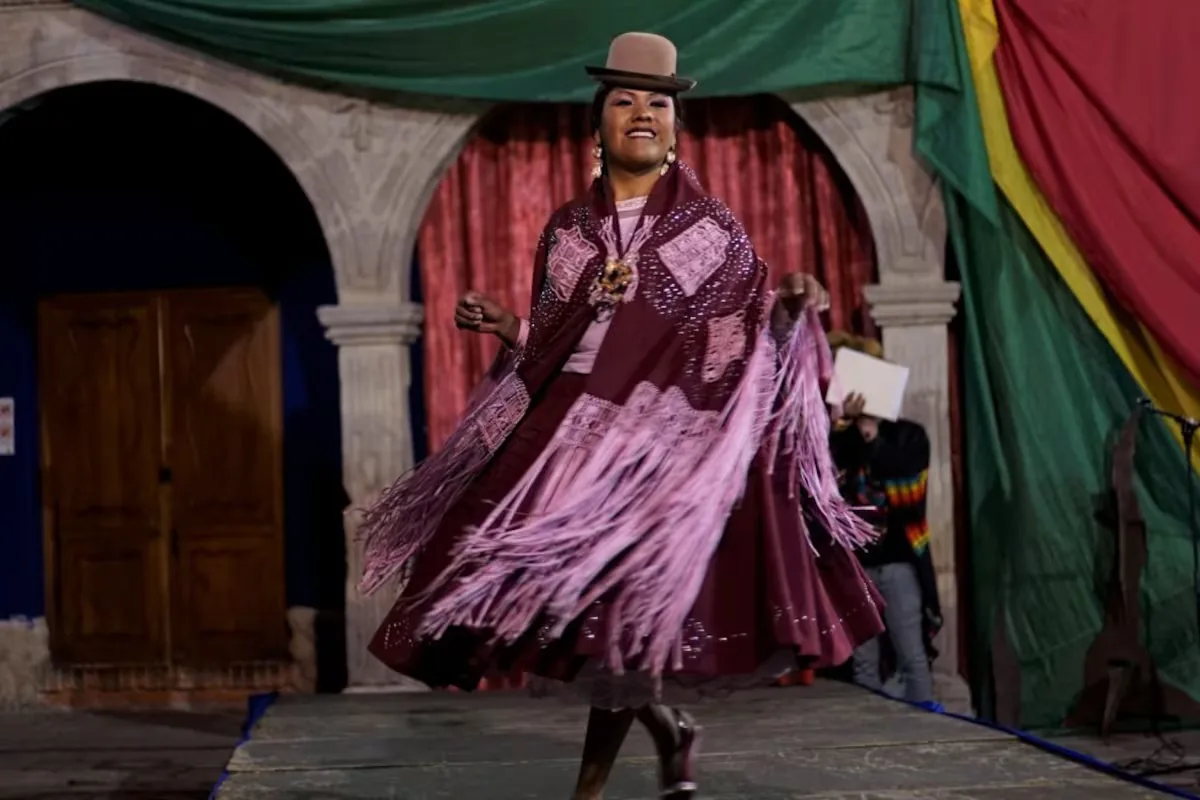
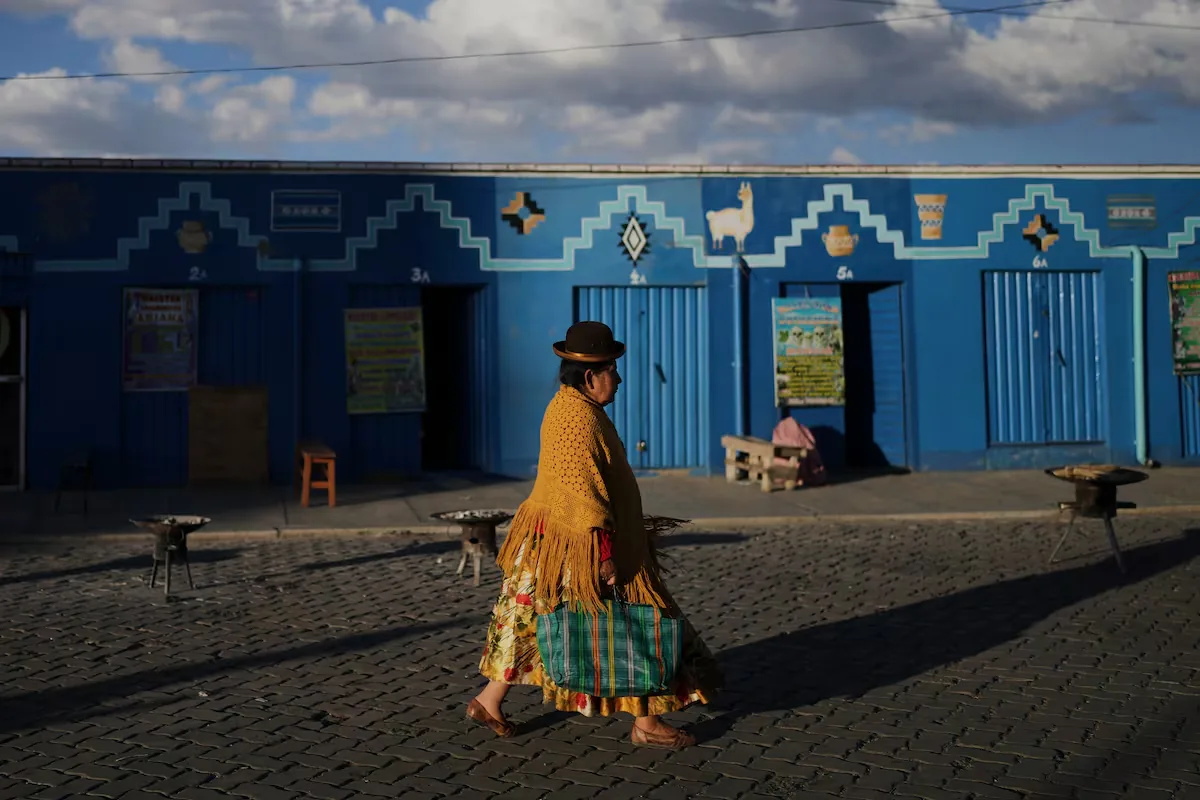
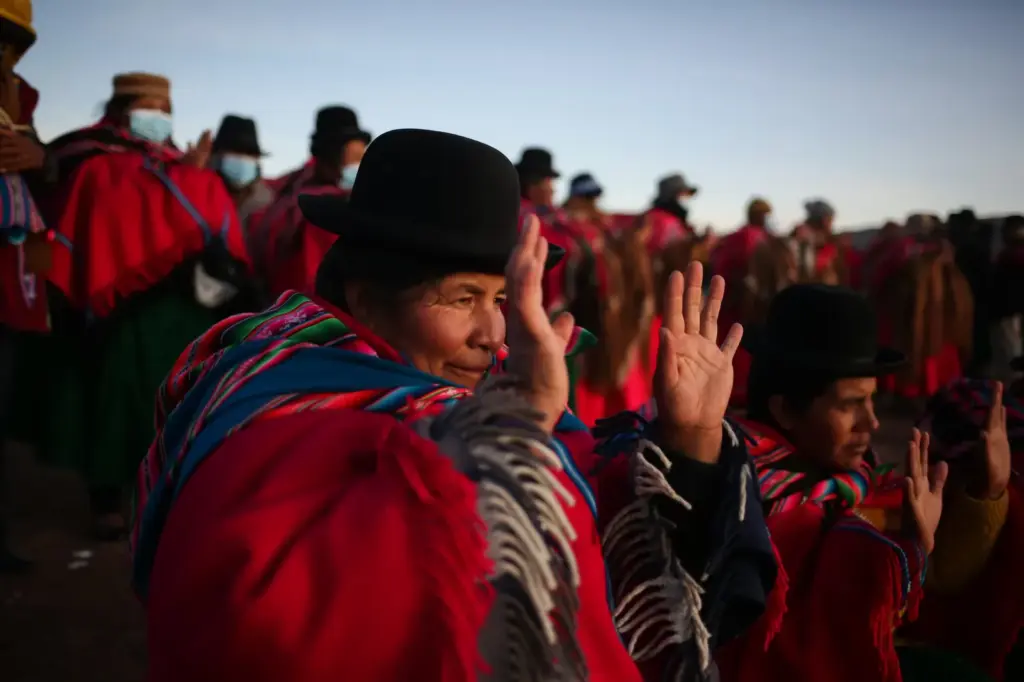
The elevation of native elements and practices as institutional and official with the new symbolic order imposed by the MAS included the image of the chakana, or Andean cross, in public building logos, offerings to Pachamama during project handovers, Andean rituals in inauguration ceremonies, or architecture with indigenous motifs on government properties. The drastic change in identity generated criticism of “folklorization” of the communities, often from personalities of native origin, such as the Aymara intellectual and historian Pedro Portugal, who describes this current of indigenous vindication as “Pachamamism.”
“Pachamamism is a caricatured distortion of the true indigenous worldview. A scam, as it is not an ideology born from indigenous bases, but a postmodern construct, built from outside, by NGOs, Western intellectuals, and the MAS party,” criticizes Portugal, who for less than a month was director of the current Government’s decolonization and depatriarchalization office, now closed. He recalls that, throughout Bolivia’s history, each leader has interpreted indigenous identity according to the prevailing ideology and their convictions. But none has managed to conceive a true national identity that integrates everyone.
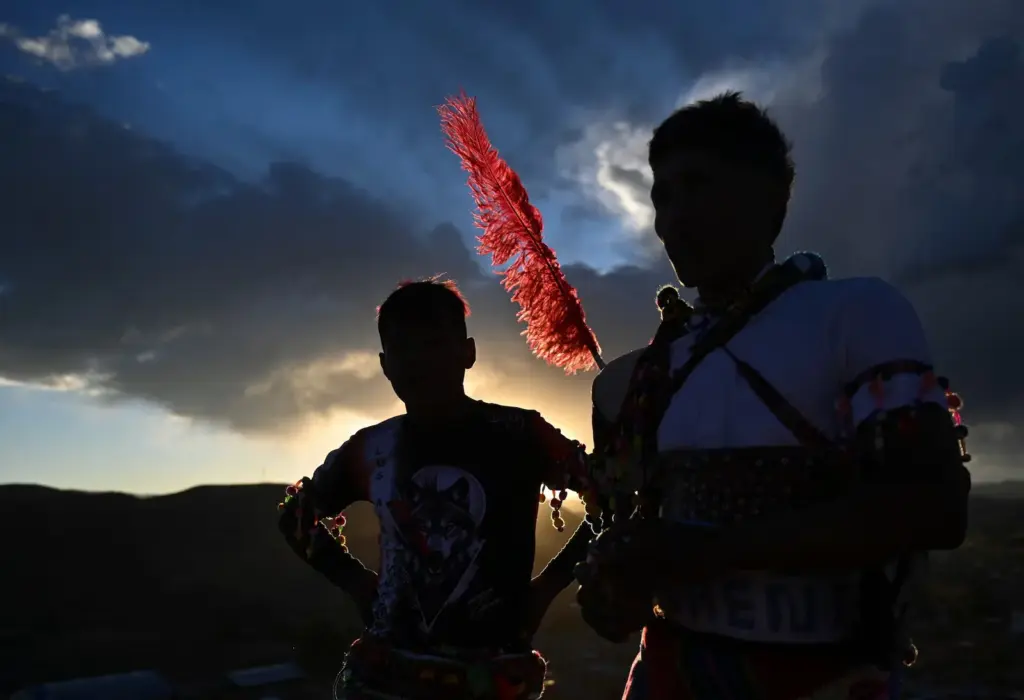
“The narrowness of what is ‘our own’ is a common characteristic,” he states. Nor was it the Plurinational State that managed to unify the country under an umbrella identity: mestizos and urban classes felt excluded, like second-class citizens, by being displaced by indigenous people as the foundation of the nation. The decline of the symbols came along with that of the MAS Government. In the 2019 protests, which ended with the overthrow of former president Evo Morales after fraud allegations, there was burning of wiphalas and calls to abolish the Plurinational State to return to the Republic.
Paz, in his campaign and inauguration speech, promised to solve the problem and create a nation in which everyone feels identified. He identified his Government as “national popular” and reiterated that “there are several nations, but only one homeland, Bolivia.” In practice, however, he has demonstrated a hegemonization of the mestizo and a return to the republican, renouncing the plurinational, not only symbolically, but also in the composition of his Government and in the sectors most favored by his policies. An inclination that cost him more than 50 days of social conflict, with peasant organizations demanding his resignation, feeling “excluded.”
Jáuregui disagrees with Paz that there is only one Bolivia. “The country’s problem is not only culturalist, how you identify culturally; it is a problem of societies. There are several of them within a territory, each with its own system of government, justice, and organization.” Therefore, “Bolivianness” will always be in dispute. “It is inevitable and even healthy because it processes inequality. The question is to recognize the legitimacy of everyone to dispute the signifier of the nation because in Bolivia any new model of nation means the expulsion or annihilation of the previous one.”
Read more Is women’s right to vote at risk of being abolished? The new crusade of the far right