








At a time of full renewal in the Japanese industry outside of genre cinema and animated format —branches in which many directors continuously cross borders—, besides the master Hirokazu Kore-eda and the prestigious Ryûsuke Hamaguchi —Drive My Car, Oscar for Best International Film, and There Is No Evil, Grand Jury Prize in Venice—, it seems it is time to note down a new name: Chie Hayakawa, a 47-year-old woman who with barely two feature films and consecutive appearances at Cannes, first in the Un Certain Regard section and then in the Competition for the Palme d’Or, has demonstrated her talent through two stories of great uniqueness in their narrative and premises, also covering the two extremes of her society, the elderly and the young.
Read more The advantage and problems of having AI organize your life: “Comfort is very addictive”
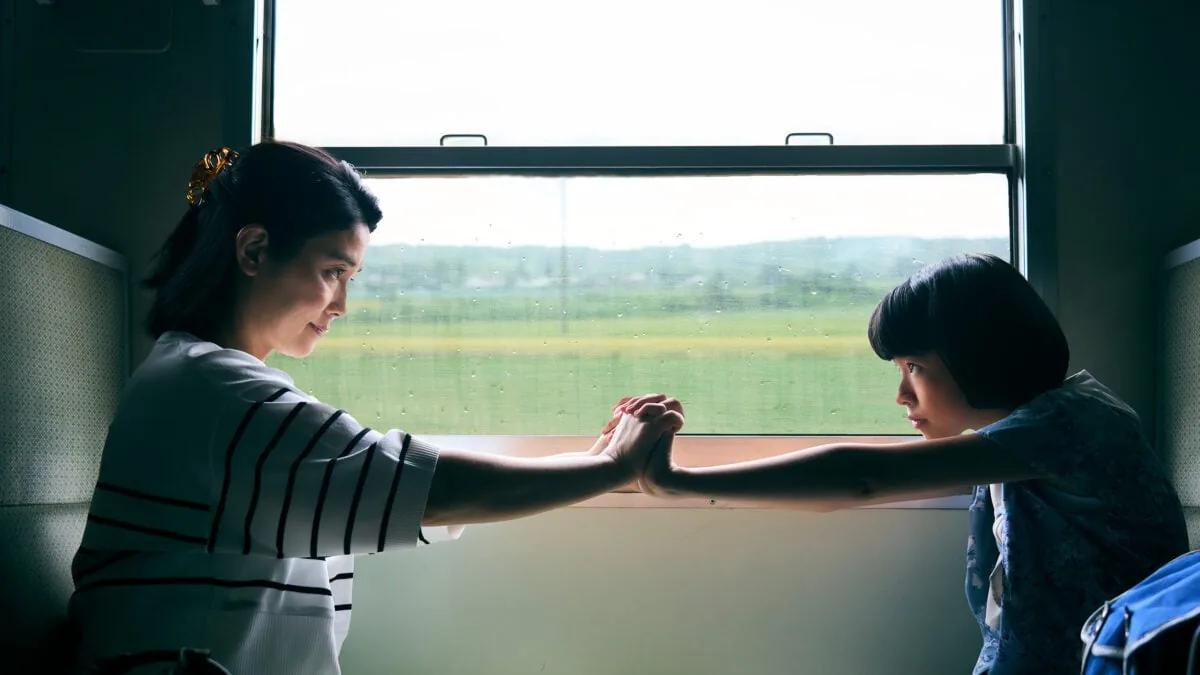
Plan 75, released in Spanish cinemas this same April three years ago, was a sober emotional and artistic toothache with a dystopian starting point not at all far-fetched for current times: with the aim of alleviating demographic and economic problems regarding pensions, and as a consequence of the rise in hate crimes against the elderly, the Japanese government encouraged them to opt for assisted suicide upon reaching the age in the film’s title. In Renoir, her second work as a director, however, she focuses on an 11-year-old girl whom circumstances seem to want to turn into a precocious adult: a father with terminal cancer and a dry, distant mother overwhelmed by the situation, unable to perceive her daughter’s loneliness.
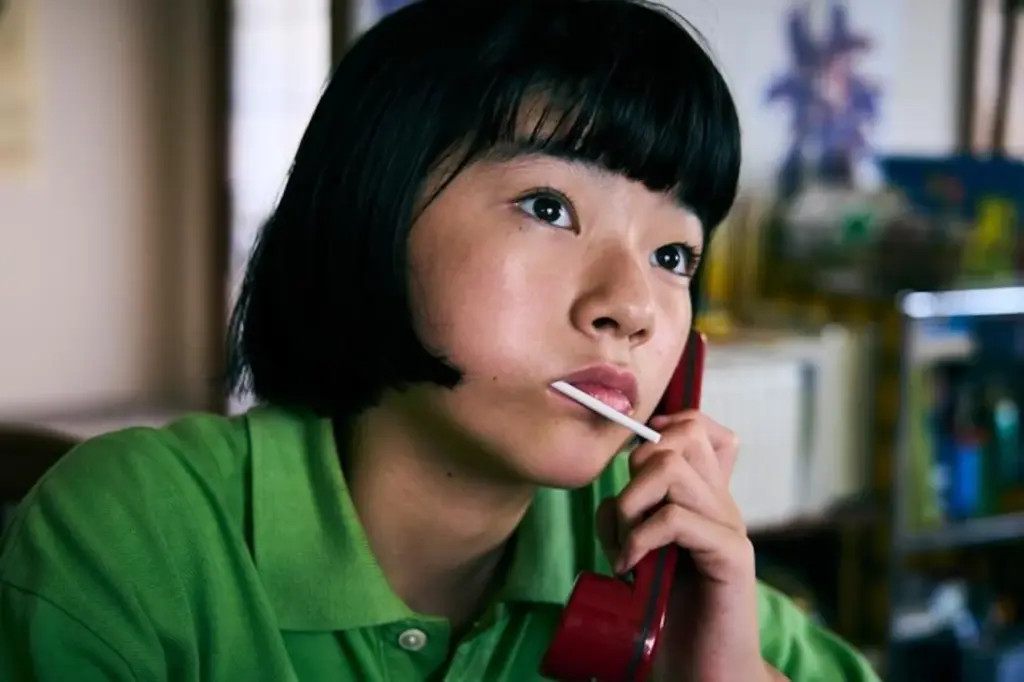
Anyway, despite the initial harshness of the story, Renoir is not a ruthless film, but rather hopeful and luminous, full of bluish colors, with which Hayakawa crafts sequences of beautiful visual poetry that light up the screen. Some, at street level, like the charming dance of the children by the fire, and others of a hallucinatory nature, like the cocktail on the boat. That said, the narrative takes its time and, without being a complicated story, its first half hour can be somewhat arduous until the viewer finds their place. A place where the author’s delicacy with the most troubling themes (how illness, death, and loneliness are faced, mainly), almost like a new 400 Blows of the 21st century, always weighs more than the harshness of the world in which a child must develop, who, in one of the first sequences of the story, writes in class a surprisingly well-written essay for her age with a title as majestic as alarming: “I would like to be an orphan.”
Read more What exists and what does not
Given the setting in 1987, besides the director’s age and the imaginative character with a touch of extravagance but unusually creative of the main character, it is not difficult to see the girl as Hayakawa herself, something confirmed by her in promotional interviews for Renoir. A line of autofiction and dreamlike invention that undoubtedly connects with that of the Spanish Carla Simón in Romería, a film that coincidentally (or not) competed at Cannes last year alongside the Japanese filmmaker’s.
Renoir is paradoxically a radiant and sordid work, which never quite makes a wound with its events, and in which light ends up dominating. And here the title has much to say, as it arises from the presence in the story of the painting Little Irène, painted by the French artist in 1880, with similar characteristics to those of the protagonist in its pictorial strokes: delicacy, daydreaming, and an inward gaze, weaving a particular world in which perhaps to escape the disaster outside.
Read more Knowing how to lose, knowing how to respond
Renoir
Director: Chie Hayakawa.
Cast: Yui Suzuki, Hikari Ishida, Ayumu Nakajima, Yumi Kawai.
Genre: drama. Japan, 2025.
Duration: 116 minutes.
Release: April 17.