




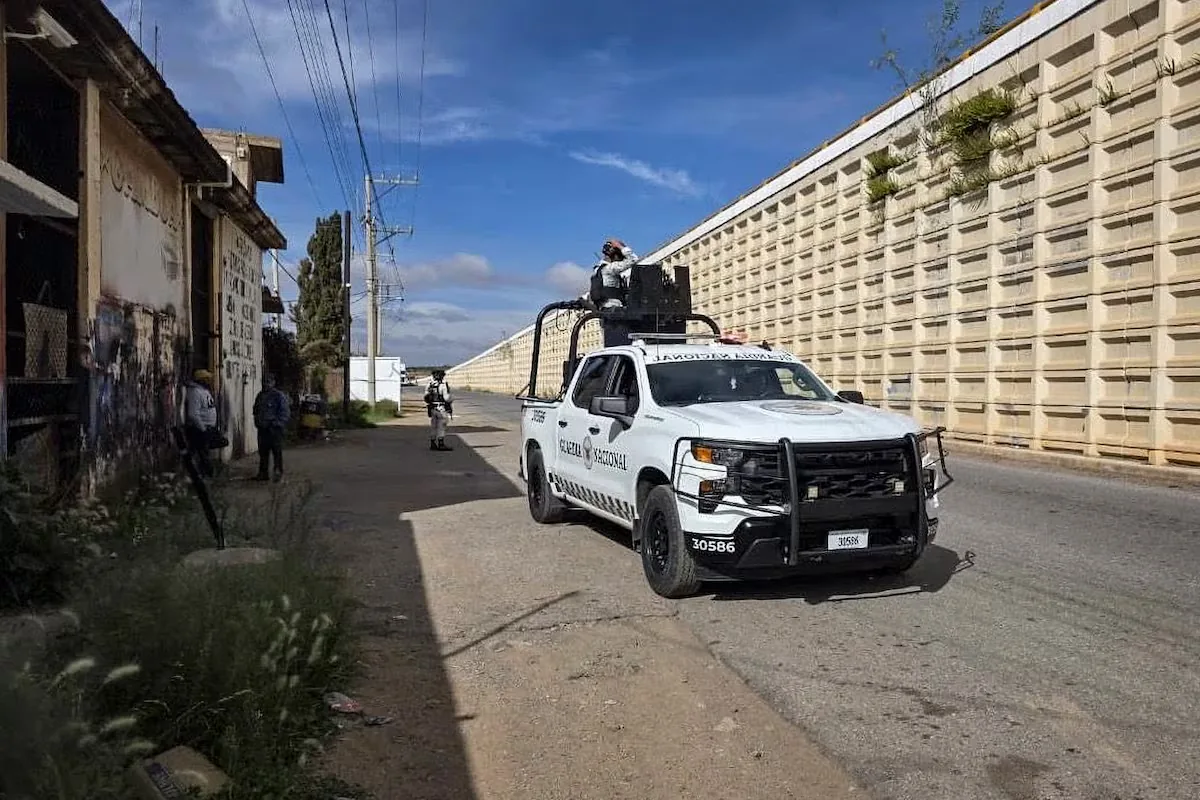
Ten bodies abandoned in different parts of Zacatecas, five of them suspended from a bridge, were enough to cloud the narrative of a State that claimed to be leaving behind the darkest years of violence. There are murders that, due to their magnitude, transcend the statistics of violence in Mexico and become a mirror of the power relations that cross territories. This multiple homicide that ended the lives of a former mayor and several officials and businessmen has acquired that dimension. Beyond the judicial investigation, which initially pointed to the victims’ collusion with organized crime, the case has opened a battle of narratives in which political, economic, and criminal interests converge.
Read more Northern Argentina seeks a place on the coffee map
The scene in which the bodies of five of the victims were placed on the side of a bridge, carefully staged to be seen, brought the north-central State to the core of a conversation that goes far beyond the scene of horror and that, in recent months, had focused on what is happening in other territories such as Sinaloa or Michoacán: what is happening in Zacatecas. Claudia Sheinbaum’s Government has barely mentioned, and in passing, the issue once. Since the early morning of July 18, the biggest enigma is not only who ordered and executed the massacre —self-attributed, through a video message, to the criminal group Los Mayos y Cabrera, an armed wing of the Sinaloa Cartel— but also the networks that are woven in the State.
Far from a clear explanation, hypotheses have emerged around the massacre that implicate local authorities in Fresnillo, question the management of David Monreal’s state government, tarnish the business sector, and expose the reach of drug trafficking organizations that have been disputing control of the entity for years: the Sinaloa Cartel and the Jalisco New Generation Cartel.
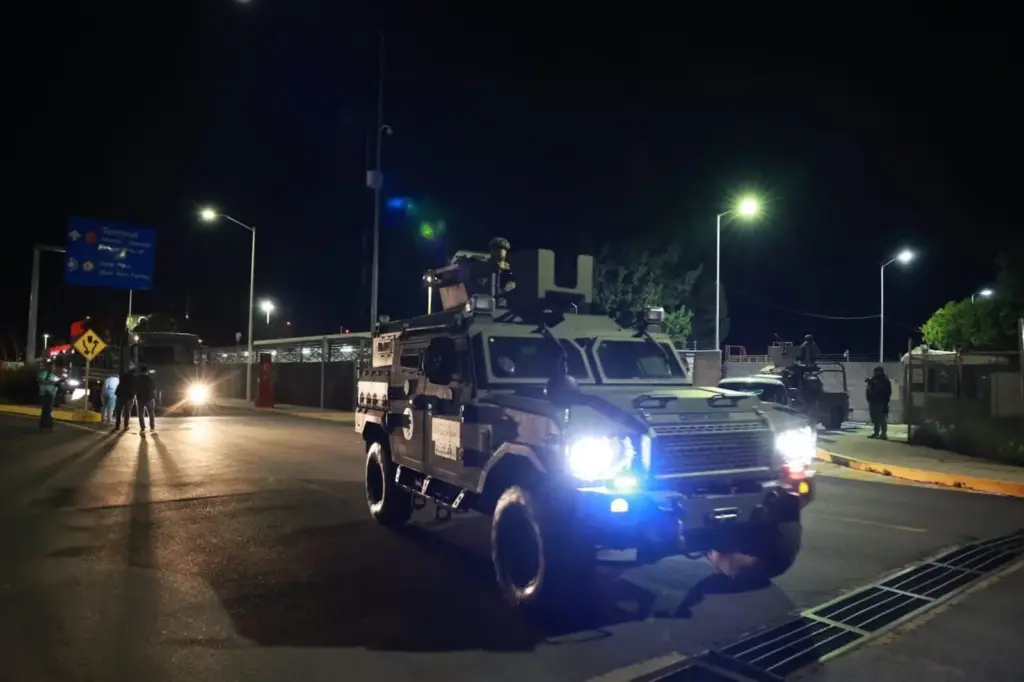
While the Prosecutor’s Office seeks to reconstruct the facts, another battle is being waged in government offices, business circles, and the corridors of state politics: that of the narrative. Two different interpretations of what is behind the murders converge, and this duality has become a mirror of the fractures afflicting the entity.
The motive for the crime remains an unknown, which the prosecutor’s office has leaned towards the victims’ collusion in extortion activities. In this regard, various sources consulted by EL PAÍS —businessmen and political actors from both the ruling party and the opposition, all under condition of anonymity for security reasons— have agreed in linking the massacre to the victims’ involvement in economic activities that have historically been subject to control by organized crime groups in Zacatecas. It is not just about drug trafficking. Criminal dominance, they argue, has extended to all markets.
The sale and distribution of alcohol, the organization of fairs, the hiring of shows, the commercialization of construction materials, and contracts related to state and municipal public works are just a few. These activities move millions of pesos and are under the radar of criminal groups, which control who buys, who sells, and with whom business is done. “Organized crime controls everything,” says a source from the ruling party.
This fuels one of the explanations for the attack. Businessmen in the entity say that the shadow of extortion is cast over the multiple homicide. That they were killed for failing to comply with the rules imposed by the criminal group with the largest presence in the north of the State, the Sinaloa Cartel. Actors from the ruling party also agree on this.
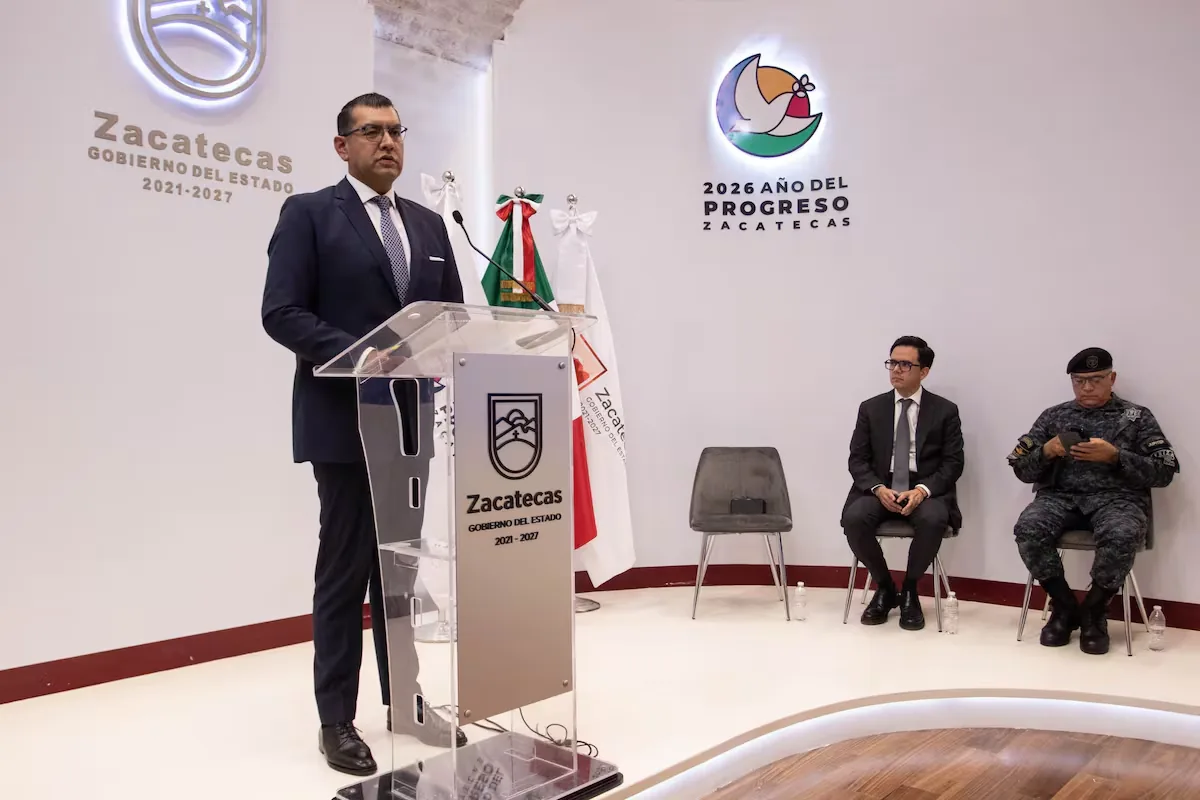
Some of these sources mention that several of the victims carried out transactions with suppliers allegedly linked to rival groups, breaking the informal scheme of economic control. The authorities’ investigation has also leaned this way, although no evidence has been presented so far. The prosecutor of Zacatecas, however, wanted to be careful not to stigmatize or blame the victims for this alleged participation in extortion activities. “We are aware that it could have been voluntary or coerced, and I repeat, it is a line of investigation because we lack any complaint,” declared Cristian Paul Camacho Osnaya.
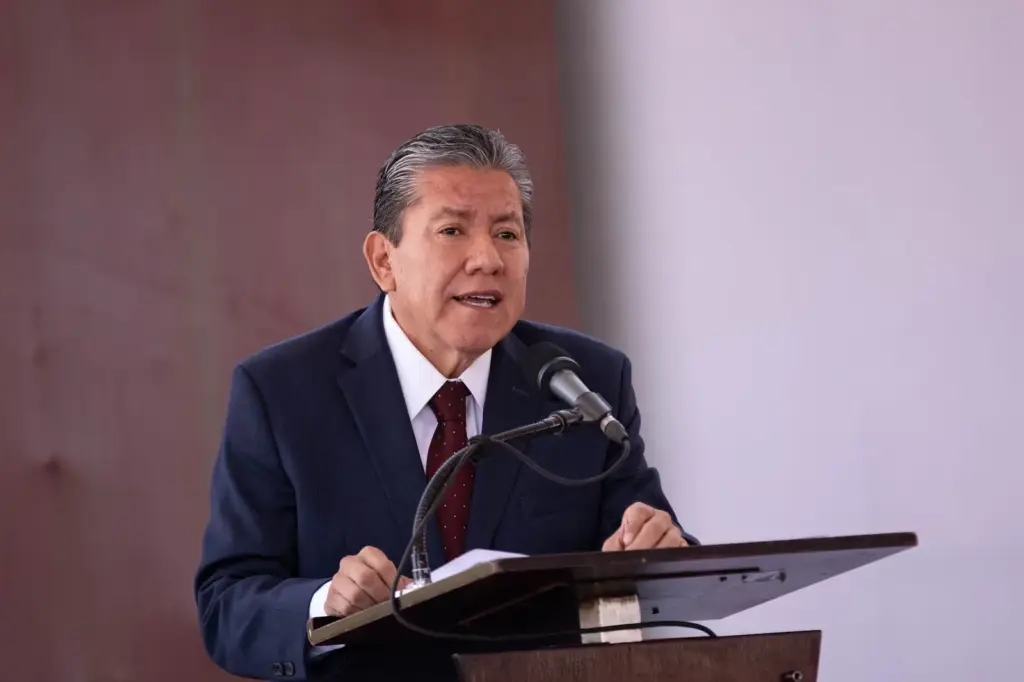
The names of the victims draw a map of local power that reveals the political dimension of the massacre. They were not unknown or anonymous men. Among those murdered were Ignacio Castrejón, former mayor of the municipality of Sombrerete and businessman; Fidel Alvarado, Secretary of Social Development of Fresnillo; Jesús Gerardo Muñetón, municipal firefighter; businessmen Fernando Robles, Jesús Daniel Rivera (fair organizer), Juan Carlos Berumen (bar owner); José Armando Ledesma and Armando Ledesma, father and son; livestock leader José Ángel Valdez and former Durango councilman Andrés Vázquez. Together, they covered several facets of the business world, public administration, and regional leadership, making it clear that this transcends the logic of other crimes.
Read more The value of deciding before the crisis
“In some cases, for example, that of Jesús Rivera, he was a fair organizer. The Sinaloa Cartel is in charge of organizing the fairs, bringing artists, and selling beer. And in all cases, each in their field, it was due to non-compliance, they did not respect, they found it easy to default on the cartel,” says a source close to Governor David Monreal’s administration, from Morena. “In the case of Carlos Berumen, who owned a bar. They control the sale of beer. You have to buy from them at the price they want. Besides owing them, he bought elsewhere,” he says.
The same, he points out, happened in the construction sector. “In the case of the Social Development official [Fidel Alvarado]. The cartel is already involved in public works tenders. I have information that he tried to play smart and didn’t give them some works. It was a double message: whoever doesn’t comply knows what they’re in for,” adds another consulted source. In a video that was circulated days after the discovery of the bodies, a group of armed and masked men appear who, precisely, emphasize death threats against anyone who does not comply with them.
From within the ruling party in Zacatecas, it has also been suggested that the case responds to an alleged settling of scores between people linked to criminal organizations, a second investigative thesis for which no evidence has been released so far. Nothing is ruled out by the authorities.
But the difference between both explanations is significant. The first places businessmen and economic actors as victims or coerced participants in a system of criminal control and extortion. The second suggests that they met their death for being part of that network. Although the progress of the investigation has not brought clarity and despite the federal government having barely referred to the brutal crime in the last week, within the ruling party, concern is fueled by both. However, sources from the movement have rejected that the 10 victims belonged to any criminal group and believe that presenting the case under that logic seeks to contain Monreal’s political wear and tear.
The battle for the 2027 succession
The crime occurred at a key moment for the State. There are just under two months until the formal start of the electoral process, but the 2027 succession has already begun. Zacatecas will be one of the 17 entities that will renew governorship, and, as various political actors acknowledge, Morena faces a complex scenario compared to six years ago to retain that territory. A scenario that serves as fertile ground for the influence of criminal groups. As EL PAÍS has learned, they have already sought out potential gubernatorial candidates to offer their support in the electoral race and establish agreements with a view to next year’s midterm elections.
Likewise, internal tensions have intensified as the definition of candidacies approaches. Friendly fire has entered the scene. Members of the ruling party have questioned the probity of the State Government administered by the Morena party. In this context, the homicide of the 10 businessmen and officials takes on an inevitable political tone. Not because there is evidence that the crime responds to an electoral dispute, but because it outlines the environment in which that competition will develop, say sources from the opposition and Morena. “This crime only favors the opposition, which will take advantage of the wear and tear to place its narrative” that questions the current administration, says a federal legislator.
Local operators agree that the violence alters balances, weakens Monreal’s Government, and sets the tone for the upcoming electoral process. It dirties it. The perception of insecurity can redefine the public debate in a State where violence is listed as one of the main campaign issues. The massacre also puts Morena’s management under scrutiny again. “There are many elements throughout the country that show that there has been tolerance and in many other cases, collusion of the Government with organized crime,” accuses the vice-coordinator of the PAN in the Chamber of Deputies, Noemí Luna Ayala, originally from Zacatecas.
However, the state administration has presented results on a decrease in violence levels. A trend that is confronted by the discovery of the 10 bodies and the brutality of the murders. The political and business actors consulted now describe an environment marked by fear and caution. In this scenario, the crime has become, in addition to a judicial investigation, an episode that exposes the tensions between the Government, economic interests, the clutches of organized crime, and security failures. Ten people were murdered and exposed. That is irrefutable.
Read more Colombia is preparing to face the ‘El Niño’ phenomenon with an emergency declaration