




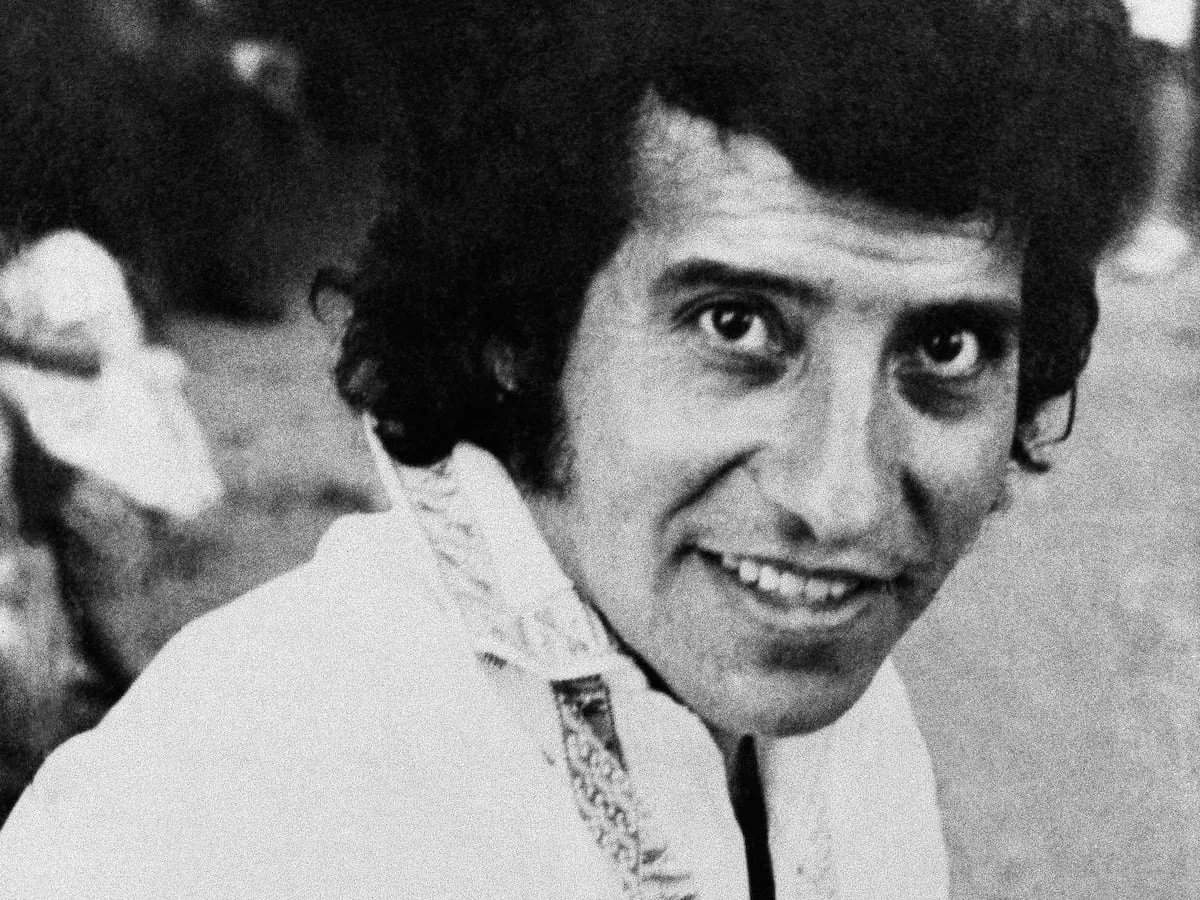
Chilean authorities arrested former army colonel Nelson Haase Mazzei this Saturday, the last convict who remained a fugitive for the kidnapping and murder of singer-songwriter Víctor Jara after the 1973 coup d’état. Haase Mazzei was sentenced to a total of 25 years and two days in prison for Jara’s crime and also for the kidnapping, torture, and homicide of the then director-general of Prisons, Littré Quiroga Carvajal, the Judiciary reported.
Read more Who is Adbul B., the alleged perpetrator of the attack against the Pride parade in Berlin
The visiting minister (judge) for human rights cases of the Santiago Court of Appeals, Paola Plaza, ordered this Saturday the immediate imprisonment of Nelson Haase Mazzei, who in 2023 was one of the seven former military personnel convicted for the murders of Jara and Quiroga, which occurred three days after the coup d’état against Salvador Allende, on September 16, 1973.
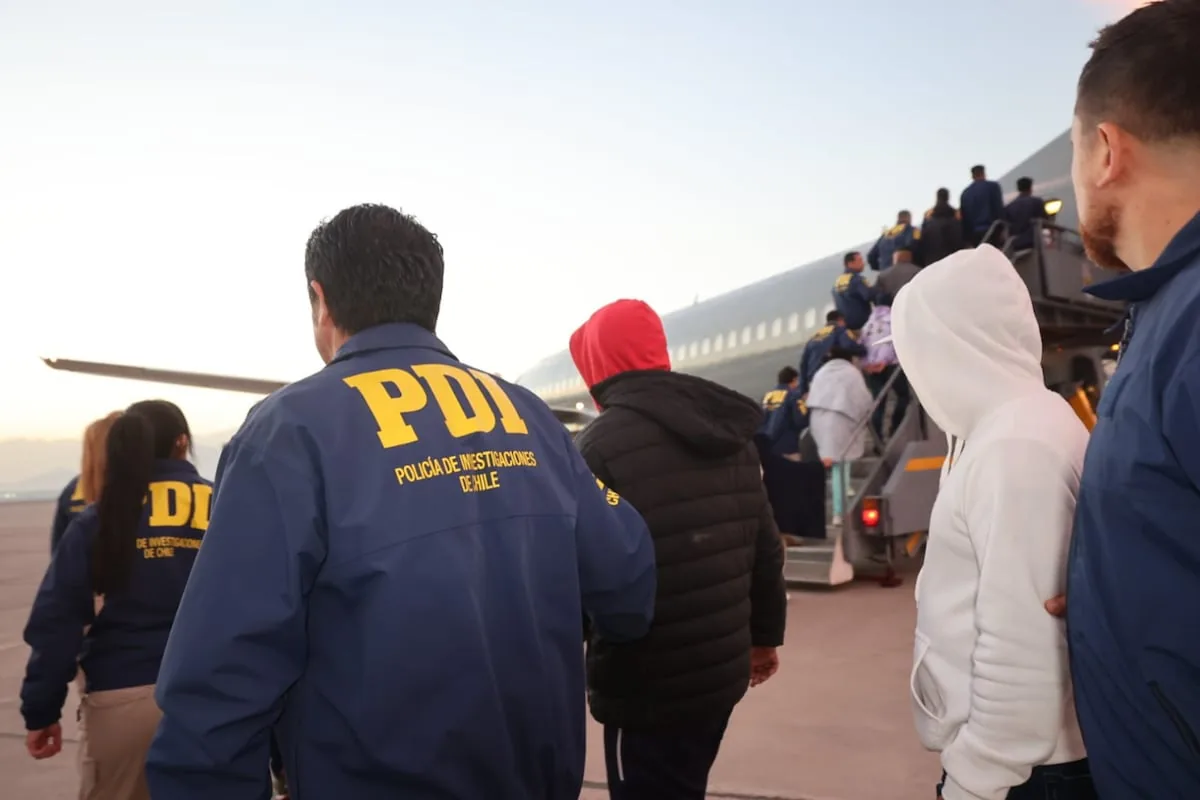
Haase, 80 years old, did not appear to serve the sentence handed down by the Supreme Court (15 years in prison for aggravated homicide and 10 years for aggravated kidnapping). A fugitive from justice ever since, he was finally found by the Investigative Police (PDI) on a plot of land in Puyehue, in the Los Lagos region, in southern Chile, according to local press information.
He was the only one of the seven who was not serving the sentence for one of the most symbolic cases of human rights violations during the Augusto Pinochet dictatorship (one of them, Hernán Chacón, committed suicide before being arrested). Haase Mazzei, like the others, reached a high rank in the Army during the regime. At the time of the murders, he was a lieutenant, although he always denied “any involvement in the events of the present investigation,” according to the 2021 Court of Appeals ruling, which was ratified by the Supreme Court two years later.
Chilean justice considered it proven that he “participated as the perpetrator of the crimes” and determined “a direct involvement of the accused both in the confinement of the victims and in their subsequent death, and this activity corresponds precisely to that of a perpetrator.” There are witnesses, including army officers, who place him inside the Estadio Chile, where the crimes against Jara and Quiroga were committed. His hierarchical superior stated that he was unaware of the activities carried out by Haase from September 11, 1973.
Two other convicts, Raúl Jofré González and Edwin Dimter Bianchi, placed him at the Estadio Chile on the days of the events, as did conscripts. In his capacity as lieutenant, the ruling confirmed by the Supreme Court in 2023 states, he was part of the internal command structure, carrying weaponry capable of inflicting the traumas and wounds of the projectile type that caused the death of Víctor Jara Martínez and Littré Quiroga Carvajal. Furthermore, there are testimonies from his former colleagues inside DINA, Pinochet’s secret police, indicating that Haase allegedly boasted of having participated in the execution of Víctor Jara, all of which allows him to be assigned the status of perpetrator of the aggravated homicides against the singer-songwriter and Quiroga.
Read more Morrissey, a diva under the rain
Haase Mazzei also became a trusted man of Colonel Manuel Contreras, head of DINA, responsible for the most brutal crimes of the first part of the dictatorship.
Of the more than 5,000 detainees who were taken to Estadio Chile in Santiago ―today Estadio Víctor Jara― after the coup d’état on September 11, 1973, there were two, Víctor Jara (then 40 years old) and lawyer Littré Quiroga Carvajal (33), director-general of the Prison Service of the Allende Government, who spent their last hours of life together. Agonizing, isolated from the other prisoners in a changing room, for at least three days they suffered kicks, as well as punches and rifle butt blows, according to dozens of testimonies from the judicial file reviewed by the Supreme Court.
According to justice, at Estadio Chile, both were identified by the military as “prisoners of certain public notoriety.” In Víctor Jara’s case, “the aggressions were primarily motivated by his artistic, cultural, and political activity, closely linked to the recently overthrown Government,” the files state. Littré Quiroga’s captors imputed to him the “supposed fact,” which was never proven, “of having been responsible for the imprisonment and mistreatment that army general Roberto Viaux would have suffered.” In 1969, during the government of the Christian Democrat Eduardo Frei Montalva (1964-1970), Viaux led an attempted military uprising, in a barracks at the Tacna Regiment known as the Tacnazo.
“These victims were killed slowly, day by day. In the end, the bullet wounds were simply an adornment, because they were already on their way to death,” said lawyer Nelson Caucoto in his final argument, who represented both families more than 20 years ago. He was referring to the way they were murdered: the singer-songwriter had 56 bone fractures and 44 bullets in his body, while Quiroga had 47 fractures and 23 bullet wounds.
Read more Spain once again misses out on gold at the World Cup