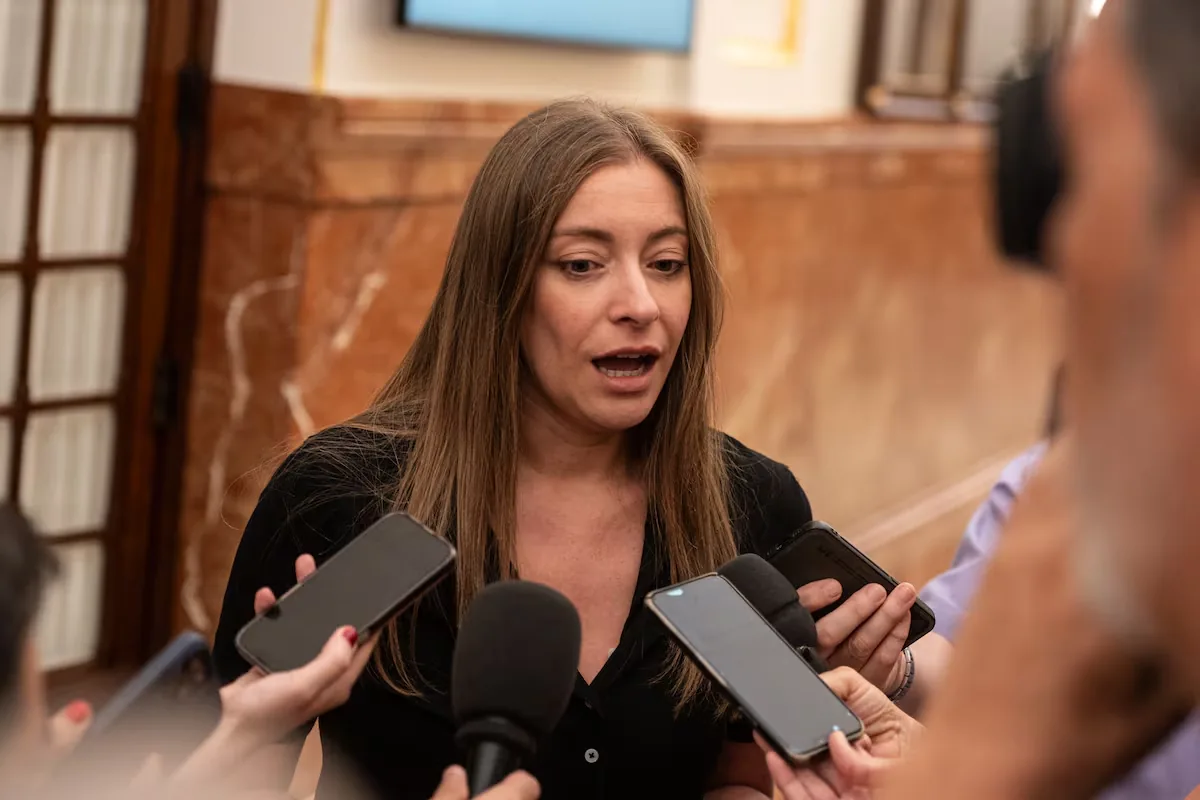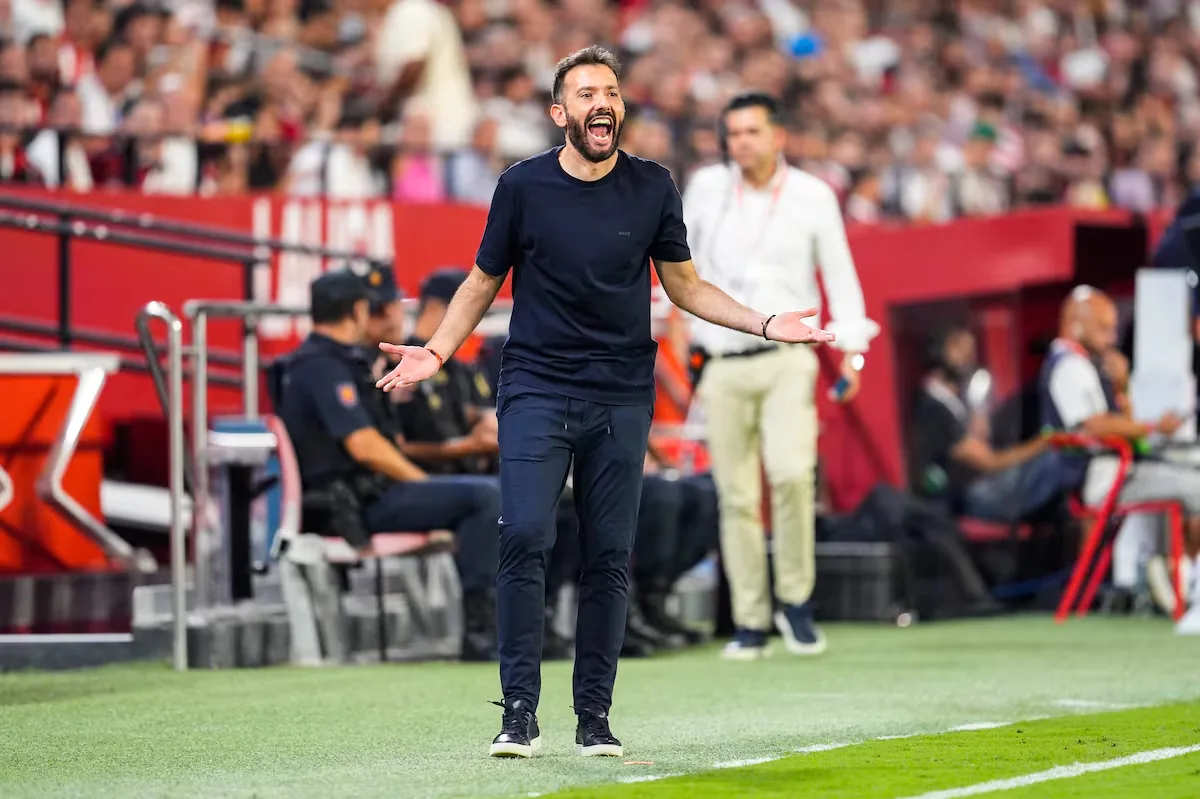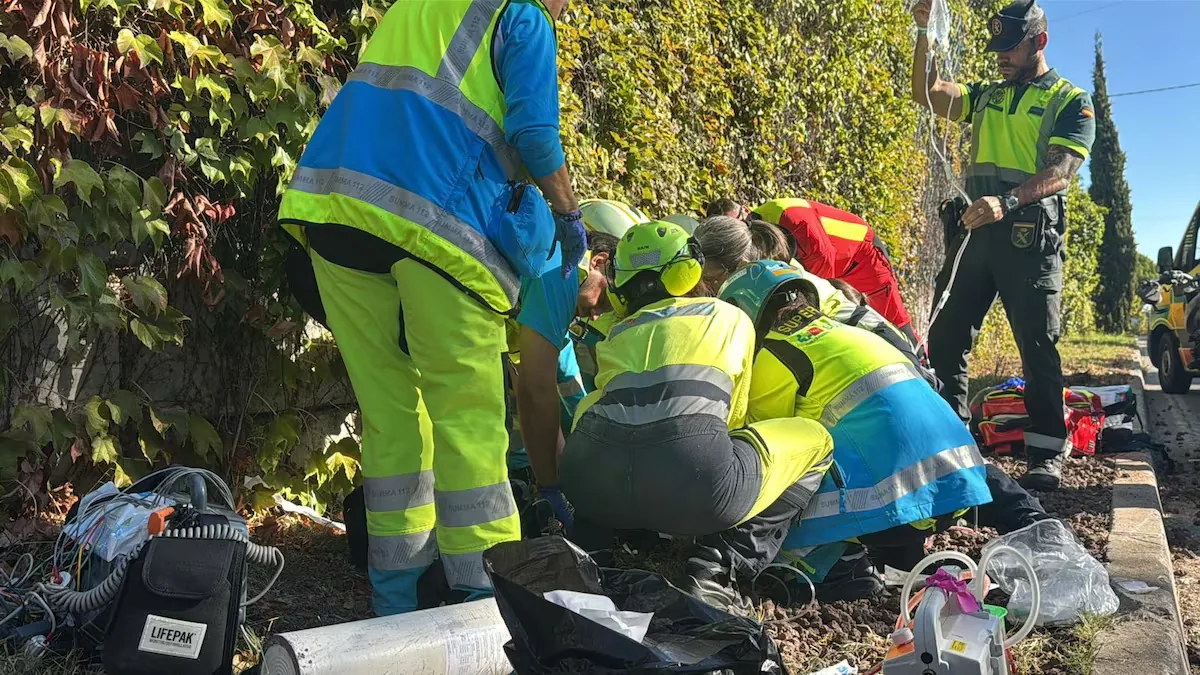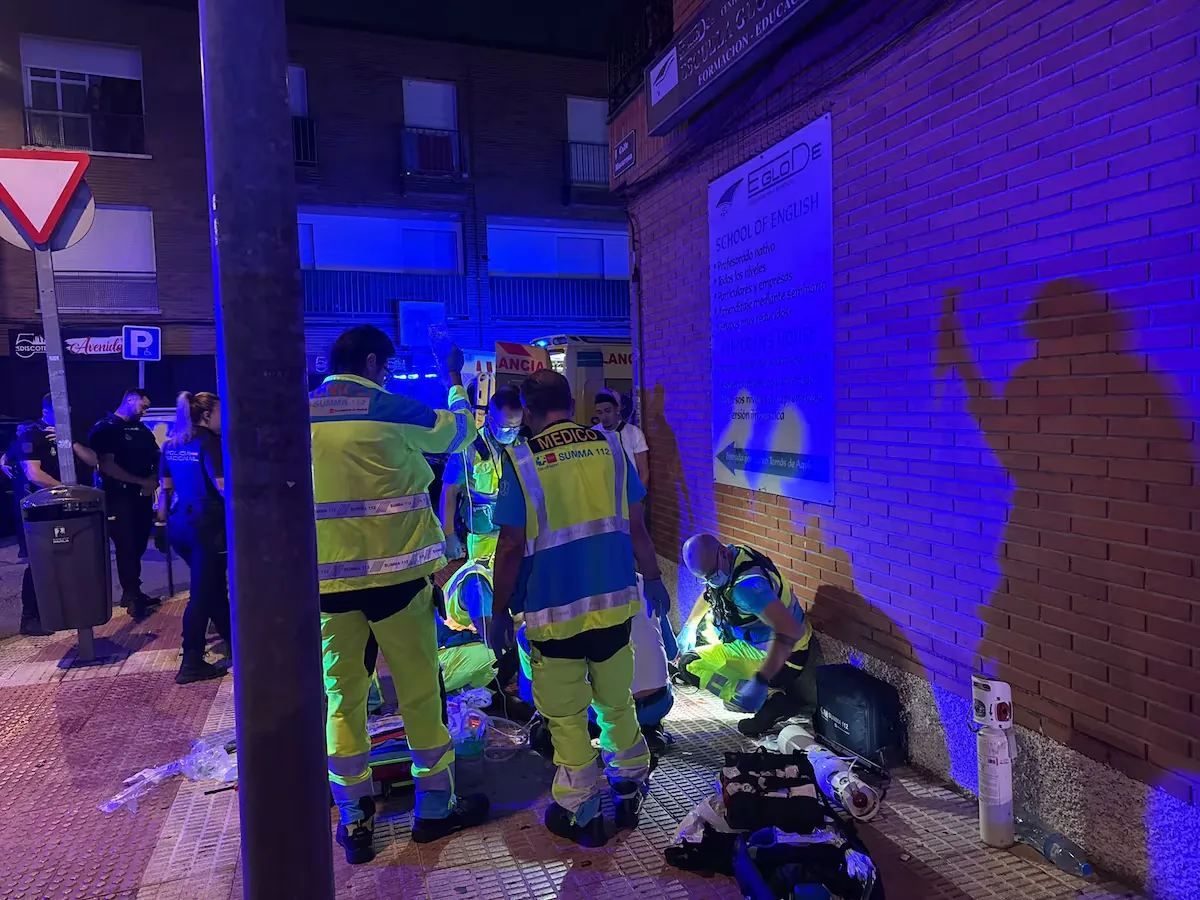








In the last two months, playwright Ramón Paso was arrested for sexual assault on a 15-year-old girl; film producer Xavier Atance was brought before the courts following complaints from three women; Canal Sur finally dismissed Gustavo Fuentes, the executive accused of assault and sexual harassment by a female worker; singer Francisco Javier Álvarez Beret, 29, was arrested and later released as a suspected perpetrator of a sexual assault in Seville; the prosecution requested 13 years in prison for rapper El Jincho for another sexual assault on a minor, a charge from which he was acquitted due to “reasonable doubts”; Wim Wenders finally removed False Movement from platforms after decades of complaints from Nastassja Kinski for appearing naked at 13; and French artist Patrick Bruel was questioned over accusations of sexual violence by three women recounting incidents committed between 1997 and 2001.
Read more Contentar a Junts y Podemos: the Government’s puzzle to approve the major housing decree
Thus, nearly a dozen episodes of various types of violence against women by men in the cultural sector have been linked. All consulted voices agree that this is not a surge in assaults: “The cases that make the news are the most superficial layer,” says Lara Álvarez, spokesperson for the Association of Women in the Music Industry (MIM). They place the problem in what they define as the “ineffectiveness” of the specific protocols developed for culture in Spain and the lack of compliance with the Equality Law (2007) and the Comprehensive Guarantee Law of Sexual Freedom, known as the Only Yes Means Yes law (2022).
“When you are not complying with one of the fundamental tools to prevent harassment in the sector, what you do is embrace that culture of impunity,” says Bárbara Tardón, gender expert and advisor to former Equality Minister Irene Montero for, among other projects, the Only Yes Means Yes law. “I always use the example that we have internalized that a construction worker must wear a helmet to avoid occupational risk. Since this law, sexual violence is considered an occupational risk, so protocols must be developed accordingly.”
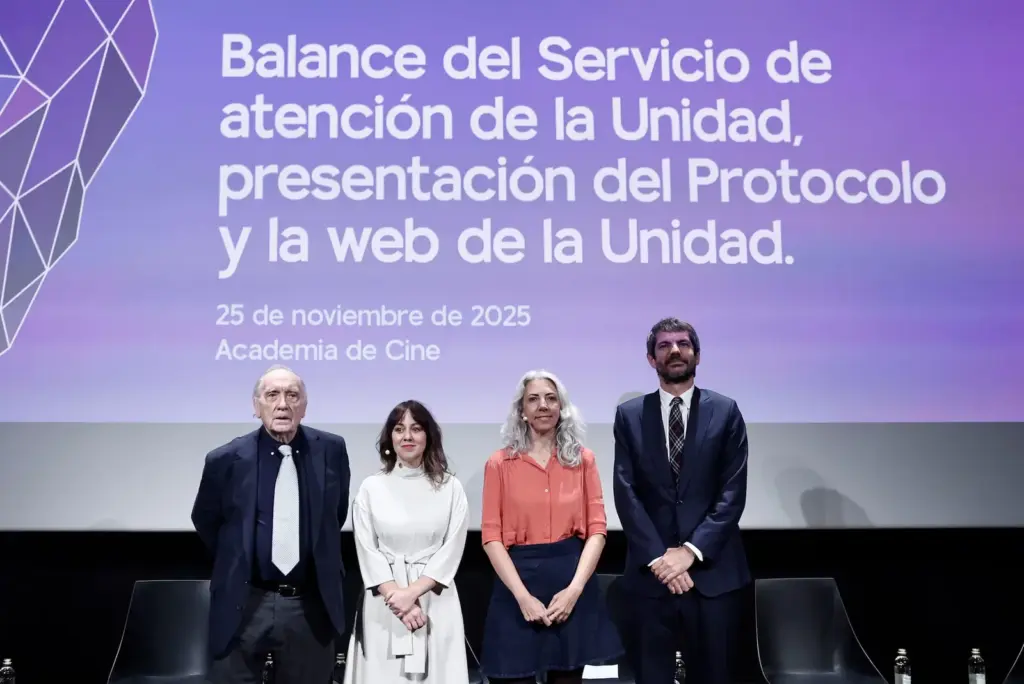
Since late 2024, the Ministry of Culture, led by Ernest Urtasun, has launched various initiatives to “address and prevent gender-based violence,” in the politician’s words, through the Unit for Prevention and Attention against Violence in the Audiovisual and Cultural Sector; the biennial Equality plan —“It was the first time that gender-based violence was incorporated as a specific axis,” recalls Jazmín Beirak, Director General of Cultural Rights— and, last December, a protocol with minimum action measures for all companies in the cultural industry. “The existence of specific and specialized resources makes reporting more likely,” says Sonia Lamas, coordinator of the Violence Unit at the Aspacia Foundation, the organization to which the Ministry of Culture and the Film Academy delegated the management of this service.
Last November, the Unit presented its first report, and after a year of work, it had handled 55 inquiries, 43% of which referred to situations of sexual assault. This figure contrasts with the conclusions of the first major report conducted by the Association of Women Filmmakers and Audiovisual Media (CIMA) on sexual violence in the Spanish audiovisual industry: 60.3% of respondents reported having suffered some form of sexual violence in spaces related to the film and audiovisual industry. A year after its publication, Tardón, also one of the authors of the document along with researcher and political scientist Nerea Barjola, states firmly: “Almost no progress has been made, if not none, regarding protocols.” The study, the most important published so far, collected not only data but also anonymized testimonies from women in the industry. The men identified, explains the expert, remain in their jobs, appear in series and films, and receive awards.
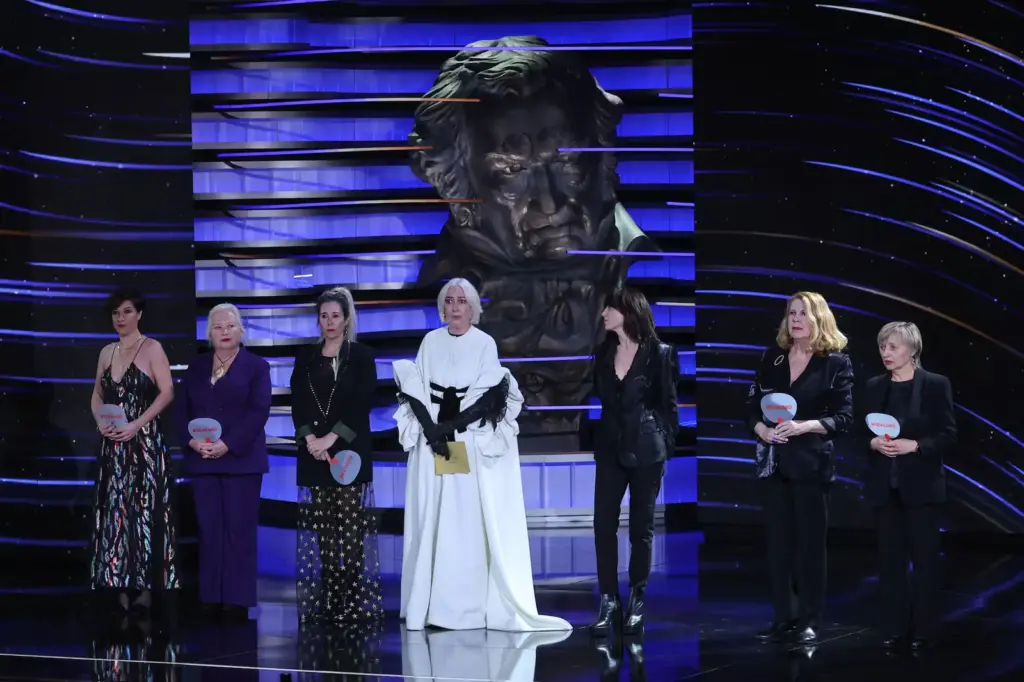
Producer Guadalupe Balaguer, president of CIMA, tries to be positive about the current situation, although with many reservations like Tardón: “There is greater social awareness. With the report, victims were heard, they felt our support and companionship, and many acts of sexual violence that we took for normal were named. It was confirmed that it was a deeply rooted, structural problem. For me, the report was a slap in the face to the audiovisual sector, and I feel there was no immediate response from colleagues to stop this. In the last year, as a society, we have regressed in terms of being able to report everything that happens. Victims are questioned even more, fearing that persecution. We are not well legislatively or socially, and that is why many colleagues choose silence. They fear that the abuser will end up taking measures against the victim. That is the worst thing that can happen.”
The Culture Ministry asks for time to implement the protocols. “We still don’t have data on how it is impacting the sector,” says Beirak. On the website set up by the Ministry and the Academy, the companies that have joined these tools do not appear, as established in the text. Publishing them on this platform would also guarantee more points in the near future when applying for certain public aids.
Inés Enciso, coordinator of the Development and Research Department of the Film Academy, points out about the Unit: “Our feeling is that little by little initiatives are being launched that are on the right track.” The Unit has three lines of action: the Protocol against any sexual violence, training activities, and victim support. “The Protocol [70 pages] applies to any cultural activity or company. It is legally as clear as possible, respecting the presumption of innocence, but above all supporting the victim. And we hope it will be useful for many companies that freeze in such situations.”
Read more The ‘Cerdán case’ is revived with new investigations
Enciso also emphasizes the importance of training: “In the end, the best way to prevent is for everyone to be aligned on what is and what is not gender-based violence in a professional environment. We emphasize training a lot, which is carried out not only at the Academy but in many places. For example, at the Contemporary Foundation, to try to amplify the voice within culture. Or we have been at the Barcelona Comic Fair.” Complying with the protocol means that Culture increases incentives for organizations that apply it. If there is a complaint and the protocol is applied on a shoot, it must be stopped. Does the Academy have evidence that this has happened since its launch in November 2025? “No.” Although she immediately adds: “We still have a lot to do, of course, although there is already a tool to turn to and a phone number where victims will receive help, and hopefully this will be in all regulations, enforced obligatorily. Now we are insisting that the entire cultural industry knows about it, that the impunity that has run rampant for so long ends, and that it is known this is no longer legitimate.”
“The years after Me Too generated, in some sectors like music, the illusion that awareness was enough. Protocols were established, commissions created, panels on gender perspective multiplied at festivals… But awareness without structural transformation is decoration,” says Álvarez, who demands for his guild “reporting mechanisms that do not depend on the goodwill of those in power in each structure, because that is very tricky and rarely favors the person who has suffered violence.”
The reaction
The music sector, as in almost the entire cultural industry, is sustained through small companies, “with very vertical dependency relationships, where economic power and access are concentrated asymmetrically,” describes the MIM spokesperson. “That asymmetry is the ground where there is room for abuses to multiply,” she adds, a phrase repeated by women in audiovisual, theater, and the arts. After a couple of years of hope, they begin to show signs of exhaustion, anger, but above all fear and silence in the face of what they consider “a backlash” against them. “It is declared fatigue towards woke or gender issues, a tendency to read any complaint as an excess or an attack on the sector,” Álvarez and Balaguer opine.
“Fear is the tool of rape culture to infect us all,” continues Lamas, who identifies recent complaints against media that publish this type of information as a way to silence them. “The same happens with the targeting of an actress, a cultural manager, an architect who denounces sexual violence… The effect sought is to point at all of us.” And added to this, in audiovisual, after overcoming “the guilt and remorse of why get involved in this,” warns the president of CIMA, “sexual assault is often accompanied by labor abuse.” As Balaguer emphasizes, “you get tangled in a legal universe. To which jurisdiction does the complaint belong? It is very difficult to find specialized lawyers.”
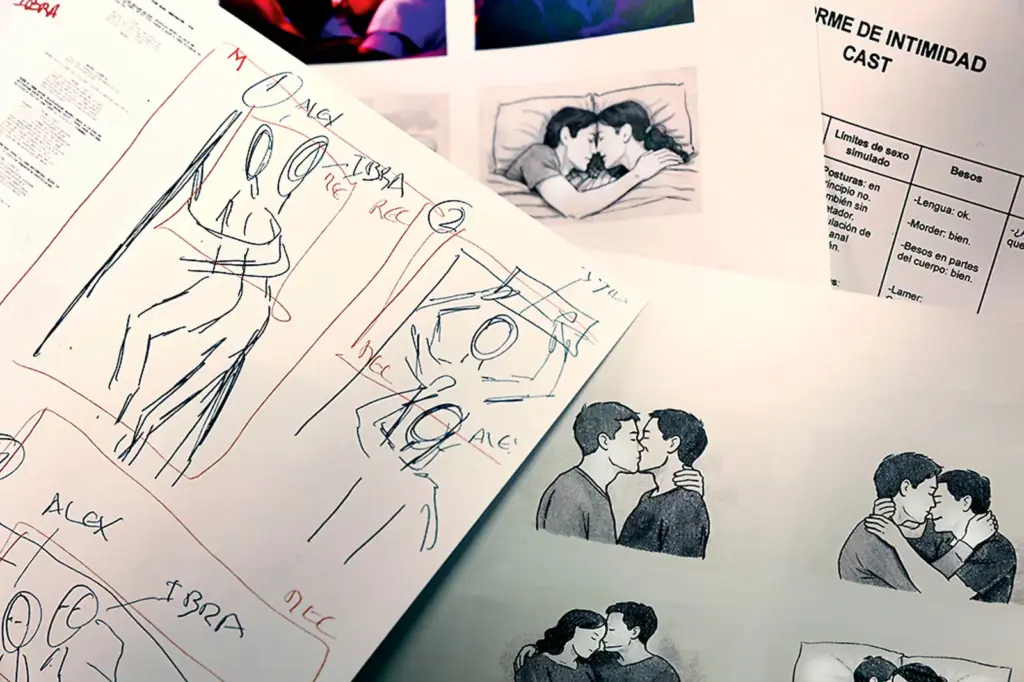
In 2021, Tábata Cerezo and Lucia Delgado founded IntimAct, a pioneering agency in intimacy coordination on shoots, a role that over the years has become normalized and has just become mandatory, following last week’s approval by the Council of Ministers of the new royal decree regulating artistic work. “The more specific violences that occurred during the shooting of intimate scenes are now rarer than three years ago. But if we talk about more structural violences, the situation has not changed much. There is a lot of fear to speak and a certain feeling that, moreover, no one cares about what happened to you,” explains Cerezo. “It brings a certain frustration to see how the external framework makes it very difficult for us. Maybe we lack a code of ethics, like in journalism, to clearly mark the limits,” she continues. “At least, in large and medium projects, the need for our position has been understood and this work is respected.”
Cerezo is also part of the CIMA board and the Violence Commission and considers that after the publication of accusations against filmmaker Carlos Vermut in EL PAÍS and the subsequent creation of the Academy’s Violence Unit, “there was a feeling of ‘Well, that’s done, right?’. Box checked and on to something else, issue resolved. It’s not like that.” Bárbara Tardón adds: “There is more silence, yes, perhaps the only positive thing for me is that, although they want to silence us, women in the sector make wonderful products, and feminism is always there, even if they want us to disappear.”