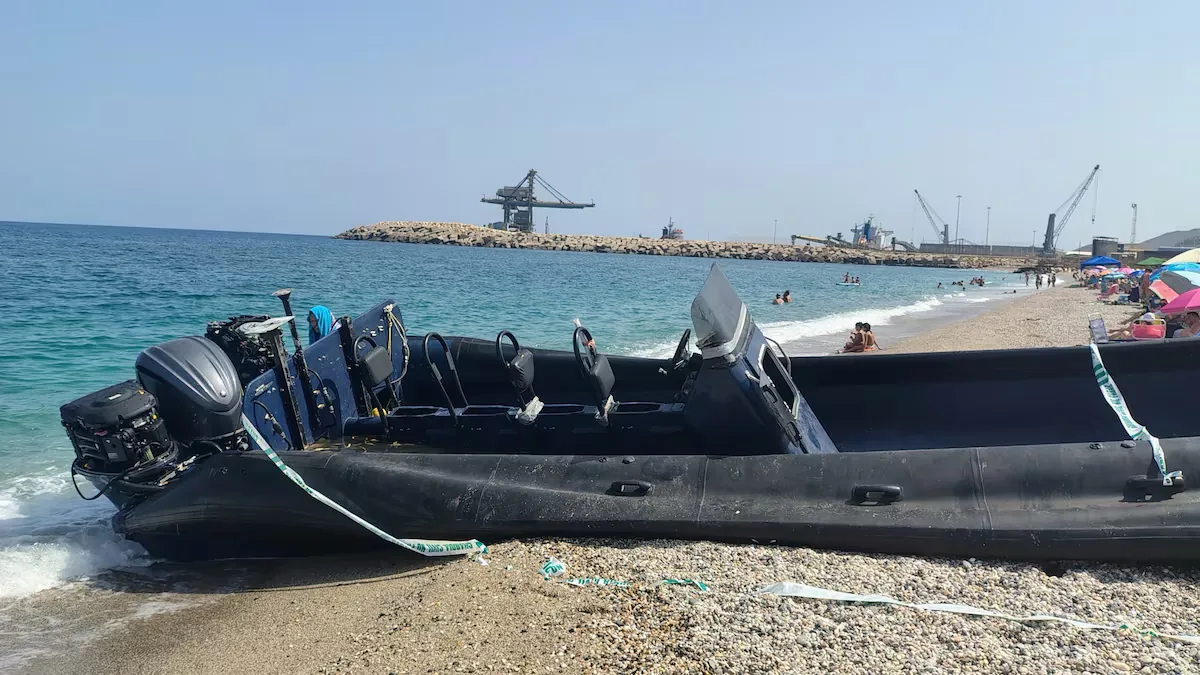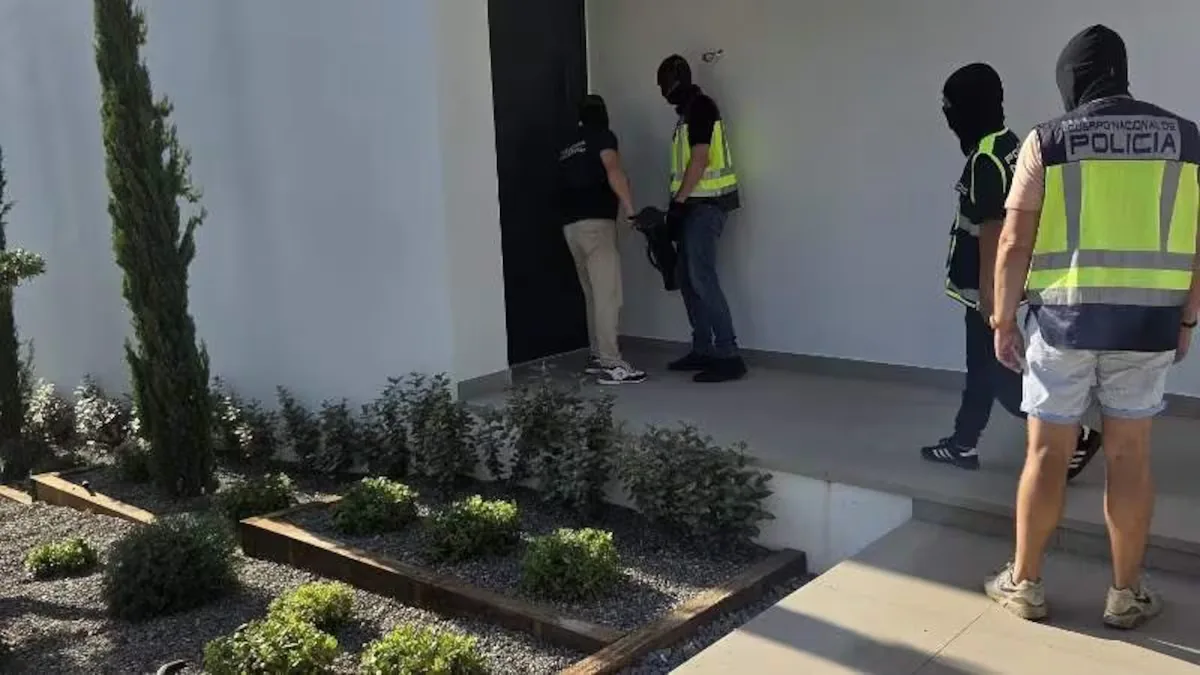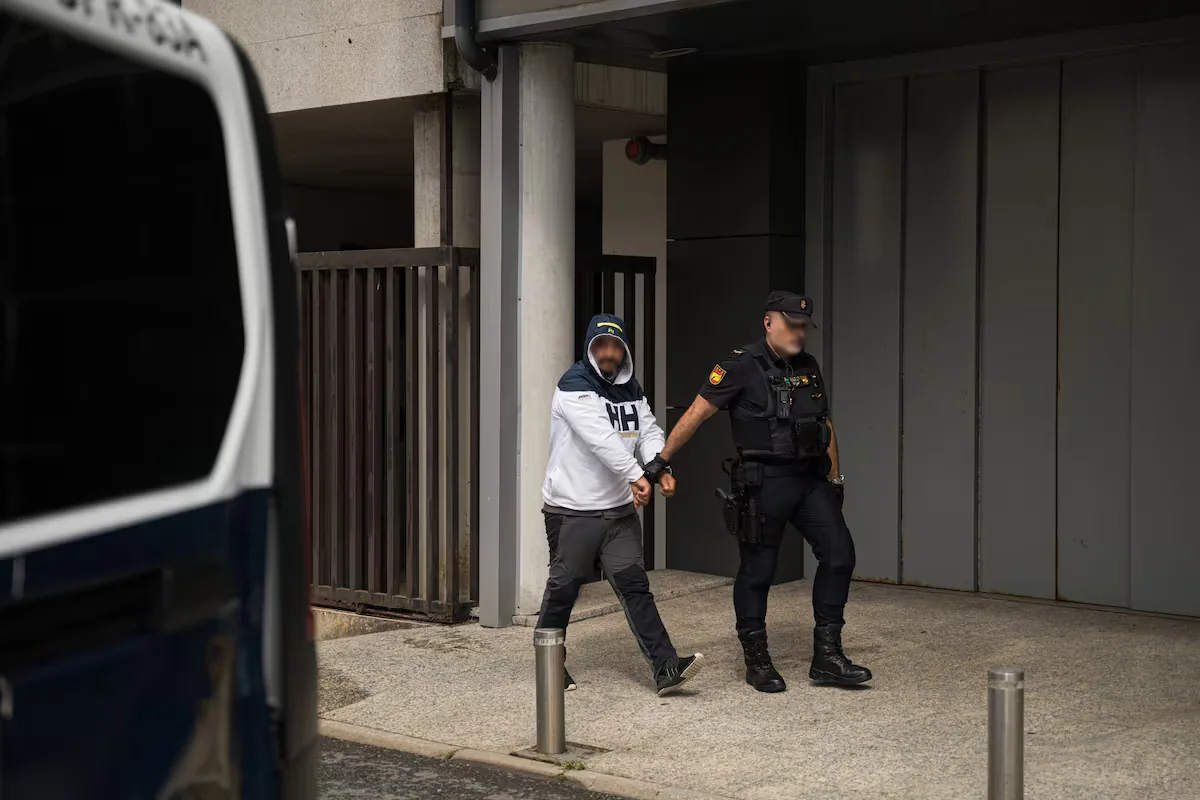







The natural ambition to improve in life is also shared by drug traffickers. The problem is that, in their case, their desire to prosper is proportional to the level of danger they reach. The latest blow dealt to a hashish mafia in Seville by the Civil Guard and the National Police is an example of this. They diversified the business across the provinces of Seville, Málaga, Cádiz, and Huelva, took advantage of the hashish channels to introduce cocaine, and acquired four war submachine guns to protect the merchandise. For this whole cocktail of crimes, 17 people have been arrested, 12 of whom are already in pretrial detention.
Read more The judge of the dana summons the head of news at À Punt as a witness
The police operation, called Itálica 153 Legs/Avant, focused on acting against “the nurseries and land transports” used by the mafia, according to an investigator of the case. Based in the province of Seville, the group, which was especially strong in drug trafficking in the Strait, had branched out and diversified its activity in the provinces of Cádiz, Huelva, and Málaga.
The agents seized 3,370 kilos of hashish and 288 kilos of cocaine, part of the latter substance, much more expensive and dangerous than the former, hidden in a hideout in Huelva. However, investigators believe the network managed to move an approximate volume of 285 bales, with about 9,400 kilograms of hashish, all between October 2025 and January 2026. “We believe that this merchandise mainly entered through the Guadalquivir, reaching Seville and from there it was distributed,” the same source points out.
The mafia used the locations it had in Málaga, Huelva, and Cádiz as logistical points. At these points, they had spaces to hide the drugs, called “nurseries,” as well as delivery points known as “mailboxes.” Proof of this are the 500 kilos of hashish that the agents seized in the town of Jerez de la Frontera (Cádiz) or the other 720 kilograms of the same substance found in the province of Burgos.
To move between all these land points, the organization used vehicles as shuttles. The purpose of this modus operandi is to detect police operations in advance and ensure that the vehicle behind carrying the load reaches its final destination. This way of operating, which usually involves high-speed driving, implies significant danger and, in other operations, has caused accidents or attacks against agents at those points. The high mobility of the traffickers forced investigators to hasten their operation during one of those drug trips, making it possible to intercept targets simultaneously in the provinces of Almería, Murcia, and Seville.
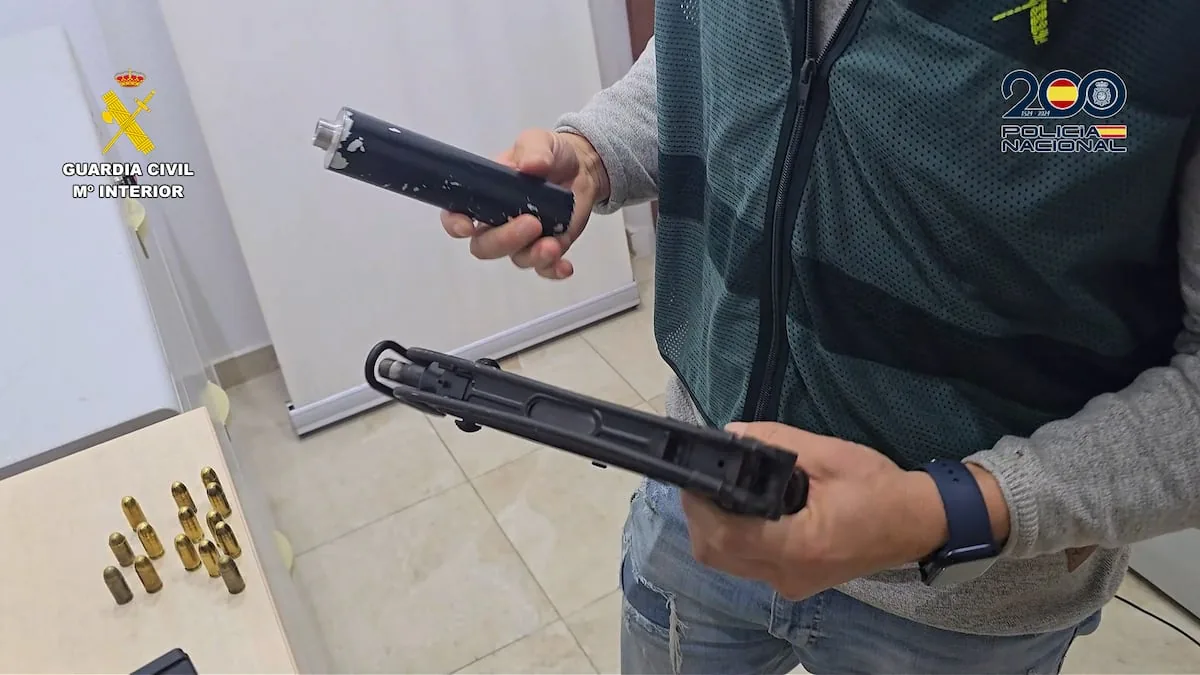
The danger of the organization was that it used those same transport channels to also introduce cocaine. “It is now common for this to happen. There are even drug boat pilots who, to take the same risk, prefer to carry cocaine, although they then get a heavier sentence,” explains the source familiar with the case. The now dismantled mafia also had six war weapons in its possession, another factor indicating the level of risk they assumed. Among these weapons are four Skorpion submachine guns, equipped with four silencers, and two AK-47 assault rifles, a Soviet-made weapon, all with ammunition.
“The range of weapons they have access to is wide,” says the investigator, “if more violent actions are not occurring, it is because they are not engaging in confrontations.” But the agent fears that the current wars in Europe and the Middle East will further supply the black arms market. “Previously, Soviet AK-47 submachine guns appeared; now we are also finding AR-15s, which imply origins from other armies,” explains the investigator, referring to a US-made weapon.
Investigations by the National Police and Civil Guard in this operation began independently until both lines of inquiry merged. This allowed identifying all members of the criminal group and discovering their specific roles, about which both forces have so far avoided giving more details on origin or who was the top leader of the gang.
The police deployment was carried out jointly by the Organized Crime and Anti-Drug Team of the Civil Guard of Seville, the Organized Crime Section of the UDYCO Costa del Sol of Málaga, and the GRECO of Cádiz, from the Central Judicial Police Brigade of the National Police. Investigators consider the criminal organization “completely dismantled.” After being brought before the court, 12 of the 17 detainees have been placed in pretrial detention.
Read more Lula da Silva supports Pedro Sánchez in his “no to war”