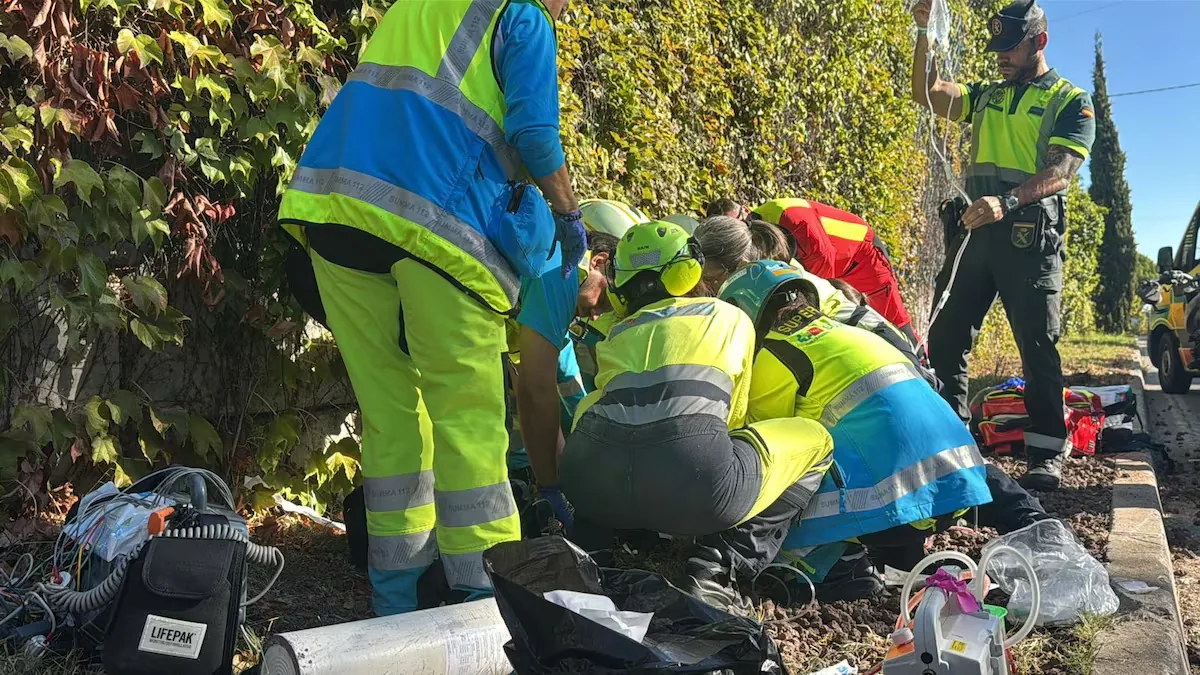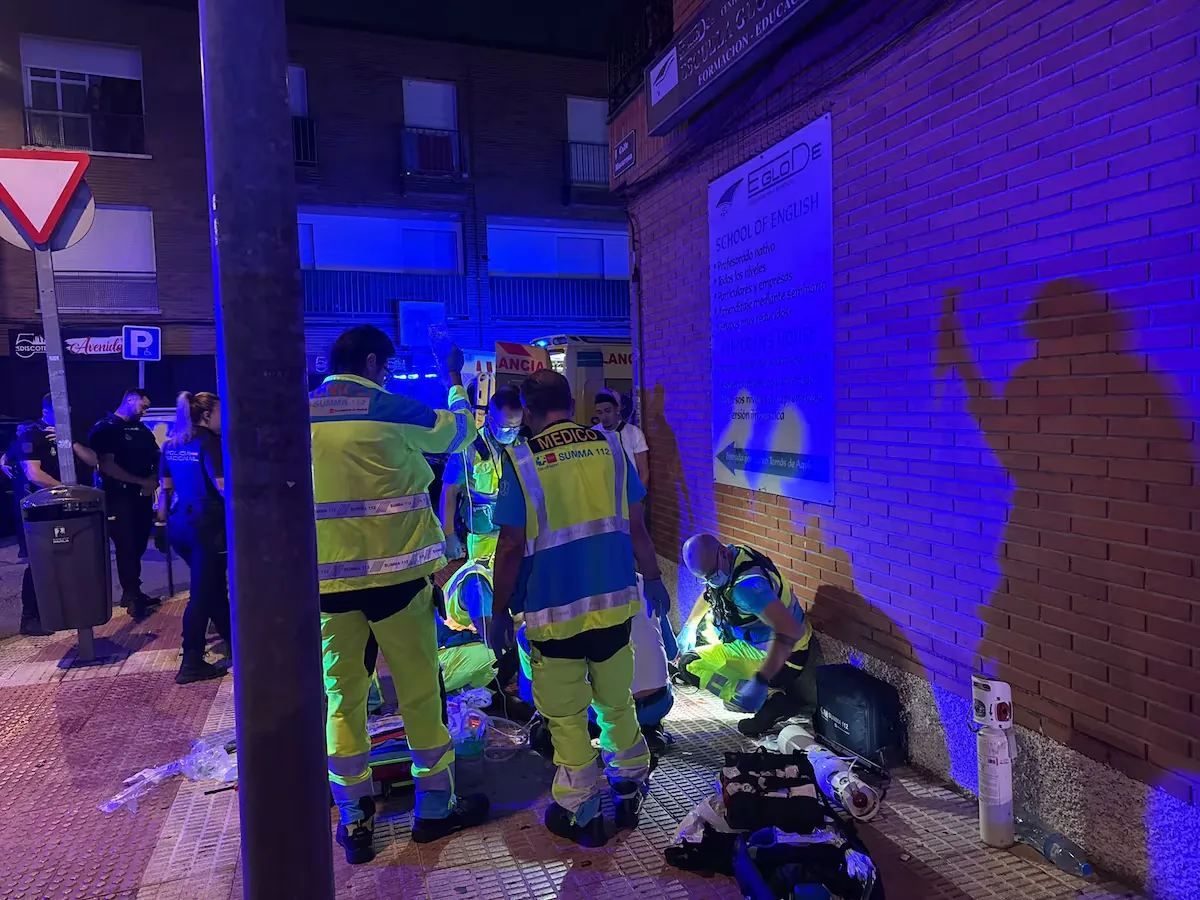






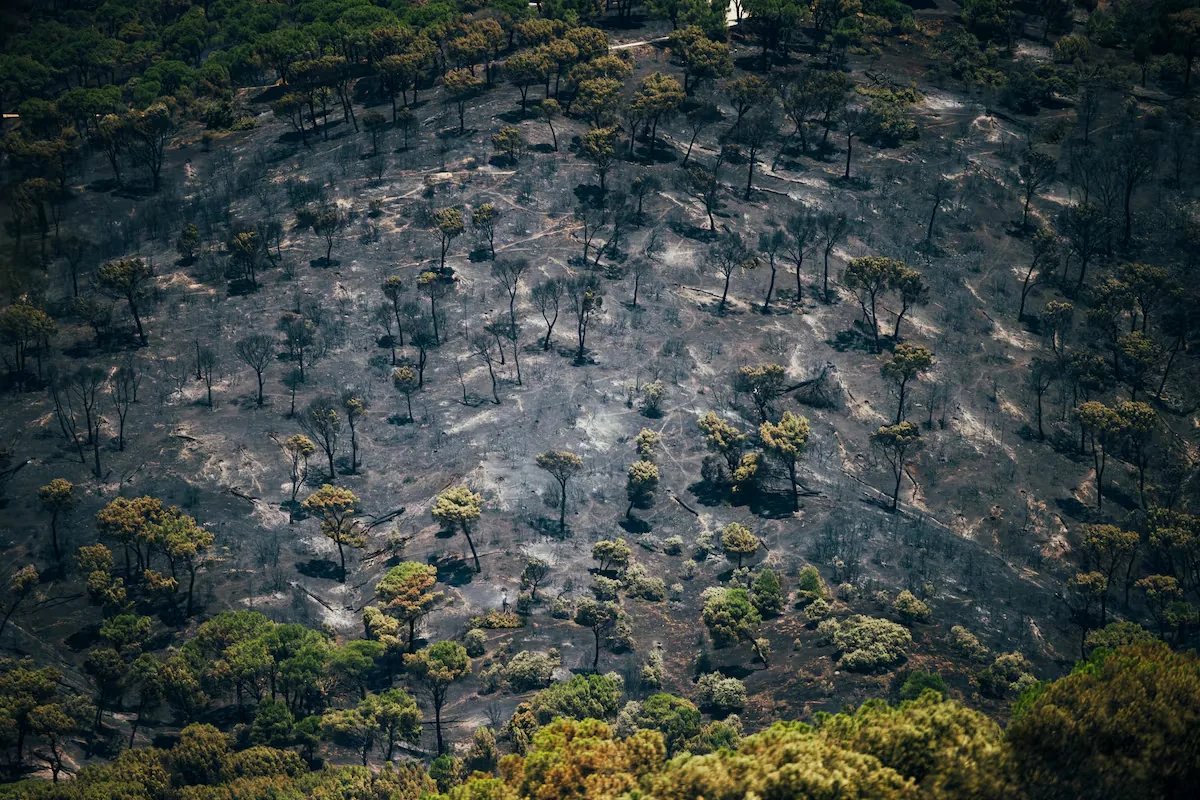
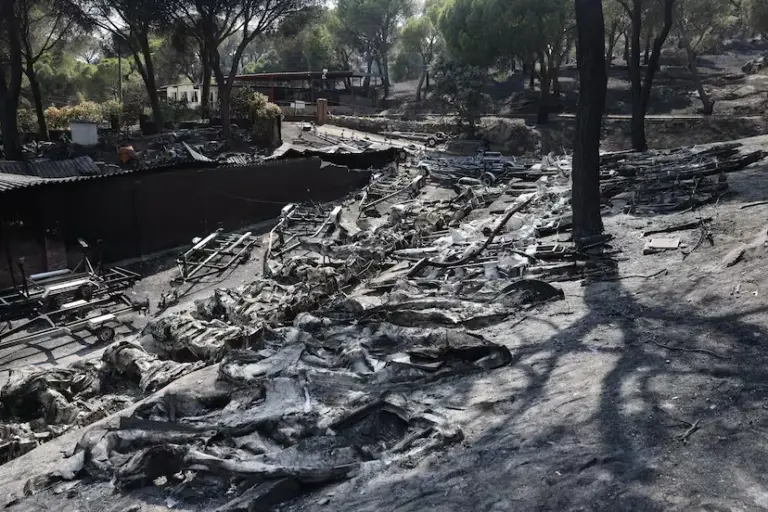
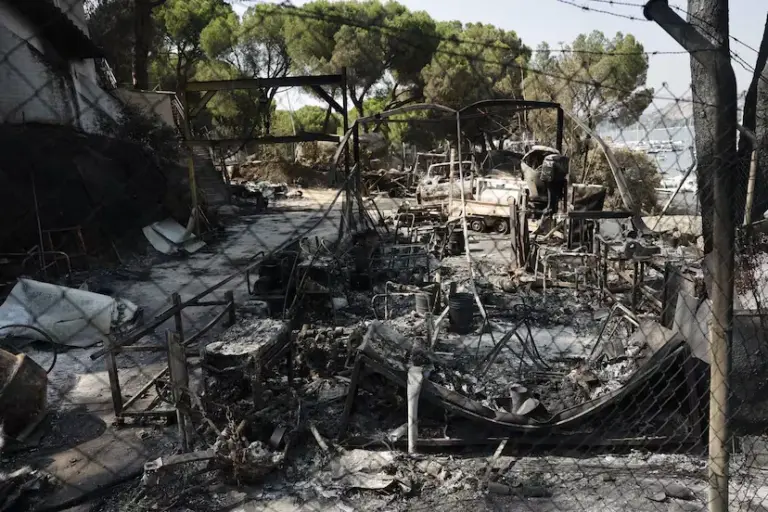
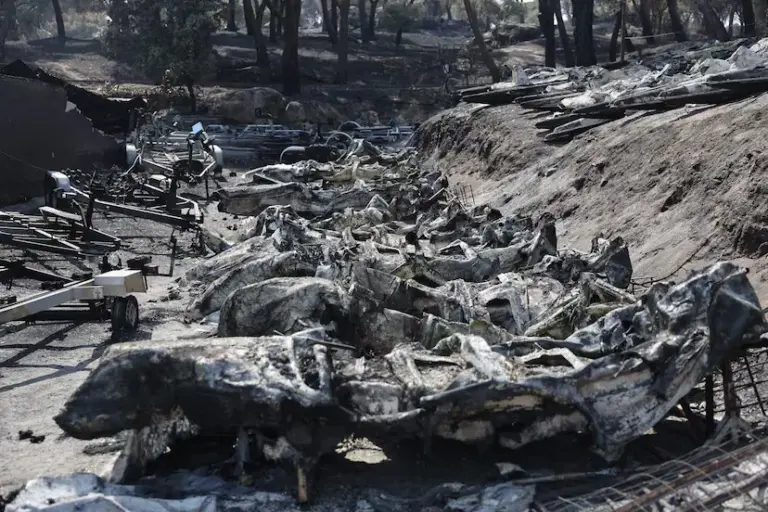
The fires that have ravaged Madrid, Ávila, and Toledo have triggered alarms, which have not caught scientists by surprise, as they have been warning about the danger for years. These large fires are not an exception, nor are they confined to specific regions, nor will they disappear. So far this year, until this Tuesday, 173,000 hectares have burned, six times more than in the same period last year, and 35 large fires have been declared compared to seven last year. What is failing? Fire experts argue that the only solution is to adapt to the new situation and focus on prevention through landscape management. The abandonment of rural areas has transformed the territory, favoring the accumulation of vegetation. Added to this is the expansion of housing developments and scattered homes in the urban-forest interface, where the contact between houses and the forest multiplies the risk and complicates firefighting efforts.
Read more Florida carries out its first double execution in more than 60 years
Fewer fires, but more affected area
There are not more fires, but “they burn more intensely, have greater heat capacity, and are more difficult to control,” explains Cristina Montiel, professor of Geography at the Complutense University and fire specialist. The figures support this change in behavior: although the number of fires has decreased by 33% compared to the average of the last decade, the burned area has increased by 8%, according to WWF. The conservation NGO, which has been analyzing the evolution of forest fires for over 20 years, also warns that the probability of one of them becoming a large fire has increased by 47%.
“Behind the new scenario is the modification of meteorological conditions due to climate change, as well as the modification of the landscape,” Montiel explains. In the previous system, vegetation did not accumulate because the territory had agricultural and livestock use, but that model has disappeared. The fires in Madrid and Ávila, like others, reflect this new reality. “They coincided with heat waves that dry out vegetation with very high temperatures that do not drop at night,” adds Lourdes Hernández, head of fires at WWF. Added to this is that there are increasingly more villages, housing developments, and isolated homes next to the forest, which multiplies the risk. “Aesthetic interests have been prioritized, leaving safety in second place, because more and more people live in rural areas but without living off them,” she comments.
Prevent to avoid extinguishing
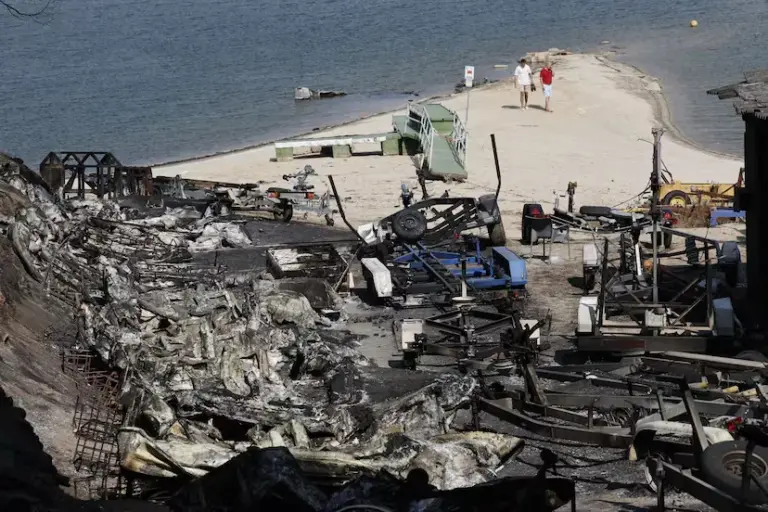
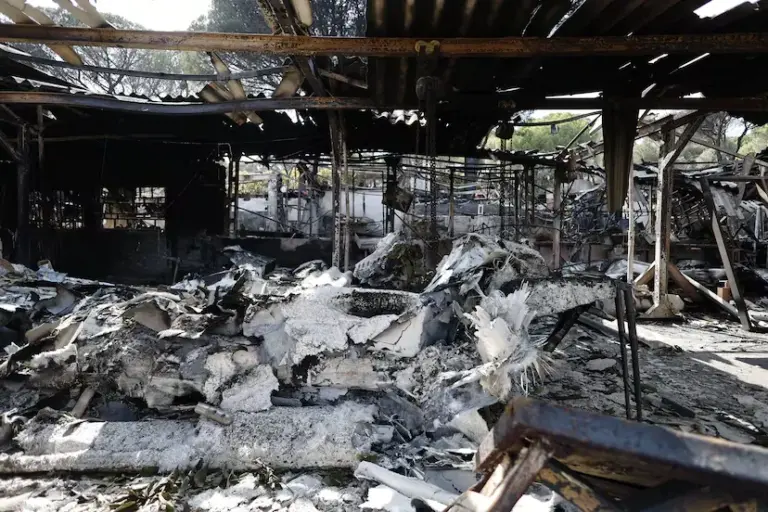
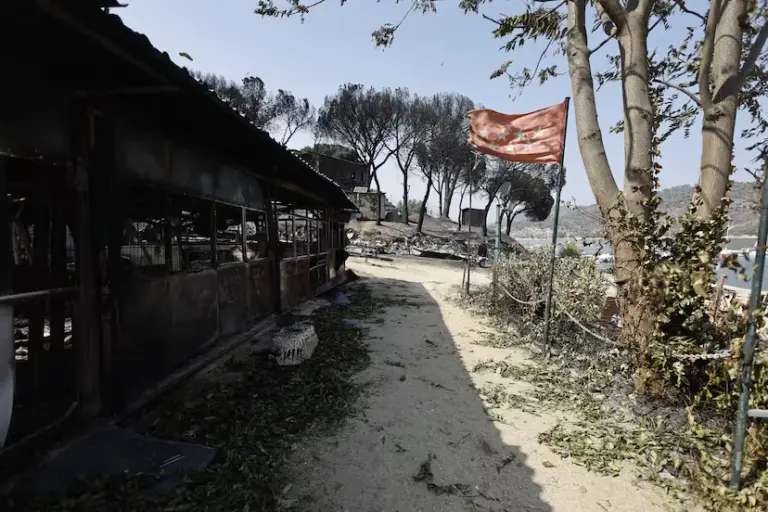
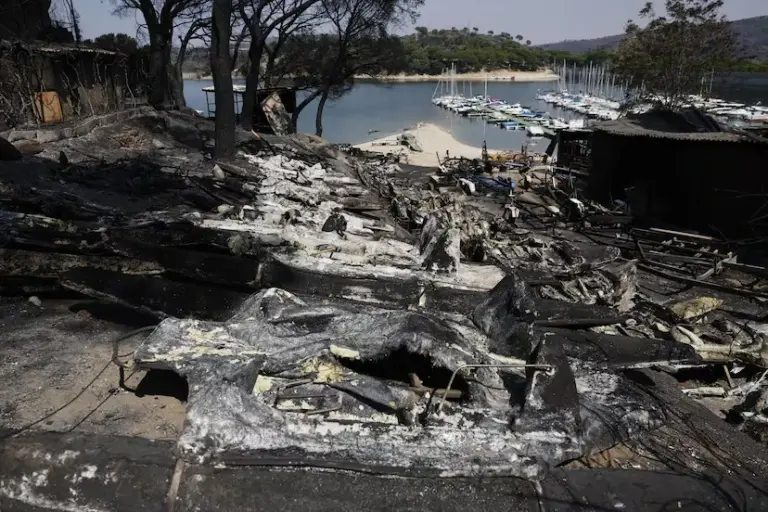
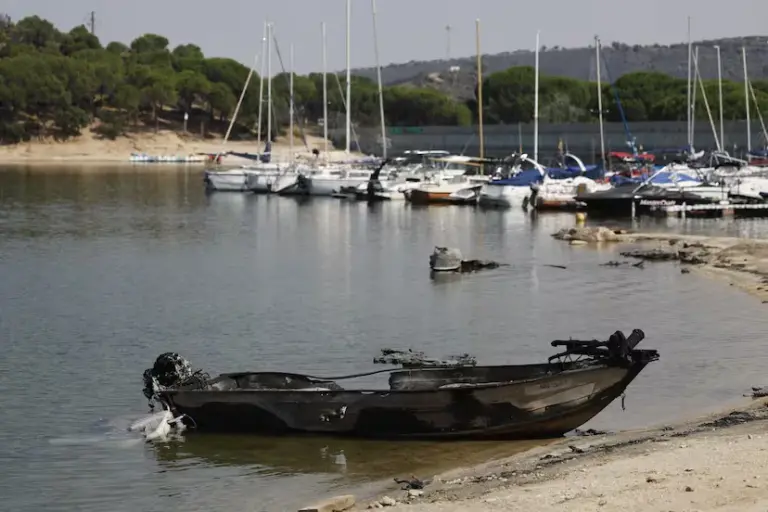
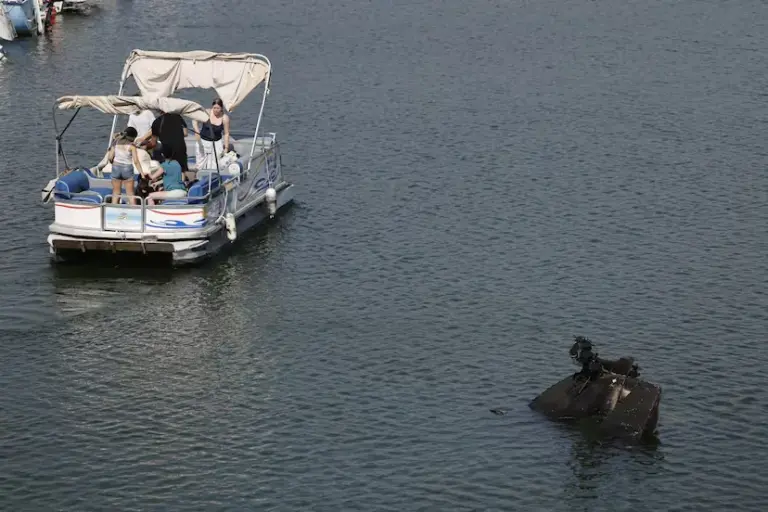
Fire will not disappear because it is part of the natural dynamics of ecosystems. The solution is to adapt and prepare. “Unfortunately, neither of these two issues is being addressed sufficiently,” warns Professor Montiel. A task in which the State, autonomous communities, and municipalities must be involved, but also the citizens. “We have been insisting for 20 years that the San Juan reservoir area [one of the most affected places by one of the fires] was a very serious problem, that the way of managing it had to change, and they have not done it,” Montiel suggests. She adds that shared responsibility is failing. “The population and landowners and people living in the countryside, in housing developments, and peri-urban areas are not aware of the risk, and self-protection plans are insufficient,” she adds.
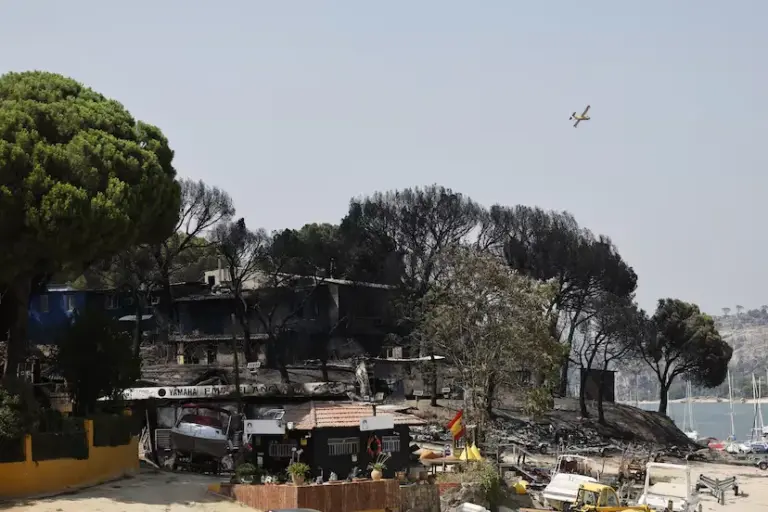
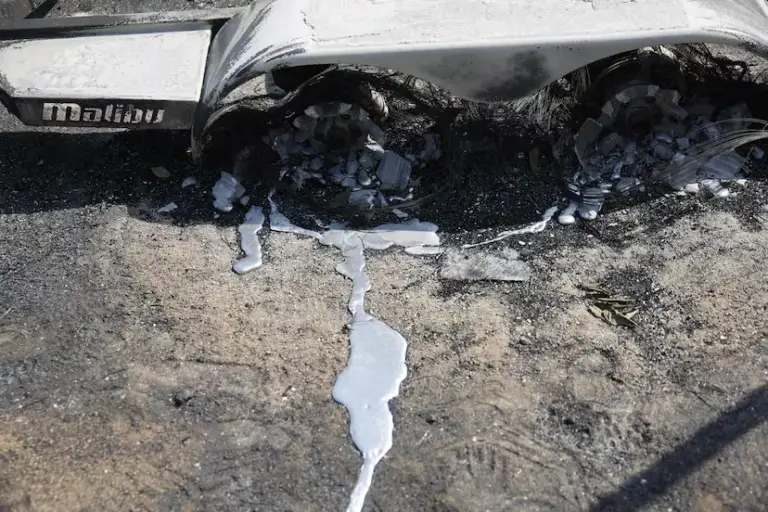
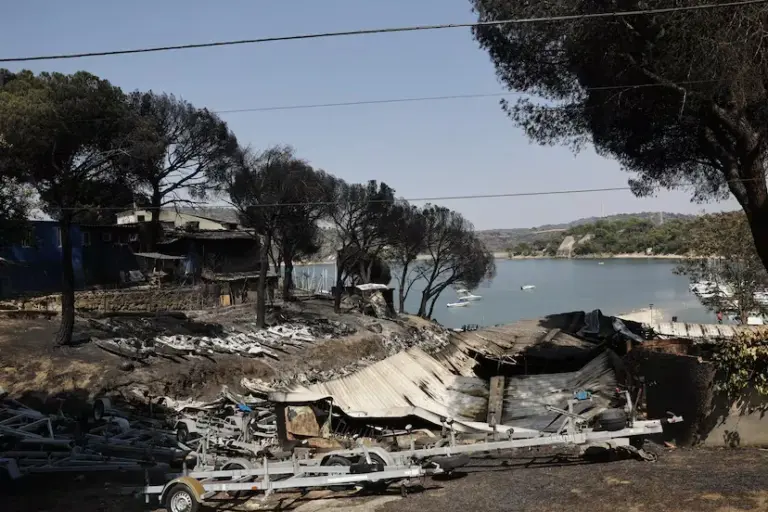
She explains that it is necessary to prepare the land and the people to reduce the danger. Also, to have planned evacuation routes and manage vegetation on three scales: within plots, around housing developments, and in the surrounding landscape. All this depends on municipalities, which must have prevention plans and apply them, as the forest law requires for municipalities with high fire risk. “Let’s see if we start to learn,” Montiel suggests.
“It is about managing strategically decided areas, promoting a mosaic structure with traditional agriculture, with crops that stay green in summer like olives, vineyards, sunflowers…, as well as carrying out prescribed burns, clearing…,” adds Víctor Resco, forestry engineer and professor at the University of Lleida.
And reducing fuel: the biomass found on the ground, leaf litter, firewood… “The undergrowth is the engine that spreads a fire, multiplying the fire’s speed by four,” he adds. There are environmental organizations that fear this insistence on management will end up destroying forest masses. Resco responds that “it is about managing 5% of the 27 million hectares of forest land that exist in Spain.”
Read more A Dutch tourist dies after a boat capsizes at Iguazu Falls
Are current firefighting resources sufficient?
There is broad scientific consensus that current resources are adequate. “The key is not to increase resources allocated to firefighting, but to prevention and land management,” says María Luisa Chas-Amil, professor of Applied Economics at the University of Santiago de Compostela, in a recent article in The Conversation. The total estimated budget for the entire State could exceed 1.8 billion euros annually. Of this, around 78% is allocated to firefighting efforts and 22% to prevention, the study indicates.
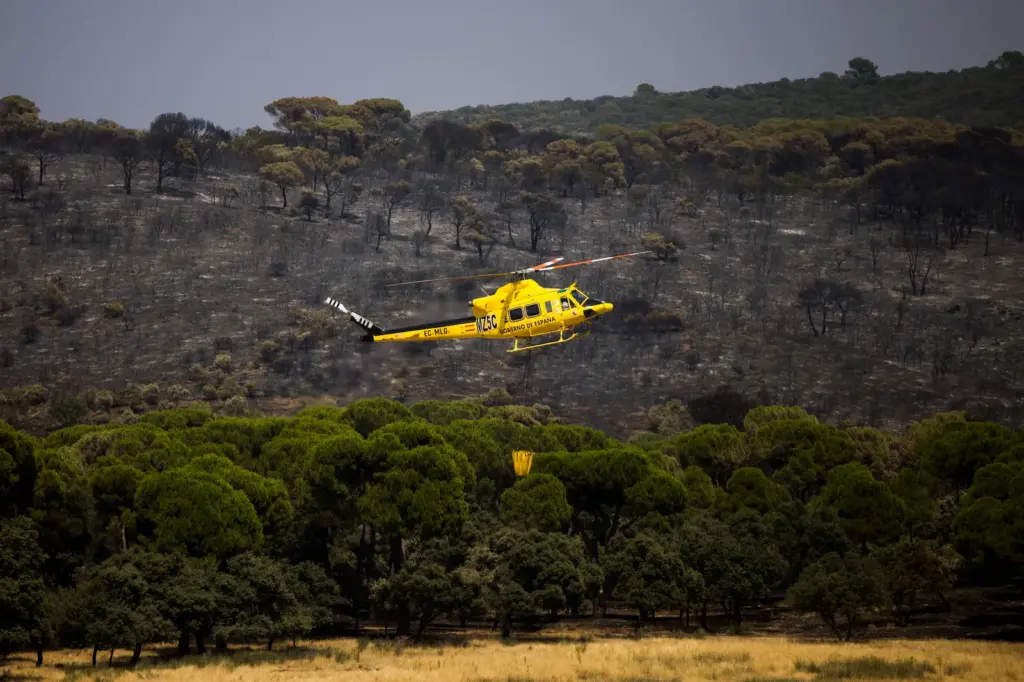
But they have encountered fragmented information, hardly comparable, as well as a lack of transparency and difficulty accessing information about executed expenses. Despite these difficulties, the authors point out that “a continuous increase in spending is not economically sustainable.” In Galicia, the estimated allocation far exceeds the budgets of some departments such as Environment and Climate Change. All this considering that most fires are extinguished in the initial phase (less than one hectare).
Montiel considers that current firefighting operations are “excellent in quantity, quality, organization, and preparation.” Another issue, she points out, is that they should collaborate in prevention. “Many times they cannot because contracts are concentrated in the danger months, and that is a huge mistake nowadays,” she warns.
The volunteer network makes the difference
In addition to prevention plans, teams of volunteers prepared and organized to deal with fires and other emergency situations make the difference between some places and others. Jávea, for example, has a group of volunteer firefighters in Balcón al Mar and 48 members of Civil Protection (30 of them trained to intervene in fires), trained and equipped by the City Council, who patrol the municipality. “This collaboration allows fires to be extinguished when they are in their early stages,” points out Ferrán Dalmau, forestry engineer and fire prevention expert. “Working together is the way to manage what is coming. You have to choose between improvisation or planning, and that is the difference between some places and others,” he suggests.
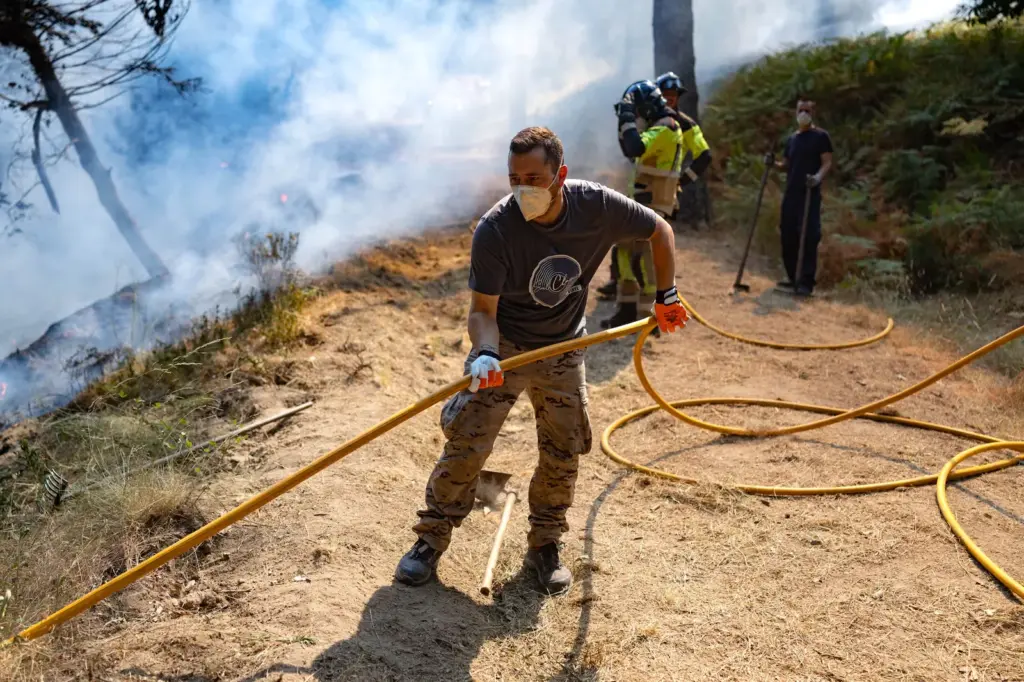
Self-protection involves complying with regulations: keeping the plot clean, a safety strip around the house, or having a self-protection plan when the housing development or house is in isolated nuclei.
Read more The partner of a Los Cuinis leader pleads guilty to moving drug money in the United States