





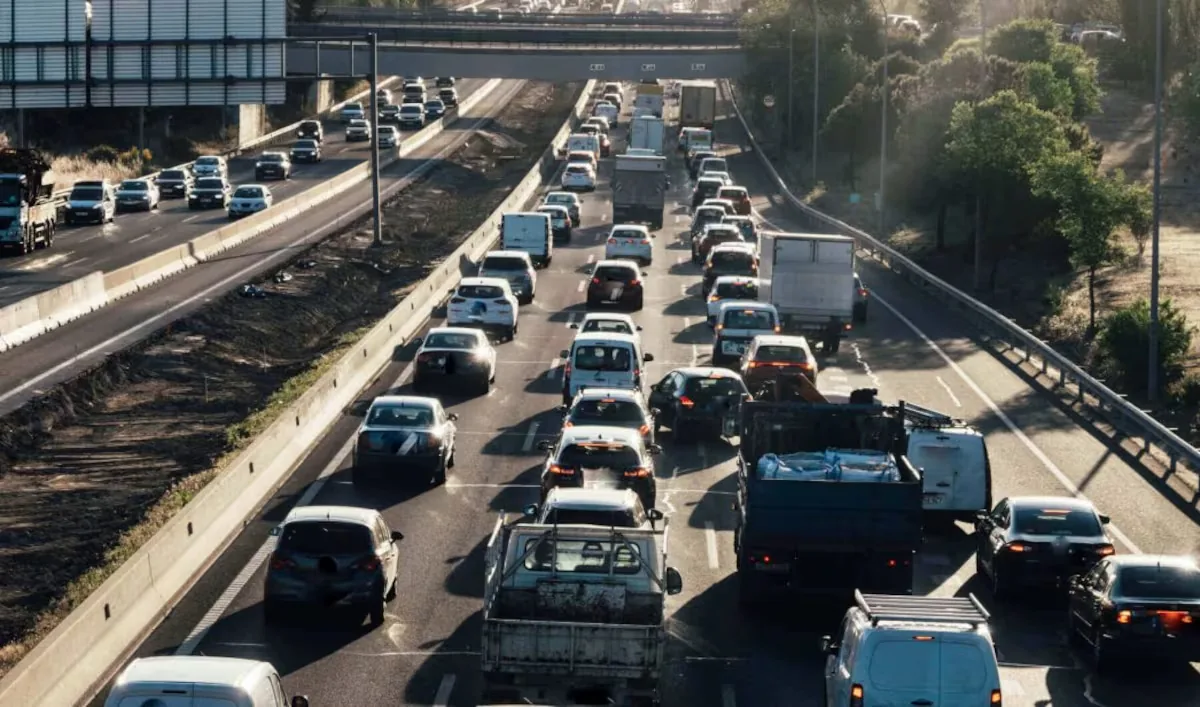
Spanish roads face one of the days with the highest traffic density in the coming days. The start of the holidays for thousands of people coincides with the end of the rest period for another large number of vacationers, in addition to the usual weekend trips. All this causes the roads to host hundreds of thousands of vehicles. The Directorate General of Traffic (DGT) expects that this first weekend of August will see 5.6 million road trips. Once again, the agency under the Ministry of the Interior does not rule out that the operation will start tomorrow, Thursday, since many people tend to telework on Fridays.
Read more More than 20,000 geoglyphs hidden in the jungle reveal a densely inhabited precolonial Amazon
In total, Traffic expects that the bulk of the Summer Operation trips (54.5 million of the 103 million planned) will take place during August. A significant part of these movements also includes Portuguese and Maghreb citizens crossing the Iberian Peninsula, especially through the central area, towards their destination countries or to board ferries, in the case of North Africans. All this will cause the main roads and highways leaving the big cities to register large concentrations of vehicles.
The Burgos-Madrid-Córdoba and Valladolid-Madrid-Valencia routes are expected to have the highest traffic density. Next in importance is the route between Madrid, Mérida, and Seville.
The DGT has designed a surveillance device that also plans to regulate traffic and implement measures to increase road capacity. It will involve agents from the Traffic Group of the Civil Guard, personnel from traffic management centers, aerial means, and road maintenance staff. Traffic has reminded that throughout the operation fixed and mobile radars, helicopters equipped with the Pegasus system, drones, and cameras installed on road gantries to monitor distractions and seat belt use will be active. “The goal is to detect the main driving offenses, reinforce compliance with traffic rules, and contribute to safer mobility,” highlighted the DGT.
The device includes enabling reversible and additional lanes at certain kilometer points, recommending alternative routes, suspending roadworks, and restricting circulation for certain vehicles.
Safety advice
As usual in this type of operation, the DGT has provided some safety advice that affects both drivers and vehicles. In the latter case, it is recommended to prepare the car before starting the trip with the dual objective of avoiding breakdowns during the journey and reducing the risk of accidents. According to the DGT, the Civil Guard will reinforce surveillance to check the condition of tires, lighting system, and mandatory documentation (ITV and driving and circulation permits), as well as the safety elements required by current legislation. It is also advised to check the condition of brakes, oil and coolant levels, battery, and air conditioning system.
Recommendations related to the driver include planning the trip to avoid peak traffic times, especially on short trips, and using alternative routes. It is also requested to respect traffic rules, especially in four essential areas: zero alcohol and drugs while driving, adjusting speed to traffic and road conditions, avoiding all types of distractions — especially mobile phone use — and always wearing seat belts and helmets.
Traffic has also asked drivers to stay informed at all times about traffic and road conditions in real time. For this, they have navigators and the usual DGT information channels. Official accounts are available on X (formerly Twitter), @DGTes and @informacionDGT, as well as information bulletins on radio and television, the website infocar.dgt.es, and the permanent attention phone 011. Likewise, this information is also accessible to navigation service providers through the National Traffic and Mobility Access Point available at this link.
Finally, this will be the first summer in which the use of the V-16 beacon will be mandatory, which must be used instead of emergency triangles since last January 1. It is characterized by being connected to the DGT management center and alerting other users in real time through road information panels and navigators. This signaling system is used on average about 69,000 times per month on interurban roads, according to Traffic data.
The Directorate General of Traffic has the phone 018 to assist victims of road accidents. It offers information, guidance, and support to victims and their families. It is free, accessible, with national coverage, and staffed in more than 50 languages. It operates from 8:00 to 21:00 every day of the week. It can also be contacted via WhatsApp at 645 713 823, by email at victimastrafico@dgt.es, or on the DGT website.