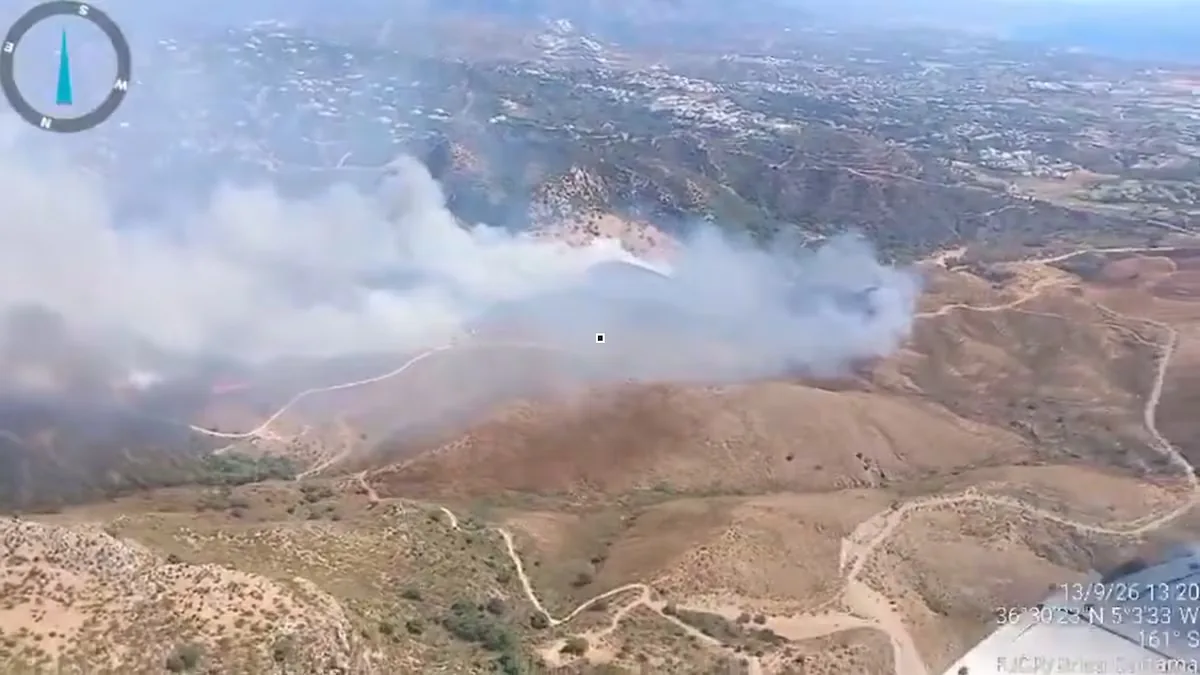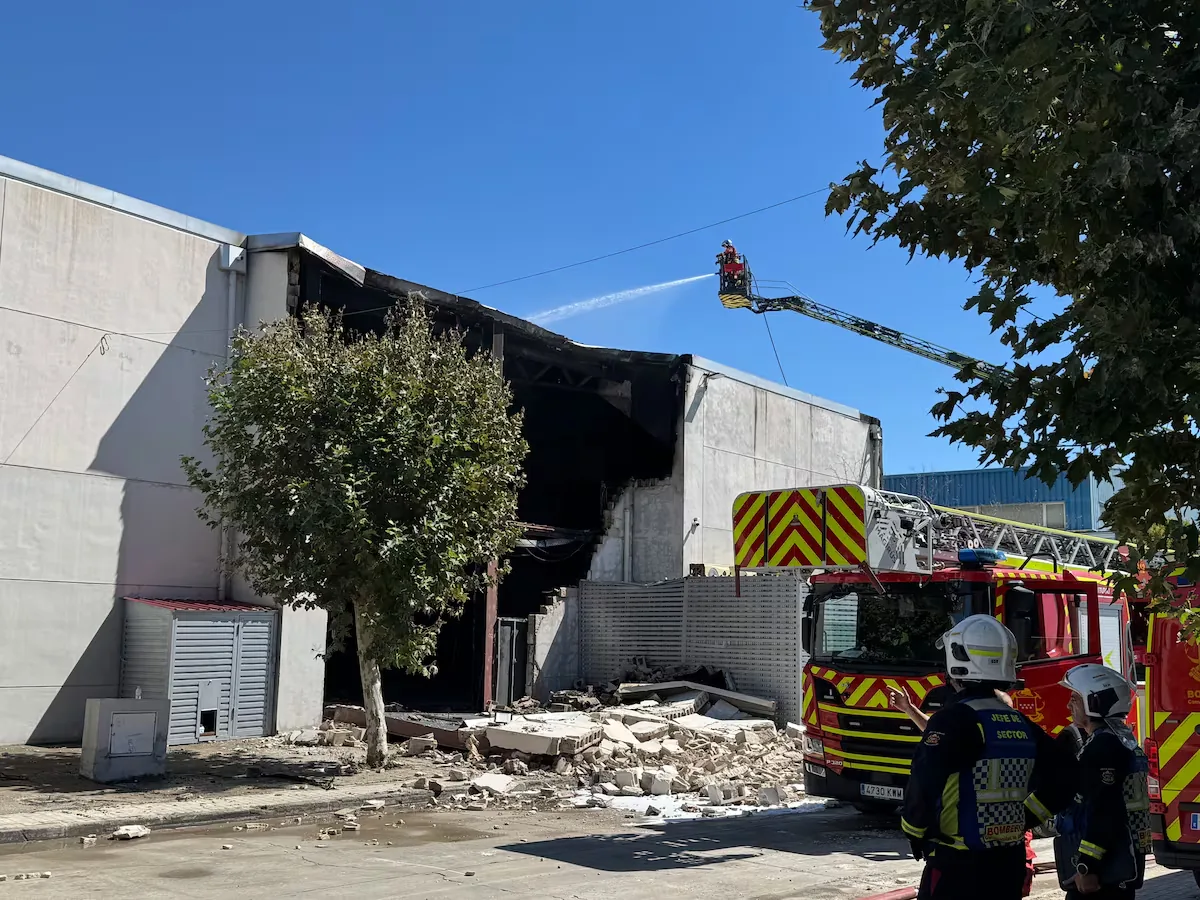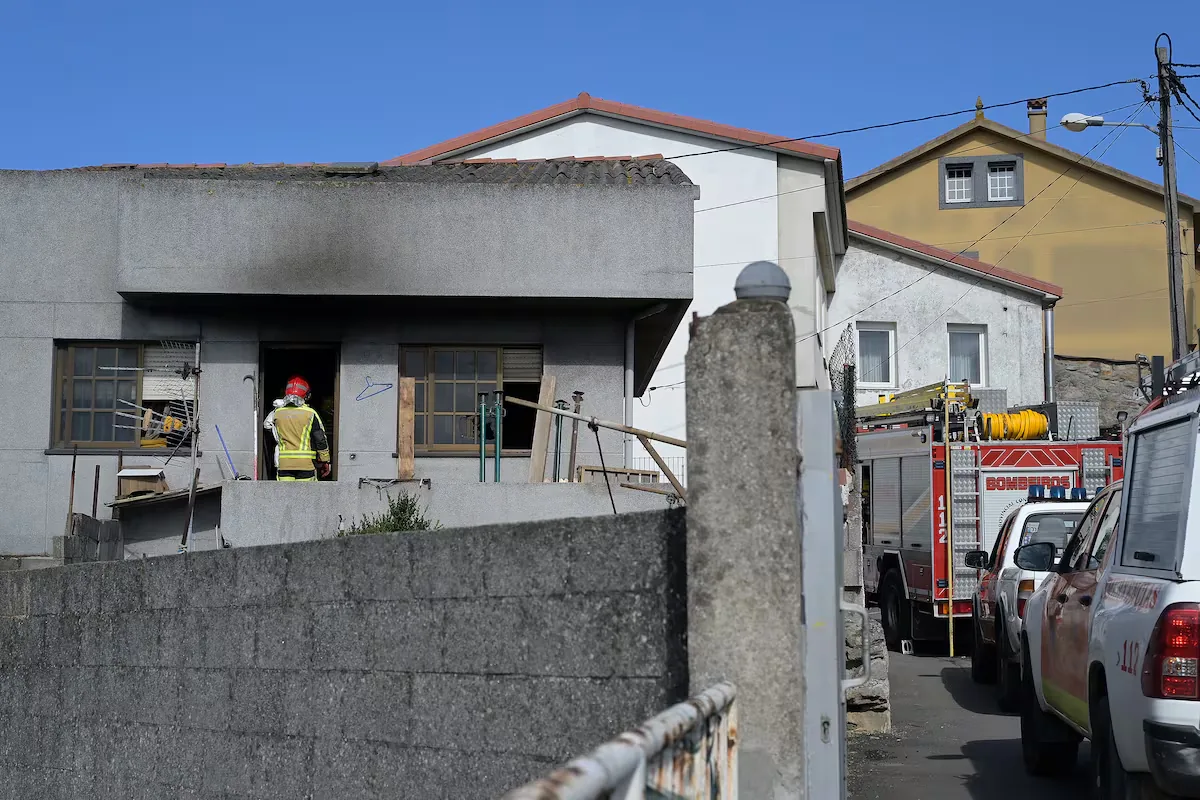









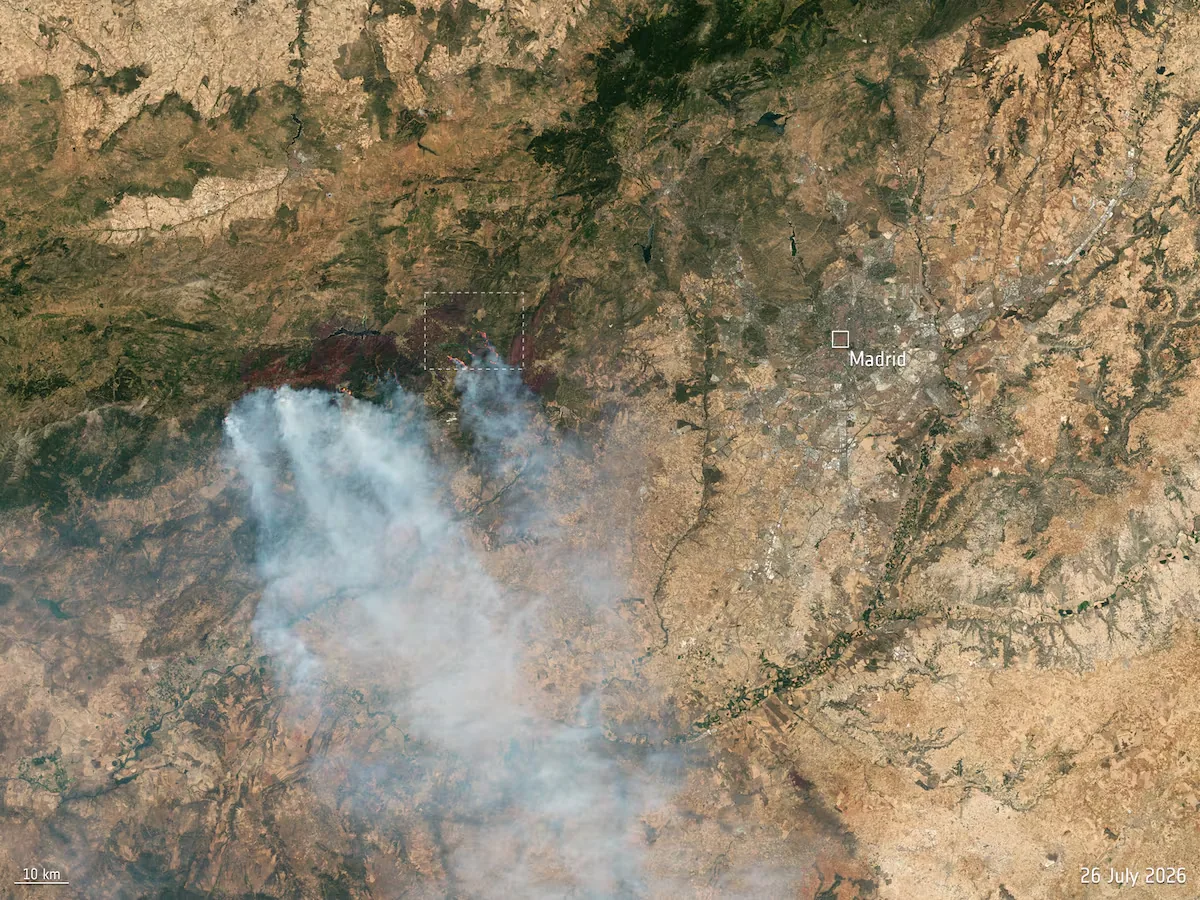
Only in July, about 150,000 hectares have been affected by forest fires in Spain. In the last decade, these figures have only been surpassed in 2022, which ended the year with more than 300,000 hectares affected, although last year currently holds the record, nearing 400,000. That is why it is hard to grasp a paradox: since the 1980s, the number of fires in our country has not stopped decreasing. And the trend is the same throughout southern Europe, with 40% fewer fires per year in the last decade compared to the period 1981-2010. Experts say that the fight against fires has improved over time, but therein lies the paradox; the biomass that does not burn tends to accumulate and, when this fuel burns, it does so with unusual fierceness, driven by extreme weather conditions that climate change is intensifying.
The increase in temperatures, drought periods, and wind during the summer season are creating the scenario of extreme fires of recent decades in southern Europe. In some areas of Spain and France, the intensity of these circumstances has increased by up to 50% between 2016 and 2025 compared to the period 1981-2010; and they have occurred on 25 summer days, compared to an average of 10 in the previous period. These are the data from a new study published in Nature Scientific Reports, which warns that the measures used so far against forest fires are not effective in the era of megafires.
“The tools we have to manage fire are no longer sufficient given the magnitude of the challenge,” says Raúl Cordero, one of the article’s authors. The climatologist from the University of Groningen (Netherlands) considers it an achievement to have reduced both the number of fires and the burned area, almost by half on average, since the 1980s “when, at the same time, climate change has been worsening the weather conditions that make fighting fires more difficult.”
However, Cordero warns that since 2018 a change in the trend has been observed and the burned area, both in Spain and throughout southern Europe, is growing again. “It seems a matter of time before the records of hectares burned in the 80s fall,” laments the climatologist. His conclusions are based on trends observed by comparing the most recent decade, 2016-2025, with a long representative past period, 1981-2010. But he clarifies that “the fire index has been steadily increasing over the last decades.”
Record temperatures and fires in the Iberian Peninsula
The fire index they use (FWI, for the English acronym fire weather index) is a measure of fire risk that combines temperature, precipitation, wind, and fuel moisture in a territory. The researchers have observed a progressive intensification of the FWI in southern Europe, especially in the past decade, which in areas of France and Spain has increased by 50% in summer compared to the period 1981-2010, with recurring droughts and increasingly warm summers.
As the researchers detail in the article, the trend of heat and drought has been breaking records for years in the Iberian Peninsula. Six of the ten positive temperature anomalies occurred in the past decade and in 20 of the last 25 years there has been a summer rainfall deficit, with the summer of 2025 among the driest in the last 50 years. All this, along with the abundant fuel accumulated after an especially wet spring, is for the authors the scenario that led to the dramatic fires in northwest Spain last year. While we experienced the hottest summer on record, Spain and Portugal accounted for 80% of the area burned in all of southern Europe in 2025.
The article highlights the 2022 and 2025 fire seasons in Spain as examples that extreme climatic conditions are beginning to exceed the capacity of existing extinction systems. And they add that this is happening much earlier than expected and that climate pressure is expected to multiply extreme fires in Europe tenfold this century.
The influence of large (and altered) atmospheric oscillations
The study also seeks correlations between the increasing fire-prone environment of our latitudes and the large atmospheric circulations that govern the meteorological variations of our seasons. “Our study confirms that fire risk usually worsens in Spain when the North Atlantic Oscillation (NAO) index is in negative values, which, unfortunately, is the current situation,” summarizes Cordero.
In short, the NAO is a pattern of atmospheric pressures oscillating between the North Atlantic and the Azores, which determines the moisture entering western Europe throughout the year. When the pressure difference between both regions is high, stronger and wetter winds arrive from the west, feeding precipitation. Conversely, when the NAO weakens, the wind is lower and the authors of this study have seen that it correlates with a higher fire risk due to lack of precipitation. Alberto Redondas, a scientist at Aemet and another author of the study, explains that “with negative NAO, there is an atmospheric blockage that increases droughts and heat waves, with a strong reduction in soil moisture, as in this summer’s fires.”
This negative summer trend, observed for the period 1960-2025, is opposite in winter and spring, and explains the abundant rains that have increased the fuel encountered by fires in the dry summers of recent years. For the researcher, the influence of climate change on the intensification of these patterns “is clear.” “Models point to short and intense rainy seasons and long droughts, as has occurred in 2025 and 2026.” The intensification of the FWI index in these same periods supports his thesis of the impact of large-scale climate variation on fire patterns in the southern European region.
They did not find such a clear correlation with what seems to be a historically large atmospheric phenomenon with global consequences at the end of the year. El Niño, or Southern Oscillation (ENSO by all its English acronyms), occurs in the tropical Pacific and is capable of pushing the global thermometer upward. Cordero says that the coming “super Niño” could be the most intense ever recorded and, “although its role in the fire season in Spain is not clear, its exceptional nature makes it difficult to predict the magnitude of its impacts in Europe.”
For oceanographer Josep Lluis Pelegrí, an expert in studying these large oscillations on our planet, these patterns fit well with “an Earth system that has been accumulating energy for years, causing increasingly powerful large-scale oscillations.” For the researcher at the Institute of Marine Sciences (ICM-CSIC), who is not involved in the study, it is evident that behind this is climate change, which is “redistributing energy in ways we still do not understand.”