







Helena Campbell did not want to get married. At least not until she could behold a green flash. The protagonist of what is considered Julio Verne’s most romantic novel embarked on a journey along the Scottish coasts in search of the optical phenomenon, and when she was in front of it, she did not look at the horizon. She looked at the love of her life. Published in 1882, The Green Ray turned these flashes of light — which are seen when the Sun sets over the sea — into a true legend. Only the most observant and attentive could behold a green flash and, with luck, “never again be mistaken in matters of the heart,” according to one of the most famous quotes from the story. Beyond a fanciful device or a myth, the green flash is an atmospheric optical phenomenon that lasts only a few seconds and occurs just at the end of the sunset. And, according to astronomers from the Balearic Islands, it will be admired as “the dessert” of the solar eclipse on August 12 over the coast of Mallorca. That said, one must be patient, very observant, and keep an eye on the Sun until it disappears.
Read more Priscilla Presley: “Being next to Elvis was a true life lesson”
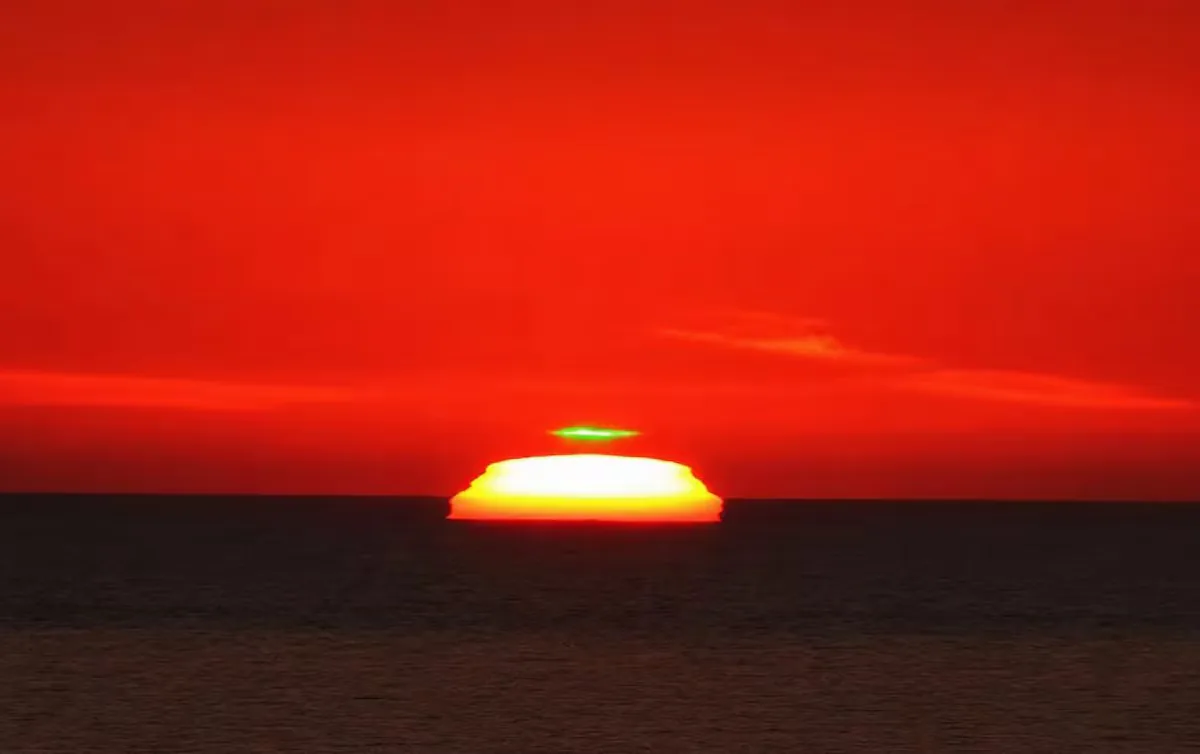
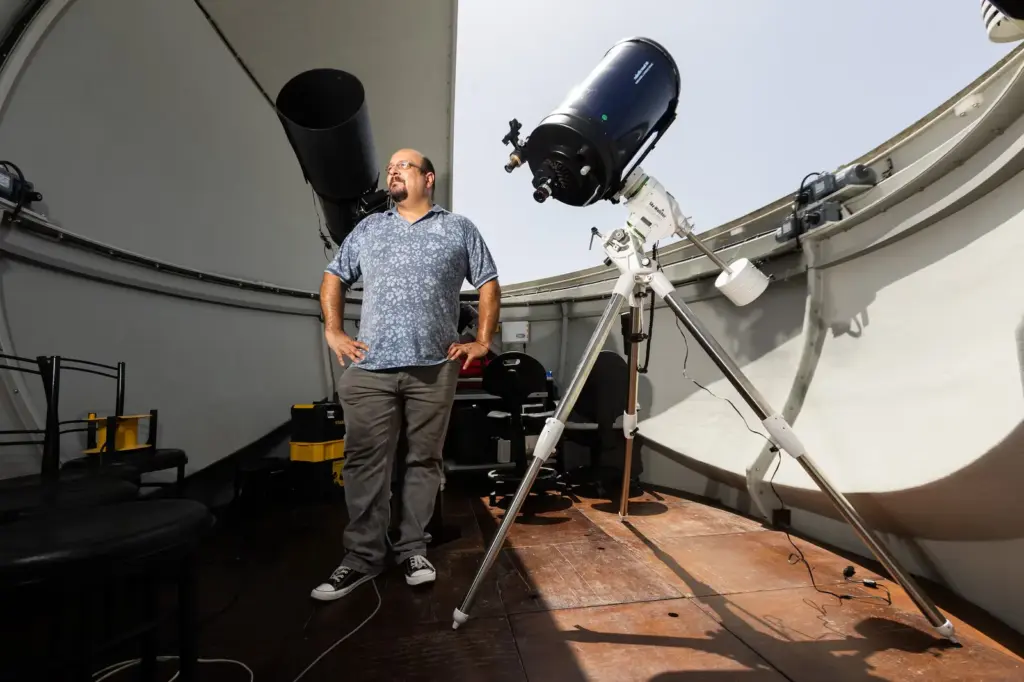
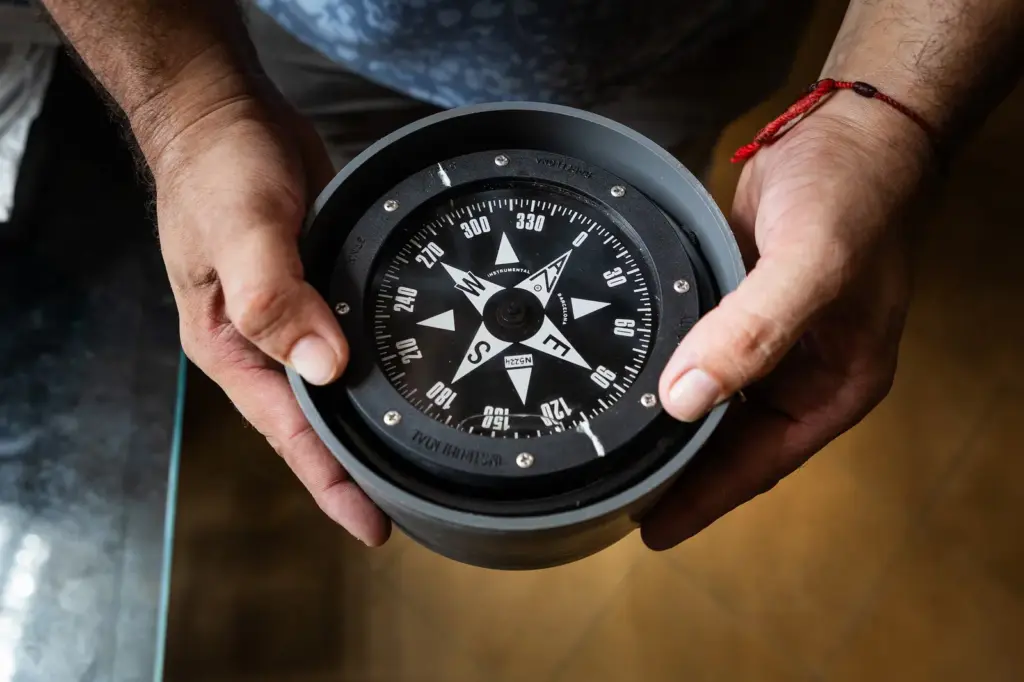
Amando Carbonell Santos, president of the Mallorca Astronomical Observatory, who has even been able to photograph the green flash (as seen in the photo at the top of this article), describes it as “a magical thing.” Carbonell has spent his life admiring the sky, the stars, and, from the observatory dome located in the municipality of Costitx, hunting asteroids. But the last year he has dedicated to something else: locating the best spots on the island to witness the Moon completely covering the Sun for 96 seconds. With a maritime compass in hand — inherited from his grandfather — and his car, he traveled all over Mallorca to identify 35 areas where the total eclipse could be appreciated. And he decided that the ideal place to do so would be from an elevated site, with a clear view of the sea on the horizon.
The astronomer explains that, due to the low position the Sun will have during the maximum eclipse — only two and a half degrees above the sea horizon — spectators of the phenomenon will be able to enjoy a double astronomical show with just a few minutes difference. “It will be almost as if we had an eclipsed sunset. When the Moon begins to leave the Sun, the star will be sinking into the horizon and at that moment we will be able to observe the last fragments of light in the atmosphere, that is, the green flash,” he says.
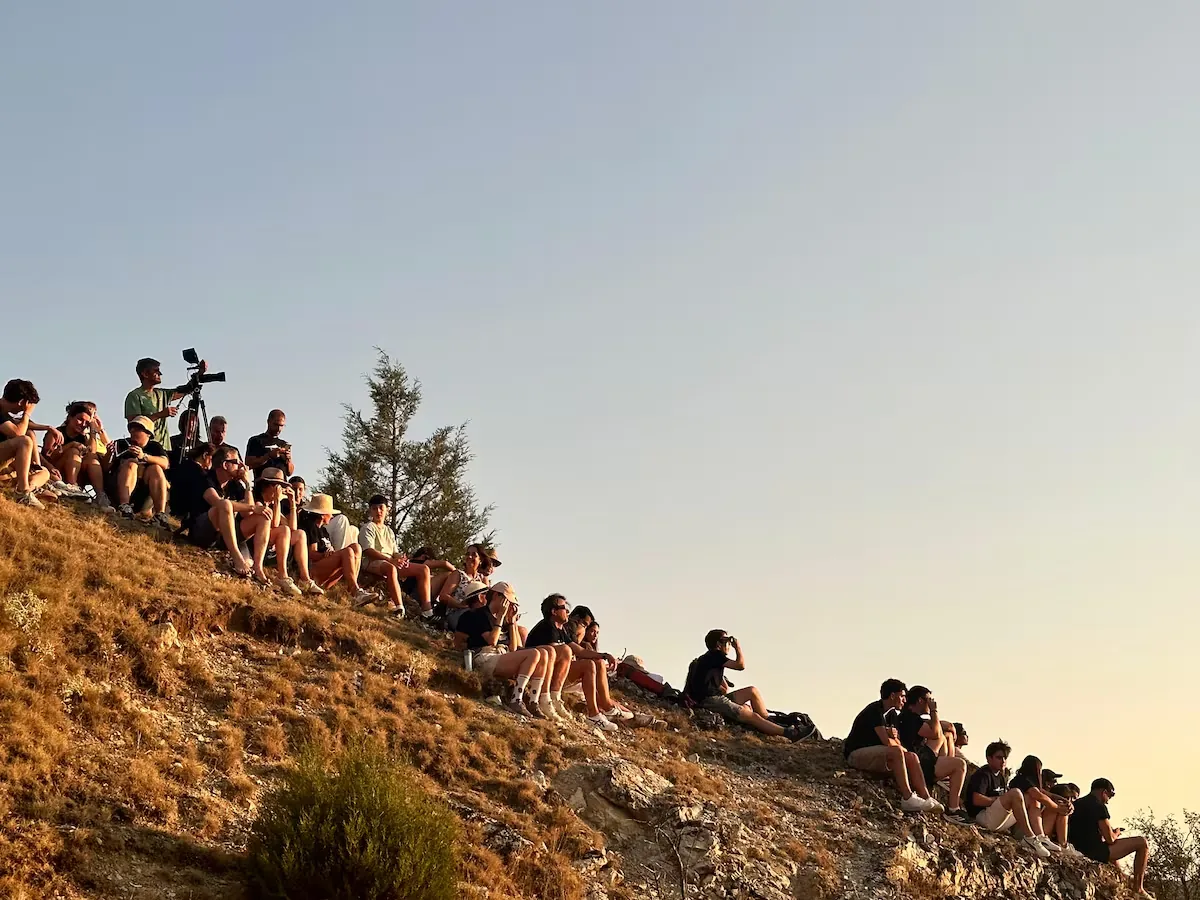
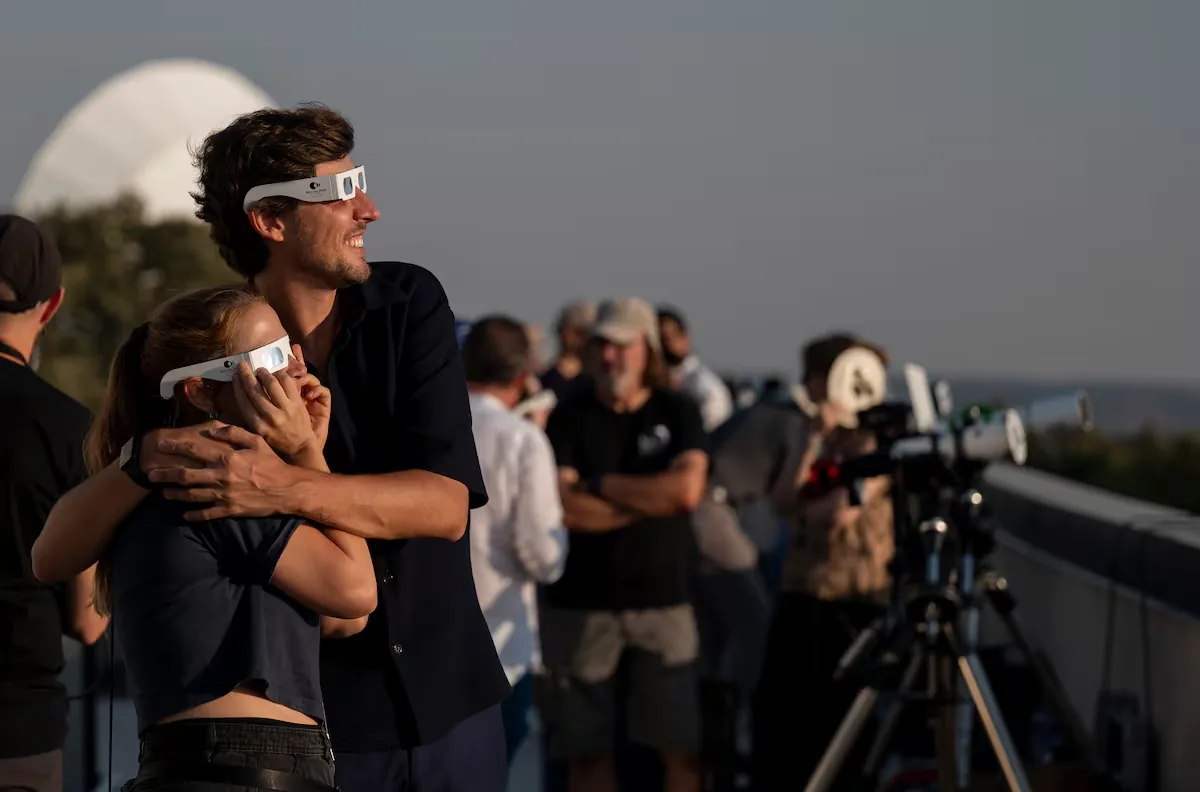
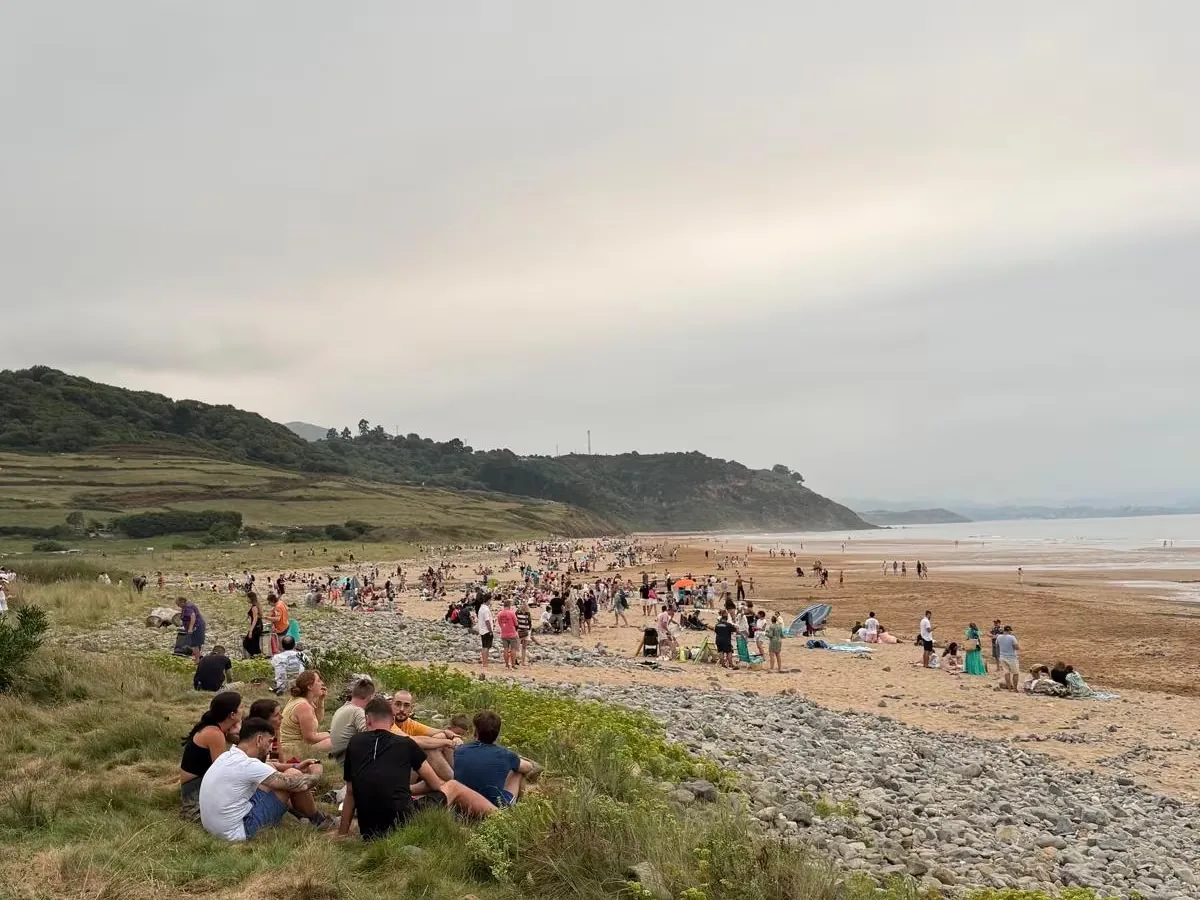
On the island of Mallorca, the eclipse will begin at 20:30 its totality, which will last 1 minute and 36 seconds. The sunset that Wednesday will end at 20:49. It is an almost unique window. Thousands of people will have their eyes on the horizon and cameras already prepared, right at the moment when the conditions for a green flash are most favorable. Protective glasses at this moment will no longer be necessary. Carbonell Santos acknowledges that this is a show with no promotion due to the lack of knowledge of its existence, or even due to legends and popular beliefs about this phenomenon.
What is a green flash?
The green flash is an optical phenomenon, whose physical explanation lies in the refraction and dispersion of light in the atmosphere. It occurs just at sunset, although it could also be seen at sunrise. When the Sun approaches the horizon, the atmosphere acts as a giant prism, and at that moment a refraction is generated that separates the different colors of sunlight. On the upper edge of the disk appear violet, blue, and green. The first two are scattered by the air before reaching the human eye. The green, on the contrary, is seen for a brief moment on the upper edge of the Sun. To be able to visualize it, it is essential that the atmosphere is clean and almost cloudless, something that occurs especially over the sea or in the desert.
Read more Cayetana Fitz-James Stuart vs Mar Flores: the day the duchess “knelt” before the model
For decades there was doubt about the existence of the green flash because it was so rare to observe, due to the state of the sky or its fleetingness — it can be seen for barely two or three seconds —. However, scientific dissemination and the rise of products like Verne’s novel, and the 1986 film of the same name, gave it worldwide fame. In Spain it also has devotees: in 2013, the Meteo Isla Bonita group tried to hold a festival dedicated to its observation in the port of Tazacorte in La Palma (Canary Islands). The event was never held, but that did not stop that association of meteorology enthusiasts, who last year managed to photograph four green flashes in just two days, again in La Palma.
Carbonell Santos has been able to behold a couple of green flashes in recent years. As part of some outreach workshops of the Mallorca Astronomical Observatory, he has traveled to different parts of the island to capture it and teach others where to look for it. Last May he went to the Banyalbufar viewpoint, in northern Mallorca, where he managed to catch the emerald light merging with the sea in an orange sunset.
The astronomer is excited that the Balearic Islands are one of the world epicenters to observe the August 12 eclipse. He is aware of the pressure it will put on the archipelago, in the middle of high season, but he prefers this scientific tourism to the “drunkenness” kind. No one, he assures, will let that brief night of 96 seconds go unnoticed, settling right in the middle of the August sunset. Nor will the fleeting ray of a color that, according to Verne, no painter could achieve on their palette: “If green exists in paradise, it can only be this green, which is, without a doubt, the true green of hope.”