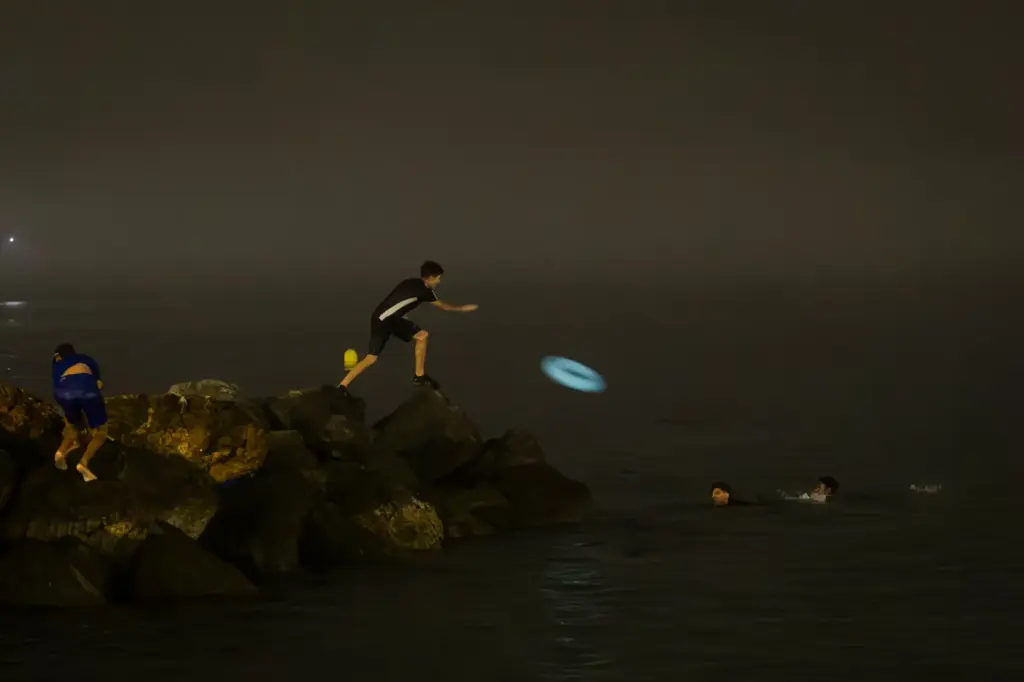









The early morning falls over Ceuta wrapped in a thick fog that barely allows distinguishing the patrol boats anchored off the coast, whose spotlights sweep the surface of the water. After the Spanish Army tried to stop the entries and persuaded those who reached the shore to return to Morocco during Friday afternoon, the deployment loses intensity as night falls. The soldiers stationed on El Tarajal beach remain in the background and only intervene when necessary.
Read more Multiple cyberattacks on the water system worry the US over possible Iranian involvement
The situation barely changes during the first hours of the night. The fence that crowns the border pier, where hours earlier Moroccan migrants wandered to enter Ceuta or return to Morocco, remains illuminated by powerful spotlights.
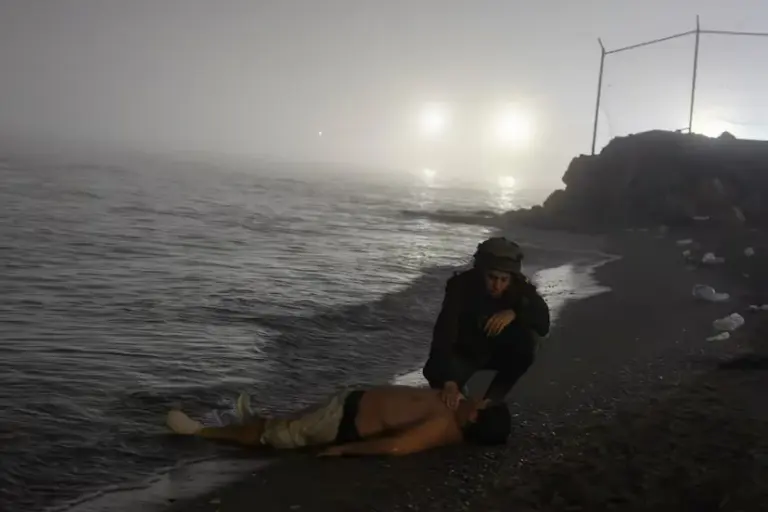
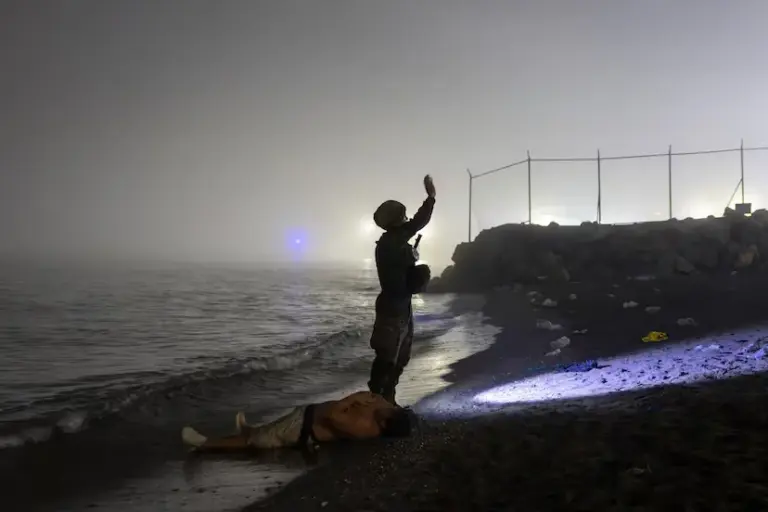
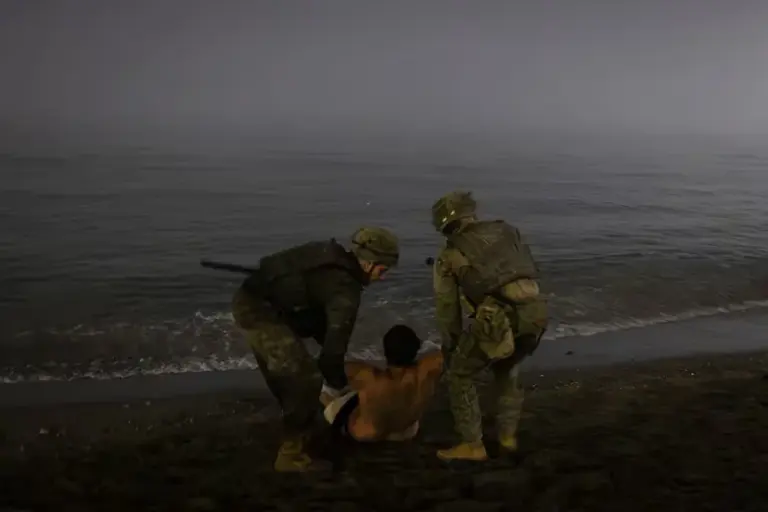
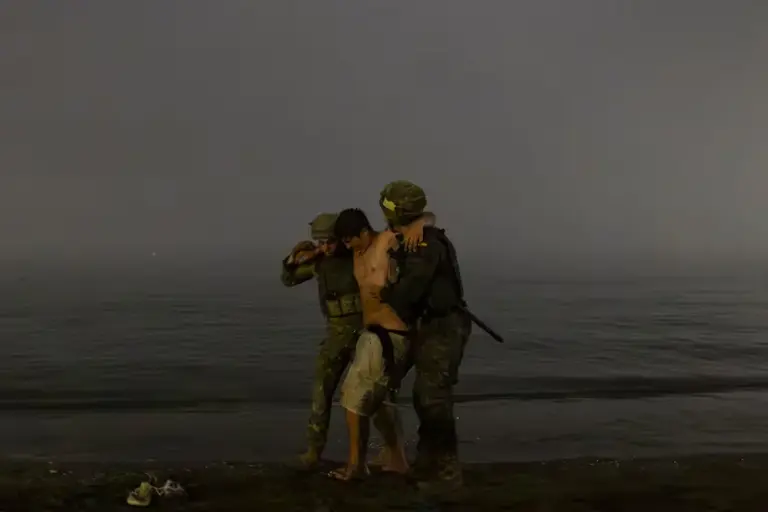
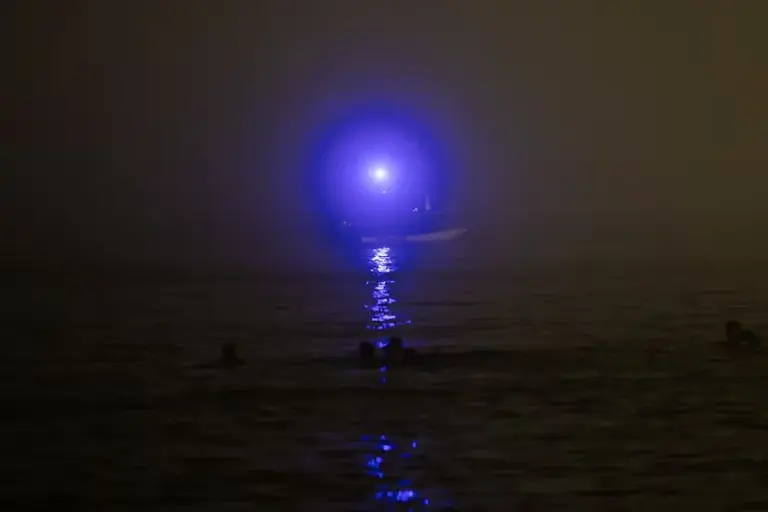
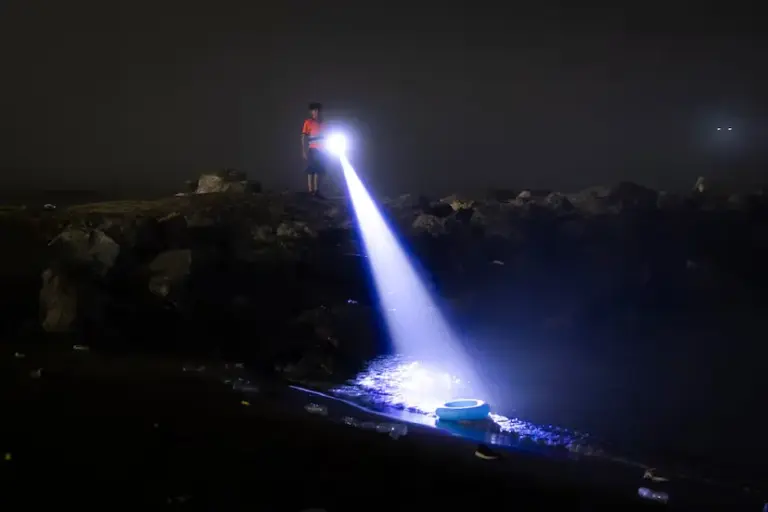
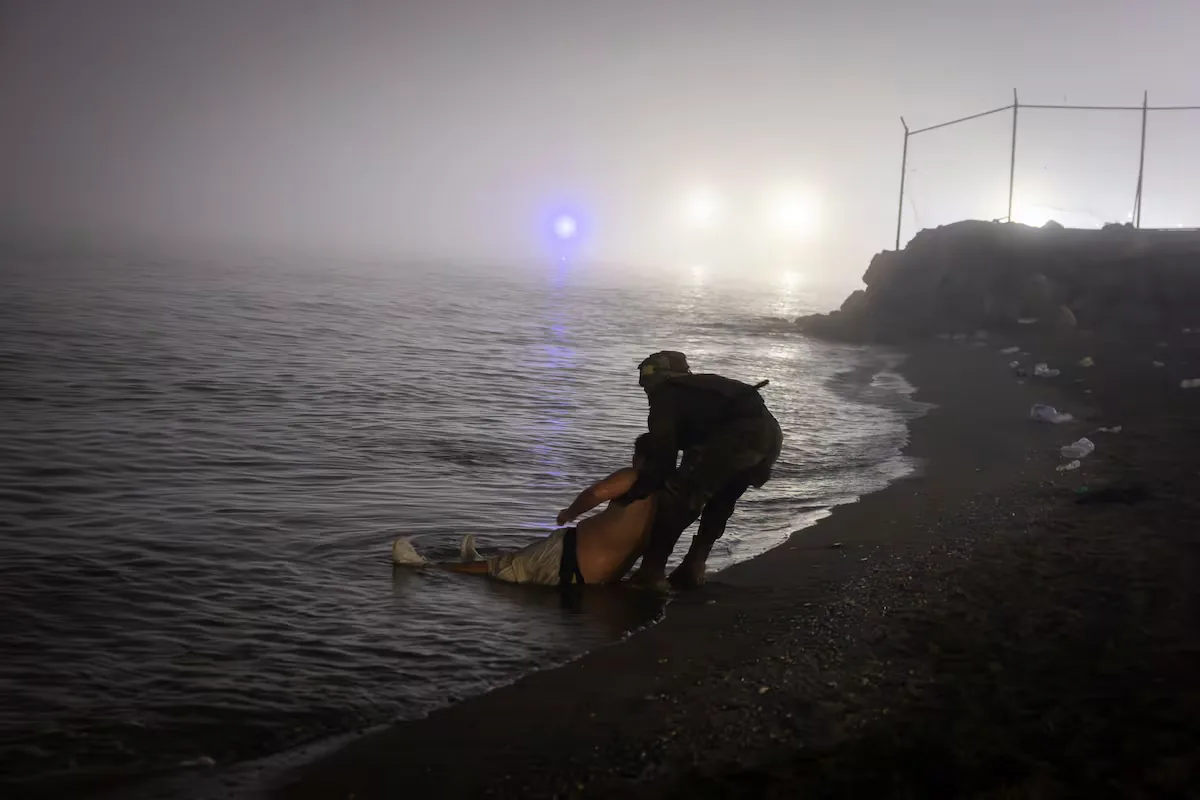
A soldier stands guard on the sand of El Tarajal. It is around one-thirty in the early morning. The silence is suddenly broken by the moans of those who are using their last strength to call for help from the water. It is a group of seven or eight men swimming in icy sea. Some use floats; others rely only on their arms. All barely reach the shore.
Read more The tragedy submerged at the Ceuta border: “There are more dead at sea”
However, one of them falls behind. Exhausted, he remains in the water when only a few meters separate him from solid ground. The soldier approaches him and drags him out of the sea. Once on the sand, he crouches and checks his pulse. Exhausted, but alive. With the flashlight, he signals another companion. Together, they carry him along the beach while waiting for assistance.
The rescued man faces in the coming hours the same dilemma as many others: to stay in Ceuta, without a way to continue to Europe, or to start the journey back to Morocco. At least 67 people have died trying to reach.