




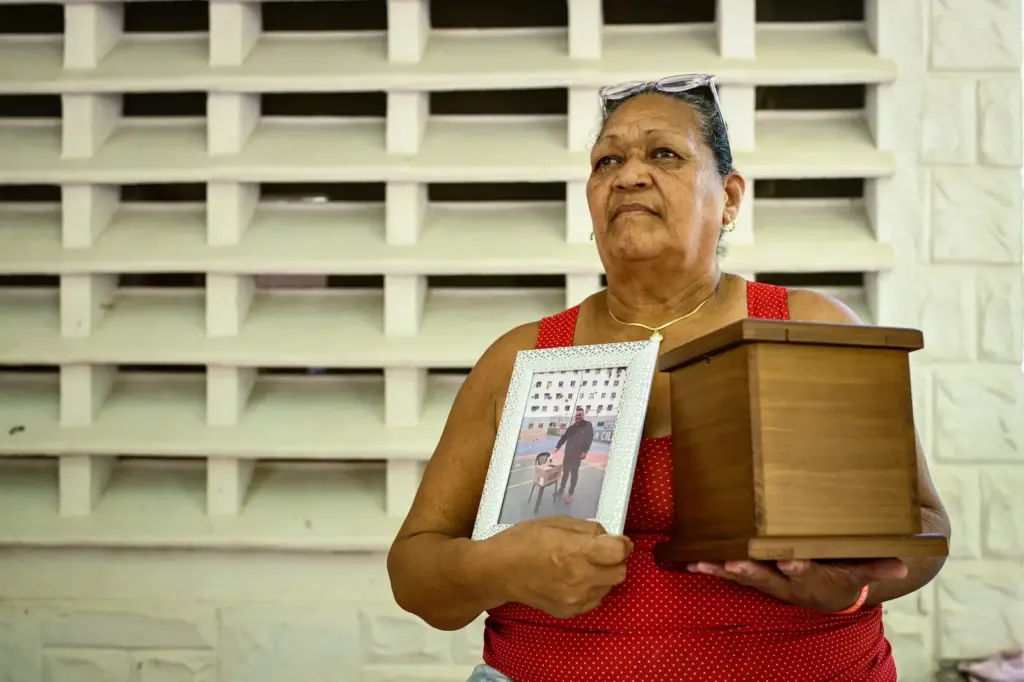
Renzo Román was found dead among the rubble of the OPP27 praying on his knees. He was a pastor of the Christian church of Caribe, in La Guaira, the area most affected by the two earthquakes on June 24. Two days earlier, he had told his mother that Christ was coming for his children and that, if God asked him to go with Him, she should not give up like she did five years ago, when the first of his ten siblings passed away.
Read more Video analysis | Petro, the president that no anti-corruption law can reach
—Mommy, can you make me an arepa? Because the boy and I are hungry and Marisela hasn’t arrived— Renzo asked his mother before telling her his last words—: Mommy, I’m going to tell you a joke: you know bad times are coming and you have to stay calm. Heaven is short of angels.
Mrs. Iris understood those words as a farewell and never saw him again. On the afternoon of the fateful Wednesday, June 24, Iris left her house as she never usually did. Minutes later, the building where she lived turned to dust. Renzo died along with his wife and son in one of the housing solutions the Government granted in 2009 to those affected by a previous tragedy in La Guaira.
“I hope people learn a little more about God, because that’s what we all want. My children practiced Santería and now they don’t want anything to do with those things,” says Iris. Her son Renzo had also been a Santero. She recalled that during his first day at the Christian church he fainted on the temple floor when the pastor touched his head: “The Lord prayed for him, he got up and said he didn’t want anything to do with those things. He threw everything away and converted. He learned very quickly. I believe more in God after this. A lot. I know this was not God’s work, it was nature; and my son knew it.”
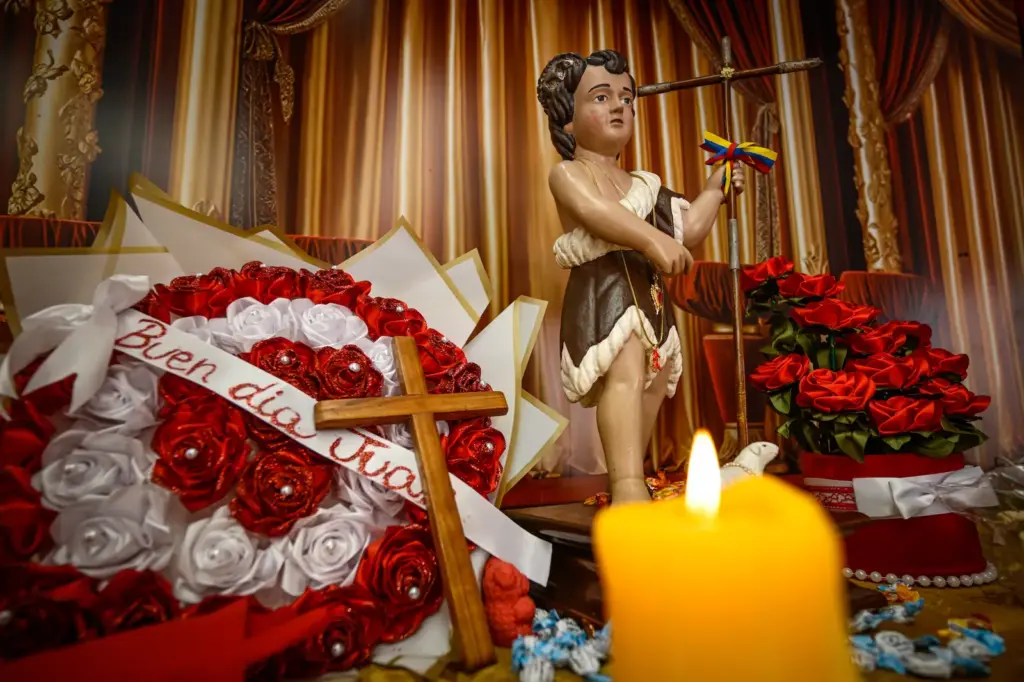
Evis Rocío Rodríguez, on the other hand, says she was saved by Saint John. Together with her husband, she owns a business in Pueblo Arriba, the sector of Naiguatá where the guardian of the saint’s house lives, an altar that opens its doors to devotees.
“Many people were saved because everyone who was here was from Caribe, Tanaguarenas or Caraballeda — the areas with the most collapses. They survived because they were in the drum while their buildings were falling; they didn’t realize until they could get there,” explains Evis.
Saint John is a magical-religious festival declared Intangible Cultural Heritage of Humanity by UNESCO in 2021, celebrated in Venezuela since colonial times. Naiguatá preserves the tradition with an image of the holy child carved in cedar that a Spanish landowner brought 400 years ago so that the slaves could celebrate the solstice under the framework of imposed Catholicism. Since then, the coastal festival has intertwined the pagan and the sacred. However, after the earthquake, its detractors began to associate the dance and drums with the spiritual cause of the tragedy.
“I don’t even know if I want to celebrate Saint John again,” confesses Adriana Castro, 49, from her new residence in the Los Caracas Vacation Complex. There she shares a cabin with ten other people, including Deisy Díaz, who invited her to celebrate in Naiguatá without imagining that Adriana’s building would collapse during the drum.
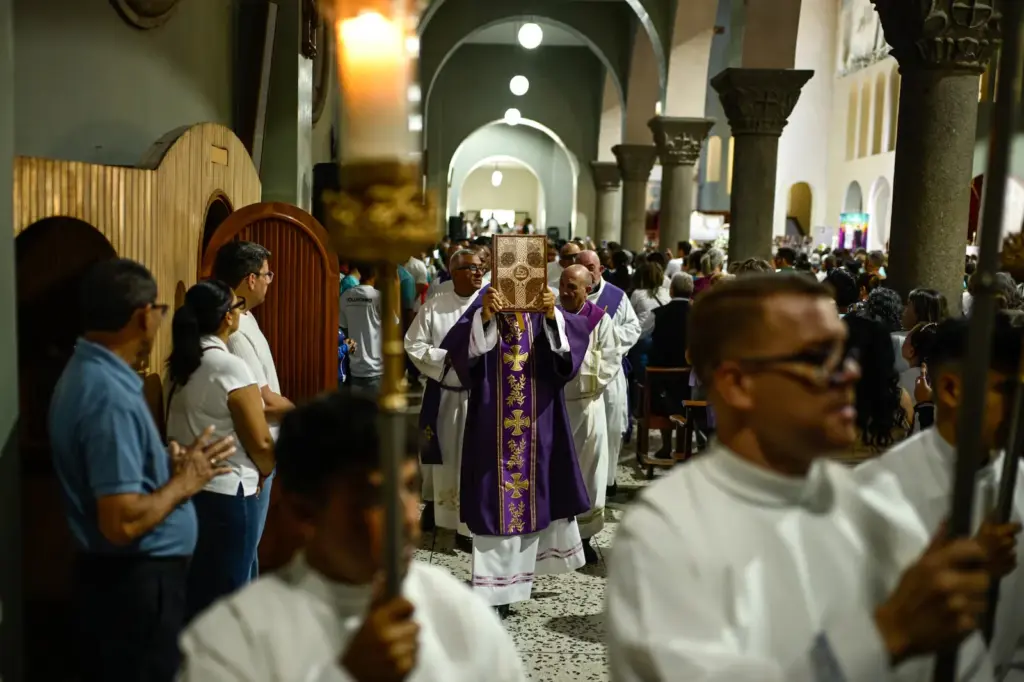
“I didn’t realize it was shaking because I thought it was the strong vibration of the drum. But when Civil Protection told us the buildings had fallen, I grabbed a taxi to get there. I started screaming and found my son with my grandson dead in his arms,” laments Adriana.
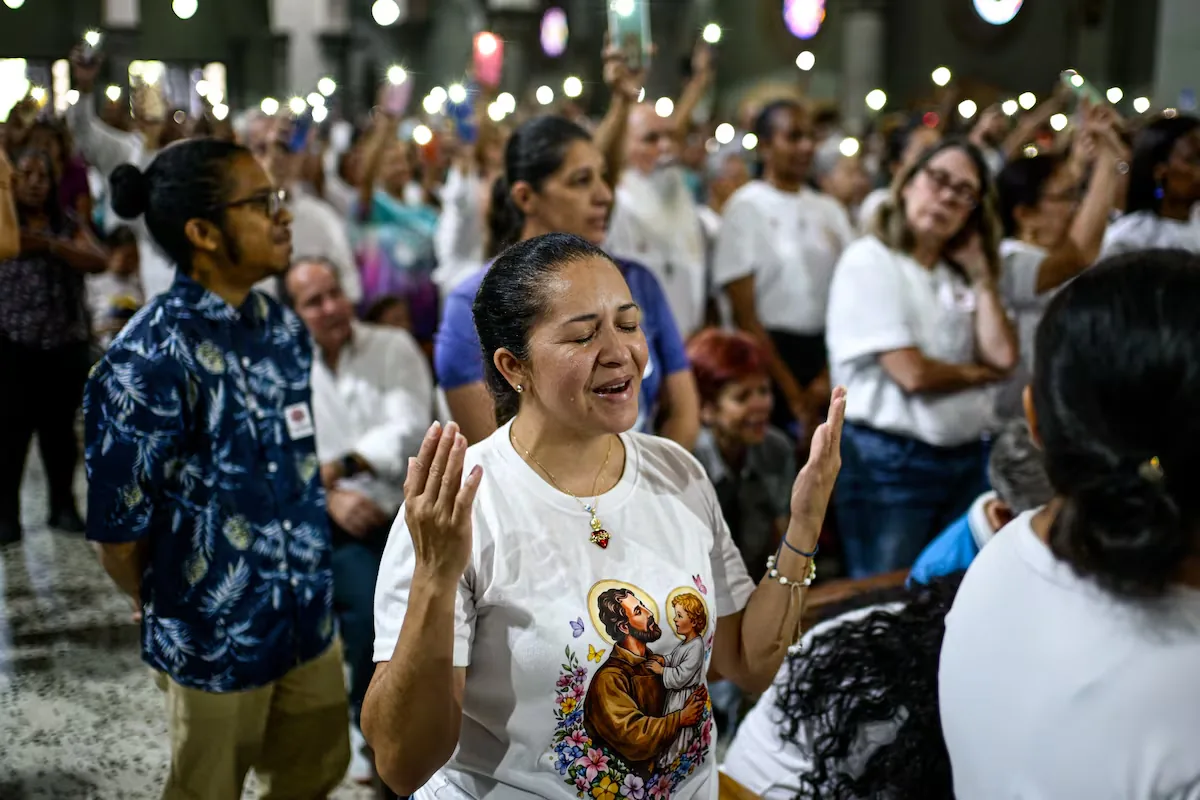
At the Saint John festival in Naiguatá, there were at least 3,000 people celebrating when the tremor interrupted the party with the shout: “Earth! The earth is shaking!”. The video of the collective chaos went viral on social media and immediately several biblical preachers blamed the festival for the disaster.
“It was a day off. How many people wouldn’t have been at home? People were not only saved by Saint John: they were saved because they came to Saint John,” defends Evis. A devotee interrupts the conversation while crossing herself in front of the image: “Those people are ignorant; they don’t know this is cultural heritage. Faith moves mountains and Saint John has performed miracles.”
Evis continues: “Many people started to distort things. If this had to do with it, why didn’t anything happen in Naiguatá? If Saint John is to blame, why did people who had nothing to do with it pay? Just as there is good, there is evil. God is working, but the devil too. For me, this was the devil’s work, and God put His hand in to save those He could.”
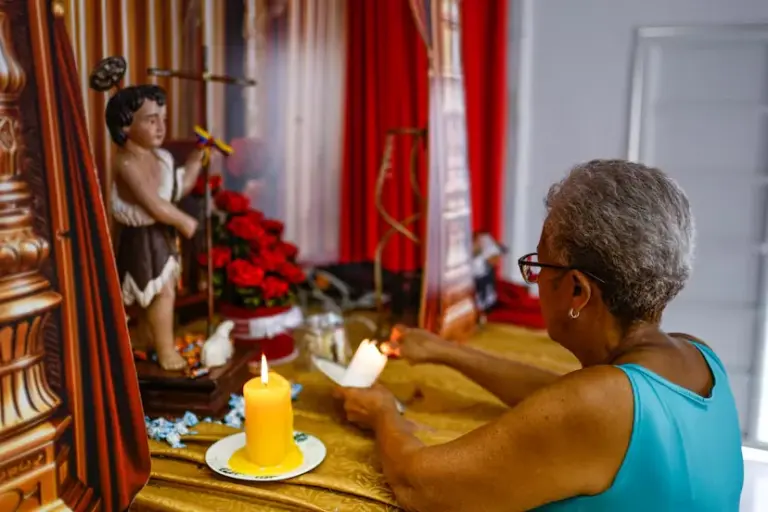
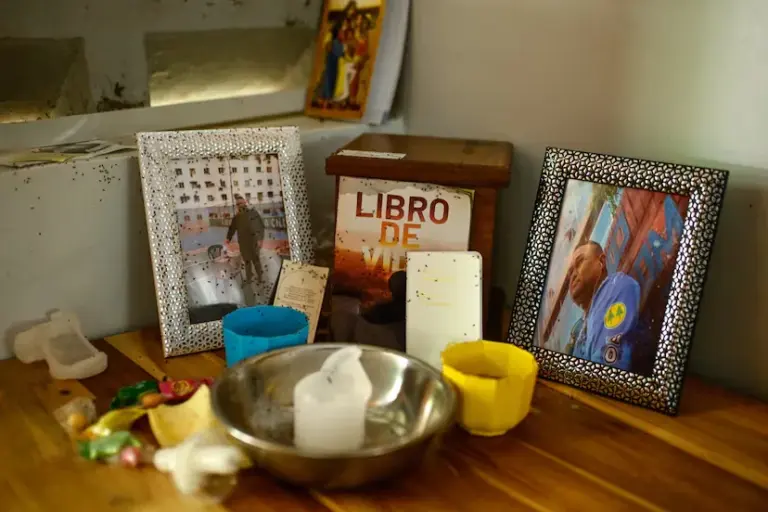
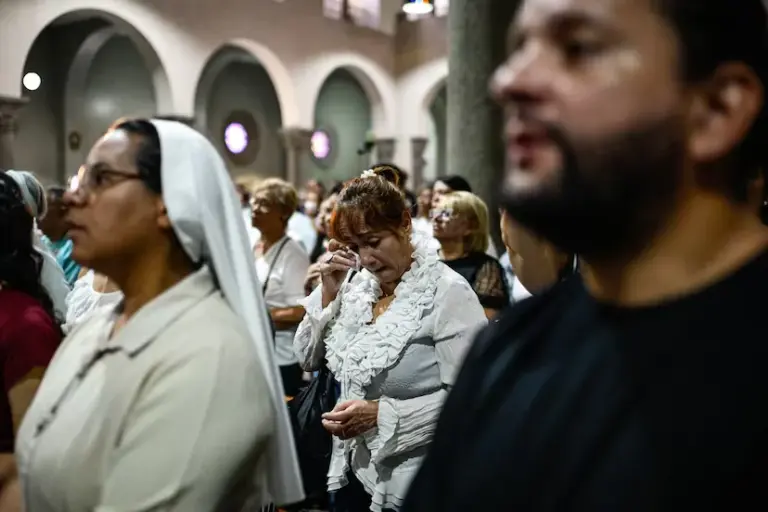
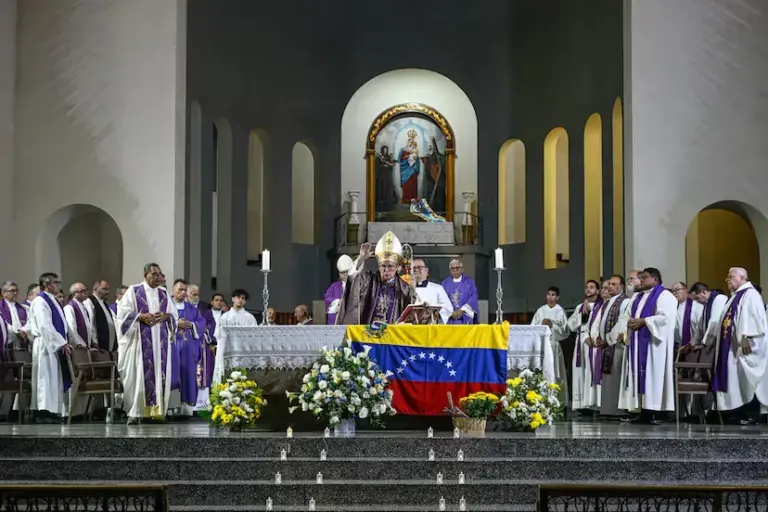
For the Universal Church — known for its slogan “Stop Suffering” — Christians were spiritually prepared for the catastrophe, interpreting it as a manifestation of the verse from Matthew 24 about the end of times. “Whoever seeks God out of fear does not find Him. I cannot convince God with screams, and I say this with authority: it is not to condemn, it is to urge people to understand which God they should seek,” says Pastor Miguel Ángel Rodríguez.
However, the view of Jhonell Hernández, an evangelical pastor from Puerto Ordaz who lives in La Guaira, is different: “There is a lot of sensitivity and we cannot take advantage of that. We have to let emotions surface. People understand they must approach God because we are alive. Despite the pain, neighbors are more united; they laugh, share, and have the ability to cry and laugh at the same time.”
Nearby, in the garden of one of the shelters, two women reflect on the tragedy. One wears a rosary on her chest and states that one should only believe in God without worshiping images; the other, evangelical, vindicates the immaculate life of the venerable Mother María de San José.
—I believe that when Christ comes He will not look only for Catholics or only for evangelicals — reflects the first —. The Bible says by their fruits you will know them. Do you think God will not be pleased with someone who does good, regardless of their religion?
—I only ask myself one question — answers her neighbor with a lost look —: why was my friend buried with her three children and did she stay there for 15 days before help arrived? I don’t understand, it’s something that torments me. But I’m not going to blame anyone. We are who we are, and may God judge each one for what they are living.
Read more The culture war and the warrior minister