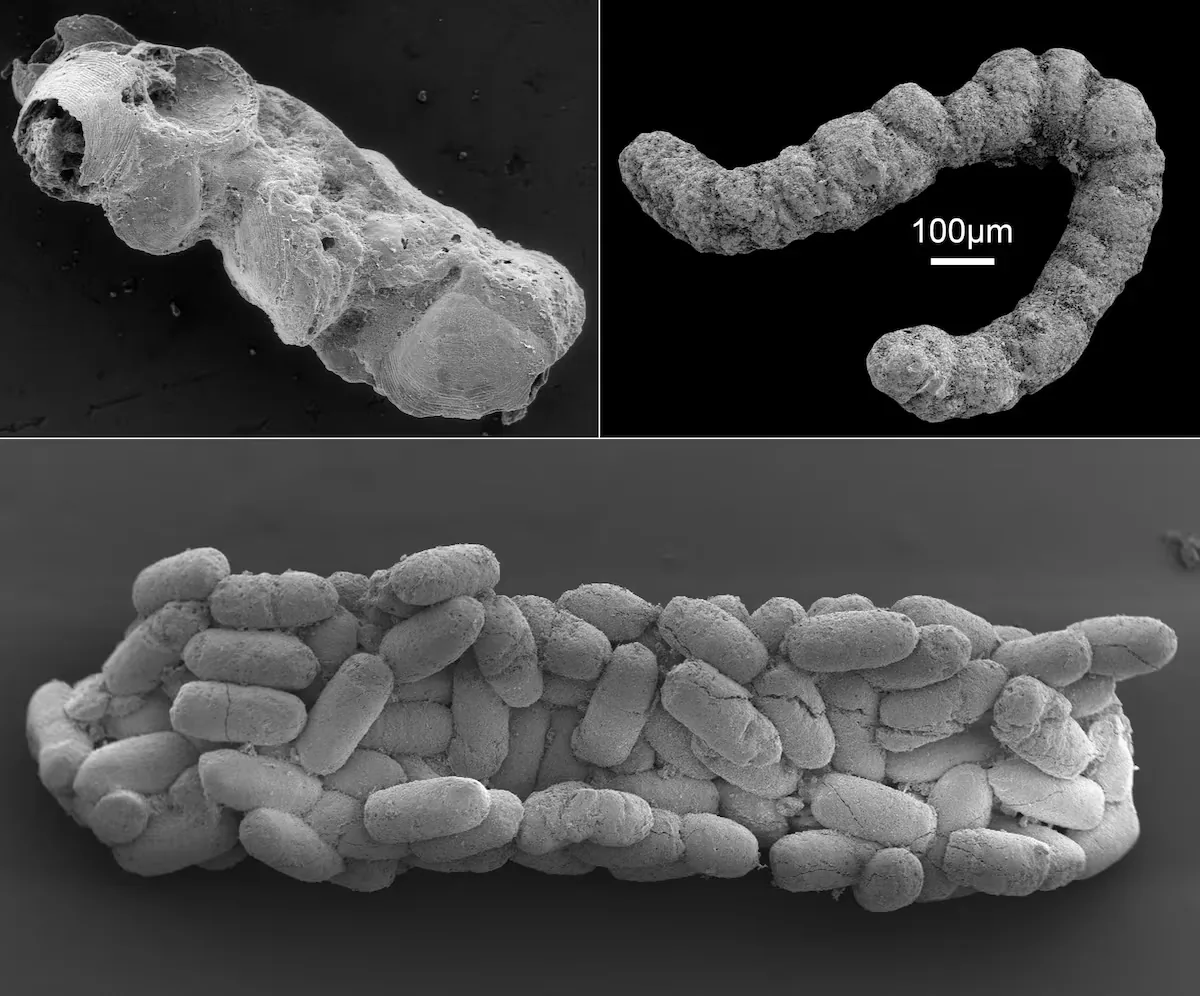
At the very beginning, there was hardly any poop. Until about 540 million years ago (end of the Ediacaran period), life was limited to extensive bacterial mats, microscopic archaea, and equally microscopic algae on the sea floor. They barely produced very simple fecal matter. But within about twenty million years, spiral, granular, lump-shaped, more or less thick thread-like, cluster-type feces appeared (see below)… Such a variety of excrements reflects what scientists call the Cambrian explosion of life: living beings increased in number, but above all in diversity of forms and sizes, creating ecosystems with all kinds of trophic relationships. It was the period of greatest innovation, with the appearance of the first skeletons, eyes, jaws, swimming organisms… And much of what is known is thanks to fossilized excretions, coprolites. Now, a study does justice to the role that poop played in the multiplication of life.
Read more EU partners ease criticism of Spain over Ceuta crisis and now show it their “full solidarity”
“The Cambrian explosion transformed life on Earth. During a relatively brief interval in geological time — between 13 and 25 million years — most of the major animal groups appeared,” recalls Julien Kimmig, head of the paleontology and evolution section at the Karlsruhe Institute of Technology (KIT, Germany). “Almost simultaneously, the first marine ecosystems developed, becoming more complex. Trophic networks began to resemble those of modern oceans,” adds Kimmig, co-author of the scientific article The Cambrian fecal revolution. Driving the Cambrian radiation. Published in Trends in Ecology and Evolution, the work analyzes hundreds of coprolites recovered from 37 sites around the globe.
“Coprolites provide information about the evolution of animals’ digestive systems. The greater the diversity of coprolites, the more advanced and differentiated the animals’ digestive tracts are,” highlights Kimmig. Only one fossil from the late Ediacaran with a digestive system has been found, and it was very simple: a straight cylindrical intestine connecting the mouth to the anus. But things change a lot in the Cambrian. Intestines lengthen, curve, zigzag; alongside the first jaws, prototeeth appear. By the middle Cambrian, there are arthropods with digestive glands. All these innovations increased the capacity to process food.
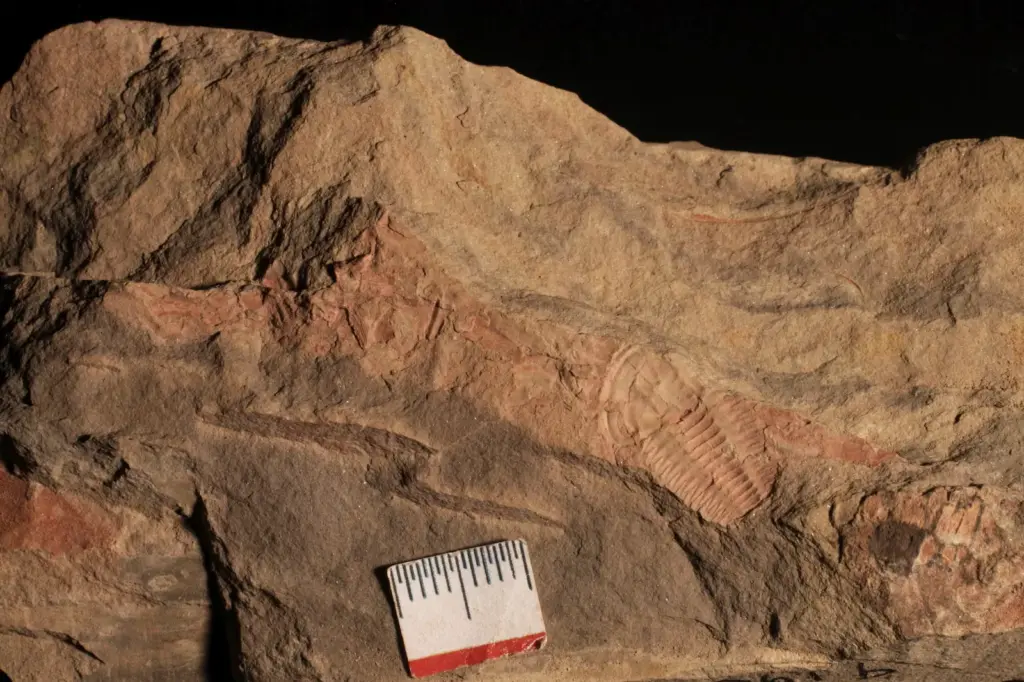
Kimmig emphasizes that coprolites “also provide information about the evolution of feeding habits.” For example, the first remains of shelled animals appear in the excrements of the probable first predators after simple organic matter or sediments, the basic components of simpler diets of detritivorous animals, also simpler.
The researchers also observed that the complexity in shape and size of feces increases over time. “We see a clear pattern in the fossil record. Microscopic coprolites appear first, and about 20 million years pass until macroscopic coprolites appear,” says the KIT researcher. This coincides with the appearance of more complex intestines in the fossil record. In other words, the increasing complexity of poop parallels the increasing complexity of the beings that excrete it.
Read more Sheinbaum responds to censorship criticisms of her initiative to set rules for audience rights
At that time, life was limited to seas and other bodies of water. There were neither animals nor anything resembling terrestrial plants. For that, one would have to wait a few tens of millions of years more. But the diversity of coprolites illustrates that the main clades of the tree of life were already there: annelids (worms), mollusks, a great diversity of arthropods, sponges, or chordates, from which vertebrates would emerge much later and, among them, the greats of the current animal kingdom, fish, reptiles, amphibians, birds, and mammals.
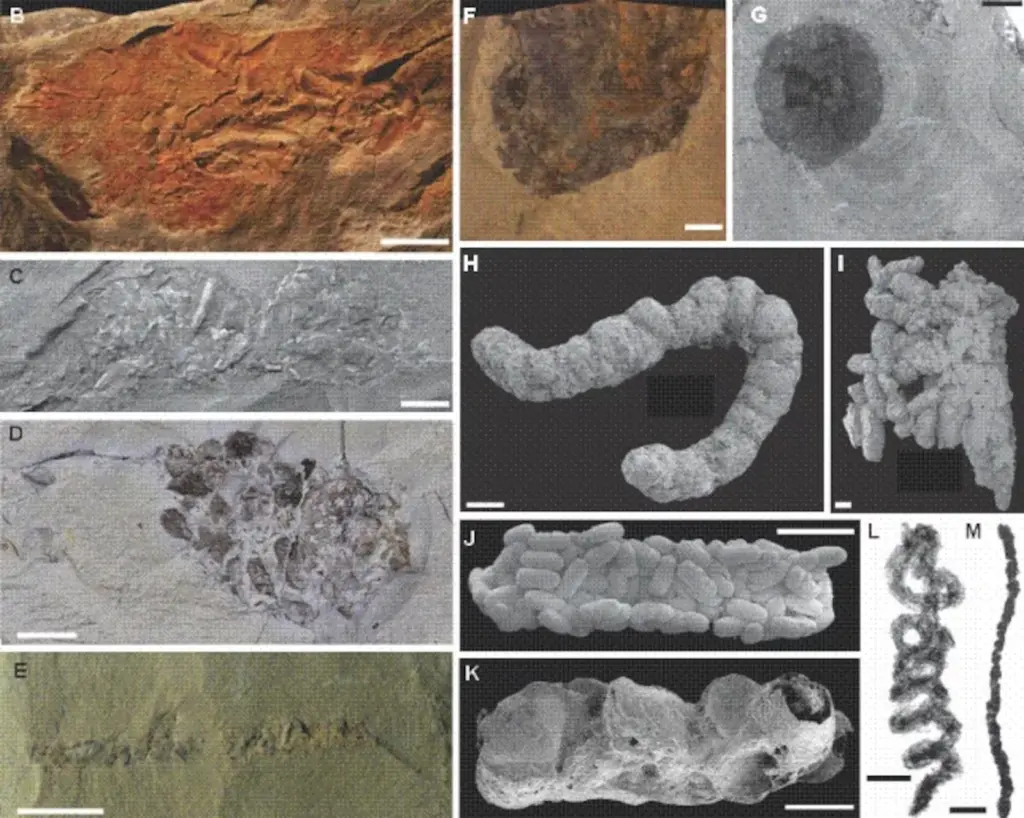
Poop not only reveals the increasing complexity of life, it also sustained and multiplied it. As happens today in the oceans with so-called marine snow, which is nothing more than organic matter from excrement or the decomposition of the dead, the basic components of feces are nitrogen, carbon, phosphorus, and other nutrients like iron. The Cambrian fecal revolution allowed the beings living in shallow waters at that time to conquer the entire water column, reaching the depths.
“The idea is that a greater amount of feces allowed more environments to become habitable, which, in turn, allowed more animals to live in different places,” points out Russell Bicknell, researcher at Flinders University (Australia) and co-author of the study. “It also allowed nutrients to move in greater quantities. So it should be seen as fertilization, but on a much larger scale,” he adds in an email.
For most paleontologists, the Cambrian explosion of life remains a mystery. Several causes are suggested (not mutually exclusive), such as the increase in oxygen levels, the appearance of new trophic relationships like predator-prey, or some genetic cause. “Alongside the increase in oxygen levels and other factors that must have contributed, the importance of feces in ancient ecosystems is often overlooked,” highlights Bicknell, who concludes in a note: “The fossil record makes it clear that the evolution of feeding strategies aligns with the production and distribution of organic carbon and nutrients that created the conditions we see in modern oceans and, later, on land, where fertilizers are used today to produce our food.”
Read more The case of the reflecting pool in Washington chokes Trump