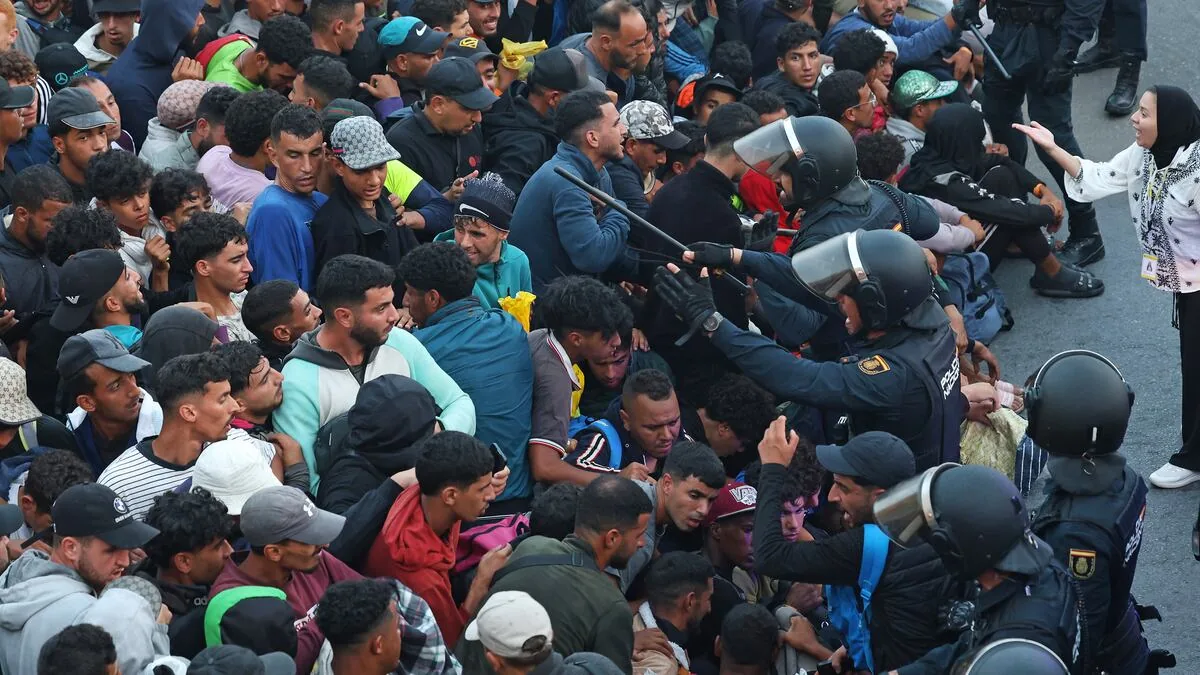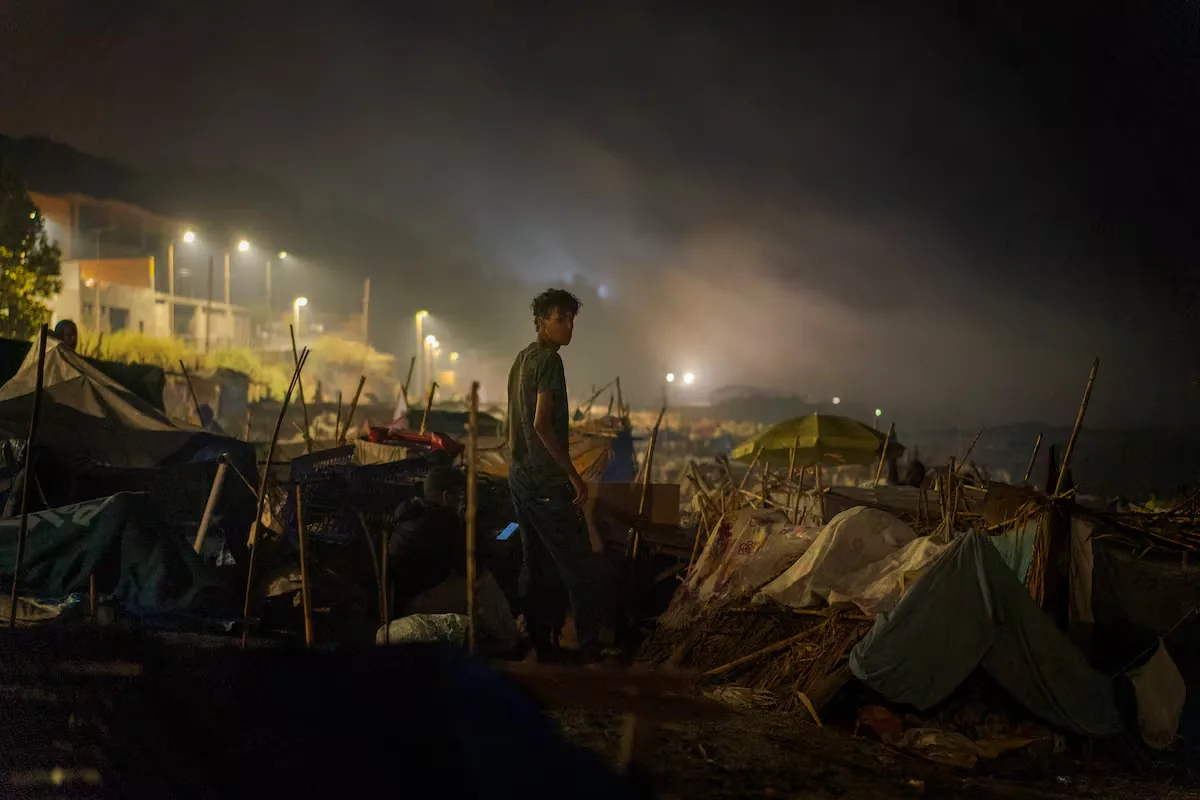








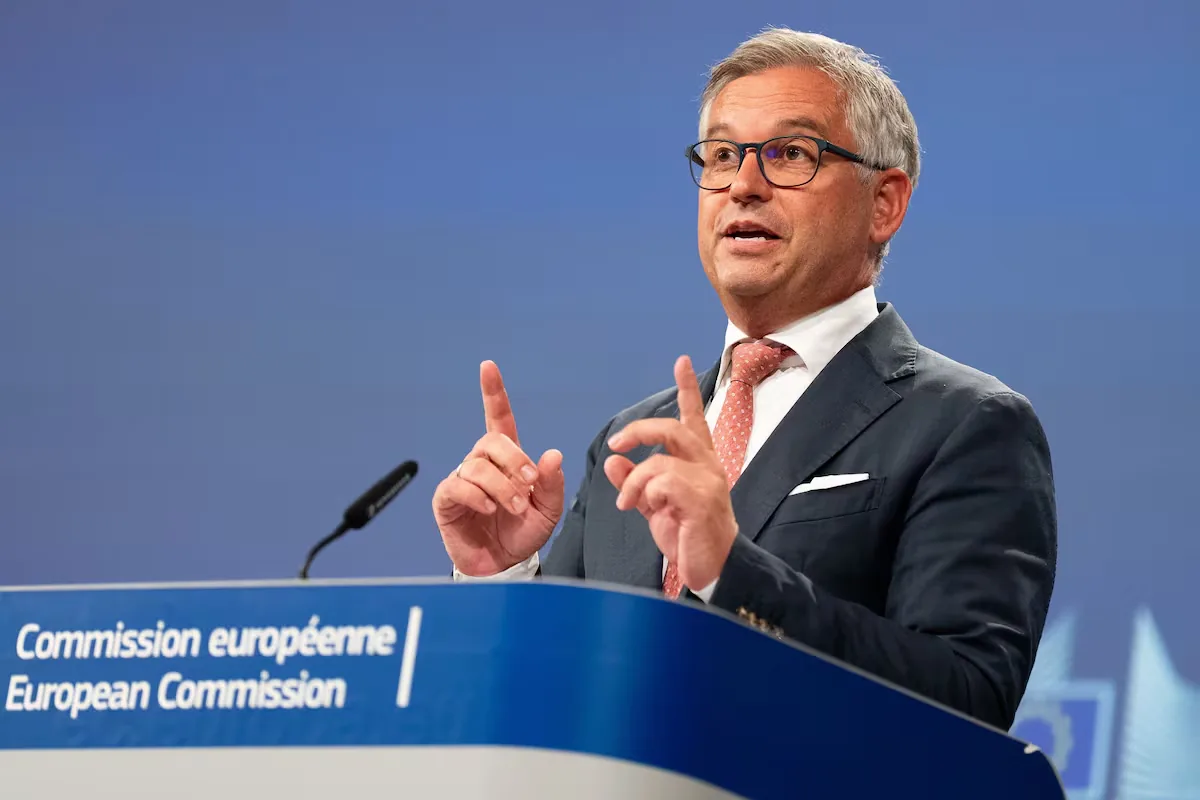
The strong criticisms of Spain over the Ceuta crisis in the early days have eased. The Spanish Interior Minister, Fernando Grande-Marlaska, did not have to listen to the reproaches that 22 EU prime ministers — all but five — launched last Saturday in a letter against Spanish migration policy. In the meeting with their counterparts, “there were no real criticisms” about the amnesty, admitted the Commissioner for Home Affairs, Magnus Brunner, at the end, who spoke of “total solidarity with Spain around the table.” The tone of the meeting was “constructive,” noted the Spanish minister and confirmed by several diplomatic sources familiar with what happened in the nearly four-hour meeting.
Read more Sheinbaum responds to censorship criticisms of her initiative to set rules for audience rights
Since Friday, the main attacks against Spain launched from several European capitals had one flank: the massive regularization of migrants implemented months ago. But this Tuesday the criticisms have disappeared on this front. “Regarding the regularization, there were no real criticisms because we cannot see a direct link at this moment between the measure and the Ceuta incidents,” admitted Commissioner Brunner, one of the toughest voices on this issue in the Brussels Executive, as became clear afterwards: “But as I always say in this debate, it is not a good sign for the rest of Europe. I understand that Spain did it because they are mainly Latin Americans who speak the same language and have the same culture, but the signal for the rest is not good.”
When looking for causes, Brunner and the ministers chose this Tuesday to look towards “the criminal human trafficking networks and also disinformation.” As much of the Government in Spain has not done, the Austrian commissioner did not point to Morocco at any time, despite the fact that the avalanche of more than 70,000 people came from its territory. He spoke of the North African country as a “safe country,” that is, a state to which migrants can be returned quickly without fear, in theory, that they face great risks.
Read more The case of the reflecting pool in Washington is choking Trump
Brunner’s intervention followed the line of what the Commission President, Ursula von der Leyen, already did on Monday in the letter she sent to the Spanish Prime Minister, Pedro Sánchez. She assumed that the border crisis is practically resolved when the vast majority of those who crossed the border irregularly between Thursday and Friday have been returned to Morocco. “Minister Grande-Marlaska has confirmed that the situation is under control, that no one has reached mainland Spain and that the Schengen area has not been affected,” she highlighted in her initial version. However, later, when asked if it made sense then to consider suspending Spain from the free movement area, as Italy did, she resisted launching reproach with the argument that the images seen may worry European citizens.
Read more National Heritage cancels the fountain show at the La Granja palace due to «water shortage»